
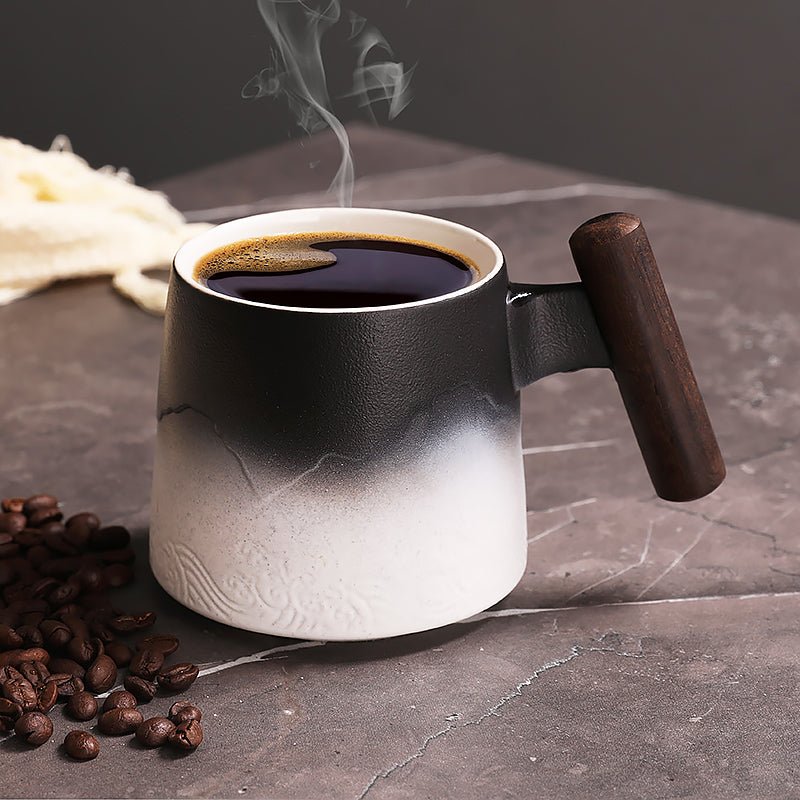
Typical Coffee Mug Size: What Buyers Should Expect Before Ordering
Reading time: about 9 minutes
What does a typical coffee mug size actually mean?
A mug labeled 11 oz or 12 oz is usually what most shoppers picture when they search for the typical coffee mug size. In our store, that is the size range most people reach for when they want one regular cup of coffee with a little room for milk, cream, or a splash of foam.
The tricky part is that the label does not always tell the whole story. Two mugs can both be called 12 oz, but one may feel smaller because of a thicker ceramic wall, a narrower bowl, or a tall straight shape that leaves less surface area for aroma and cooling. The usable fill line is often lower than the brim capacity, especially if the mug has a curved lip or a rounded shoulder.
That is why we do not treat size as a number alone. We look at how the mug sits on a kitchen counter, how easily the handle clears two fingers, and whether it survives daily dishwasher cycles without the glaze dulling or the base chipping. Those details matter more than a clean number on a product page.
If you want a broader comparison across the common sizes we carry, our guide on Average Coffee Mug Size: What Buyers Should Know Before Ordering pairs well with this article.
How many ounces is the usual mug size?
The usual mug size for everyday coffee is generally 10 to 12 oz, with 11 oz being a very common middle ground. That size holds a standard drip coffee serving without feeling oversized on a desk, and it leaves room for a little milk or sweetener without making the cup look half empty.
For buyers, the number to focus on is not just the maximum fill volume. A mug that is 12 oz to the brim may only feel like a 9.5 oz or 10 oz practical pour if you want to avoid spills. We see that often with gift buyers: they order by the label, then realize the cup was shaped for a narrower pour than they expected.
In real use, the more useful question is how you drink coffee:
- Black coffee drinkers: 10 to 11 oz is usually enough for a standard home brew.
- Milk-based coffee drinkers: 11 to 12 oz gives more headroom for latte-style drinks or extra cream.
- Large-volume drinkers: 14 to 16 oz works better if you refill less often.
If you want a deeper breakdown of capacities, our buyer guide How Many Ounces in a Typical Coffee Mug? Buyer Guide goes into brim capacity versus drinkable capacity in more detail.
Which mug size fits most coffee routines?
For most buyers, the best fit is still the classic 11 oz or 12 oz mug. It fits a standard single-serving coffee pour, does not dominate a small office desk, and usually works with both home drip machines and manual brews. That is why those sizes remain the default in many gift sets and custom printed mugs.
But fit depends on more than ounces. We look at three details that affect daily use:
- Handle clearance: A comfortable handle should let most adults get two fingers through without scraping the cup body.
- Rim thickness: A thinner rim usually feels better to drink from, while a thick rim can make the mug feel heavy and less refined.
- Base stability: A flat, well-fired foot ring helps the mug sit evenly on a counter or desk and reduces wobble on trays.
In our experience, the biggest complaints are not about the capacity itself. They are about awkward handles, mugs that feel too wide for one hand, or cups that look good online but are uncomfortable once filled with hot coffee. That is why we encourage buyers to compare more than just the size number before choosing from our collection of mugs and drinkware.
What size should you choose for different drink styles?
The right size changes with the drink, not just the mug. A standard coffee mug size works well for drip coffee, but it is not always the best option for every beverage. We sell mugs to people who use them for tea, instant coffee, cocoa, and even cereal on rushed mornings, and the best fit shifts depending on the habit.
| Drink style | Usually best size | Why it works |
|---|---|---|
| Black drip coffee | 10 to 11 oz | Enough for a normal pour without making the cup feel oversized |
| Coffee with milk or cream | 11 to 12 oz | Leaves room for add-ins and reduces spill risk |
| Latte-style drinks at home | 12 to 14 oz | Better for foam and milk volume |
| Long desk sessions | 14 to 16 oz | Holds more, but takes longer to finish and may cool unevenly |
| Small espresso-based drinks | 6 to 8 oz | More proportional for cappuccino or cortado-style servings |
There is a trade-off with larger mugs. They can keep you from refilling as often, but they also expose more surface area to air, so coffee may cool faster than you expect. They are also heavier when full, which matters if you carry coffee from the kitchen to a meeting room or upstairs office.
If your main concern is heat retention, size is only one part of the answer. Our article Mug Keeps Coffee Hottest: Materials, Lids, and Size Compared explains why material and lid choice can matter as much as capacity.
What should you check before buying a mug online?
We handle mugs every day, and the small details are usually what separate a good purchase from a frustrating one. A mug can look perfectly normal in photos and still feel off once it arrives on a real kitchen counter. These are the checks we recommend before you order:
- Measure the diameter: Make sure the mug fits your coffee machine, cup warmer, or car console if you plan to use it there.
- Check the handle opening: Some mugs have decorative handles that look generous but pinch when you grip them with a hot drink inside.
- Look at the base: A slightly uneven base can make a mug rock on stone countertops or wood desks.
- Review care instructions: Dishwasher-safe and microwave-safe are useful, but glaze quality and print durability still matter after repeated wash cycles.
- Read the capacity carefully: Confirm whether the stated ounces are brim capacity or practical fill volume.
Common defect modes we watch for are hairline glaze crazing, rough spots on the drinking edge, and chips around the foot ring from shipping or stacking. None of those are glamorous details, but they are exactly what people notice after a week of use. A mug should survive routine washing, stacking, and the occasional bump against a sink or countertop.
If you are choosing between standard formats, our posts on Standard Coffee Mug Size: What Buyers Should Know Before Ordering and Normal Coffee Mug Size: What Buyers Should Expect Before Ordering are useful comparisons.
What is the downside of choosing a bigger mug?
A bigger mug is not automatically better. That is especially true if you drink smaller servings, prefer hotter coffee, or want something that feels balanced in the hand. Large mugs can make a normal pour look skimpy, and they often add weight that becomes noticeable once the mug is full.
There are other limitations too. A 15 oz or 16 oz mug may not fit under some espresso machines or compact pod brewers. It may also be less comfortable for smaller hands, and the extra ceramic mass can make the mug slower to warm up before you pour. That means the coffee can lose heat faster at the start if the mug is cold from the cupboard.
For many shoppers, a bigger mug makes sense only when the routine supports it. If you want a travel-friendly or all-day desk cup, size alone is not enough. If you mainly drink one strong cup at a time, a 10 oz or 11 oz mug is often the better everyday choice. If you regularly pour refills or use a lot of milk, the larger format earns its place.
We see the same pattern in our own handling and packing: the larger the mug, the more important shipping protection, foot-ring quality, and wall thickness become. Bigger is not a universal upgrade. It is a trade-off.
How do 10 oz, 11 oz, and 12 oz mugs compare?
These are the three sizes most buyers compare first, and the differences are practical rather than dramatic. The right one depends on how much coffee you actually pour and how much room you want at the top of the cup.
- 10 oz: Best for smaller servings, black coffee, and people who like a cup that feels compact.
- 11 oz: The most balanced option for many buyers; common, easy to gift, and good for daily use.
- 12 oz: Better if you add milk, want more headroom, or prefer a fuller-looking mug on a desk.
If you are comparing these sizes side by side, our size-specific guides can help. See 10 oz Coffee Mug: Size, Fit, and What to Check Before You Buy, 11 oz Coffee Mug: Size, Fit, and What to Check Before You Buy, and 12 oz Coffee Mug: Size, Fit, and What to Check Before Buying.
As a practical rule, if you are buying for someone else and do not know their routine, 11 oz is the safest middle choice. It tends to feel neither too small nor too bulky. If the recipient drinks oversized lattes or keeps coffee by their keyboard for hours, step up one size.
Frequently asked questions
Is 11 oz a typical coffee mug size?
Yes. 11 oz is one of the most common everyday mug sizes, especially for drip coffee and gift mugs. It gives enough room for a standard serving without making the cup feel oversized or awkward on a desk.
Is a 12 oz mug too big for regular coffee?
Not usually. A 12 oz mug works well if you add milk, cream, or foam, or if you prefer a little extra headroom near the rim. If you drink black coffee in smaller portions, it may feel larger than necessary.
What size mug is best for one cup of coffee?
For one normal cup, 10 to 12 oz is the range most buyers choose. If you want a compact cup with less empty space, 10 or 11 oz is often the better fit. If you like a fuller pour with add-ins, 12 oz is a safer choice.
Do larger mugs keep coffee hot longer?
Not automatically. A larger mug can hold more liquid, but it also has more surface area exposed to air, which can let coffee cool faster. Material, wall thickness, and whether the mug has a lid matter just as much.
What should I buy if I am unsure about mug size?
Pick an 11 oz mug. It is the most flexible middle ground for daily coffee, office use, and gifting. If you still want to compare styles and finishes, start with our mug products page and check the listed capacity, handle shape, and care details before ordering.
What should you do next?
If you are choosing a mug for everyday use, start with three checks: the stated ounces, the handle clearance, and the care instructions. Then decide whether you want a compact 10 oz cup, a balanced 11 oz option, or a roomier 12 oz format. If you want to compare what we currently carry, go straight to our products page or browse the full collection and compare the size notes before you buy.
Read more
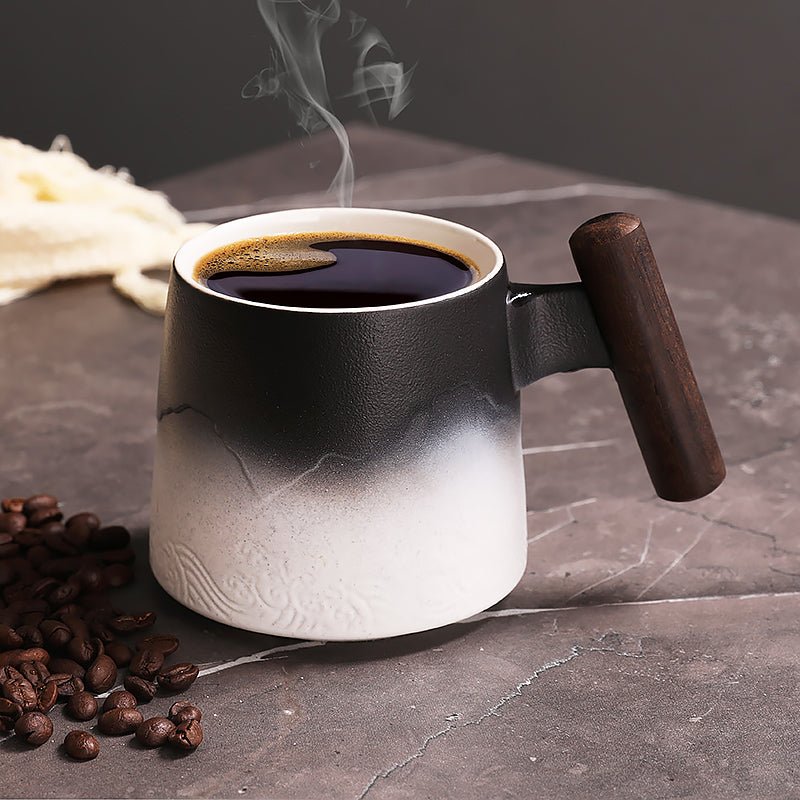
Syracuse China Coffee Mugs: What Buyers Should Check Before Ordering
Syracuse China coffee mugs can be sturdy daily drivers or better left on a shelf. We cover what to inspect, which sizes work, and when a modern mug is the smarter buy.
Czytaj dalej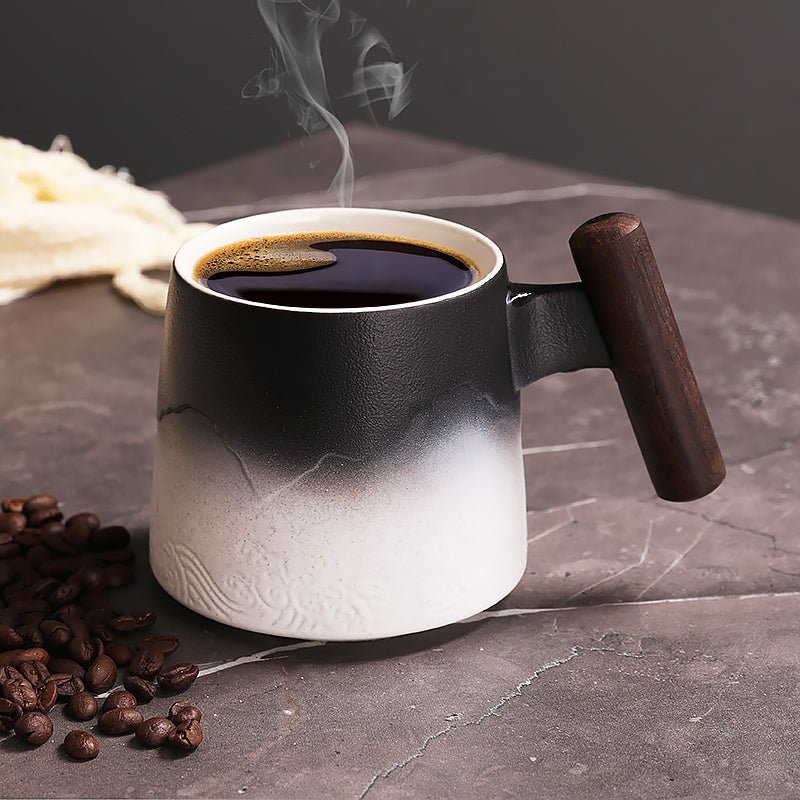
Diner Coffee Mug: What Buyers Should Check Before They Order
A diner coffee mug looks simple, but the right one depends on size, handle comfort, weight, and care. Here is what we check in our store before we recommend one.
Czytaj dalej
Zostaw komentarz
Ta strona jest chroniona przez hCaptcha i obowiązują na niej Polityka prywatności i Warunki korzystania z usługi serwisu hCaptcha.