
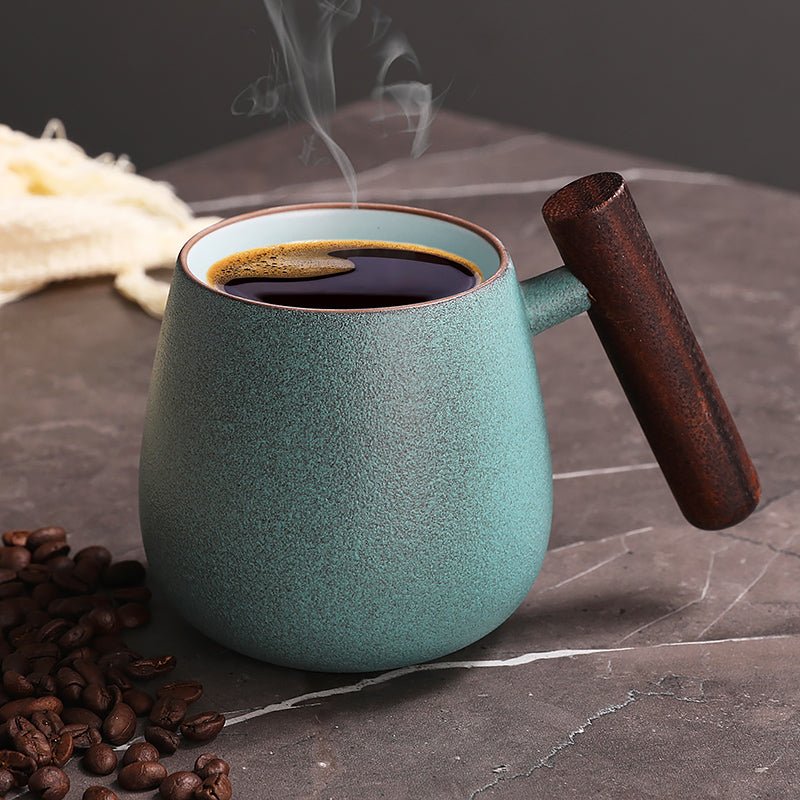
Traveling Coffee Mugs: How to Choose a Spill-Smart Everyday Mug
Reading time: about 10 minutes
The usual failure point is not the coffee itself. It is the lid that drips into a tote bag, the mug that feels awkward in a car cup holder, or the cup that is too hot to hold by the time you reach the office.
That is why we treat traveling coffee mugs as a category with trade-offs, not just a style choice. In our store, we look at how a mug behaves on a counter, in a car, and after repeated wash cycles before we recommend it for everyday carry.
If you want options that work for commuting, desk use, and short trips, start with our full mug collection. For shoppers who want a specific design with a coffee-and-tea crossover use, the Mountain Sea Coffee Tea Mug, Spittoon Coffee Tea Mug, and Planet Coffee Tea Mug are good places to compare style, handle feel, and daily practicality.
What makes a mug work for travel instead of just sitting on a desk?
A true traveling coffee mug has to do more than look good. It should be easy to grip, stable in hand, and forgiving if your morning starts moving before you finish the cup.
In practice, we look for five things:
- Grip security: A handle or body shape that stays steady with one hand, even when you are carrying a phone or bag in the other.
- Stability: A base that does not wobble easily on a car console, office desk, or kitchen counter.
- Drink comfort: A lip and opening that feel natural for sipping, not sharp or awkward.
- Cleanup: A shape that rinses clean without leaving coffee residue in corners.
- Carry behavior: A lid or covered top if you plan to move between rooms, floors, or transit stops.
That last point matters. A lot of people search for traveling coffee mugs but actually need a mug for short moves: kitchen to desk, desk to meeting room, or home to car. That is a different use case from a sealed commuter tumbler built to ride in a backpack all day.
If you are comparing everyday capacity as part of that decision, our size guides for 12 ounce coffee mugs and 16 ounce ceramic coffee mugs help you decide how much coffee you actually want to carry before the mug starts feeling bulky.
Which material is best for traveling coffee mugs?
Material drives the feel of the mug more than most buyers expect. It changes the weight, the heat retention, and the kind of travel the mug can realistically handle.
| Material | What it does well | Where it falls short |
|---|---|---|
| Ceramic | Neutral taste, comfortable sip, good for desk and short carry use | Heavier, more fragile, less forgiving if dropped |
| Stainless steel | Better impact resistance and usually stronger insulation | Can change taste perception for some drinkers and may feel less like a mug |
| Glass | Clean taste and visual appeal | Not a great choice for frequent transport or rough handling |
For most shoppers, ceramic is the sweet spot if the mug is moving from kitchen to office rather than being tossed into a bag all day. It is a better fit for people who want a traditional mug feel and do not want their coffee to taste like metal. The downside is obvious: ceramic is not the best choice for long hikes, crowded backpacks, or commutes where drops happen.
That is why we are careful about expectations. A ceramic mug can be an excellent traveling coffee mug for a desk job, a short drive, or a train ride. It is not the right answer if you need maximum insulation and full spill protection.
How important is the lid, and what should you inspect before buying?
For travel use, the lid is usually the first part to fail. Not because the mug looks bad, but because the lid does not match the way the cup moves in real life.
We recommend checking these details before you buy:
- Seal quality: A lid should sit evenly without obvious gaps at the edge.
- Drink opening size: A wide sip opening is easier to use, but it can splash more if you walk fast.
- Cleaning access: The lid should come apart or rinse clean without trapping coffee around seams.
- Heat release: Some lids hold too much steam, which can make the first sip too hot.
- Fit consistency: If the lid only seals when pushed in a certain direction, it is more likely to leak later.
In our experience, the most common complaint about travel-style mugs is not that they break immediately. It is that they slowly become annoying: a lid that starts dribbling, a mouthpiece that collects residue, or a threading problem that makes tightening inconsistent. Those are the defects that turn a useful mug into a drawer item.
If you want a mug that is pleasant for office use and occasional carrying, the Mountain Sea Coffee Tea Mug and the Planet Coffee Tea Mug are worth comparing for shape and daily handling. If your priority is visual personality for gift-giving or a desk setup, the Spittoon Coffee Tea Mug gives you another angle to weigh against more standard commuter mugs.
What size works best for a commute without feeling bulky?
For travel use, bigger is not automatically better. A mug that holds too much coffee can be heavier, harder to balance, and more likely to spill if you are moving quickly.
We usually narrow it down this way:
- Smaller mugs: Better for espresso-based drinks, short drives, and people who want the coffee finished before it cools.
- Mid-size mugs: The most practical choice for office desks, school runs, and short commutes.
- Larger mugs: Useful if you sip slowly, but they can feel bulky in a handbag, car holder, or crowded desk.
For many buyers, the right answer is not the biggest mug available. It is the mug that matches the amount they actually drink in one sitting. That is also why we keep pointing shoppers to size-focused guides like 12 oz coffee mugs: how to choose the right mug for daily use and 14 ounce coffee mugs: size, fit, and buying guide. The wrong size is usually felt before it is noticed.
One practical note from handling mugs in our own store: oversized mugs are often the first to get left behind because they take up too much space. If a mug does not fit your cup holder, laptop bag, or dish rack comfortably, it becomes an occasional-use item instead of an everyday carry.
Which traveling coffee mugs are best for office, car, or gift use?
The best choice depends on the real setting, not just the product photo.
For office desks: choose a mug that feels stable, looks good on a workspace, and is easy to rinse between refills. A ceramic mug makes sense here because it feels natural during long desk sessions and does not overemphasize insulation you may not need.
For car commutes: prioritize a mug that is easy to grip with one hand and less likely to tip. A lid matters more here than visual detail. If the mug is too wide or too tall, it becomes inconvenient fast.
For gifting: design matters almost as much as function. A mug with an interesting finish or shape feels more deliberate than a plain commuter cup, especially when the recipient drinks tea as often as coffee.
That is why we like showing customers multiple options in the same category. The collection page lets you compare styles side by side instead of locking into the first mug you see. If the buyer cares about the look as much as the carry experience, that extra comparison step usually pays off.
Our rule is simple: if the mug will live mostly on a desk, buy for comfort and taste. If it will ride in a bag or car every day, buy for lid quality and spill control first.
How should you clean and maintain a travel mug so it lasts?
A travel mug stays useful only if it stays clean. Coffee residue, tea tannins, and milk film build up faster than most people expect, especially around lids and seams.
We recommend a simple routine:
- Rinse the mug soon after use so oils do not dry onto the surface.
- Wash the lid separately if it has moving parts or tight channels.
- Check for staining around the drinking edge and gasket areas.
- Let the mug dry fully before storing it with the lid on.
- Avoid using rough scrubbers on printed or glazed surfaces unless the finish can handle it.
Common problems we see are not dramatic. They are practical: lingering coffee smell, a lid that holds moisture, and residue in the drink opening. If a mug is hard to clean by hand, most people stop using it regularly. That is why ease of cleaning should be part of the buying decision, not an afterthought.
Ceramic mugs are especially easy to keep pleasant if the glaze is smooth and the shape is simple. If the interior has narrow corners or the lid has hidden pockets, expect more maintenance.
What should you buy if you want a travel-friendly mug that still feels like a real mug?
If your goal is not a hard-core leakproof tumbler but a mug that moves well through a normal day, focus on the balance between comfort and carryability.
That usually means:
- A shape you can hold comfortably with one hand
- A size that matches one sitting, not half your daily caffeine intake
- A lid only if you truly need it for movement
- A material that fits your handling habits, not just your aesthetic preference
That is the balance we try to sell in our own store. Some buyers need a rugged commuter container. Others want something that feels like a mug but survives the kitchen-to-car-to-office routine. Those are not the same product.
If you are leaning toward a more traditional mug with travel-friendly use in mind, compare the Mountain Sea Coffee Tea Mug, Spittoon Coffee Tea Mug, and Planet Coffee Tea Mug against the rest of our mug collection. That makes it easier to decide whether you want a true travel-first mug or a comfortable everyday mug that can handle short trips.
Frequently asked questions
Are traveling coffee mugs supposed to be leakproof?
Not always. Some are designed for short carry and splash resistance, while others are built to be fully sealed for bag use. If you need true leak protection, look closely at the lid design rather than assuming every travel-style mug will stay sealed.
Is ceramic good for traveling coffee mugs?
Ceramic is good for short commutes, desk use, and people who want a normal mug feel. It is not the best choice for rough transport, heavy backpacks, or situations where drops are likely. The main trade-off is comfort versus durability.
What size is best for a commuting coffee mug?
A mid-size mug is usually the easiest to live with because it is large enough for a real drink but not so big that it feels awkward in the hand. If you only drink a small amount on the way to work, a smaller mug is often the better choice.
How do I keep a travel mug from tasting like old coffee?
Rinse it right after use, wash the lid separately, and let both parts dry fully before storing. Residue usually builds up around seals, threads, and the drink opening, so those areas need the most attention.
What should I buy if I want a travel mug for both coffee and tea?
Choose a mug with a neutral interior, a comfortable sip edge, and a shape that cleans easily. If you switch between coffee and tea often, avoid designs that trap flavor in seams or tight lid channels.
If you want the fastest next step, compare the mug shape, lid fit, and size you actually carry most days, then browse our full collection to narrow down the style that matches your routine.
Read more
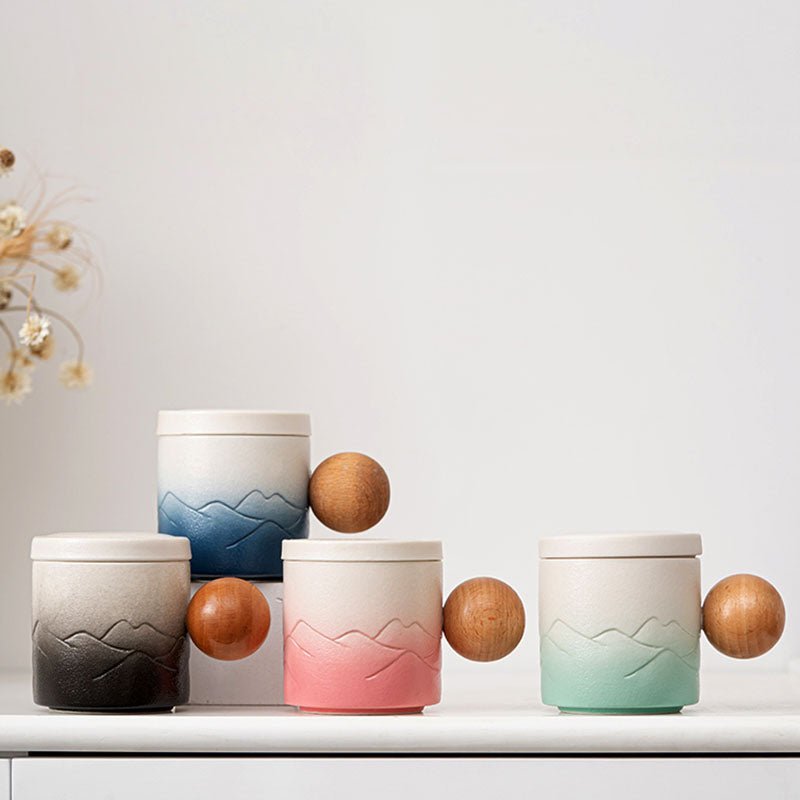
Coffee Big Mug Buying Guide for Daily Use and Comfort
A practical guide to choosing a coffee big mug that fits your routine, your counter space, and how you actually drink coffee. We cover size, handle comfort, materials, care, and the trade-offs that...
Czytaj dalej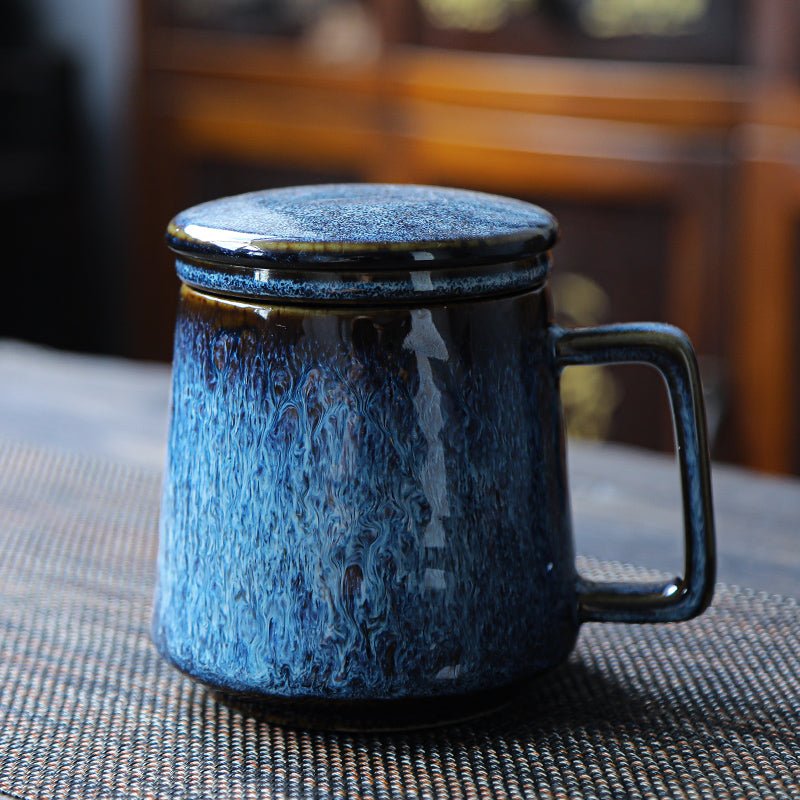
Plain Coffee Mugs: How to Choose the Right Everyday Mug
Plain coffee mugs are the easiest mugs to live with, but only if the shape, weight, and finish fit the way you actually drink. Here’s how we help shoppers compare everyday options without ending up...
Czytaj dalej
Zostaw komentarz
Ta strona jest chroniona przez hCaptcha i obowiązują na niej Polityka prywatności i Warunki korzystania z usługi serwisu hCaptcha.