
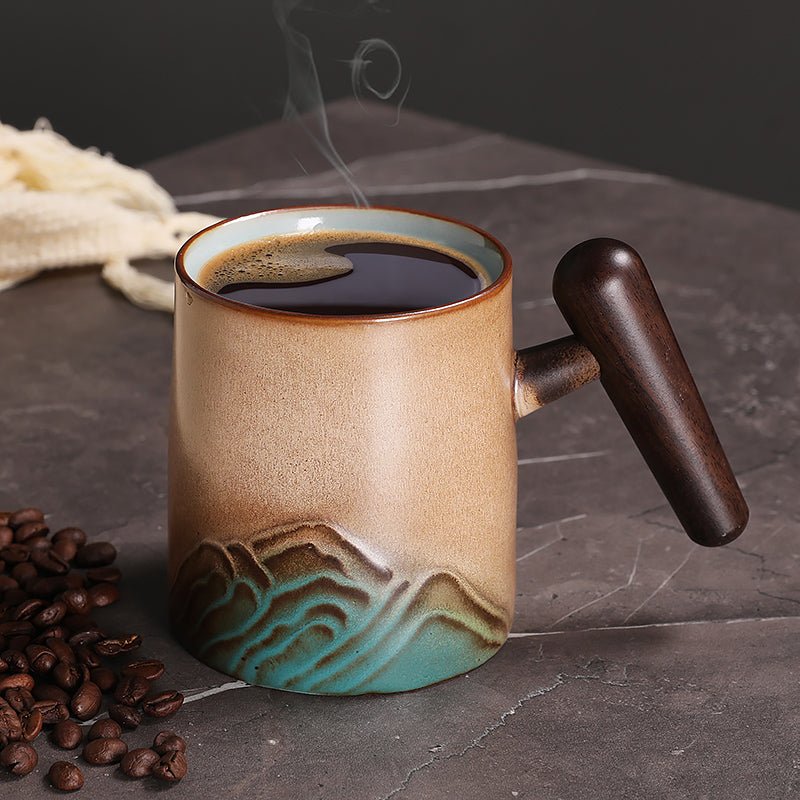
Thyme and Table Coffee Mugs: What to Check Before You Buy
Reading time: about 9 minutes
The fastest way to regret a mug purchase is to pick it by the pattern alone. A mug can look great on a shelf and still feel awkward at 7 a.m. if the handle is tight, the lip is too thick, or the cup is deeper than your coffee maker likes.
That is why we treat thyme and table coffee mugs as a practical buy, not just a decorative one. If you are comparing styles for everyday coffee, tea, office use, or gifting, the real question is how the mug feels in your hand, how it fits your machine, and how it holds up after repeated wash cycles. In our store, we see shoppers make the best choice when they compare shape, capacity, and care instead of stopping at the first attractive design.
If you want to browse the broader selection first, start with our all mugs collection. If you already know you want a distinct everyday cup, three useful comparison points in our lineup are the Spittoon Coffee Tea Mug, the Planet Coffee Tea Mug, and the Rhombus Coffee Tea Mug.
What should you check first on thyme and table coffee mugs?
Start with the parts of the mug that affect daily use: volume, handle shape, rim comfort, base stability, and care. A mug that feels good for a five-minute kitchen coffee can still be annoying at a desk if it is top-heavy or has a handle that leaves too little room for two fingers.
Here is how we advise shoppers to compare any thyme and table coffee mugs-style purchase before clicking buy:
- Capacity: Make sure the size matches your drink habit. A mug that works for black coffee may overflow once you add milk, foam, or tea.
- Handle clearance: A comfortable handle matters more than most people expect, especially if you use larger fingers or sip while standing at the sink.
- Rim thickness: Thicker rims usually feel sturdier, but a thinner lip often feels nicer for slow sipping.
- Base and balance: A flat, stable base reduces the chance of a wobble on a crowded countertop or desk.
- Finish and care: Check whether the mug is meant for regular dishwasher use and whether the finish shows scratches, glaze marks, or mineral spots more easily.
That last point matters. In real kitchens, mugs get stacked, tapped against sinks, loaded into dishwashers, and sometimes left overnight with coffee residue. A pretty mug that only looks good under perfect conditions is not much use for daily routines.
Which mug shape works best for coffee, tea, or desk use?
Shape changes the experience more than many buyers expect. A wider cup can cool faster and feel better for tea or a cappuccino. A taller profile can work better for coffee with milk, but it may feel less stable in a compact cabinet.
For shoppers who want a more distinctive look, we often suggest comparing the shapes in our own catalog rather than assuming all mugs behave the same. The Spittoon Coffee Tea Mug has a different visual profile than the Rhombus Coffee Tea Mug, and that matters if you care about how the mug sits in your hand or how it fits under a cabinet shelf. The Planet Coffee Tea Mug is another useful reference point if you want something that reads a little more decorative without giving up everyday function.
In our experience, buyers usually land in one of three groups:
- Morning coffee drinkers: Want a mug that is stable, easy to hold, and large enough for a standard pour with room left for milk.
- Tea drinkers: Often prefer a shape that does not trap heat too aggressively and feels comfortable during slower sipping.
- Desk users: Need a mug that is balanced, not too wide for a crowded workspace, and easy to place beside a laptop without feeling bulky.
If you are comparing mug sizes as well as shape, our guides on 12 ounce coffee mugs and 14 ounce coffee mugs are useful because they explain what that extra capacity actually means on a real kitchen counter, not just on a spec sheet.
What materials and finishes are most practical for everyday use?
Most shoppers looking at thyme and table coffee mugs are really deciding between style and durability. Ceramic remains the most common everyday choice because it feels solid, holds heat reasonably well, and is easy to match with most kitchens. The trade-off is that ceramic can chip if it is knocked against a sink, metal rack, or another heavy mug.
We also pay close attention to glaze. A smooth glaze is easier to keep clean, but a highly glossy surface may show fingerprinting or water spotting more quickly. Matte finishes can look elegant, yet they may show utensil marks or residue in a different way. Neither finish is automatically better. The right one depends on how you use the mug and how much perfection you expect from a daily cup.
Three concrete details we always tell shoppers to watch for:
- Rim finish: Check for a smooth, even lip. Any rough spot is something you will notice every morning.
- Handle join: The handle should look secure where it meets the body of the mug. That joint takes stress every day.
- Interior glaze: A fully glazed interior is easier to rinse clean after coffee, tea, or milk drinks.
For people who prefer a simpler buying checklist on size and fit, our posts on 10 oz coffee mugs and 15 oz coffee mugs can help you narrow down whether you want something compact, standard, or a little roomier for milk and foam.
How do these mugs hold up in real kitchen and office use?
This is where a mug either earns a permanent place in the cabinet or gets pushed to the back. A daily-use mug has to survive repeated dishwasher cycles, hot liquid, quick rinses, and occasional bumps from spoons, counters, or sinks. That is the real test, not how it looks in a product photo.
In our store, we see the same failure modes come up again and again with lower-quality mugs:
- Hairline chips at the rim after one hard tap against a sink or another mug.
- Handle discomfort when the grip area is too small for a normal hold.
- Glaze wear that makes the surface look tired sooner than expected.
- Stability issues when the base is narrow and the mug feels tippy on a desk.
That does not mean a decorative mug cannot be used every day. It means you should decide whether you want a display piece or a workhorse. A more decorative profile can be a great gift and a nice countertop accent, but it is not always the best choice for someone who throws everything into the dishwasher and wants zero fuss.
Our experience selling mugs is simple: the customers who stay happiest are the ones who buy for their routine, not for the first photo they liked.
Which thyme and table coffee mugs style should you choose if you want a gift?
Gift shoppers want two things at once: something personal and something easy to use. That is a harder balance than it sounds. A mug that is too unusual can become a shelf object. A mug that is too plain can feel forgettable.
For a gift, we usually recommend picking a shape that has a clear personality but still works for everyday coffee or tea. The Planet Coffee Tea Mug is a good example of a mug that feels more design-forward. The Rhombus Coffee Tea Mug is a stronger fit if the recipient likes geometric details and modern tableware. If the person is more practical and wants a straightforward daily cup, the Spittoon Coffee Tea Mug may be the better match.
For gift buying, we tell customers to check these three things before they decide:
- Does it suit their routine? If they drink coffee at a desk, a stable mug beats an artistic one that is hard to place beside a keyboard.
- Is it easy to clean? People rarely want a gift that needs special treatment.
- Will it still feel useful after the novelty wears off? That is the true test of a good mug gift.
If you are choosing a present for someone who already cares about mug size, our guide to 12 oz coffee mugs is a practical companion piece because it helps you choose a capacity that feels familiar instead of oversized.
What are the main trade-offs before you buy?
Every mug choice involves a trade-off. The best purchase is usually the one that matches your habits, not the one with the most features.
| Buying factor | What you gain | What you give up |
|---|---|---|
| Decorative shape | More personality on the shelf and at the table | Can be less stackable or slightly less comfortable to hold |
| Larger capacity | Room for milk, tea, or a longer coffee pour | May feel bulky, heavier, or harder to store |
| Simple profile | Easy daily use and better cabinet fit | Less visual impact for gifting or display |
| Glossy finish | Easy to wipe down and visually clean | May show water spots or fingerprints more easily |
The biggest limitation to keep in mind: thyme and table coffee mugs may not be the best pick if you want a very large travel-style drink, insulated performance, or a mug that has no risk of chipping in a rough kitchen. For that kind of use, a handled tumbler or insulated cup would be a better fit. Mugs are best when you want comfort, table presence, and a familiar drinking experience.
If you want to compare this style of mug against other everyday options first, our broader collection is the easiest place to start: shop all mugs here.
Frequently asked questions
Are thyme and table coffee mugs good for daily coffee use?
Yes, if the size and handle fit your routine. A daily mug should feel balanced in the hand, have a comfortable rim, and be easy to wash after repeated use. If you drink coffee quickly at a desk, choose a shape that is stable and not overly decorative.
What size thyme and table coffee mug is best for milk drinks?
A mid-to-larger mug usually works better for milk drinks because you need room for espresso, milk, and foam without spilling. If you like lattes or cappuccino-style drinks, compare capacities carefully before buying. Our size guides on 12 oz and 14 oz mugs are a useful starting point.
Do these mugs need special care?
Most everyday ceramic mugs do best with normal hand washing or dishwasher use if the finish supports it. Avoid sudden temperature shock, like moving a very cold mug straight into boiling liquid. That kind of stress can contribute to cracking over time.
Which mug shape is better for gifting, the Planet or the Rhombus?
If you want a softer, more decorative feel, the Planet Coffee Tea Mug is a strong option. If the recipient likes modern lines and a more geometric look, the Rhombus Coffee Tea Mug is the better fit. Both work best when you are matching the mug to the person’s style, not just their beverage.
What should I avoid if I want a mug that lasts?
Avoid mugs with rough rim edges, wobbly bases, or handles that feel too narrow for your grip. Those small issues usually show up fast in real use. A mug can look fine in photos and still be annoying every morning.
If you are ready to narrow it down, start with the three product pages above, then compare them against our full mug collection. If you still want help choosing by capacity, pair that with our 10 oz, 12 oz, 14 oz, and 15 oz buying guides before you check out.
Read more
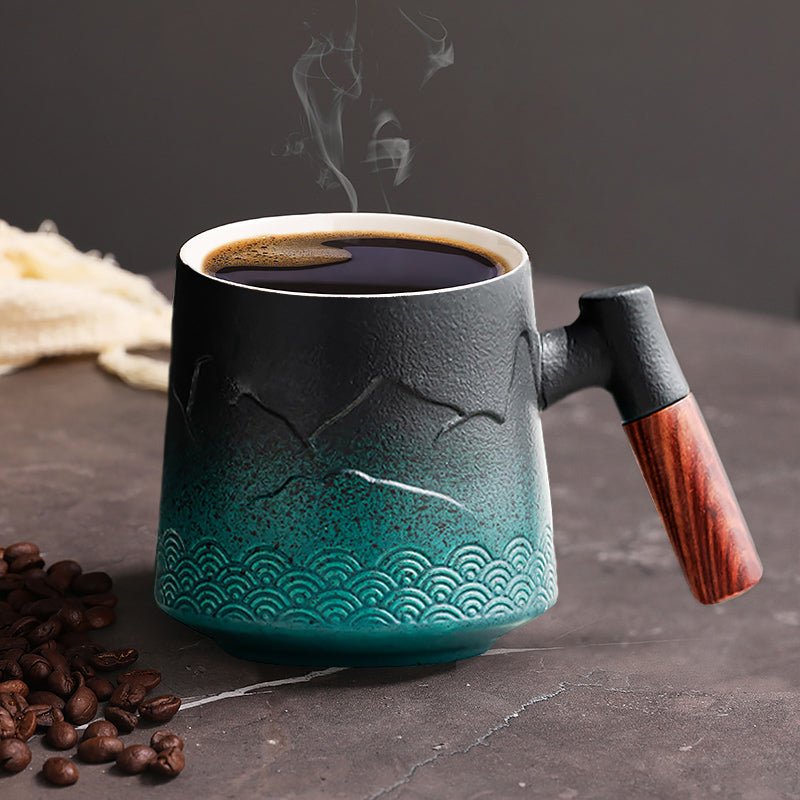
No Handle Coffee Mugs: What to Buy and What to Avoid
No handle coffee mugs look clean, but the real test is how they feel with hot coffee, tea, and everyday desk use. We break down the trade-offs and show the wooden-handle options we recommend when g...
Czytaj dalej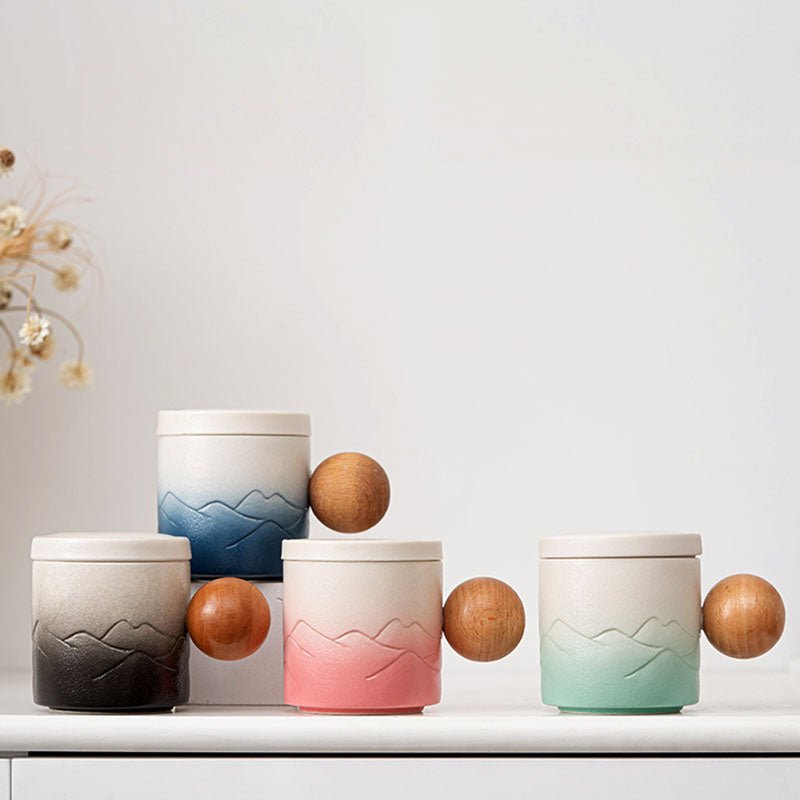
Paris France Coffee Mugs: How to Choose a Gift That Feels Local
A practical guide to choosing paris france coffee mugs that look good on a shelf, hold up in daily use, and make sense as a gift. We cover size, materials, care, and which styles are worth buying.
Czytaj dalej
Zostaw komentarz
Ta strona jest chroniona przez hCaptcha i obowiązują na niej Polityka prywatności i Warunki korzystania z usługi serwisu hCaptcha.