
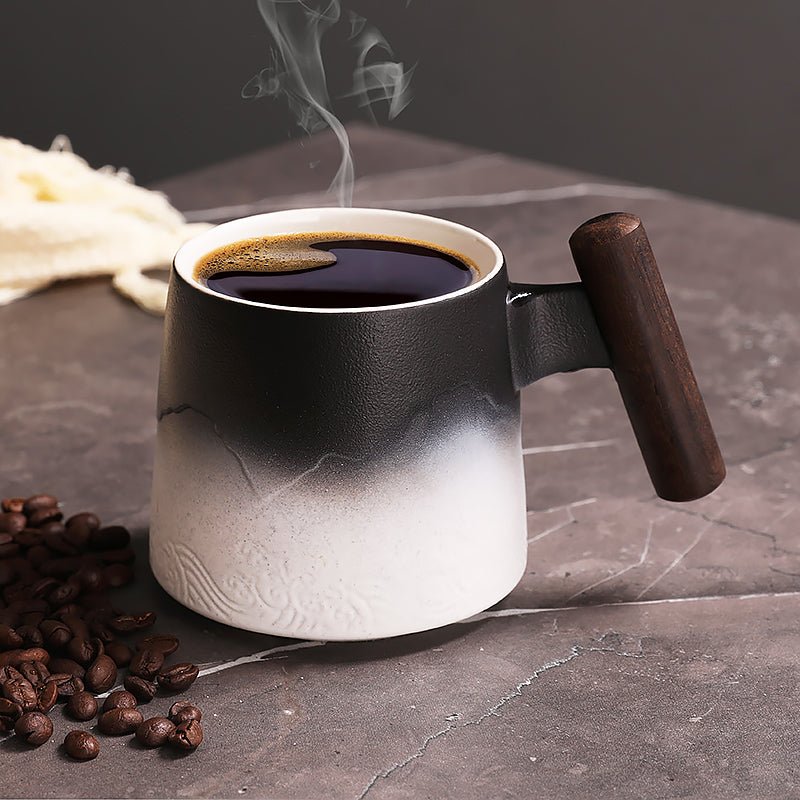
Textured Coffee Mugs: How to Choose One That Actually Feels Better
Reading time: about 9 minutes
A mug that slips in your hand before the second sip usually gets retired to the back of the cabinet. That is the main reason shoppers keep looking at textured coffee mugs: the surface feels steadier, the shape feels more intentional, and the cup often looks better on a desk than a plain cylinder.
In our store, we see three kinds of buyers reach for textured mugs. Some want a better grip for early mornings. Some want a mug that looks a little more finished than standard white stoneware. Others are buying a gift and want the unboxing to feel deliberate. The trick is choosing texture that helps daily use instead of getting in the way of it.
Why do textured coffee mugs feel different in daily use?
Texture changes how a mug sits in the hand. Raised ridges, a sculpted wall, or a shaped handle can give your fingers something to register before the cup warms up fully. That is useful on a kitchen counter when you are carrying the mug one-handed, but it also matters on an office desk when you are reaching around a keyboard, notebook, or laptop.
There are real trade-offs. A heavily textured exterior can hide fingerprints and light scuffs better than a glossy smooth mug, but it can also collect coffee oils or soap residue in small grooves if the design is too deep. If you like an ultra-thin rim and the lightest possible cup, a heavily textured mug is usually not the best fit. A smoother mug may be easier to rinse and stack, especially if you keep several cups nested in a small cabinet.
We think of texture as a comfort feature first and a style choice second. If the surface helps you hold the mug securely without squeezing, it is doing useful work. If the texture exists only to look decorative, it is worth asking whether the handle, rim, and base still feel right in everyday use.
Which texture styles are worth paying attention to?
Not all texture is the same. Some mugs feel tactile because of their shape, while others rely on surface detail. The style changes both how the mug handles and how easy it is to care for.
| Texture style | What it does well | What to watch for |
|---|---|---|
| Ribbed or fluted sides | Adds grip and gives the mug a cleaner, architectural look | Deep grooves can hold residue near the base and around the rim |
| Soft matte texture | Feels calm in hand and hides fingerprints better than high gloss | Matte finishes can show wear if they are scrubbed aggressively |
| Sculpted handle | Improves finger placement and makes the mug easier to lift | A handle that looks stylish on the shelf can still pinch if the opening is too narrow |
| Gradient or mixed finish | Creates visual depth without relying on heavy surface texture | Color variation should not come at the expense of a slippery body or rough foot ring |
If you want to see how those ideas translate into actual products, start with The Gradient Coffee Tea Mug for a modern look, Retro Coffee Tea Cup for a more nostalgic profile, and Ball Handled Coffee Tea Mug if handle shape is a top priority. To compare the full range, browse our collection.
Which textured mug fits your routine best?
The right mug depends on where it will be used. A mug for a kitchen counter does not need the same profile as a mug that lives at a workbench or beside a laptop. We usually narrow it down by routine first, then by style.
- For desk coffee: choose a mug with a stable base and a handle that leaves enough room for two or three fingers without scraping the side.
- For a gift: choose a mug with obvious visual character. Gradient finishes and retro shapes usually read better out of the box than plain utility mugs.
- For daily black coffee: choose a mug with a smoother interior and a texture that is not so deep that it catches every drip.
- For tea or longer drinks: look for a shape that feels balanced when the mug is partially full, not just at the brim.
If you are still deciding on capacity, our guides to 10 oz Coffee Mugs: How to Choose the Right One for Daily Use, 12 oz Coffee Mugs: How to Choose the Right Mug for Daily Use, and 16 Ounce Coffee Mugs: Size, Materials, and Fit Guide are useful comparisons before you commit to a shape.
That size check matters because texture can make a mug feel larger or smaller than the stated capacity. A thick wall, wide handle, or bulky base changes the hand feel even when the volume is the same. We see shoppers notice that difference the first time they lift the mug from a shelf or try to fit it under a low cabinet.
What should you check before buying textured coffee mugs?
We look at a few concrete details every time we evaluate this category. These are the spots where a mug either feels easy to use or starts creating small annoyances after a week.
- Handle clearance: Check whether your fingers can pass through without rubbing the body of the mug. A handle that looks elegant on the page can still feel cramped in person.
- Rim comfort: A thinner rim usually feels lighter on the lip, while a thicker rim can feel sturdier and hold heat longer. The wrong rim can make a mug feel clumsy even if the exterior looks great.
- Base stability: A wider foot ring or flat base is helpful on slick kitchen counters and office desks. If the mug rocks, you will notice it every time you set it down.
- Texture depth: Shallow texture is easier to clean. Deep ribbing, pebbled surfaces, or heavy sculpting can trap coffee oils, especially around the handle join and lower body.
- Finish consistency: Look for smooth glazing at high-contact spots such as the rim, handle, and foot ring. Rough patches are a sign the mug may not feel finished when you hold it.
These are also the areas where common defect modes show up: pinholes in glaze, a rough foot ring, tiny bumps at the handle joint, or texture that is more abrasive than expected. None of those automatically make a mug unusable, but they do change the daily experience. A mug that feels good in the hand should still feel good after the tenth wash.
In our experience, the mugs people keep reaching for are the ones that balance grip with a surface that does not turn cleaning into a chore.
How do you keep texture looking good after dishwashing?
Care is where texture can help or hurt. A smooth mug usually tolerates faster cleaning, while a textured one benefits from a slower, more deliberate wash. If the product page lists dishwasher instructions, follow them. If it does not, treat the mug like a finished ceramic piece and avoid aggressive scrubbing until you know how the glaze behaves.
For everyday care, we recommend a soft sponge, mild soap, and a quick pass around the underside of the handle and the base where residue tends to settle. If the mug has ribbing or a matte finish, avoid abrasive pads that can dull the surface over time. If you let mugs air-dry upside down, make sure the rim and foot ring are both clean so trapped moisture does not leave a mark.
Textured mugs are not the best choice if your main priority is the fastest possible cleanup. If you want something you can rinse once and stack immediately, a plain smooth mug is usually better. If you want the cup to feel more secure in hand and you do not mind spending an extra few seconds washing around the details, texture is worth it.
Are textured coffee mugs a good gift?
Yes, if the person likes practical objects with a little visual character. A textured mug can feel more personal than a standard cup because it looks chosen rather than grabbed from the nearest shelf. That matters when you are giving a housewarming gift, an office gift, or something small that still needs to feel considered.
The best gift picks usually have two things in common: a shape that looks good from a distance and a handle that feels comfortable the first time it is lifted. That is why a style like the Gradient Coffee Tea Mug can work well for someone who likes clean lines, while the Retro Coffee Tea Cup suits a buyer who prefers a warmer, more vintage look.
Texture is not ideal for everyone. If the recipient prefers a very light mug, stacks cups tightly in a small cabinet, or dislikes any surface variation at all, a smooth cup may be the safer buy. A gift should feel useful, not just decorative.
Frequently asked questions
Are textured coffee mugs harder to clean?
They can be, depending on how deep the texture is. Shallow texture and smooth glazing are easy to wash, but ribbed or heavily sculpted surfaces may hold coffee oils near grooves, the handle join, or the foot ring. A soft sponge and mild soap usually handle most daily buildup.
Do textured coffee mugs scratch easily?
The texture itself does not usually scratch easily, but the finish can show wear if it is scrubbed with abrasive pads or stacked against rough ceramic edges. Matte surfaces and raised details tend to show that wear sooner than a smooth glossy mug. We recommend treating them as finished ceramics, not as something to scour aggressively.
Which textured coffee mug is best for the office?
Look for a stable base, a comfortable handle, and texture that does not catch on papers or sleeves. A mug that is too wide or too heavily ridged can be annoying on a crowded desk. A balanced shape like the ball-handled style is often easier to pick up one-handed.
Is texture better than a larger mug size?
They solve different problems. Texture improves grip and feel, while size determines how much you can pour and how the mug sits in the hand when full. If you need help deciding on capacity first, size guides such as our 10 oz and 12 oz articles are a better starting point than texture alone.
What is the biggest mistake people make when buying textured mugs?
Choosing the look before checking the handle and rim. A mug can photograph well and still be awkward if the grip is tight or the rim feels heavy. We always tell shoppers to think about the first lift, the first sip, and the first wash, not just the shelf appeal.
Which textured mug should you choose first?
If you want the shortest path to a good buy, use this checklist:
- Choose the shape that feels secure in your hand before you look at color.
- Prefer shallower texture if you want easier washing and less residue buildup.
- Choose a wider, flatter base if the mug will live on a desk or a slick counter.
- Pick a handle with enough clearance for your fingers without pinching.
- Use style as the tiebreaker, not the starting point.
If you want to compare current options in one place, start with our collection and compare the Gradient, Retro, and Ball Handled styles against the checklist above. That is usually the fastest way to find a textured mug that looks good and still works on an ordinary morning.
Read more
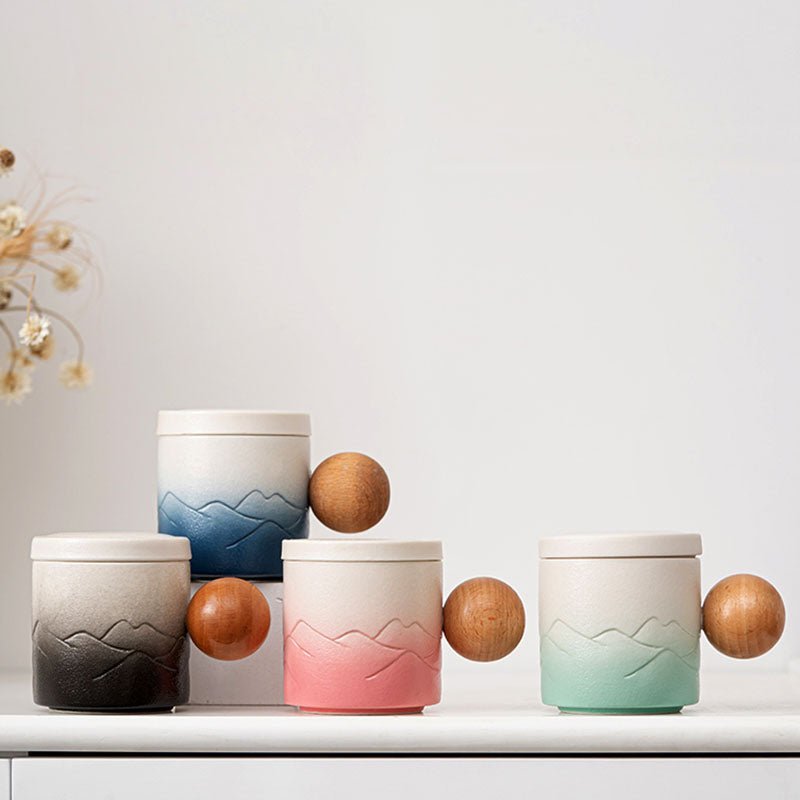
Holiday Coffee Mugs: What to Buy for Gifts and Daily Use
Holiday coffee mugs should do more than look seasonal. We compare shapes, sizes, care details, and real trade-offs so you can choose a mug that still gets used after the decorations come down.
Czytaj dalej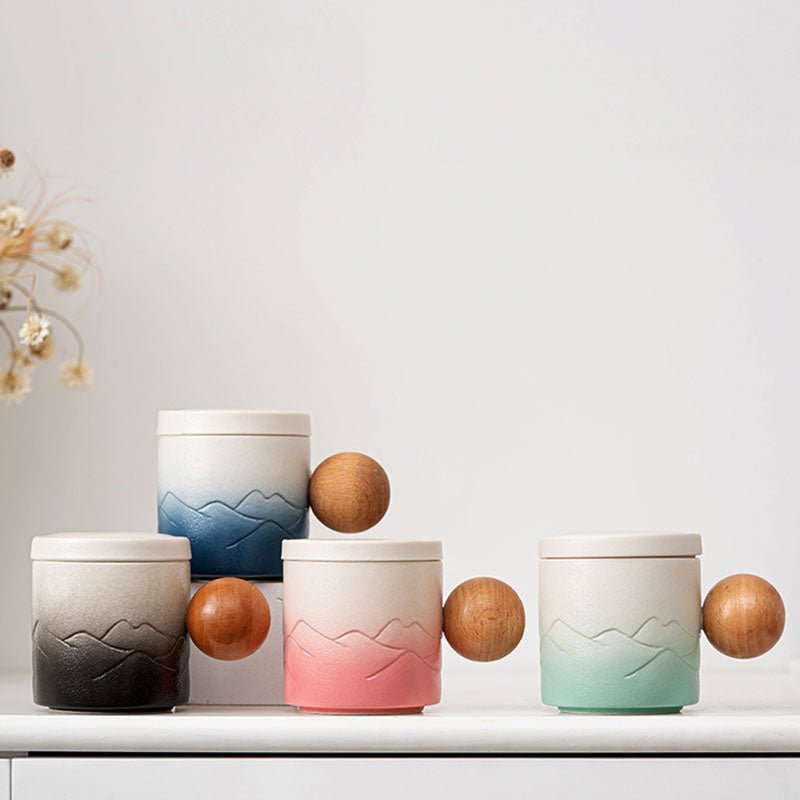
Coffee Red Mug Buying Guide for Everyday Use and Gifting
A coffee red mug should feel stable in the hand, rinse clean, and still look good on a desk after real use. We compare three CoffeifyMug styles, the details to check, and which one fits daily coffe...
Czytaj dalej
Zostaw komentarz
Ta strona jest chroniona przez hCaptcha i obowiązują na niej Polityka prywatności i Warunki korzystania z usługi serwisu hCaptcha.