
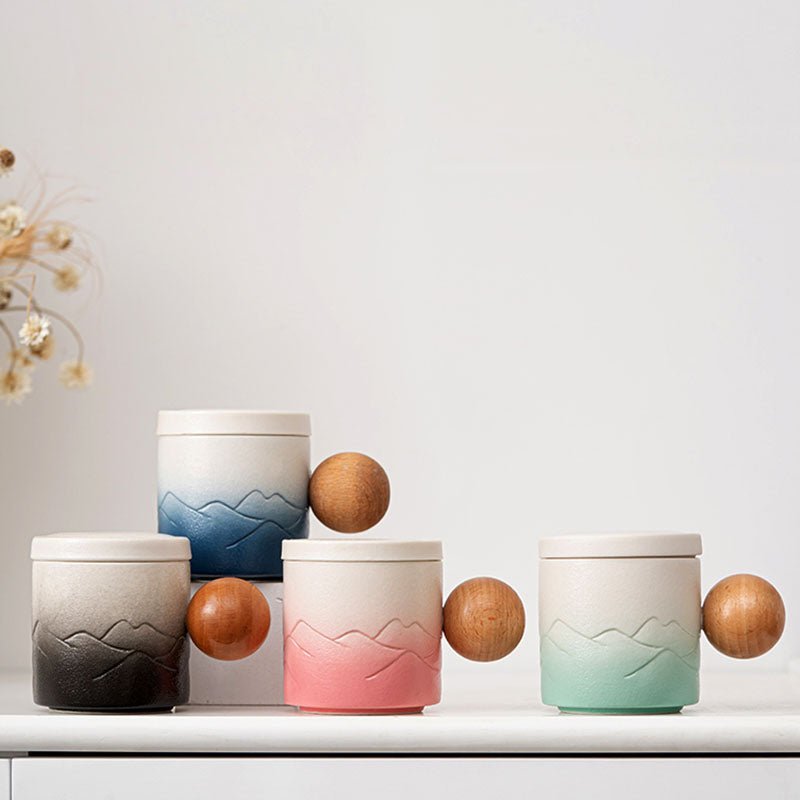
Tea in a Big Mug: What to Look For Before You Buy
Reading time: about 10 minutes
A mug that feels perfect for coffee can feel awkward for tea. The first thing we notice in the store is usually simple: once the cup gets too tall, too heavy, or too wide at the rim, tea drinkers start drinking less comfortably even if the mug looks great on the shelf.
That is the real question behind buying tea in a big mug. You are not just choosing a larger cup. You are choosing how hot the tea stays, how easy the handle feels with one hand, and whether the mug still works on a desk, in the kitchen, or in the dishwasher every day. If you are comparing options, start with our The Rock Coffee Tea Mug and browse the rest of our mug range in the full collection.
We see this category up close, and the best large tea mug is rarely the flashiest one. It is the one that survives ordinary use: hot water poured straight in, a tea bag hooked over the rim, a quick rinse between refills, and a dishwasher cycle at the end of the day without the glaze looking tired or the handle feeling loose and awkward. That is the standard we use in our store.
What makes tea in a big mug feel better than tea in a standard cup?
The main advantage is straightforward: more volume gives you room for a fuller pour, milk if you use it, and leaves or a tea bag without the cup feeling crowded. A larger mug also tends to cool a little more slowly than a thin, shallow cup, which matters if you sip over 20 to 40 minutes at a desk.
There is a trade-off. A bigger mug can get heavy fast, especially once filled near the top. That matters if your hands are smaller, if you prefer to lift from the middle of the handle, or if you drink tea while standing and moving around the kitchen. A mug that is technically large but badly balanced becomes annoying very quickly.
For most shoppers, the best balance comes from three things:
- A comfortable handle with enough clearance for fingers, not just a decorative loop.
- A wall thickness that feels substantial without making the mug clumsy.
- A shape that keeps the tea accessible near the rim instead of forcing you to tilt the mug too far.
If you want a deeper framework for those trade-offs, our guides Big Mugs for Tea: How to Choose the Right Large Mug and Big Tea Mug Buying Guide for Size, Comfort, and Daily Use cover the size and comfort side in more detail.
Which size works best for daily tea?
For daily tea, size should match how you actually drink, not just how much liquid sounds appealing. A mug that is too small leaves no room for milk or cream, while one that is oversized can make a single cup of tea feel diluted and awkward to hold.
Here is the practical way we look at it:
| Use case | What usually works | Why it matters |
|---|---|---|
| Morning tea at the desk | Medium-large mug with room for a full pour | Stays comfortable in one hand and reduces refill trips |
| Long work sessions | Big mug with a stable base and easy handle | Less spill risk when you set it down repeatedly |
| Loose-leaf tea | Larger opening or room for an infuser | Leaves need space to steep properly |
| Tea with milk | More capacity than a standard cup | Prevents overflow and keeps flavor balanced |
In our experience, many buyers regret choosing the biggest option available. They wanted a roomy tea mug, not a heavy vessel that takes both hands after the pour. If that sounds familiar, the better choice is often a medium-large mug with a balanced body rather than an oversized novelty shape.
For a broader comparison between everyday sizes and comfort, the article Big Tea Mugs: How to Choose the Right Large Mug for Daily Tea is a useful next read.
What materials and finishes should you look for?
For tea mugs, the most practical material choice is usually ceramic or stoneware. Both hold heat reasonably well, feel familiar in the hand, and are easier to live with than thin glass if you drink tea every day. A good ceramic mug should feel solid without sounding brittle when tapped lightly, and the glaze should cover the drinking surface evenly so it does not feel rough on the lip.
We pay attention to details shoppers often miss:
- Glaze consistency: uneven glaze around the rim can feel sharp or unfinished after repeated use.
- Handle attachment: the handle should look integrated, not like an afterthought, because that is where chips and stress show up first.
- Base stability: a mug with a flat, steady foot is less likely to wobble on a desk or drip onto a counter.
There are also limitations. A very thick mug can keep tea warm, but it can also feel bulky and slow to cool if you like drinking immediately. A very thin mug feels light, but it usually gives up heat faster and can feel less secure in daily use. If you prefer delicate tea service, a smaller cup or fine porcelain may suit you better than a big everyday mug.
We usually steer shoppers away from novelty shapes if they care about tea comfort. Those mugs may photograph well, but if the handle is cramped or the cup narrows too much at the base, they are less pleasant for repeated use. That is why we tend to recommend practical shapes first and decorative shapes second.
How do you know if a big mug is actually comfortable to hold?
Comfort is where a lot of big mugs fail. A mug can have a good capacity and still feel wrong the moment you lift it. The biggest warning signs are a handle that fits only two fingers, a body that forces your wrist inward, or a lip that feels too thick for easy sipping.
When we evaluate a mug, we check for a few everyday scenarios:
- Picking it up when full, not empty.
- Holding it while standing at the kitchen counter.
- Resting it on a desk next to a keyboard or notebook.
- Drinking the last few sips without tilting uncomfortably far back.
If the mug passes those checks, it is much more likely to work as a daily tea mug. If it only looks good in a product photo, the flaws usually appear on first use: a handle that rubs the knuckle, a rim that drinks hot, or a body that makes the mug feel top-heavy once filled.
That is why our own selection process favors mugs that feel stable, not just large. The right tea mug should disappear into the routine. It should not demand attention every time you pick it up.
What are the trade-offs of tea in a big mug?
A big mug is convenient, but it is not the answer for every tea drinker. The main upside is fewer refills and a more relaxed drinking pace. The main downside is that tea can lose temperature faster if the mug has a wide opening, and the mug itself can be too heavy for some people when filled to the top.
There are also tea-specific trade-offs:
- Delicate green teas can cool into an unbalanced cup if the mug is too large and open.
- Loose-leaf tea may need more room, but too much capacity can make a normal serving look undersized.
- Large mugs are less ideal for formal tea service or small, concentrated servings.
- If you drink tea all day in short bursts, a smaller cup may be easier to finish cleanly.
That does not make a big mug the wrong choice. It just means the mug should match the way you drink. If you are choosing a gift, this matters even more. A practical large mug is safer than a themed or oversized novelty piece because it fits more kitchens, offices, and routines.
For shoppers comparing giftable options and everyday desk mugs, our article Best Tea Mug: What to Buy for Daily Tea, Desk Use, and Gifts is worth reading before you decide.
How should you care for a large tea mug so it lasts?
The care routine matters more than people think. Tea leaves behind residue, especially on light-colored glaze and around the inner curve of the mug. If you use black tea, chai, or anything with spices, a quick rinse right after drinking helps prevent staining and keeps the glaze looking cleaner.
Our practical care advice is simple:
- Rinse after use if the mug will sit for a while.
- Wash with a non-abrasive sponge to protect the glaze.
- Avoid sudden temperature shocks, like pouring boiling water into a mug that is ice-cold from storage.
- Check the handle and rim occasionally for chips, since those are the first places daily wear shows up.
Dishwasher use is convenient, but repeated cycles can reveal weak points in lower-quality mugs: fading glaze sheen, roughened edges, or small chips where the mug bangs against other dishes. A well-made mug should handle normal dishwashing, but it is still smart to load it where it will not rattle against heavier plates or pans.
If you want a longer buying checklist centered on comfort and daily handling, the guide Tea in a Big Mug: What to Buy for Comfort, Heat, and Daily Use goes deeper into what makes a mug hold up over time.
Which mug should you buy if you want tea in a big mug every day?
If your goal is a daily tea mug, choose the mug that fits your routine first and your aesthetic second. Look for a stable base, a handle that fits your hand, and a shape that does not force you to overfill just to make it feel worthwhile. A good big mug should make tea easier, not more complicated.
Our advice is to narrow the choice with this short checklist:
- Do you want a mug that feels substantial or one that feels light in the hand?
- Will you drink at a desk, in the kitchen, or while moving around?
- Do you need room for milk, honey, or an infuser?
- Is dishwasher cleanup part of the daily routine?
- Would a wide, open mug suit you, or do you prefer a more heat-retaining shape?
If you are still deciding, start with The Rock Coffee Tea Mug for a practical everyday option, then compare it with the rest of our lineup in the collection. If you want more background before choosing, our buying guides above will help you match size, comfort, and daily use more precisely.
Frequently asked questions
What size mug is best for tea in a big mug?
The best size is the one that fits your usual pour without feeling overfilled or heavy. For most daily drinkers, a medium-large mug is easier to handle than the biggest capacity available. If you add milk, sugar, or an infuser, leave some extra room above the liquid line.
Is a big mug good for loose-leaf tea?
Yes, if the opening is wide enough for an infuser or strainer and the mug has room for the leaves to steep properly. Very narrow mugs can make loose-leaf tea awkward because the basket sits too close to the surface. If you use loose leaf often, prioritize shape and opening width over pure volume.
Does a big mug keep tea hot longer?
Usually, but not always. A thicker ceramic or stoneware mug can help hold heat better than a thin cup, while a very wide opening can speed cooling. If heat retention matters most, pick a mug with balanced walls and a shape that is not overly open.
Can I use a big tea mug at my desk every day?
Yes, as long as the base is stable and the handle is comfortable when the mug is full. Desk use exposes weak handles and wobbly bases quickly because the mug gets lifted, set down, and nudged all day. A practical shape matters more than a decorative one in that setting.
What should I avoid when buying a large tea mug?
Avoid mugs with cramped handles, uneven rims, or bodies that feel top-heavy when filled. We also suggest passing on novelty shapes if the mug is meant for daily tea, because they often trade comfort for appearance. The best large tea mug is the one you will actually reach for tomorrow morning.
Read more
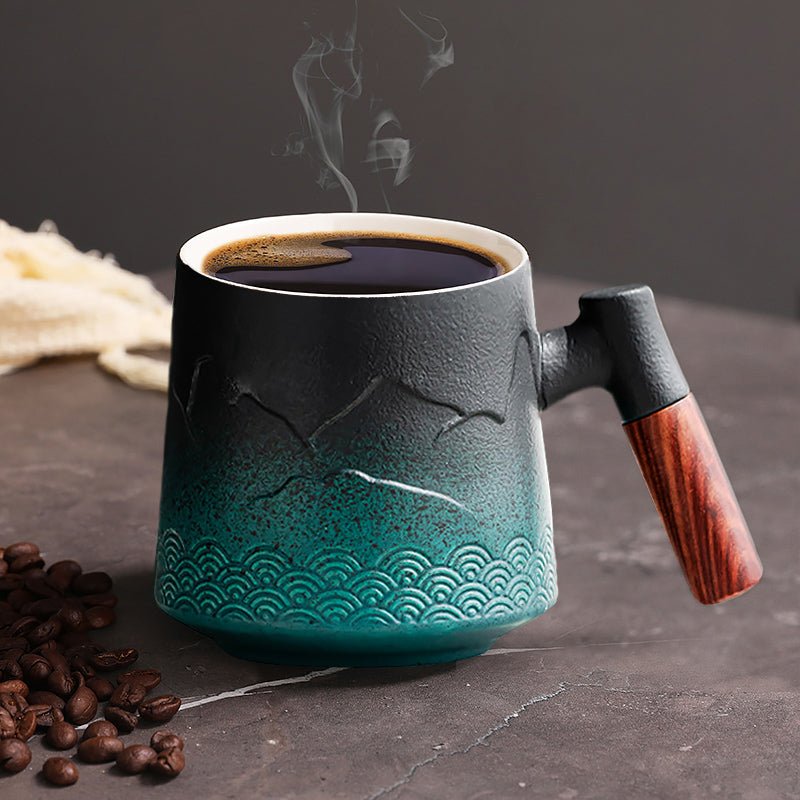
Handle Mug Buying Guide: What Real Buyers Should Check
A practical guide to handle mug options, from handle shape and material to care and everyday comfort. Use it to compare real trade-offs before you buy.
Czytaj dalej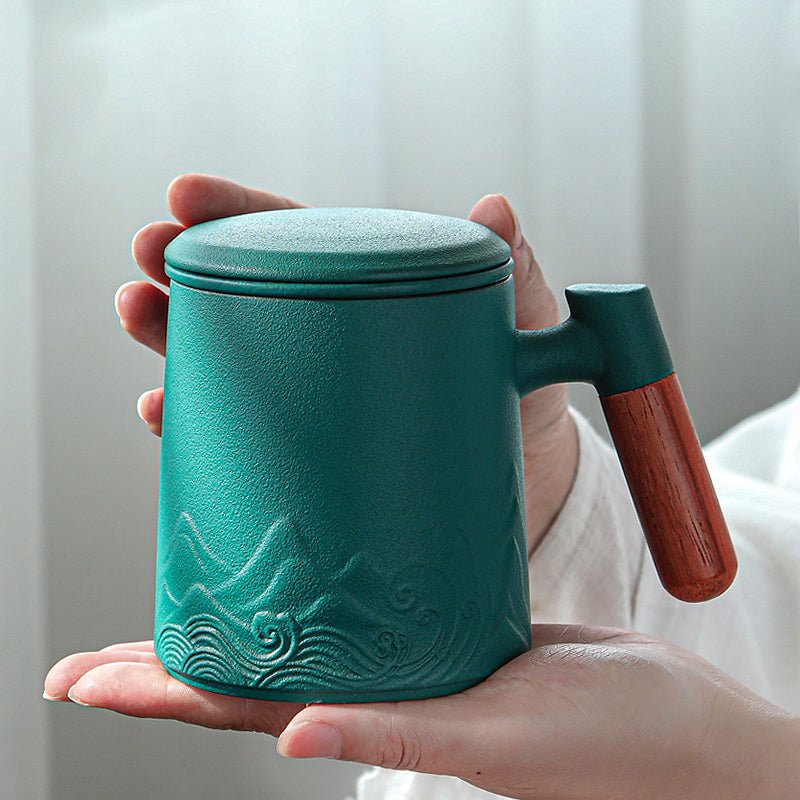
Green Coffee Mug Buying Guide: Size, Finish, and Everyday Use
A practical guide to choosing a green coffee mug for daily use, gifting, or a desk setup. We cover size, glaze, handle comfort, care, and the trade-offs to check before you buy.
Czytaj dalej
Zostaw komentarz
Ta strona jest chroniona przez hCaptcha i obowiązują na niej Polityka prywatności i Warunki korzystania z usługi serwisu hCaptcha.