
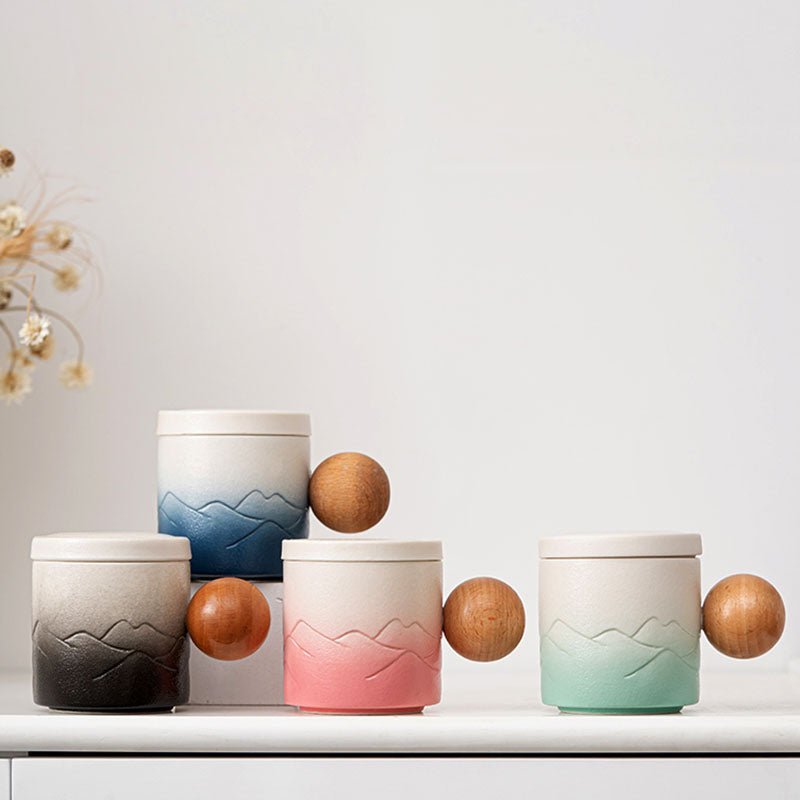
Tea in a Big Mug: How to Choose the Right Size and Shape
Reading time: about 8 minutes
A mug that looks perfect on the shelf can feel wrong after the third refill. If you drink tea at a desk, in the kitchen, or during a slow morning at home, tea in a big mug changes the whole routine: fewer trips back to the kettle, less cooling between sips, and more room for milk, honey, or a tea bag without the cup feeling crowded.
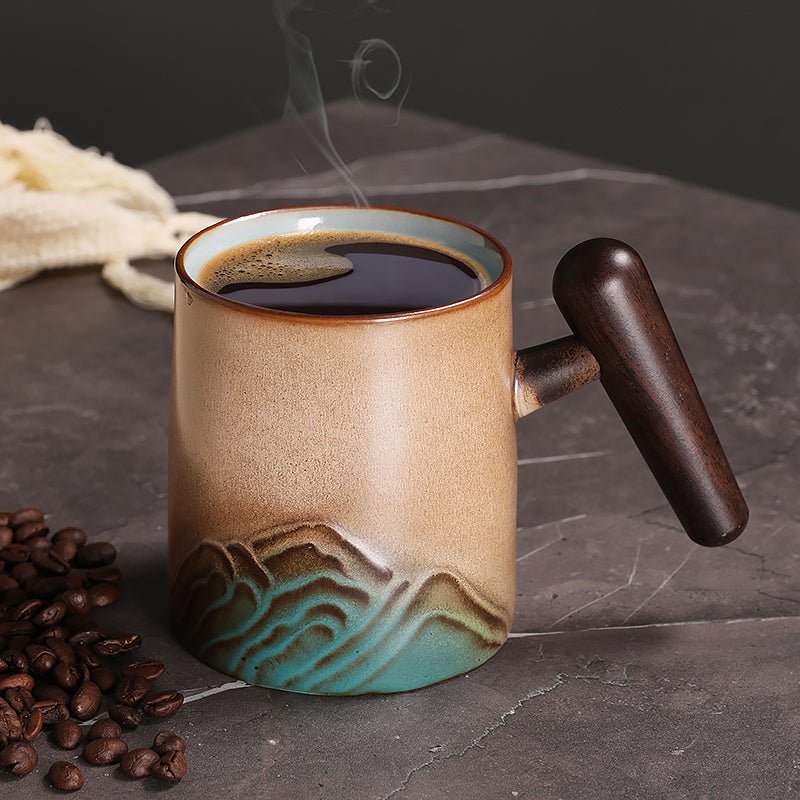
At CoffeifyMug, we pay attention to the details that matter after unboxing, not just in a product photo. The handle needs to be easy to grip with one hand. The mouth should be wide enough for a tea bag or loose-leaf basket. The base should sit flat and steady on a table that is not always perfectly clear. If you are comparing options, start with our The Rock Coffee Tea Mug and browse the rest of the full collection to see which style fits your daily tea setup.
Why does tea in a big mug feel different from tea in a standard cup?
Size changes more than capacity. A bigger mug gives tea more room to cool at a pace that feels comfortable, especially if you like to sip slowly while working or reading. It also changes how stable the drink feels in your hand. A small cup can seem delicate; a large mug feels more grounded, which is one reason many shoppers switch to tea in a big mug for morning and late-afternoon use.
We see three common reasons people move up in size:
- They want fewer refills during a work block or meeting.
- They add milk, lemon, or sweetener and want room to stir without spilling.
- They prefer a mug that stays useful for both tea and coffee, instead of buying separate cups for each drink.
There is a trade-off. Bigger does not always mean better for every tea. A very large mug is not ideal for delicate teas you want to drink hot and quickly, such as a small pour of green tea or a precise afternoon oolong. If you know you prefer smaller servings, read our guide on Big Mugs for Tea: How to Choose the Right Large Mug before you commit to a bigger shape.
How do size and shape affect heat, comfort, and taste?
Two mugs can hold the same amount of tea and still feel completely different. The rim width, wall thickness, and handle opening all change how the mug performs in real use. In our experience, shoppers notice the shape before they notice the capacity. A wide bowl-style mug cools faster. A taller cylinder keeps heat a bit longer. A chunky handle feels secure, while a narrow one can be awkward if you pour a strong, fully loaded mug.
| Feature | What it changes | Best for |
|---|---|---|
| Wide mouth | Faster cooling, easier stirring, easier cleaning | Milk tea, loose-leaf tea, tea with honey |
| Taller profile | Heat retention and a more compact desk footprint | Long work sessions and slower sipping |
| Thicker wall | Better heat buffering, but a heavier feel in hand | People who like a substantial mug |
| Large handle opening | Comfort when the mug is full and hot | One-handed use and larger hands |
Those details sound small until you use the mug every day. A handle that is too tight becomes annoying after a few refills. A mug with a very thin rim can feel pleasant at first, but it may also feel less sturdy on a desk or in the dishwasher rack. We think buyers should choose the shape that matches the way they actually drink tea, not the way a mug looks in a staged photo.
If you want a deeper buying framework focused on comfort and daily use, our article on Big Tea Mug Buying Guide for Comfort, Heat, and Daily Use breaks down those trade-offs in more detail.
Which materials are better for a big tea mug?
Material matters because tea behaves differently in ceramic, stoneware, porcelain, glass, and metal. For most buyers, ceramic and stoneware are the safest everyday choices because they feel solid, hold heat reasonably well, and do not add a taste of their own. They are also forgiving on a kitchen counter. A mug that is a little too hot is still manageable if the wall thickness is balanced and the handle is wide enough.
Here is how we usually think about the common options:
- Ceramic: A practical all-around choice. It is easy to live with, works well for tea and coffee, and usually handles dishwasher cleaning without drama.
- Stoneware: Often a bit heavier and more substantial. Good if you like a mug with presence, but less ideal if you want the lightest possible feel.
- Porcelain: Usually more refined and lighter in hand. It can be great for tea, but some buyers prefer a thicker mug for daily desk use.
- Glass: Useful if you want to see the color of the brew. It can be less forgiving with temperature swings and is not everyone’s first choice for a work desk.
There are also practical care details that get overlooked. Tea stains show up faster on very light interiors, especially with strong black tea. Repeated dishwasher cycles can leave fine marks on some glazes over time, and a narrow mug opening makes hand-washing harder around the base. Those are not defects by themselves, but they are real-life factors worth considering before you buy.
If you like comparing sizes across categories, our post on Big Tea Mugs: How to Choose the Right Large Mug for Daily Tea is a useful companion read.
What should you look for if you want one mug for tea, coffee, and desk use?
Many shoppers do not want a dedicated tea-only mug. They want one good cup that handles black tea in the morning, coffee later, and maybe cocoa at night. That is where a bigger mug earns its place. It can replace several smaller cups if it is balanced well and not overly tall or awkwardly narrow.
We recommend checking these points before you buy:
- Comfort in the hand: Pick up the mug with a full grip, not just an empty one. A mug that feels fine empty can become uncomfortable once it holds hot liquid.
- Rim width: A moderate rim usually works better for mixed use than a very flared lip.
- Base stability: Make sure the bottom sits flat and does not feel top-heavy on a crowded desk.
- Cleaning access: If you use tea bags, lemon slices, or sweeteners, you want a mug that is easy to rinse without trapping residue in a narrow curve.
- Fit with your routine: If you bring mugs to the sofa, office, or outdoor table, pick something that can move around without feeling fragile.
That is why we keep the collection page easy to browse. It lets you compare shapes side by side instead of guessing from a single angle. If you are still narrowing the field, our buying guide on Big Tea Mug Buying Guide for Size, Comfort, and Daily Use is the most direct next read.
What are the common mistakes people make when buying a large tea mug?
The biggest mistake is chasing capacity without thinking about use. A very large mug can be useful, but if it feels awkward in your hand or takes too long to finish, it becomes a kitchen cabinet extra instead of a daily mug. The second mistake is ignoring the handle. A mug can have the right volume and still be unpleasant if the handle opening is too small for your fingers.
Other issues we see often:
- Choosing a mug that is too wide: It can make tea cool faster than you want.
- Choosing a mug that is too heavy: This becomes noticeable during long, repeated use.
- Ignoring dishwasher behavior: A mug that looks delicate may need more careful handling than the buyer expects.
- Buying only for aesthetics: A beautiful mug that does not fit your spoon, tea infuser, or hand is not a good daily purchase.
We are straightforward about one limitation: tea in a big mug is not always the best choice for very small, precise tea servings. If you drink tea in short, measured pours and want maximum heat retention in a compact vessel, a smaller cup may serve you better. Big mugs are better for comfort, casual sipping, and routines that stretch over time.
The right mug should make tea easier to drink, not just easier to photograph.
Frequently asked questions
How big should a tea mug be for daily use?
Most daily tea drinkers do well with a mug that feels generous without becoming unwieldy. The right size depends on how much you actually pour, how fast you drink, and whether you add milk or sweeteners. If you refill often or work through tea slowly, a larger mug can be more practical than a standard cup.
Is a big mug better for keeping tea hot?
Not always. A larger mug can hold more liquid, but a wide opening can let heat escape faster than a smaller, narrower cup. If heat retention matters most, look for a mug with balanced wall thickness and a shape that is not overly open at the top.
Can I use one big mug for both tea and coffee?
Yes, and many buyers prefer that setup. A versatile mug should have a comfortable handle, a stable base, and enough room for both tea bags and coffee creamer. That said, if you like very delicate teas, you may still prefer a smaller dedicated tea cup for those drinks.
Are big tea mugs hard to clean?
They can be if the opening is narrow or the interior curve is tight. Look for a shape that lets a sponge reach the bottom without forcing your hand into the mug. Light-colored interiors can also show tea staining sooner, which is worth considering if you drink strong black tea every day.
What is the best mug shape for desk use?
A stable, moderately tall mug with a comfortable handle is usually the safest pick for a desk. Very wide mugs can take up too much space next to a laptop, while very heavy mugs can feel tiring after repeated lifts. If the mug will live on a crowded workspace, practicality should beat novelty.
If you are ready to compare options, start with the The Rock Coffee Tea Mug page, then use the full collection to find a shape that matches your routine. A good next step is to check handle comfort, base stability, and whether the mug still feels easy to use when it is filled to your usual level.
Read more
Elegant Coffee Mugs: Style, Size, and Everyday Comfort Guide
Elegant coffee mugs should look refined on the shelf and still feel balanced in the hand. This guide covers the size, finish, comfort, and care details that matter before you buy.
Czytaj dalej
Polish Coffee Mug Buying Guide: Finish, Size, and Daily Use
A practical guide to choosing a polish coffee mug for desk coffee, tea, and gifting. We cover finish, size, care, and the trade-offs that matter before you buy.
Czytaj dalej
Zostaw komentarz
Ta strona jest chroniona przez hCaptcha i obowiązują na niej Polityka prywatności i Warunki korzystania z usługi serwisu hCaptcha.