
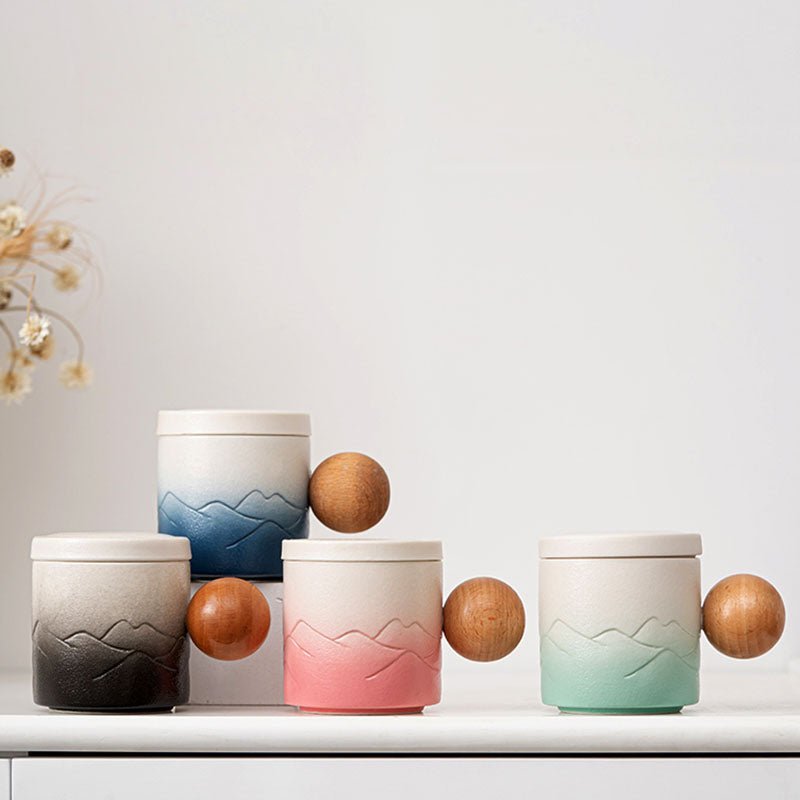
Swedish Coffee Mugs for Daily Use: What to Check Before You Buy
Reading time: about 7 minutes
A mug gets judged in small moments: a rushed coffee refill before work, tea cooling on a desk, a rinse in the sink after dinner, and the way the handle feels when the cup is full. That is the real test for swedish coffee mugs. We see it every day in our store, and the mugs that earn a repeat purchase are the ones that feel balanced, clean to drink from, and easy to live with.
If you want to start with a practical option, look at The Flow Coffee Tea Mug, then compare it with our full collection to see the different shapes and styles side by side.
What makes Swedish coffee mugs different from generic mugs?
People usually mean a few things when they search for swedish coffee mugs: clean lines, a restrained look, and a mug that feels practical rather than decorative. The best versions are simple to stack, comfortable to hold, and not so wide that the drink cools too quickly.
In our experience, the difference shows up in the hand. A good everyday mug has a handle with enough clearance for adult fingers, a base that sits flat, and a rim that feels smooth against the lip. That sounds basic, but those are the details that separate a mug you keep from a mug you move to the back of the cabinet.
A mug can look refined on a shelf and still fail daily use if the handle pinches, the base wobbles, or the glaze chips at the rim too easily.
These mugs are not the best choice for every buyer. If you need insulation for long commutes, a travel tumbler makes more sense. If you want a tiny espresso cup, a larger Swedish-style mug will feel too open. If you prefer novelty graphics or oversized novelty handles, this category is usually too understated.
Which size should you buy for coffee, tea, or milk drinks?
Size matters because it changes the whole experience. Too small, and you are refilling constantly. Too large, and the drink gets cold before you finish it. If you are comparing capacities, our size guides for 12 oz Coffee Mugs: How to Choose the Right Mug for Daily Use, 14 Ounce Coffee Mugs: Fit, Materials, and Buying Guide, and 16 Ounce Coffee Mugs: Size, Materials, and Fit Guide will help you narrow it down.
- 12 oz works well if you want a classic daily mug for drip coffee, black tea, or a smaller latte.
- 14 oz gives more room for milk, foam, or a second pour without jumping into oversized territory.
- 16 oz suits people who sip slowly, keep the mug near a desk for long stretches, or like a fuller cup in the morning.
There is a trade-off. Smaller mugs usually feel lighter and heat up faster, while larger mugs can be more comfortable for big drinks but take up more cabinet space and can feel bulky in smaller hands. If you share a kitchen, that last part matters more than people expect.
Which material and finish should you choose?
Most shoppers focus on style first, but material determines how the mug behaves after the first week. For swedish coffee mugs, the common options are glazed ceramic, stoneware, and porcelain. Each one has a different balance of weight, durability, and feel.
| Material | What it does well | Trade-offs | Best fit |
|---|---|---|---|
| Glazed ceramic | Easy to clean, familiar feel, works well for everyday use | Can show chips at the rim if handled roughly | Most kitchens and office desks |
| Stoneware | Usually feels heavier and more substantial in the hand | Can be a bit bulky if you want a lighter cup | Home use, slow coffee, tea breaks |
| Porcelain | Refined look, thinner walls, clean sip feel | Can feel less forgiving if you want a rugged mug | Gift sets and neat, minimal setups |
Finish matters too. Glossy glazes are easy to wipe down and usually hide marks better, while matte finishes can look beautiful but may show utensil scuffs or soap residue sooner. If a mug will live in a dishwasher, check the care note from the maker. We always advise buyers to treat unknown finishes carefully until they know how they hold up after repeated washing.
Two defect modes we watch for are hairline cracks near the handle join and tiny glaze pinholes on the inside wall. They are not always deal-breakers, but they are the first things to check when a mug arrives. A flat base is also worth inspecting; even a slight rock on a counter gets annoying fast.
Which mug style from our store fits your routine?
Different customers use the same mug category in very different ways. Some want a desk mug that disappears into the background. Others want something with more personality for a gift or a kitchen shelf. That is why we keep more than one visual direction in the range.
- The Flow Coffee Tea Mug is the easy pick if you want a calm, everyday shape that works for coffee, tea, and a mixed household.
- Mountain Sea Coffee Tea Mug fits shoppers who want a more scenic or giftable mug without giving up daily practicality.
- Spittoon Coffee Tea Mug makes sense if you want something more distinctive and do not mind a mug that stands out on the table.
None of these is the right answer if you need insulation for travel, a tiny espresso cup, or an ultra-light camping mug. That is the trade-off with this category: you get better feel and better tabletop use, but you give up portability.
If you are buying a gift, a Swedish-style mug usually works best when the design is attractive but not too specific. A mug that looks good in a kitchen, on a bookshelf, or next to a French press tends to get used more often than one that is too themed.
What should you check before checkout and on delivery?
We think the best mug purchases come down to a short checklist. It is not glamorous, but it saves returns and disappointment.
- Check the handle clearance. Make sure your fingers can fit without touching the hot body of the mug.
- Look at the rim. The drinking edge should feel smooth, not sharp or uneven.
- Inspect the base. A mug should sit flat without rocking on the counter.
- Confirm the care instructions. If the maker says dishwasher safe or microwave safe, follow that guidance exactly.
- Read the finish details. Matte, glossy, and textured surfaces age differently in real kitchens.
On arrival, we recommend washing the mug before first use, then checking for glaze flaws, tiny chips, or hairline cracks under good light. If you use a microwave, avoid thermal shock by not moving a cold mug straight into very hot liquid without giving it a moment to adjust. That is a simple habit, but it helps preserve the mug over time.
If you want a broader buying framework, our guides on 12 oz Coffee Mugs: What to Check Before You Buy and 16 oz Coffee Mugs: How to Choose the Right Mug for Daily Use cover the same real-world checks from a size-first angle.
Frequently asked questions
Are Swedish coffee mugs good for everyday use?
Yes, if you pick a shape with a comfortable handle, a stable base, and a finish that fits your routine. They are a strong choice for home kitchens, office desks, and giftable drinkware because they usually favor function over novelty. They are less useful if you need insulation or a travel-ready lid.
What size Swedish coffee mug works best for a latte?
For most lattes, 12 oz to 14 oz is the safest range. That gives you enough room for milk without making the mug feel oversized. If you like larger milk drinks or a lot of foam, 16 oz can work better.
Are ceramic or stoneware mugs better?
Neither is automatically better. Ceramic often feels a little lighter and more common for everyday use, while stoneware tends to feel heavier and sturdier in the hand. If you want a mug that feels substantial, choose stoneware; if you want something easier to handle and clean, ceramic is usually simpler.
Can I put these mugs in the dishwasher and microwave?
Only if the product care instructions say so. Many glazed mugs handle both, but finishes and decoration methods can change that. We always suggest following the manufacturer guidance instead of assuming every mug in this category behaves the same way.
What should I look for when the mug arrives?
Check the handle join, the rim, the glaze, and the base. You want a mug that feels smooth to drink from, sits flat on the counter, and has no visible cracks or chips. If you spot a defect, notice it before the mug enters your daily routine.
If you are ready to narrow it down, start with our full collection, compare the handle feel and capacity you actually want, and then choose the mug that fits the way you drink coffee every day.
Read more
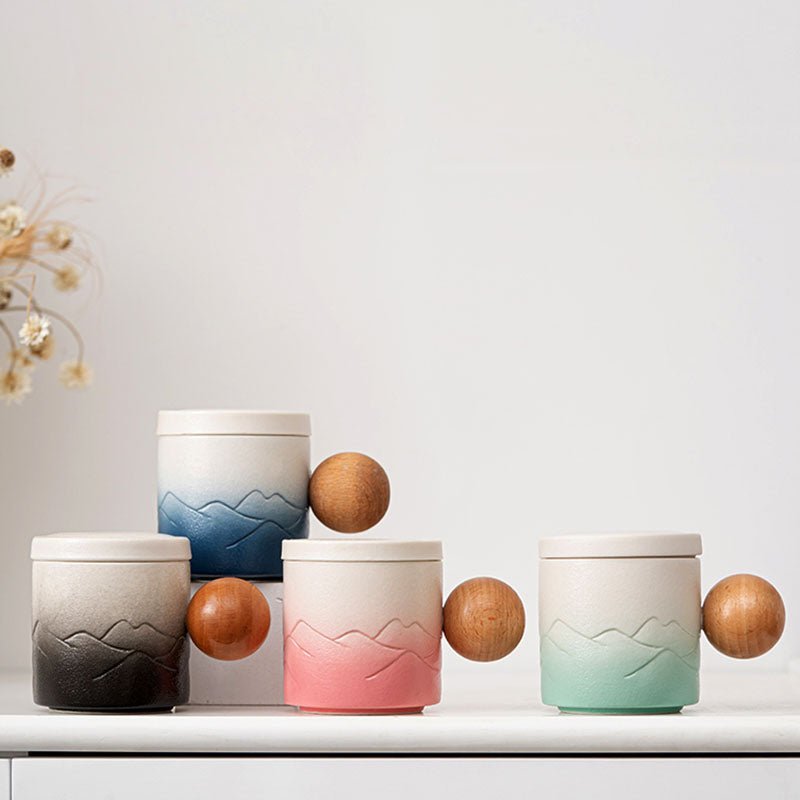
Coffee Jesus Mug Buying Guide for Gifts, Daily Use, and Display
A practical guide to choosing a coffee jesus mug for gifting, morning use, or a display shelf. We cover sizing, print quality, care, and which styles make sense for real buyers.
Czytaj dalej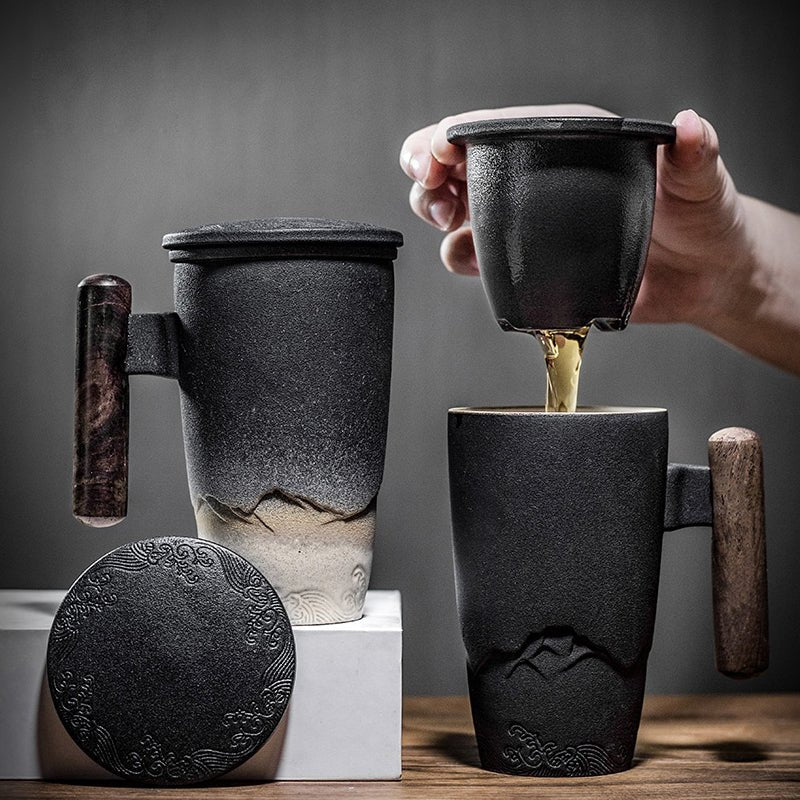
Tall Coffee Cups: How to Choose the Right Shape and Finish
Tall coffee cups work well for daily coffee, tea, and desk use, but the right pick depends on handle comfort, cabinet clearance, and finish. Here’s how we help shoppers compare the options before b...
Czytaj dalej
Zostaw komentarz
Ta strona jest chroniona przez hCaptcha i obowiązują na niej Polityka prywatności i Warunki korzystania z usługi serwisu hCaptcha.