

Starbucks Coffee Mugs for Sale: What to Check Before You Buy
Reading time: about 9 minutes
A mug looks simple until it sits on a kitchen counter with a full pot cooling beside it, or on an office desk where the handle feels wrong after the third refill. That is usually where buyers start comparing starbucks coffee mugs for sale: not by the logo, but by size, weight, finish, and whether the mug will actually get used every day.
We handle drinkware for shoppers who want something practical, giftable, and easy to live with. That means we pay attention to the details that matter after the unboxing: how a mug feels in the hand, how it fits under a brewer, how it holds up in the dishwasher, and what happens when you choose a mug that is too small or too large for your routine.
If you are comparing options now, our all collections page is the fastest place to scan what is available, and our products page is where you can check the current selection in one place.
What are you actually buying when you shop Starbucks coffee mugs for sale?
Most shoppers are buying one of two things: a daily-use mug that feels familiar in the hand, or a gift mug that needs to look right on arrival. The trade-off is simple. A decorative mug can be fun to give, but it may not be the best choice if your priority is balance, capacity, or easy cleaning.
In our experience, the best purchases start with the mug's job. A countertop mug for morning coffee has different needs than a desk mug that gets reheated three times. A gift mug also needs a different level of presentation than a mug you keep in the cupboard for yourself.
- Daily use: prioritize comfortable handle shape, stable base, and a size you can finish before the coffee gets cold.
- Desk use: look for a wider opening that is easy to sip from and easy to clean between refills.
- Gift use: focus on packaging, design, and whether the style feels personal rather than generic.
If you want a broader comparison framework, our post Starbucks Coffee Mugs: What to Check Before You Buy breaks down the basics we recommend checking before checkout.
Which size works best for your coffee routine?
Size changes the experience more than many buyers expect. A mug that is too small leaves you refilling constantly. A mug that is too large can feel heavy, awkward in the hand, and harder to fit under some coffee makers.
We see shoppers compare common capacities like 12 oz, 16 oz, and 20 oz because those sizes map to real routines. A 12 oz mug is usually better for a standard coffee serving and feels lighter on the wrist. A 16 oz mug gives you more room for milk, foam, or a longer drink session. A 20 oz mug can be useful for people who like one large pour, but it is not the best choice if you want a compact cup that stays warm and easy to carry.
| Size | Best for | Trade-off |
|---|---|---|
| 12 oz | Standard morning coffee, smaller hands, tighter cabinets | Less room for milk or extra coffee |
| 16 oz | Longer sipping, lattes, office desks | Can be bulkier than expected |
| 20 oz | Big pours and fewer refills | Heavier, takes more storage space, not ideal for tiny brewers |
If you are deciding between common capacities, these guides can help: 12 oz Coffee Mugs: What to Check Before You Buy, 16 oz Coffee Mugs: What to Check Before You Buy, and 20 Ounce Coffee Mugs: What Buyers Should Check Before Ordering.
One limitation worth calling out: bigger is not automatically better. If you tend to finish your coffee slowly, a large mug may leave the drink lukewarm halfway through. For many people, that matters more than capacity on paper.
What material details should you check before ordering?
Most Starbucks-style coffee mugs in this category are ceramic, and ceramic has real strengths: it feels substantial, it holds heat reasonably well, and it usually presents nicely as a gift. The downside is also real. Ceramic can chip if it is knocked against a sink, and any glaze detail or raised print needs to be finished cleanly to avoid rough edges or wear that shows too soon.
When we inspect mugs in our store, we look for a few practical points that shoppers often miss:
- Rim finish: a smooth drinking edge matters more than flashy artwork.
- Handle clearance: your fingers should fit without touching the mug body.
- Base stability: a wider, flat base is less likely to wobble on a desk or tray.
- Glaze consistency: uneven glaze can signal rushed finishing or weak quality control.
We also recommend thinking about use-case, not just appearance. A glossy ceramic mug cleans easily and looks sharp on a shelf. A more textured finish may feel interesting in the hand, but it can show fingerprints or dry splashes more readily. If you want a deeper breakdown across materials and daily use, our post Amazon Coffee Mugs: How to Compare Materials, Sizes, and Everyday Use is useful for side-by-side comparison.
We tell shoppers the same thing we tell our own team: a mug should feel good before you ever pour coffee into it. If the handle is awkward empty, it will feel worse when full.
How do you tell a gift-worthy mug from a shelf filler?
A gift-worthy mug usually has one or more of these traits: a clean shape, a balanced handle, crisp printing, and packaging that looks ready to hand over. A shelf filler often relies on novelty alone. It might look funny online, but if the design is cluttered or the mug is too awkward to hold, it gets stored away after the first use.
For gift buying, the unboxing matters. A mug that arrives with scuffing, weak print alignment, or a sloppy presentation can feel disappointing even if the cup itself is usable. That is why we pay attention to real-world delivery concerns: chipped rims, loose inserts, and prints that do not sit evenly around the body.
If you want a gift with personality, our related guide Amusing Coffee Mugs: How to Choose One That Gets Used can help you pick something people will actually keep on the counter. If you are looking for a broader comparison with marketplace listings, read Starbucks Coffee Mugs Amazon: What Buyers Should Check First before deciding.
Signs a mug is more likely to get used
- The handle fits three fingers comfortably.
- The base sits flat without rocking.
- The print or pattern is easy to live with on a busy desk.
- The size matches the drink you actually make most mornings.
What care instructions should you expect?
Care is where some mugs separate themselves from the rest. A mug may look great on day one and still disappoint if the finish fades, the glaze picks up stains, or the print starts to wear after repeated dishwasher cycles. We always advise shoppers to check the care notes before they buy, especially if they plan to use the mug every day instead of display it.
Common care scenarios we see:
- Dishwasher use: convenient, but repeated high heat can expose weak printing or lower-grade finishes.
- Hand washing: slower, but it often preserves detail longer.
- Microwave use: useful for reheating, but not every decorative mug is designed for it.
If a mug has metallic accents, layered decoration, or a specialty coating, we recommend checking compatibility carefully. Those features can look good, but they often reduce flexibility. A plain ceramic mug is usually the most forgiving choice for a busy kitchen or office break room.
What should you avoid if you want a mug you will actually keep using?
Some mugs are easy to admire online and difficult to live with. We would avoid a mug if it has a tiny handle, a narrow base that feels tippy, or decoration so busy that the mug becomes more of a display piece than a tool. If you want something for daily coffee, those issues matter more than a clever design.
We also suggest passing on mugs that promise too much and say little about the basics. A shopper should know the approximate capacity, whether the mug is ceramic, and how it should be cleaned. If that information is missing, the listing is asking you to guess. That is not a great sign.
On the other hand, a mug is not the best choice if you need maximum insulation. If your coffee has to stay hot for a long commute, a travel tumbler or insulated cup is the better fit. A standard coffee mug is for sitting down, sipping, and refilling. It is not a leak-proof container, and it should not be treated like one.
How do our product pages help you compare options faster?
We built our browsing pages to make comparison easier because that is what shoppers actually need. Our products page is useful when you want to scan the current lineup quickly, and our all collections page helps when you want to review everything in one pass without jumping between tabs.
Our own approach in the store is practical. We want the product page to answer the basic questions first: what it is, how big it is, what it is made of, and how it should be cared for. That saves time and reduces avoidable returns. It also helps shoppers compare a display-style mug against a mug meant for heavy everyday use.
If you are deciding between a decorative mug and a daily driver, use this quick checklist:
- Does the size match your usual coffee serving?
- Is the handle comfortable when the mug is full?
- Will the finish survive your cleaning routine?
- Do you want a mug that displays well or one that disappears into your morning routine?
Frequently asked questions
Are Starbucks coffee mugs for sale usually ceramic?
Most mugs in this style are ceramic, because ceramic gives a solid feel and works well for everyday coffee. It is not the lightest option, and it can chip if handled roughly, but it is still the most familiar choice for home and office use.
What size Starbucks coffee mug is best for daily use?
For most people, 12 oz or 16 oz is the easiest daily choice. A 12 oz mug feels lighter and is good for a standard pour, while a 16 oz mug gives you more room for milk or a longer drink. A 20 oz mug is better if you really want fewer refills.
Can I put a decorative coffee mug in the dishwasher?
Sometimes, but not always. Plain ceramic mugs usually handle dishwasher use better than mugs with metallic accents, specialty printing, or delicate finishes. Check the care details before you buy, because dishwasher heat can wear down weaker decoration over time.
What makes a mug better for gifting than for daily use?
A giftable mug usually has stronger presentation, cleaner design, and packaging that feels ready to hand over. A daily-use mug is more about comfort, balance, and durability. Some mugs do both well, but many lean one way or the other.
Where can I compare your current mug selection?
You can start with our all collections page for a broad look, or visit the products page to review the current selection directly. If you want the fastest decision, compare size, material, and care first, then choose the mug that fits your routine.
Before you buy, compare three things side by side: size, care, and use case. If one mug fits your hand, your coffee habit, and your cleaning routine, that is usually the one worth ordering next.
Read more
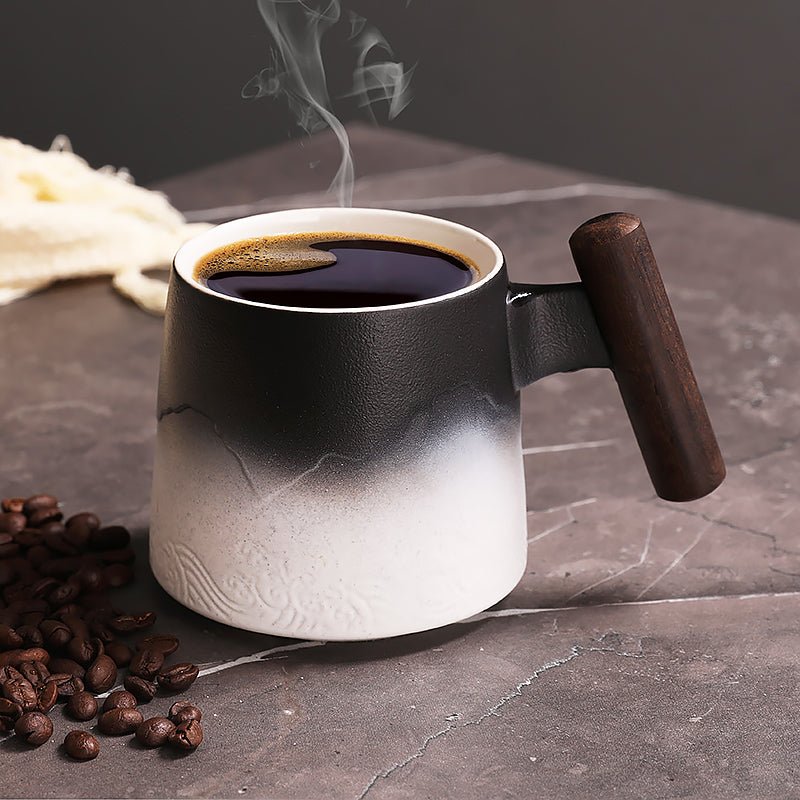
Coffee Mug That Keeps Coffee Hot: How to Choose the Right One
A practical buyer’s guide to picking a coffee mug that keeps coffee hot without making the drink metallic, awkward to sip, or hard to clean. We break down materials, lids, sizes, and the trade-offs...
Czytaj dalej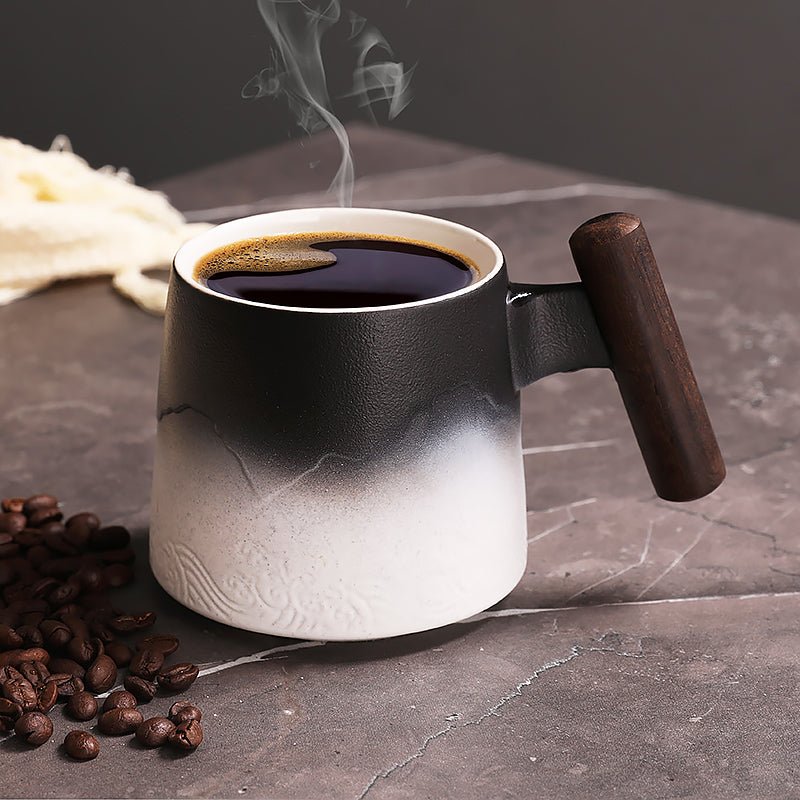
Electric Coffee Mug Buying Guide: What Actually Matters Before You Buy
An electric coffee mug can be a better desk companion than a regular cup, but only if the heat settings, capacity, and materials fit your routine. Here’s what we look at in our store before we’d re...
Czytaj dalej
Zostaw komentarz
Ta strona jest chroniona przez hCaptcha i obowiązują na niej Polityka prywatności i Warunki korzystania z usługi serwisu hCaptcha.