
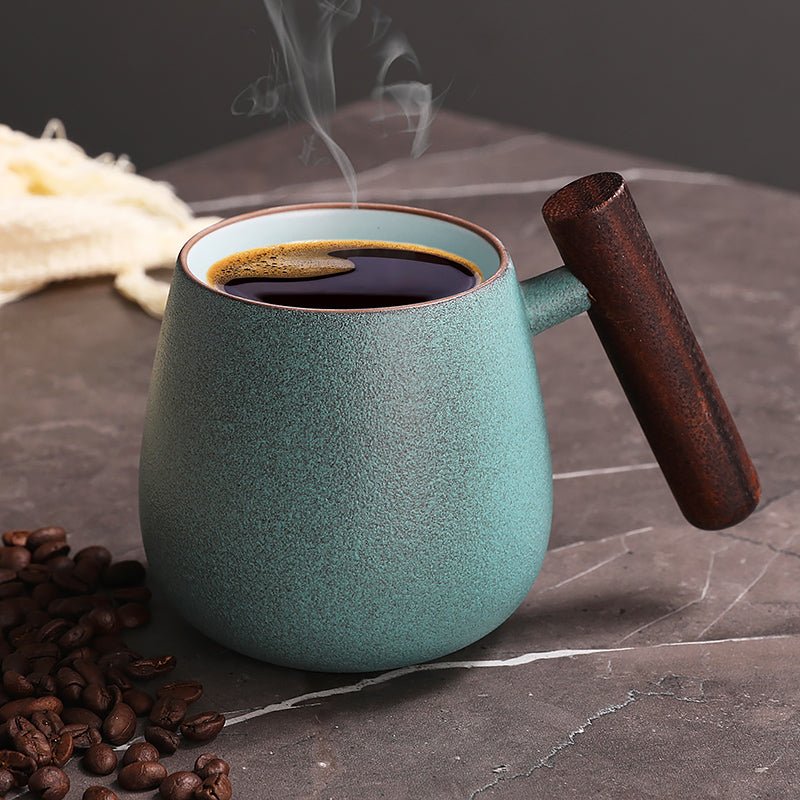
Standard Coffee Mug Size: What Buyers Should Know Before Ordering
Reading time: about 11 minutes
A mug looks simple until the first pour. One person wants a cup that holds a full morning brew without refilling. Another wants a smaller mug that keeps coffee hotter for longer and fits under a home espresso machine. We see that decision all the time in our store, and the size question comes up before color, handle shape, or design.
If you are shopping for a standard coffee mug size, the short answer is this: most everyday coffee mugs land around 11 to 15 ounces, with many shoppers treating 12 oz as the practical baseline. That range works for drip coffee, tea, and most desk-side drinks. But it is not the best fit for every setup. A larger mug can feel generous and useful, while a smaller mug can be easier to hold, lighter in the hand, and better for people who like their drink hot from start to finish.
We handle mugs as real products, not abstract measurements. That means looking at fill line, wall thickness, handle clearance, dishwasher wear, and whether a mug actually works on a kitchen counter with a coffee maker or under a pod machine. If you want to compare broader styles later, our full collection is a good place to start, and our product pages at our mugs and drinkware selection show the kinds of sizes shoppers usually compare first.
What does standard coffee mug size usually mean?
In everyday shopping, standard coffee mug size usually means a mug between 11 oz and 15 oz. That is the range most people picture when they think of a classic kitchen mug. It is large enough for a normal pour of coffee, but not so oversized that it feels like a soup bowl with a handle.
Here is the practical difference we see:
- 8 oz: closer to a small teacup or espresso-style serving. Good for short pours, not ideal if you want a full mug from a drip machine. If that is the size you are comparing, our 8 oz Coffee Mug: What to Check Before You Buy covers the trade-offs.
- 11 to 12 oz: the most balanced everyday size for many buyers. It feels compact, fits comfortably in most hands, and usually works with standard coffee pours.
- 14 to 15 oz: still in the standard zone for many shoppers, but with more room for cream, milk, or a larger pour.
- 20 oz and up: more of a large mug category. Useful for long work sessions or people who do not want to refill often, but heavier and bulkier on the desk. We break that down in 20 oz Coffee Mug: What to Check Before You Buy.
The mug size printed on a listing is usually the capacity to the rim, not the amount you should actually pour. In practice, most people stop below the top edge so they can carry the mug without sloshing. That means a 12 oz mug may comfortably hold a little less in real use.
Why do some mugs feel bigger even when the ounce size is the same?
Two mugs can both be labeled 12 oz and still feel very different in the hand. One may be tall and narrow. Another may be short and wide. That difference matters more than many shoppers expect.
We pay attention to a few specific details that affect the everyday feel:
- Wall thickness: thicker ceramic walls often feel sturdier and can hold heat a bit better, but they add weight.
- Handle opening: a tight handle can be awkward for larger hands, especially if the mug is thick-walled.
- Base diameter: a wider base may feel more stable on a desk, but it can crowd a coffee tray or machine drip area.
- Shape: straight-sided mugs can look larger than rounded mugs at the same capacity.
That is why a 12 oz mug can be the sweet spot for some shoppers and feel too small for others. If you are buying for a work desk, a mug warmer, or a kitchen shelf with limited clearance, shape can matter as much as volume. Our article on the best coffee mug warmer also covers why some mug shapes sit better on warming plates than others.
What size works best for daily coffee at home?
For most home use, we usually point shoppers toward a 12 oz to 14 oz mug. That range covers a standard drip coffee serving without feeling oversized. It also leaves enough room for milk, creamer, or a little foam if someone drinks a latte-style cup at home.
That said, the best size depends on how you actually make coffee:
- Drip coffee drinkers: a 12 oz mug is often the easiest fit for a normal pour.
- Espresso drinkers who add milk: 11 oz to 12 oz is usually enough unless you make larger milk drinks.
- French press users: 14 oz or 15 oz can feel better if your brew habit skews generous.
- Tea drinkers: a standard mug still works well, but many tea buyers prefer a slightly slimmer profile so the drink stays warmer longer.
From a handling standpoint, a mug in this range is easier to rinse, easier to stack if your cabinets are tight, and usually less awkward than a very large mug in the dishwasher rack. It is also less likely to feel top-heavy when you carry it from the counter to the couch.
There are limitations. A standard mug is not the best choice if you routinely fill up a travel tumbler before heading out. It is also not ideal for people who drink a single very large coffee and never want a refill. Those buyers usually end up happier with a bigger cup or a travel mug. For that kind of comparison, our Best Coffee Togo Mug: What to Check Before You Buy article is a useful next stop.
How does mug size affect heat, comfort, and spill risk?
Size changes the way a mug behaves on a real counter. A larger mug exposes more surface area, which can cool coffee faster. A smaller mug can keep the drink warmer a bit longer, especially if it has thicker ceramic walls and a narrower opening.
Comfort matters too. A mug that is too big can feel awkward to lift with one hand, especially when full. A mug that is too small may need frequent refills and can feel insubstantial if you are used to a fuller cup.
Here is the trade-off we tell shoppers to think about:
| Mug size | Main benefit | Main drawback |
|---|---|---|
| 8 oz | Compact, easy to hold, often keeps drinks hot | Too small for many drip coffee servings |
| 11 to 12 oz | Balanced everyday size | May feel small for heavy coffee drinkers |
| 14 to 15 oz | Good for larger pours and milk drinks | Heavier, takes more cabinet and dishwasher space |
| 20 oz | Less refilling | Bulkier and not always as comfortable for daily sipping |
Spill risk also goes up when the mug is too full. A mug filled to the rim is harder to carry from the coffee machine to a desk. That is one reason a product can be “standard” on paper but still not work in real use if the buyer wants to fill it all the way.
Which materials and construction details should you check?
Capacity is only part of the story. The material and build quality decide how the mug feels after a week of use, not just on day one. In our experience, shoppers are often happier when they compare the mug as a working object, not just a vessel with a number on it.
Here are the details we recommend checking before you buy:
- Ceramic: the most common everyday mug material. It feels familiar, usually cleans easily, and works well for home use. Look for a smooth glaze with no rough spots around the rim.
- Stoneware: often heavier and more substantial. Good for a sturdy feel, but it can be a little bulkier in the hand.
- Porcelain: usually lighter and finer, with a cleaner look. It can feel more refined, but thin walls may be more delicate.
- Glaze quality: a consistent glaze helps resist staining from coffee and tea. Uneven glaze can sometimes leave the surface looking patchy after repeated use.
- Rim finish: the drinking edge should feel smooth. A rough rim is a small defect that becomes annoying fast.
Care instructions matter too. Most buyers want a mug that handles normal dishwasher use, but not every decorative mug is equally durable. If a listing says hand wash only, that usually means the print or finish may not like repeated dishwasher cycles. We think that is worth respecting, especially if you wash mugs every day. It is better to choose the mug that matches your routine than the one that looks good only in photos.
How do you choose the right size for gifts, offices, or desk use?
Gift buying changes the sizing decision. A mug that feels ideal at your own kitchen table may not be the best gift if you do not know the recipient’s coffee habits. For gifting, a 12 oz to 14 oz mug is usually the safest choice because it suits more people and more drinks.
For office use, we usually suggest thinking about the actual environment:
- Desk with a mug warmer: a standard-sized mug often works best because it sits neatly on the warmer plate.
- Shared break room: a middle-of-the-road size is more flexible for different drink habits.
- Small cubicle or packed workstation: a mug that is too large may take up too much space next to a keyboard, notebook, and phone.
If you are shopping for something more distinctive, our Awesome Coffee Mugs: How to Choose a Mug You’ll Actually Use article is a good fit. It helps separate novelty mugs from mugs that actually earn a place in the cabinet.
One caution on gifts: a very large mug can seem generous, but some people do not want the weight or bulk. A smaller mug can feel more intentional if the recipient drinks espresso, tea, or smaller servings. That is why we would rather see a thoughtful standard size than an oversized mug that never leaves the shelf.
What should you check before adding a standard mug to your cart?
Before you buy, use a quick checklist. It saves a lot of disappointment after the box arrives and the mug turns out to be bigger, smaller, or heavier than expected.
- Check the capacity in ounces: confirm whether the listing shows rim capacity or usable capacity.
- Look at dimensions: height and diameter tell you whether it will fit under a machine or inside a cabinet.
- Compare handle size: make sure the handle looks comfortable for your hand.
- Check the material: ceramic, stoneware, and porcelain each feel different in daily use.
- Review care instructions: dishwasher-safe is a big convenience if you use mugs every day.
- Think about your drink size: a standard coffee mug size is great for normal servings, but not the best for very large pours.
That is also why we encourage shoppers to browse with a real use case in mind. If you already know you like compact mugs, a smaller style may be a better fit. If you want a fuller pour without moving into oversized territory, standard is the right lane.
Frequently asked questions
What is the standard coffee mug size in ounces?
Most shoppers consider 11 to 15 ounces the standard coffee mug size range, with 12 ounces being the most common practical baseline. That size works well for everyday coffee, tea, and desk use. The exact fit depends on how full you pour and how much room your machine allows.
Is a 12 oz mug big enough for coffee?
For most people, yes. A 12 oz mug is enough for a typical cup of drip coffee with a little room left at the top. If you add a lot of milk or prefer a very full mug, you may want 14 oz or larger.
What is the difference between 8 oz and standard mug size?
An 8 oz mug is noticeably smaller and better for shorter pours, espresso-based drinks, or tea drinkers who do not want a large cup. A standard mug is usually larger, so it works better for full coffee servings and day-to-day use. If you are comparing the two, the right choice depends on whether you want heat retention or capacity.
Will a standard mug fit under a coffee machine?
Usually, yes, but not always. Some tall mugs and mugs with oversized handles can be awkward under pod machines or compact drip brewers. Always check the mug height and your machine clearance before ordering.
Are larger mugs better than standard mugs?
Not automatically. Larger mugs are useful if you want fewer refills, but they can feel heavy, cool faster, and take up more space. A standard mug is often the better everyday choice if you want balance and comfort.
If you are still deciding, compare the mug’s ounce size, height, handle shape, and care instructions side by side before you buy. Then check our current product selection and choose the size that fits your counter, your machine, and the way you actually drink coffee.
More from our blog
Read more
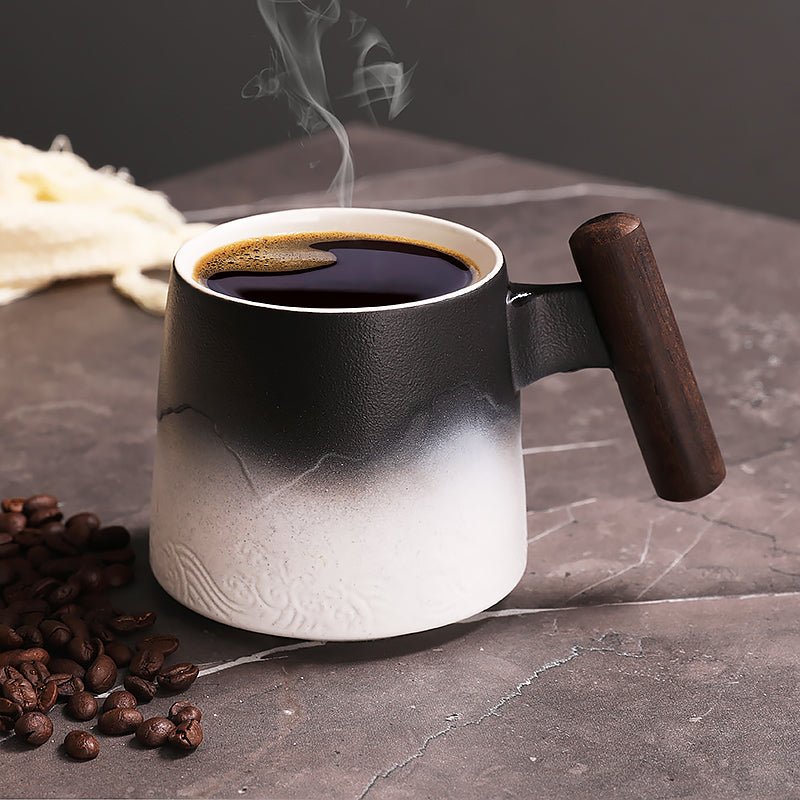
Pottery Coffee Mugs: What Buyers Should Check Before Ordering
Pottery coffee mugs feel great in the hand, but the best choice depends on glaze, wall thickness, size, and how you plan to use it every day. Here’s what we check in our store before recommending one.
Czytaj dalej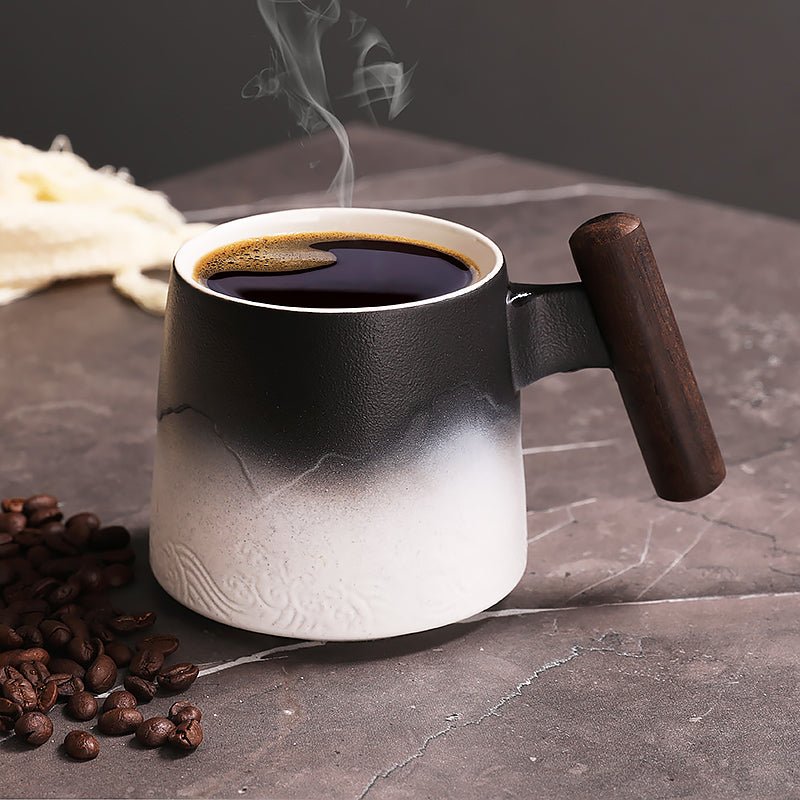
Coffee Mugs Williams Sonoma: What to Compare Before You Buy
A practical buyer’s guide to coffee mugs Williams Sonoma shoppers compare before ordering. We cover size, material, glaze, handles, and care so you can choose the right mug for daily use or gifting.
Czytaj dalej
Zostaw komentarz
Ta strona jest chroniona przez hCaptcha i obowiązują na niej Polityka prywatności i Warunki korzystania z usługi serwisu hCaptcha.