
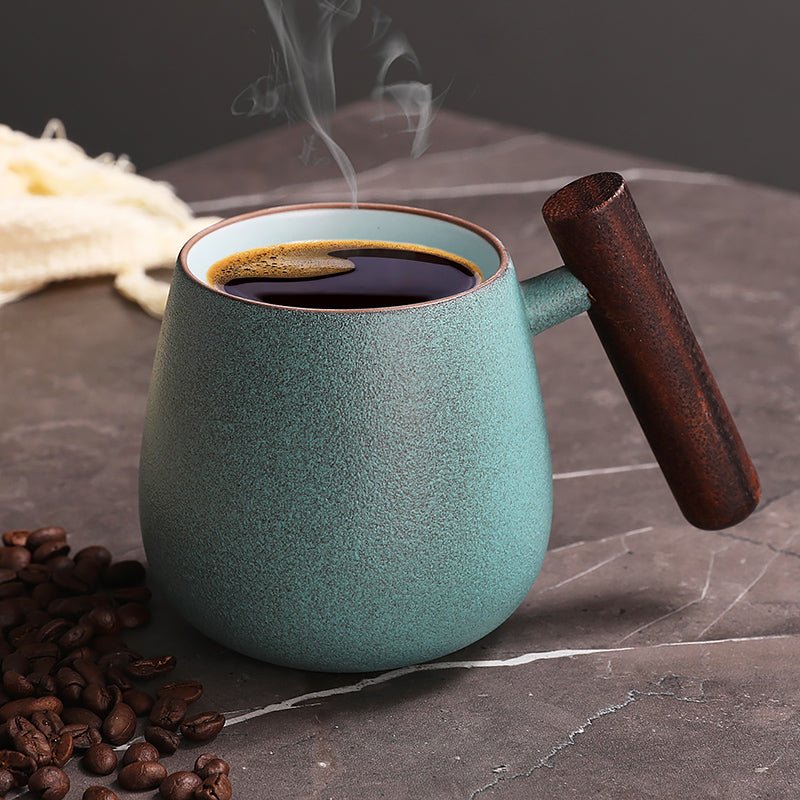
Spill Proof Coffee Travel Mug: What to Check Before You Buy
Reading time: about 10 minutes
A mug does not need to hit the floor to cause a mess. A loose lid can drip on a laptop sleeve, a half-closed slider can stain a car console, and a worn gasket can leave coffee on a desk before lunch. That is why a spill proof coffee travel mug should be judged by the lid first, not the marketing on the box.
At CoffeifyMug, we look at these mugs the way shoppers use them in real life: on a kitchen counter during a rushed morning, in a cup holder during a commute, or next to a keyboard in an office where one bad tip can ruin the day. The right mug is not just about keeping coffee warm. It is about keeping coffee where it belongs.
If you want a broader comparison of lid types and leak behavior, our Spill Proof Coffee Mug Buying Guide: What Actually Prevents Messes covers the small design details that make the biggest difference.
What actually keeps a mug spill proof?
A spill proof mug works because several parts line up correctly. The lid has to seat evenly. The seal has to compress without twisting. Any drink opening has to close fully. If one of those pieces is off, coffee can escape even if the body of the mug is solid stainless steel or ceramic lined.
In practice, the most common failure points are predictable:
- A silicone gasket that is not fully seated after washing.
- A slider or flip-top that does not close all the way because of dried coffee residue.
- Overfilling, which leaves no room for hot liquid to move without pushing on the lid.
- Threads that are cross-turned or not tightened evenly.
That is why we tell shoppers to separate spill resistant from leak proof. A spill resistant lid handles bumps, tilts, and quick desk movement well. A true leak proof setup is built to hold liquid much more securely if the mug ends up sideways in a bag. For a closer comparison, our Leak Proof Coffee Travel Mug: What to Check Before You Buy explains where those two categories split.
Most spills start at the lid, not the body. The cup can be well insulated and still fail if the seal, slider, or gasket is weak.
When we test mugs in our store, we look at the lid as a working part, not a decorative cap. If the lid feels loose on first use, it usually does not get better later.
Which lid style fits your commute or desk?
Lid design is the biggest practical decision. A mug that feels perfect at a kitchen counter can become annoying in a car if it takes two hands to open. The reverse is true too: a fast sip lid may be easy on the road but less secure in a work bag.
| Lid style | Best for | Trade-off |
|---|---|---|
| Slide-close lid | Desk use, short commutes, quick sips | Usually easier to drink from, but more dependent on a clean seal |
| Flip-top lid | Drivers and commuters who want a direct drinking path | Can collect residue around the hinge and needs regular cleaning |
| Twist-lock lid | People who carry a mug in a bag or tote | More secure, but slower to open and close |
| Push-button lid | Frequent one-handed use | More moving parts, which means more to maintain |
If your mug mostly lives on a desk, a simple slider may be the easiest choice. If you toss a mug into a bag with notebooks or chargers, a locking style usually makes more sense. For shoppers comparing overall mug types, our Best Travel Mug for Coffee: What to Check Before You Buy is a useful companion read.
There is no best lid in the abstract. There is only the lid that fits your routine. A great office mug can still be a poor commuter mug if the opening is too exposed or the closure feels too light.
What materials hold up best in real use?
For most buyers, double-wall stainless steel is still the most practical body material. It is durable, does not absorb odors the way some plastics do, and handles everyday knocks better than fragile alternatives. The double-wall construction also helps coffee stay hot longer without making the outer wall uncomfortably hot to hold.
That said, material choice has trade-offs. A ceramic-lined coffee travel mug can reduce the metallic taste some people notice in stainless steel, which is why we cover it separately in our Ceramic Lined Coffee Travel Mug: What Buyers Should Check First. The downside is that ceramic-lined interiors usually need a little more care, especially if the mug is knocked around in a sink or packed tightly with other items.
Here is what we usually tell shoppers to check:
- Body material: stainless steel for durability, ceramic-lined interior for taste preference, plastic only if weight and budget matter more than long-term feel.
- Lid material: BPA-free plastic is common, but the seal matters more than the shell.
- Seal material: silicone is the part that actually keeps liquid contained, so it should fit cleanly and come apart for washing when possible.
- Finish: powder-coated exteriors resist fingerprints better than smooth glossy finishes, especially if the mug rides in a car every day.
One detail many shoppers miss: the best mug body still fails if the lid is difficult to reassemble after washing. If the gasket sits crooked, the mug can look closed while still letting liquid escape.
What size and shape are easiest to live with?
Capacity matters, but shape matters just as much. A large mug sounds convenient until it does not fit a cup holder or feels awkward under a cabinet shelf. For many commuters, a slimmer 12 to 16 ounce shape is easier to use every day than a bulkier oversized tumbler.
We pay close attention to three physical details in our store:
- Base width: A slimmer base is more likely to fit standard car cup holders and desk accessories.
- Height: Taller mugs can hold more coffee, but they can also tip more easily on crowded desks.
- Grip: A textured or coated exterior is easier to hold when the mug is warm and your hands are still wet from washing dishes.
If your routine includes a commute, a quick walk from parking to office, and a few minutes of desk use, a balanced mid-size mug usually makes sense. If you mainly sip at home or in one room, a smaller mug can be easier to clean and store. If you want a broader browse of current options, our products page and collection are the quickest place to compare shapes side by side.
We do not recommend choosing the biggest mug just because it holds more. Extra capacity is useful only if you actually finish the drink before it cools or gets in the way.
What we check before we recommend a mug in our store
Our team looks at the small things that create daily friction. Those details usually decide whether a mug becomes a favorite or gets left in a cabinet.
- Lid alignment: The lid should seat cleanly without forcing it into place.
- Gasket access: If the seal cannot be removed for cleaning, residue will build up faster.
- Thread feel: Rough or gritty threading can signal a poor fit or a lid that is too easy to cross-tighten.
- Drink path: A comfortable opening matters if you sip while walking or driving.
- Care instructions: We want buyers to know upfront whether the body, lid, or both need hand washing.
There is a reason we keep returning to care instructions. A mug that is easy to clean stays more reliable. A mug that traps old coffee oils around the seal starts smelling stale and can feel sticky long before the body wears out.
If you are deciding between a conventional travel mug and a ceramic-style option, our Ceramic Coffee Travel Mug Buying Guide for Everyday Use explains where ceramic makes sense and where stainless steel is still the better buy.
One more practical point: a spill proof coffee travel mug is not the right choice if you want the open feel of a regular ceramic mug at your desk. A travel lid changes the drinking experience. That trade-off is the price of fewer messes.
How should you clean and maintain the seal?
Cleaning is where many mugs go from excellent to annoying. Coffee oils, milk residue, and tiny particles of grit can collect under the gasket or inside the lid mechanism. Once that happens, the closure does not sit as tightly, and the mug starts behaving like an older, tired version of itself.
Our basic care routine is simple:
- Rinse the lid and body soon after use so residue does not harden.
- Remove the silicone seal if the design allows it.
- Wash the lid parts with warm water and mild soap.
- Let all parts dry fully before reassembly.
- Check the gasket before each use to make sure it is seated flat.
Dishwasher safe does not always mean maintenance-free. A lid may be dishwasher safe and still perform better with hand washing because fine residue hides in corners, sliders, and vent paths. If the manufacturer allows the body in the dishwasher, that is helpful. The lid still deserves closer attention.
We also tell shoppers to avoid filling any travel mug right to the top. Leave some room under the lid. Hot liquid expands, sloshes, and presses against the seal. A little headspace reduces mess risk and makes the mug more comfortable to carry.
What should you not buy if spills are your main concern?
Not every attractive mug is a good spill prevention choice. Some styles look premium but do little for real-world mess control.
- Skip open-top tumblers if you plan to carry coffee in a bag or backseat.
- Be cautious with lids that rely on a thin friction fit instead of a real seal.
- Do not choose a mug with a complicated lid if you dislike taking parts apart for cleaning.
- Avoid oversized mugs if you mainly use standard cup holders or crowded desks.
A spill proof coffee travel mug is also not the best choice for every drink. If you mostly want a vessel for at-home sipping, a regular ceramic mug may suit you better. If your priority is taste over temperature retention, a ceramic-lined option can be worth considering. If your priority is a bag-safe commute, sealing strength matters more than flavor nuance.
That is the real buyer question: what problem are you trying to solve? Messes in the car? Drips on a desk? Stale coffee on a long shift? Once you define the problem, the right mug gets easier to spot.
Frequently asked questions
Is a spill proof coffee travel mug the same as a leak proof mug?
Not always. Spill proof usually means the mug can handle normal bumps, tilts, and desk movement without making a mess. Leak proof is the stronger claim and usually means the lid is designed to hold liquid more securely if the mug ends up on its side in a bag.
Can I put a spill proof travel mug in the dishwasher?
Sometimes, but check both the body and the lid separately. Even if the body is dishwasher safe, the lid may clean better by hand because coffee residue hides under sliders and gaskets. We usually recommend hand washing the lid unless the care instructions are very clear.
What size travel mug is best for commuting?
For many daily commuters, 12 to 16 ounces is the easiest range to live with. It is usually easier to fit in cup holders and less likely to feel bulky on a desk or in a tote. Bigger mugs make sense only if you truly finish that amount before the coffee cools.
Why does my mug start leaking after a few weeks?
The most common reasons are a mis-seated silicone gasket, residue in the lid mechanism, or a lid that is no longer tightening evenly. A careful wash and full reassembly often fixes the issue. If the seal is cracked or stretched, the part may need replacing.
Are ceramic-lined travel mugs better than stainless steel?
They are better for some buyers, not everyone. Ceramic-lined mugs can reduce metallic taste and feel closer to a ceramic cup, but they may need a little more care and can be less forgiving if dropped. Stainless steel is still the better all-around option for durability and everyday commuting.
If you want to compare options with this checklist in hand, start with our products and then narrow by the mug shape, lid style, and cleaning routine that fits your day. If you are browsing broader choices, the full collection is the fastest place to see what matches your commute, desk, and bag.
More from our blog
Read more
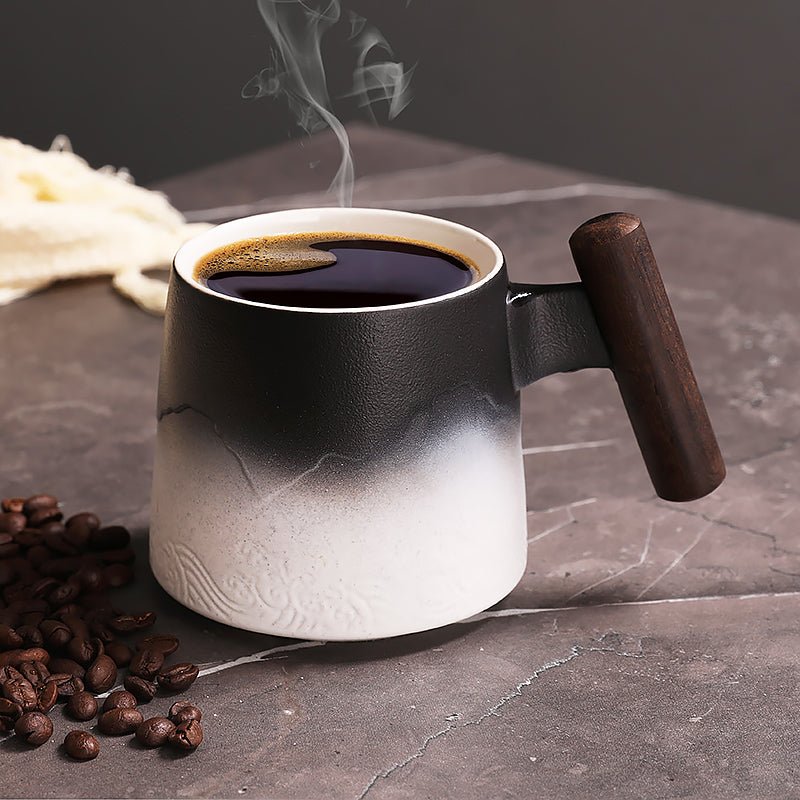
Customized Coffee Mug: How to Choose the Right One Before You Buy
A customized coffee mug sounds simple until you compare size, finish, print quality, and care. This guide shows what we check in our store before we recommend one for daily use or gifting.
Czytaj dalej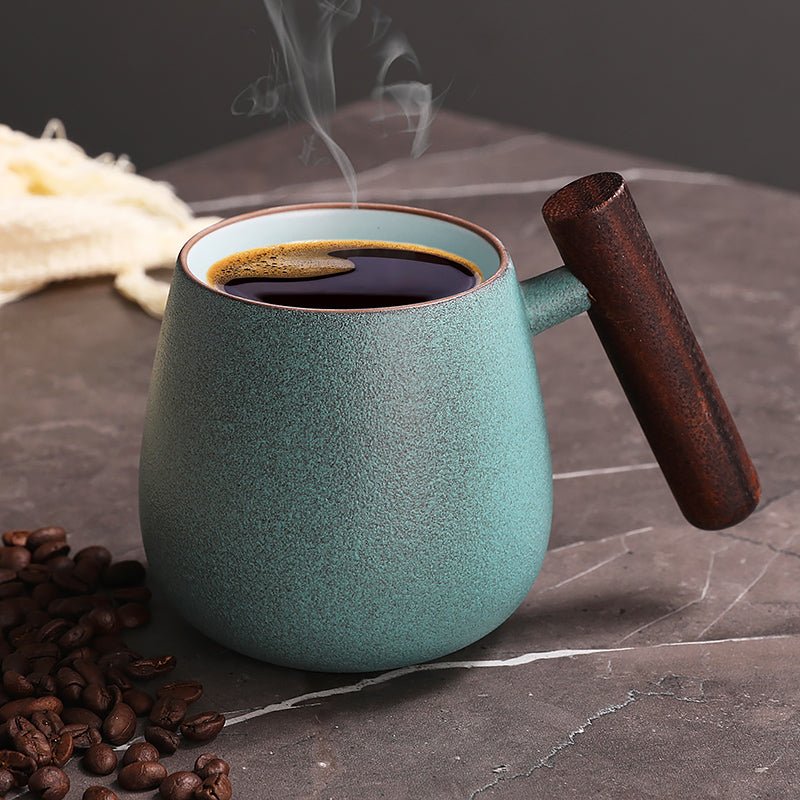
Travel Mug Coffee: What to Check Before You Buy
A practical guide to travel mug coffee choices that fit commuting, office desks, and gifting. We cover materials, lids, cleaning, common failure points, and when a different style is the better buy.
Czytaj dalej
Zostaw komentarz
Ta strona jest chroniona przez hCaptcha i obowiązują na niej Polityka prywatności i Warunki korzystania z usługi serwisu hCaptcha.