
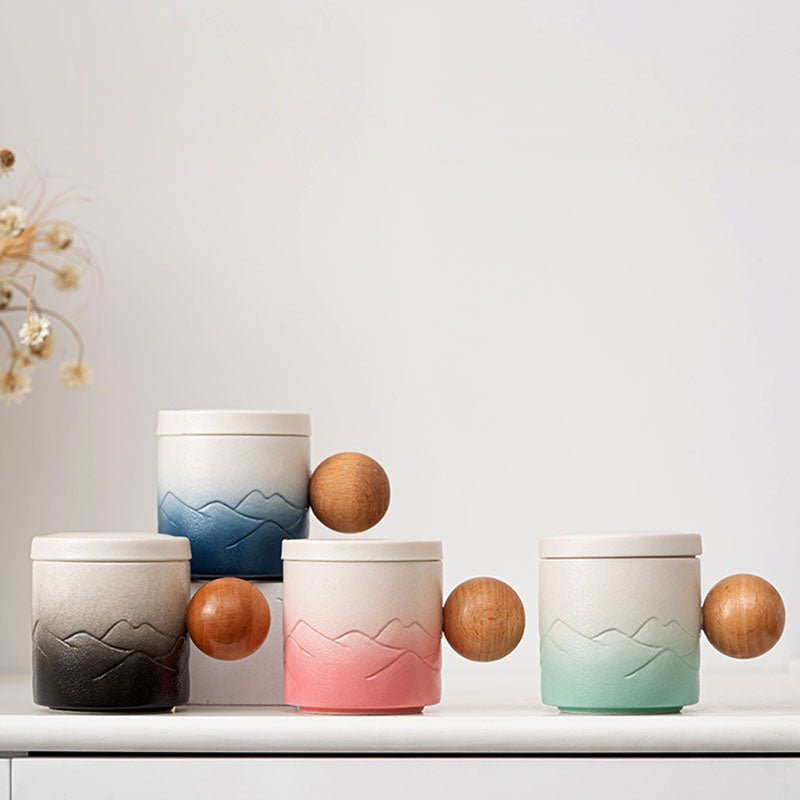
Small Travel Coffee Mug Buying Guide: What to Check Before You Buy
Reading time: about 9 minutes
A small travel coffee mug gets judged in the first 10 minutes of the morning. It has to leave the kitchen, fit a bag or cup holder, and still open cleanly with one hand while the coffee is hot enough to matter.
That sounds simple until you compare the options. A mug that is too bulky becomes annoying on the commute. A mug that is too small leaves you refilling before you finish the drink. In our store, we see the same pattern again and again: shoppers do not regret choosing compact, but they do regret choosing compact without checking the lid, the mouth opening, and the cleaning routine.
A mug that leaks once in a bag is a mug customers stop trusting.
What does a small travel coffee mug need to do well?
It needs to solve a very ordinary problem: carry coffee from one place to another without making the drink worse. That means a good seal, a size that feels manageable, and a shape that does not get in the way when you set it down on a car console or office desk.
We do not think of a small travel coffee mug as a mini version of a big tumbler. The best ones are built for short commutes, quick desk refills, and smaller servings that you actually finish while the coffee still tastes fresh. If you want a broader comparison of lid styles and silhouettes, our guide to Best Travel Coffee Mug: What to Check Before You Buy is the next piece to read.
There is also a practical ceiling to what small can do. A compact mug is not the right choice if you want a large latte for a long drive, or if you want coffee to stay hot for many hours without topping it off. For that, a larger insulated style is usually the better fit.
Which size counts as small without becoming inconvenient?
For everyday buyers, small usually means roughly 8 to 12 ounces. That range is small enough to feel compact, but still large enough for a normal pour of drip coffee, espresso drinks, or a short Americano. Once you go much bigger, the mug starts acting more like a standard tumbler than a compact carry piece.
| Size | Best use | Trade-off |
|---|---|---|
| 8 oz | Espresso drinks, quick coffee, short commutes | Not enough for a full morning pour |
| 10 oz | Daily balance for office desks and short drives | Less room for milk, foam, or ice |
| 12 oz | Drip coffee, moderate pours, flexible daily use | Starts to feel less compact in small bags |
If you are torn between two sizes, the better question is how you actually drink coffee. If you sip quickly and refill once, 8 to 10 ounces can feel perfect. If you add cream, move slowly, or want one mug to cover a longer stretch at your desk, 12 ounces is usually the safer choice.
- Choose 8 oz if you want the smallest footprint and only need a short serving.
- Choose 10 oz if you want the most balanced everyday size.
- Choose 12 oz if you want a little breathing room without jumping to a bulky tumbler.
- Skip oversized shapes if cup-holder fit and bag storage matter more than capacity.
For shoppers comparing shapes across a wider range, our article on Best Coffee Mug Travel: What to Check Before You Buy covers the common size mistakes people make before ordering.
Which materials make sense for daily use?
Material choice changes how a mug feels in the hand, how it cleans up, and how forgiving it is when it gets knocked around on a counter or dropped into a sink. The most common choices are stainless steel, ceramic-lined interiors, and plastic lids or exterior parts.
Stainless steel is the workhorse option. It handles daily use well, resists staining, and is usually the safest pick for commuting. The trade-off is weight and a slightly more utilitarian feel. It can also dent if it takes a hard hit, which does not always affect performance but does affect appearance.
Ceramic-lined interiors are popular with people who notice taste and smell quickly. They can help coffee taste cleaner, especially if you rotate between dark roasts and flavored drinks. The limit is durability: ceramic-lined pieces can chip if dropped or if they are knocked against a sink more often than they should be. If that material is on your shortlist, our Ceramic Travel Coffee Mug Buying Guide for Everyday Use walks through the real trade-offs.
Lids and gaskets are where many otherwise good mugs fail in real life. A silicone gasket that sits crooked, a lid that does not click into place, or a mouthpiece that does not close fully are common defect modes we watch for. The mug may look fine on a product photo and still leak in a backpack because the seal is not seated correctly after washing.
One more practical detail: if you care about easy cleanup, a simpler build is usually better than a mug with decorative seams, textured grooves, or a lid with too many moving parts. Coffee oils settle into those places fast.
- Choose stainless steel for durability and commuting.
- Choose ceramic-lined if taste is your priority and you are careful with handling.
- Choose a simple lid design if you wash by hand often.
- Be cautious with finishes that scratch easily if the mug lives in a work bag.
What lid and insulation details matter most?
If we are comparing mugs side by side, lid design is usually the first thing we check. The best lid is not the one with the most features. It is the one that seals reliably, opens without fuss, and cleans up without trapping old coffee in a corner you cannot reach.
Vacuum insulation matters if you want the drink to stay hot across a commute or a long meeting. It does not make coffee immortal, but it buys you time. If you are mainly carrying coffee a few blocks from home to desk, a less aggressive thermal build may be enough. If you want longer heat retention, our article on Best Insulated Coffee Mug Travel: What to Buy and What to Skip is worth reading.
There are a few details that separate a mug you trust from one that gets left at home:
- A silicone gasket that sits flat and is easy to remove for washing.
- A lid that closes with a clear fit, not just a vague press or loose twist.
- A mouth opening that lets you sip without spilling, but still opens wide enough for cleaning.
- A diameter that works with the cup holder or desk tray you actually use.
- Care instructions that are realistic, especially if the lid needs top-rack dishwasher care or hand washing.
We still recommend hand washing the gasket and lid parts when coffee oils build up. Even when a listing says dishwasher-safe, small creases in the lid can hold onto aroma and create a stale taste the next morning.
How do you choose one for commuting, office use, or gifting?
The right small mug depends on the setting. A commuter needs leak resistance. A desk user wants easy sipping and quick cleanup. A gift buyer usually wants something that feels broadly useful rather than overly specialized.
- For commuting: prioritize a slim base, a lid that closes securely, and a body that does not wobble in a cup holder. If the mug has a lock, test that it is simple enough to use before coffee.
- For office use: choose a size that sits comfortably beside a keyboard or notebook. A mug that is too tall can become awkward at a crowded desk.
- For gifting: choose a neutral finish, a size that is easy to understand at a glance, and a cleaning routine that does not sound fussy.
- For backpack carry: choose the least complicated lid you can trust. More moving parts usually means more places for buildup or wear.
In our experience, the mugs that get used every day are not the flashiest ones. They are the ones that disappear into the routine. If you want to compare what is available in our shop, start with our products page or browse the broader full collection.
What should you skip if you want a mug you will actually use every day?
Skip anything that looks clever but feels annoying after the third wash. That includes lids with too many tiny parts, narrow openings that make cleaning difficult, and shiny finishes that show wear too quickly if the mug rides in a work bag.
A small travel coffee mug is also not the best choice if you expect one container to cover every use case. If you need a full morning pour that stays hot for hours, or you want one mug to handle road trips, meetings, and afternoon refills, a larger insulated model may suit you better. For a wider comparison of travel-focused shapes, our guide to Best Travel Mug for Coffee: What to Check Before You Buy is useful, and the same goes for Best Coffee Travel Mug: What Shoppers Should Check Before Buying.
These are the features we would be cautious about:
- Very narrow mouths that make hand washing difficult.
- Lids that only feel sealed but do not actually lock well.
- Decorative textures that trap residue.
- Overly large handles that do not fit real storage spaces.
- Claims that suggest a small mug can behave like a full-size insulated jug.
The practical test is simple. If you would hesitate to put it in a bag, carry it through a parking lot, or rinse it before bed, it is probably not the right daily mug.
Frequently asked questions
How many ounces should a small travel coffee mug hold?
Most buyers do well with 8 to 12 ounces. Eight ounces works for short servings and compact carry, while 10 to 12 ounces gives you more flexibility for drip coffee or milk-based drinks. If you usually want a full large coffee, a small mug will feel restrictive.
Is stainless steel or ceramic better for a small travel coffee mug?
Stainless steel is usually the safer daily choice because it is durable and forgiving. Ceramic can taste cleaner to some people, but it is less forgiving if dropped or bumped. If taste matters most and you handle your mug carefully, ceramic-lined can be a strong choice.
Are small travel coffee mugs leakproof?
Some are, but not all. A real leak-resistant mug needs a lid that seals correctly, a gasket that sits flat, and a design that closes fully after washing. If a mug only has a simple press-on cover, treat it as spill-resistant rather than leakproof.
Can I put the lid of a travel mug in the dishwasher?
Often yes, but check the care instructions first. Even when the lid is dishwasher-safe, we still recommend rinsing the gasket and any sliding parts by hand when coffee oils build up. That keeps old odor from affecting the next fill.
What is the easiest small travel coffee mug to clean?
The easiest one to clean usually has a wide opening, a simple lid, and fewer hidden grooves. A mug with a removable gasket is also easier to keep fresh. If you know you will wash it in a hurry, simplicity matters more than extra features.
If you are ready to compare compact options side by side, start with the full collection and use the checklist above to compare size, lid seal, and cleaning steps. If you want the shortest path to browsing, our products page is the easiest place to begin.
More from our blog
Read more
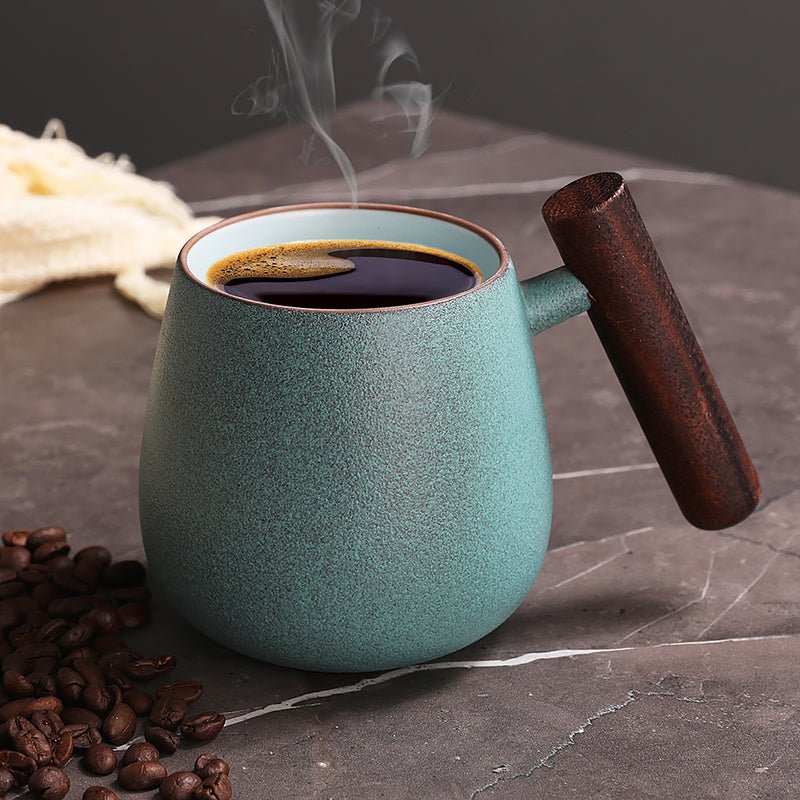
Best Coffee Mug Travel: What to Check Before You Buy
A practical buying guide for shoppers comparing the best coffee mug travel options. We focus on lid security, insulation, materials, size, and the trade-offs that matter in real daily use.
Czytaj dalej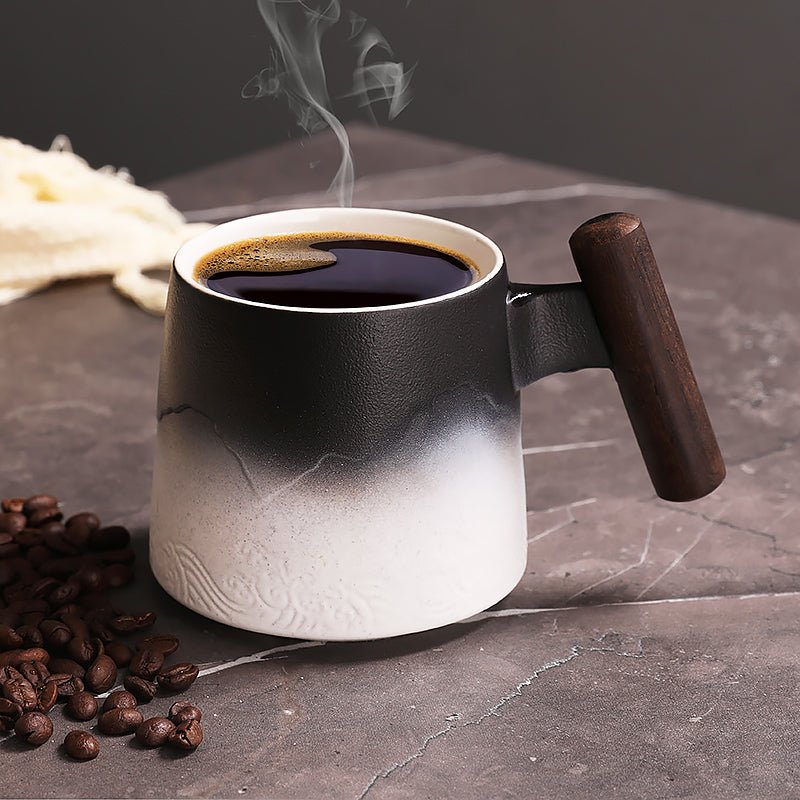
Coffee Mug Custom Guide: Materials, Sizes, Printing, and Buying Tips
A practical coffee mug custom buying guide from the shop floor: how to compare size, material, print quality, and care before you order. Use it to pick the right mug for home, office, or gifting wi...
Czytaj dalej
Zostaw komentarz
Ta strona jest chroniona przez hCaptcha i obowiązują na niej Polityka prywatności i Warunki korzystania z usługi serwisu hCaptcha.