
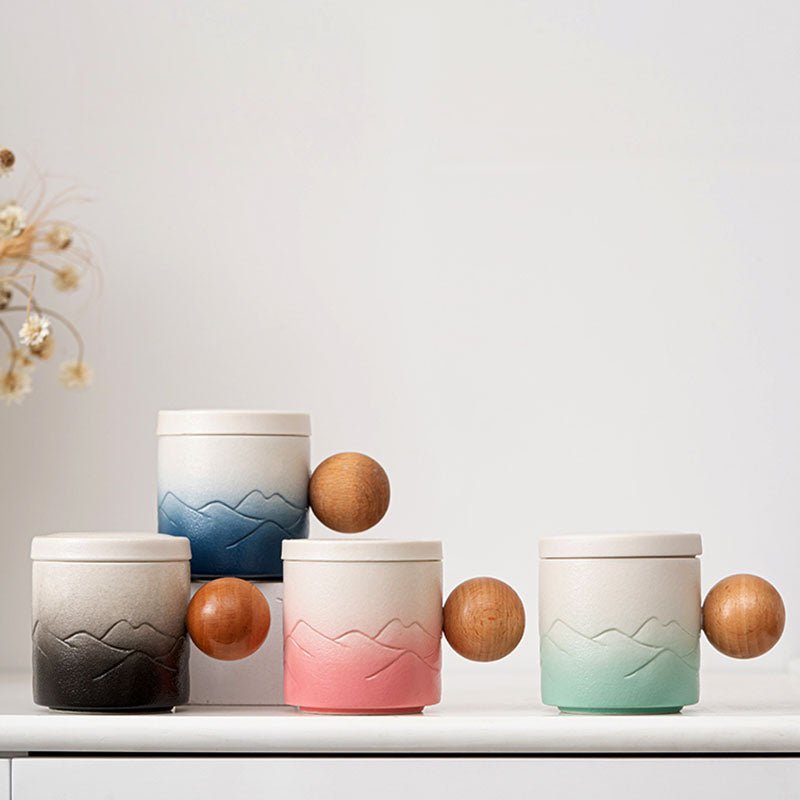
Small Coffee Mugs for Travel: How to Choose the Right One
Reading time: about 9 minutes
A small mug that fits in a car cup holder and does not take over a crowded desk sounds simple. In practice, the details decide whether it gets used every day or ends up in the back of a cabinet.
We see this all the time in our store: shoppers want small coffee mugs travel use, but they do not want a bulky tumbler. They want something compact for a short commute, a quick refill at the office, or a two-cup morning instead of a full travel flask. That is a real use case. It just needs the right format.
If you are comparing options, start with the basics on our collection page and then narrow down by how you drink coffee, not just by how the mug looks.
What makes a small coffee mug work for travel?
A good travel-friendly small mug is compact, stable, and easy to open one-handed. Size matters, but not in the way most people think. A smaller vessel is usually easier to tuck into a tote, lower in a bag pocket, and more comfortable on a desk where space is limited.
For most buyers, the sweet spot is a mug that holds enough for a short drink without forcing you to carry a full 16 to 20 ounces. That said, small is not automatically better. If you rely on long hot-hold times, a tiny mug may cool off too fast. If you sip slowly, you may prefer a larger insulated mug with a secure lid instead.
In our experience, the best small mugs for travel usually share three traits:
- Compact footprint that fits in common car cup holders and small bag compartments.
- Simple lid design that seals well enough for a commute but still opens easily at a desk.
- Material that matches the routine, such as ceramic for taste and home use, or stainless steel for better durability on the go.
If your coffee routine is mostly office-based with short moves between home, car, and desk, the article Coffee Travel Mugs: How to Choose the Right One for Daily Use gives a useful broader comparison before you decide on size.
Which material should you choose for small travel mugs?
Material changes how the mug feels in real use, not just how it looks in product photos. We handle a lot of ceramic and stainless options, and they solve different problems.
| Material | Best for | Trade-off |
|---|---|---|
| Ceramic | Desk use, home use, flavor purists | Heavier and more breakable in a bag |
| Stainless steel | Commutes, short trips, bumpier carry | Can feel less like a classic mug and may hold heat longer than you want |
| Glass with a sleeve | At-home travel between rooms or to the office | Not ideal for rough bag carry |
| Double-wall insulated builds | People who want temperature retention in a compact size | Often bulkier than simple mugs |
A ceramic small mug is a solid choice if you drink coffee at your desk and carry it only a short distance. It usually feels better in the hand, and it does not pick up the metallic note some buyers dislike in stainless steel. The downside is obvious: ceramic is not the best pick for tossing into a backpack every morning.
Stainless steel is the more practical choice for a bus ride, school run, or train platform. It handles everyday bumps better, but it also introduces another point to check: the lid. A decent lid should seat cleanly, resist drips, and be easy to remove for washing. A flimsy lid can ruin an otherwise good mug.
For buyers comparing ceramic options, our guide Ceramic Travel Coffee Mugs: What Buyers Should Check Before Ordering covers the practical checks we use before we recommend a ceramic model.
What size is actually useful for small coffee mugs travel?
Size should match your drink, not the other way around. Small travel mugs are useful when you want something lighter, easier to store, or less likely to spill if you take short sips and refill often.
For buyers, the most useful size questions are usually these:
- Do you want a true coffee serving or just a short keep-warm container?
- Do you drink one strong cup or several smaller refills?
- Will it live in a car cup holder, a work bag, or on a kitchen counter?
Small mugs are not ideal if you want one container to hold coffee through a long road trip. They also are not the best match for people who pour a full mug and leave it on a desk for two hours. In those cases, a larger insulated mug usually makes more sense.
What small does well is the in-between use case. A compact mug can be a good choice for:
- Short commutes where you finish your coffee before arrival.
- Office days where the mug sits near a laptop and does not crowd the desk.
- Hotel mornings or weekend errands where you want less bulk in your bag.
If you are comparing different mug shapes and capacities across our range, browse our products and look for the compact options first. A mug that feels right in your hand often matters more than the number on the label.
Which features matter most for commuting?
Not every travel feature matters equally. A leak-resistant lid is useful. A hard-to-clean lid is not. A stable base is useful. A narrow opening that makes sipping awkward is not.
Here is the practical checklist we use when evaluating compact mugs for commute use:
- Lid fit: The lid should close evenly without wobble. A loose fit is where most leaks start.
- Opening style: Flip lids, slider lids, and simple press-fit tops each behave differently. A flip lid can be easy on the move, while a simpler top is often easier to wash.
- Rim comfort: You will notice this on the first sip. If the rim feels sharp or awkward, the mug will not get used much.
- Base stability: A small mug should still sit flat. Wobble is a problem on train tables and narrow desks.
- Cleaning access: Coffee oils build up fast in lids and seals. A mug that comes apart cleanly is easier to keep fresh.
We also tell shoppers to watch for common defect modes. On compact travel mugs, the usual problems are a lid that twists off slightly under pressure, a seal that traps moisture, or a body shape that is too tapered for standard cup holders. Those are small details on paper and daily annoyances in real life.
If you want to compare this category against more conventional commuter picks, the article Best Coffee Mugs Travel: What to Buy for Commutes, Office Days, and Trips is a helpful next read.
What are the trade-offs of choosing a smaller mug?
Smaller mugs are convenient, but they are not universal. They are not the best fit for long hot-hold needs, large milk-based drinks, or anyone who prefers to pour once and forget about it.
The main trade-offs are straightforward:
- Less capacity: You may need a refill sooner.
- Less thermal mass: A small mug can cool down faster, especially if it is not insulated.
- More frequent cleaning: Smaller openings and lids can trap residue if they are not easy to disassemble.
- Less flexibility: Some compact mugs work well for black coffee but feel cramped with cream, foam, or larger pours.
That does not make them a bad buy. It just means they are best for a specific buyer profile. If your routine is a short commute, a quick meeting block, or a tidy desk setup, small mugs are often the smarter choice. If you want coffee to stay hot for hours in a bag, a larger insulated mug is usually the more honest purchase.
For buyers drawn to cute, compact styles but still wanting practical use, Coffee Travel Mugs Cute: What to Look For Before You Buy covers the design-versus-function trade-off clearly.
How do you keep a small travel mug clean and tasting fresh?
Cleaning is where a lot of otherwise good mugs lose points. Coffee leaves oils behind, and small lids can hide residue around the gasket or the sip opening. If a mug is annoying to clean, people stop using it.
Our practical care advice is simple:
- Wash the mug after regular use instead of letting old coffee dry inside.
- Take the lid apart if the design allows it, especially around seals and sliding parts.
- Use warm water and a mild dish soap for daily cleaning.
- Dry the lid and gasket fully before reassembly to reduce trapped moisture.
- Check whether the mug is labeled dishwasher-safe before putting it through a cycle.
Ceramic is usually the easiest material to keep tasting neutral, but it still benefits from regular washing. Stainless steel needs the lid checked more often because the body may be durable while the closure system is the part that wears first. If a mug starts smelling stale, the problem is usually in the lid, not the cup itself.
Frequently asked questions
Are small coffee mugs good for travel?
Yes, if your travel is short and your priority is convenience over maximum capacity. They work well for commutes, office desks, and short errands. They are not the best choice for all-day hot retention or long road trips.
What size is best for a small travel coffee mug?
There is no single correct size, but compact mugs usually suit people who drink one short serving at a time. The best size is the one that fits your cup holder, your bag, and your usual coffee portion. If you drink slowly, choose a size with better insulation rather than just going smaller.
Is ceramic or stainless steel better for small coffee mugs travel?
Ceramic is better for taste and desk use. Stainless steel is better for bumps, bag carry, and everyday commuting. If you want a mug that lives mostly at home or the office, ceramic is often the nicer daily choice.
Do small travel mugs leak less than larger ones?
Not automatically. Leak resistance depends more on the lid design and the seal than on size alone. A small mug with a poor lid can leak more easily than a larger mug with a well-made closure.
Can I put a small travel mug in the dishwasher?
Sometimes, but not always. The body may be dishwasher-safe while the lid or gasket needs hand washing. Check the care instructions before using heat and detergent on any seal or sliding lid mechanism.
What should you check before buying one?
Before you buy, compare the mug against your actual routine. Not the ideal routine. The real one. That is usually where the right choice becomes obvious.
- Will it fit your car cup holder or work bag?
- Do you want ceramic warmth or stainless durability?
- Is the lid easy to remove and clean?
- Will the size match your usual coffee portion?
- Do you need a mug for short carry or all-day retention?
If you want to keep the search focused, start with our full collection, then narrow to the compact options that fit your day. For a broader view of travel-focused choices, the article Best Travel Coffee Mugs for Commutes, Office Days, and Trips is the closest comparison point to this guide.
Our recommendation is simple: pick the smallest mug that still fits your real coffee habit, your cleaning tolerance, and your commute. That is the version you will actually keep using.
More from our blog
Read more
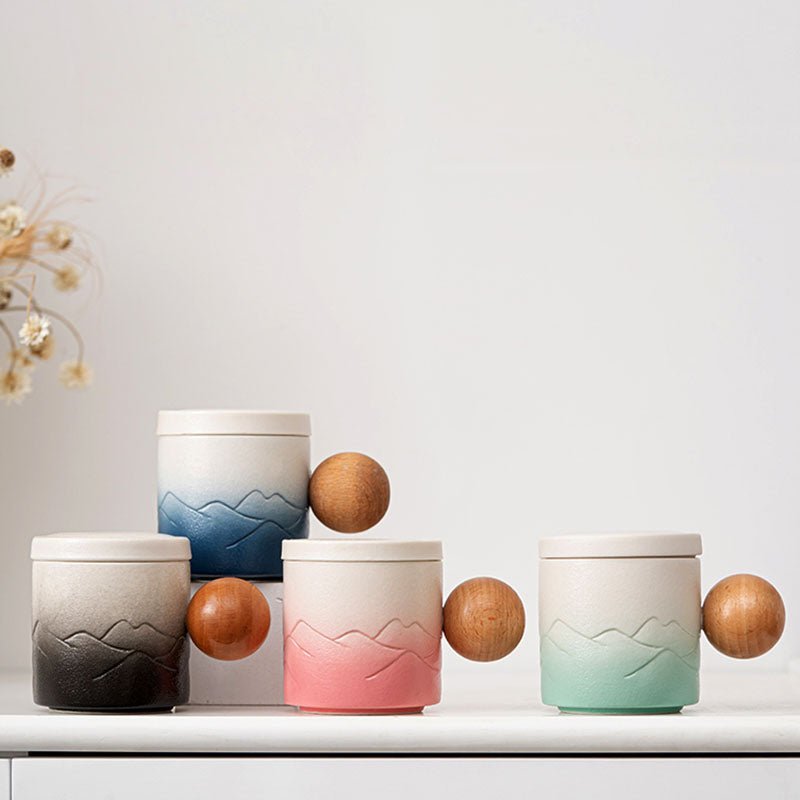
Small Coffee Mugs: What to Check Before You Buy
Small coffee mugs are a better fit for short pours, espresso drinks, tea, and compact kitchens than oversized everyday cups. This guide breaks down size, material, comfort, and the trade-offs that ...
Czytaj dalej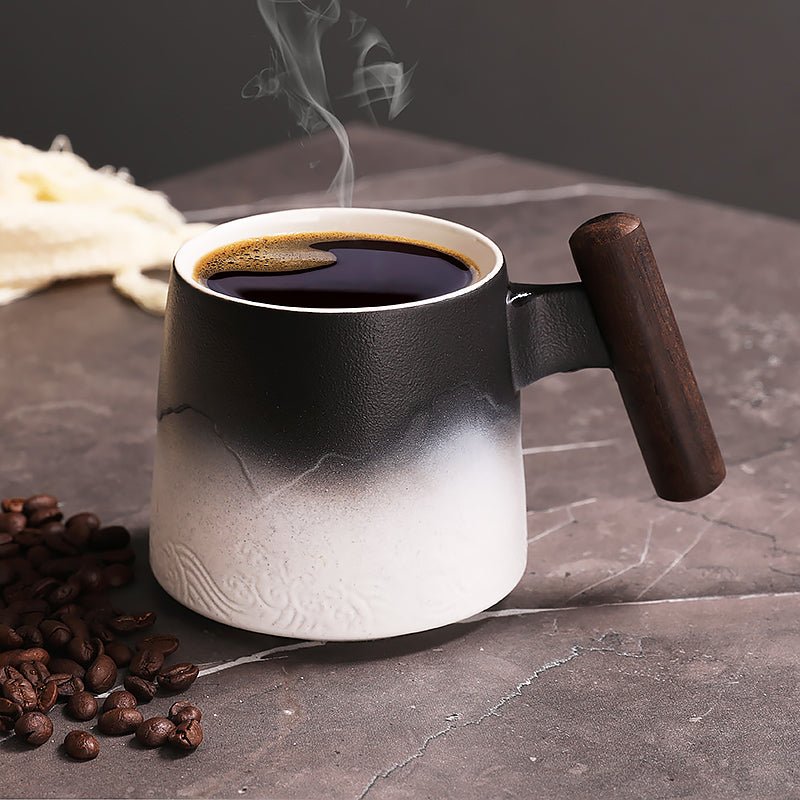
Talavera Coffee Mugs: What Buyers Should Check Before Ordering
Talavera coffee mugs bring strong color and hand-painted character, but the details matter. We break down size, material, care, and quality checks so you can buy the right mug the first time.
Czytaj dalej
Zostaw komentarz
Ta strona jest chroniona przez hCaptcha i obowiązują na niej Polityka prywatności i Warunki korzystania z usługi serwisu hCaptcha.