
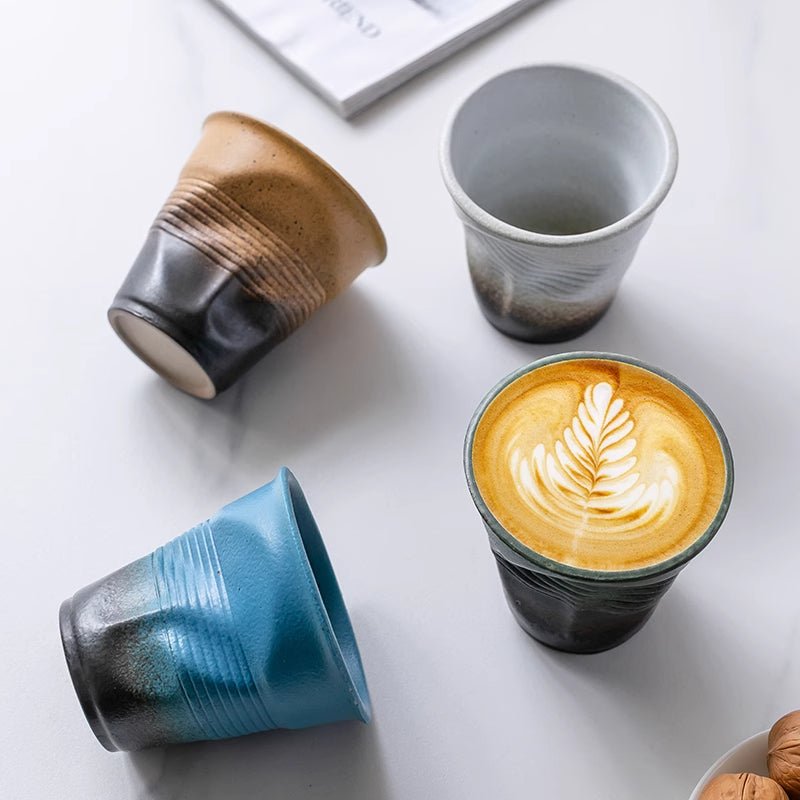
Small ceramic coffee cup shape and handle guide: Current options
Reading time: about 9 minutes
A small cup can fit neatly under a coffee machine and still be awkward in a cabinet because the handle, not the body, catches the door. Our small ceramic coffee cup shape and handle guide starts with that practical mismatch. The visible profile of the Pleated Coffee Tea Cup is only one part of the decision; capacity, total width, rim shape, and usable handle space matter just as much. Shoppers who want to compare beyond these three designs can also browse our unique coffee mugs collection.
In our store, we see buyers use small ceramic cups in very different ways: a short morning coffee at the kitchen counter, tea beside a laptop, or a compact gift packed with beans. We therefore separate facts visible on the product listings from general buying advice. We do not infer heat retention, chip resistance, microwave safety, or dishwasher suitability from a thick-looking rim or glossy glaze.
Small ceramic coffee cup shape and handle guide: what changes in daily use?
Four measurements or visual details shape most day-to-day decisions:
- Listed capacity: This tells you the nominal volume, but it does not automatically include comfortable carrying room or space for milk.
- Body dimensions: Height and widest body diameter affect machine clearance, shelf space, and how the cup feels when cradled.
- Overall width: The handle can make a compact body substantially less compact in a crowded cabinet.
- Handle opening: Exterior handle size is less useful than the interior space available for one or two fingers.
Shape also sets expectations. Pleats create a more visibly textured exterior. An emerald finish makes color the immediate design signal. Retro styling works best when the recipient or kitchen already leans toward nostalgic tableware. These are appearance and fit observations, not performance promises.
How do the Pleated, Emerald, and Retro profiles compare?
| Current option | Visible design cue | Best reader situation | Main trade-off to check |
|---|---|---|---|
| Pleated Coffee Tea Cup | A pleated exterior gives the body a structured, tactile-looking profile. | You want a small cup that adds texture to an open shelf or uncluttered desk. | The ridged look is not a match for someone who prefers plain, smooth-sided drinkware. Check the live dimensions and handle opening before ordering. |
| Emerald Coffee Tea Mug | The emerald color and familiar mug presentation carry most of the visual impact. | You want a cup that is easy to distinguish visually among neutral office or kitchen cups. | A strong green finish is less flexible if the buyer is trying to match an existing white or neutral set. |
| Retro Coffee Tea Cup | The silhouette and finish are presented with a retro design direction. | You are buying for someone who already likes nostalgic ceramics or characterful coffee accessories. | Retro styling can feel out of place in a strictly modern set. Confirm capacity and dimensions rather than judging scale from the cropped product image. |
For all three, use the live page as the final source for the listed height, width, capacity, and selected option. Product photography is useful for comparing shape, but images may not be normalized to the same scale. A cup that fills more of its image frame is not necessarily the larger cup.
What do 170, 200, and 270 ml mean at the counter?
The capacity points relevant to this small-cup comparison are 170, 200, and 270 ml, approximately 5.7, 6.8, and 9.1 US fluid ounces. Confirm which capacity is shown for the product and option selected on the live page. Treat that number as nominal capacity unless the listing specifically defines a recommended working fill.
- 170 ml: Best considered for a short serving with limited room for milk, foam, or carrying headspace.
- 200 ml: Adds a little flexibility for a modest coffee or tea serving without moving into full-size mug territory.
- 270 ml: Gives more room for milk or a longer drink, but it is still well below a 12 oz serving, which is about 355 ml.
Ice changes the calculation because it displaces liquid. A small ceramic cup is therefore not the practical choice for a large iced coffee. Buyers comparing these exact volume steps can use our 170, 200, and 270 ml affogato cup comparison. For a genuinely short drink, the ceramic espresso cup shape and handle guide provides a tighter reference point. A regular large morning drink is better matched through the 12 oz ceramic mug comparison.
Which handle form suits the way you hold a cup?
A handle can look generous in a close photograph while still offering only a one-finger grip. We recommend measuring the interior height and width of a handle you already enjoy using, then comparing that reference with the listing images and dimensions. Do not use the outside edge of the handle as your measurement; the usable opening is what your fingers experience.
- One-finger hold: Works for buyers who steady the cup with another finger or cradle the ceramic body.
- Two-finger hold: Needs enough interior height and width for both fingers without pressing against the ceramic.
- Body-cradling hold: Makes the exterior profile more relevant. Pleats and other surface details may feel different from a smooth wall.
- Desk use: Overall stability, handle projection, and clearance from nearby equipment may matter more than carrying comfort.
Choose the Pleated option if the body shape is the main attraction, the Emerald mug if color and a recognizable mug profile matter more, and the Retro cup if the handle needs to support an overall nostalgic look. None should be assumed suitable for every hand size from photographs alone.
How should listed dimensions be checked before checkout?
Capacity cannot tell you how a cup will occupy a shelf. A 270 ml body could gain volume through height, width, or both. On a small kitchen counter, those differences determine whether the cup fits beneath a machine or stacks comfortably beside other drinkware.
- Measure available height: Check from the shelf or drip tray to the lowest obstruction above it.
- Record the widest body measurement: Do not assume the rim is the widest point, especially on shaped or pleated designs.
- Allow for the handle: Overall width is the body width plus the handle projection. Confirm whether the product page's width includes the handle.
- Check the base footprint: A smaller foot can fit a compact saucer or machine tray even when the upper body is wider.
- Compare in millimeters or centimeters: Use one unit throughout instead of estimating from product photos.
We also recommend checking the cabinet with its door closed. Handles that point outward can use more shelf depth than expected. If a listed dimension is not clearly labeled as body-only or overall, do not treat it as both.
Which cup fits a small kitchen, office desk, or gift?
For a small kitchen with open shelving: The Pleated Coffee Tea Cup fits a buyer who wants the cup's surface design to remain visible between uses. Its main benefit here is visual texture, not a claimed improvement in grip or heat retention. Confirm the total width before choosing it for a tightly packed shelf.
For an office desk: The Emerald Coffee Tea Mug is the clearest next step if a distinct color helps separate a personal cup from standard office drinkware. It is not the quietest choice for a neutral workspace, and a compact handle may still need to be steadied by the cup body depending on hand size.
For gift unboxing: The Retro Coffee Tea Cup makes sense when the recipient already collects old-fashioned or characterful ceramics. Style is personal. A minimalist recipient may get more use from a simpler profile, so check their existing cups before buying solely on appearance.
For an undecided buyer: Start with intended drink volume, eliminate anything that does not fit the shelf or machine, and then choose the visual style. Our broader collection is more useful if none of these three shapes suits the recipient's normal serving size or grip.
What should you inspect and how should ceramic be cared for?
At unboxing, our team recommends checking the functional areas before discarding the packaging. Look for a chip on the drinking rim, a hairline crack running into the body, movement or cracking at either handle joint, and a rough foot that could mark a table. Glaze speckling or color variation may be intentional, so compare the finish with the product photos and description rather than treating every variation as damage.
Ceramic alone does not guarantee dishwasher or microwave compatibility. Glaze, decoration, and construction also matter. Follow the care statement on the current product page, and do not place the cup in either appliance if that use is not explicitly supported. During permitted dishwasher cycles, position the handle so it cannot knock against a plate or neighboring mug. Avoid abrupt temperature changes and stop using a cup with a crack at the rim, body, or handle joint.
Frequently asked questions
What does a small ceramic coffee cup shape and handle guide compare?
A useful small ceramic coffee cup shape and handle guide compares nominal capacity, listed height and width, total footprint, visible body profile, and usable handle opening. It should also separate appearance from unsupported claims about insulation, durability, or appliance safety.
Is a 170 ml ceramic cup too small for regular coffee?
It is too small for a 12 oz drink and may leave little space for milk or foam. It can suit a deliberately short serving, but measure the volume of the drink you normally prepare before ordering.
Will a small coffee cup handle fit two fingers?
Not necessarily. Handle size in a photograph does not show exact interior clearance, so compare the opening with a cup you already hold comfortably. Buyers who need a full two-finger grip should not assume that a compact loop will provide it.
Are these ceramic cups safe for a dishwasher and microwave?
Only rely on the care information stated on the current product page for the selected option. Do not infer dishwasher or microwave safety from the ceramic material or glazed appearance alone.
Which small ceramic cup is the better gift?
Choose Pleated for someone who likes visible texture, Emerald for someone who uses bold green tableware, or Retro for a recipient drawn to nostalgic design. If you do not know their style, prioritize their normal drink volume and preferred handle size before color.
A five-point check before you order
- Match the listed capacity to the drink plus any milk, foam, ice, and desired headroom.
- Confirm height, widest body measurement, base footprint, and overall width including the handle.
- Compare the usable handle opening with a cup that already fits your hand.
- Choose Pleated, Emerald, or Retro only after deciding which appearance fits the kitchen, desk, or recipient.
- Read the current care instructions instead of assuming all ceramic cups share the same appliance compatibility.
Keep those five checks beside the live product specifications, then open the unique coffee mugs collection and remove any option that misses your capacity, clearance, grip, or care requirements.
Read more
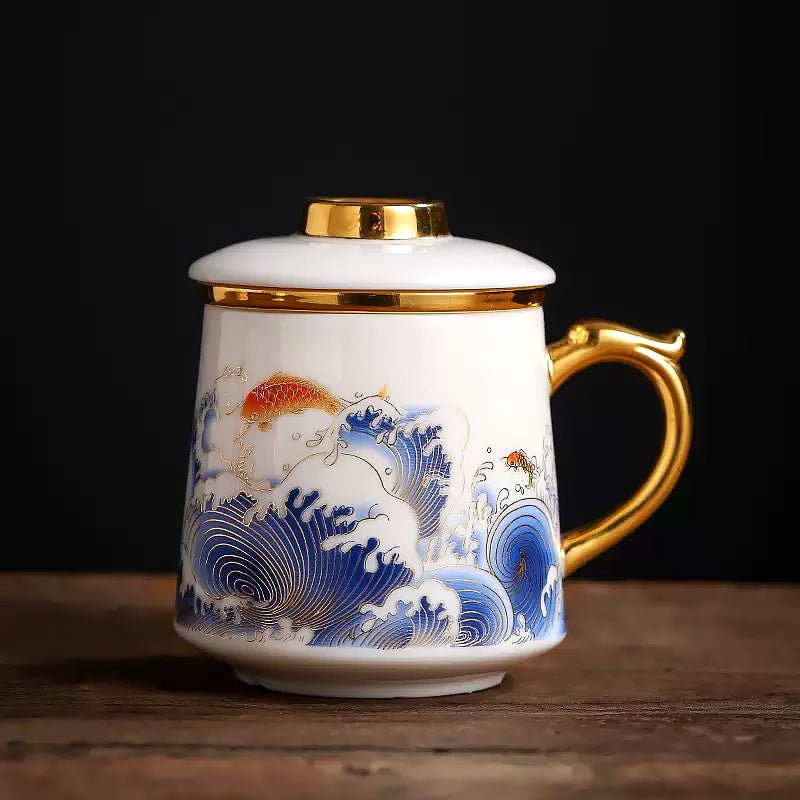
Ceramic Glazed Coffee Mugs Shape and Handle Guide: Current Options
Compare three current CoffeifyMug glazed mug styles by visible body profile, handle clearance, listed capacity and dimensions, care limits, and fit for shelves, desks, or gifting.
Czytaj dalej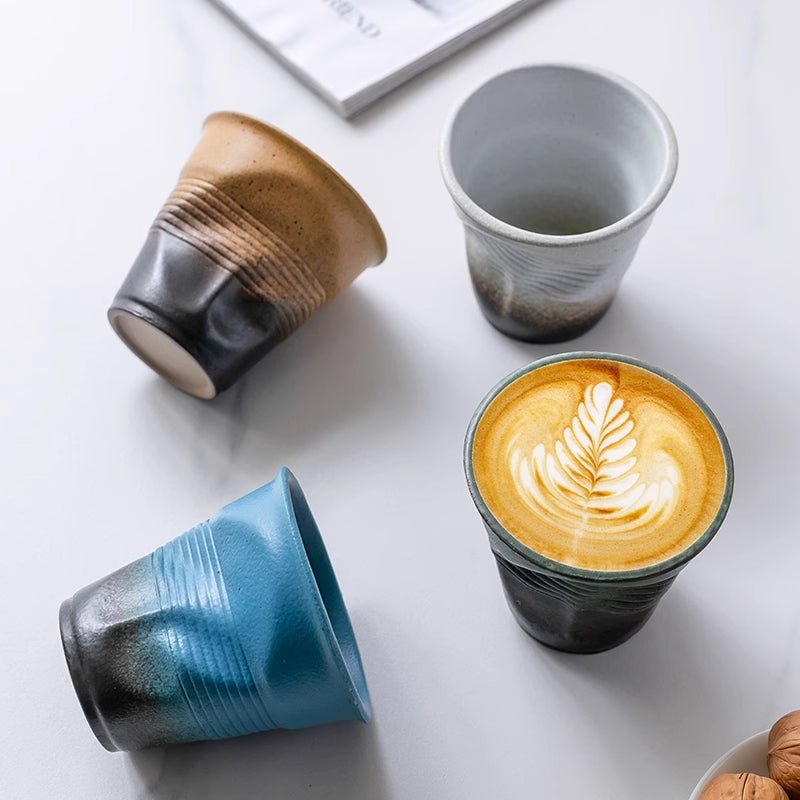
Green Tea Mug Shape and Handle Guide: 170, 200, or 270 ml
Compare CoffeifyMug's current 170, 200, and 270 ml green tea options by refill rhythm, visible body shape, handle checks, and size limits. This guide also flags the claims that capacity and product...
Czytaj dalej
Zostaw komentarz
Ta strona jest chroniona przez hCaptcha i obowiązują na niej Polityka prywatności i Warunki korzystania z usługi serwisu hCaptcha.