
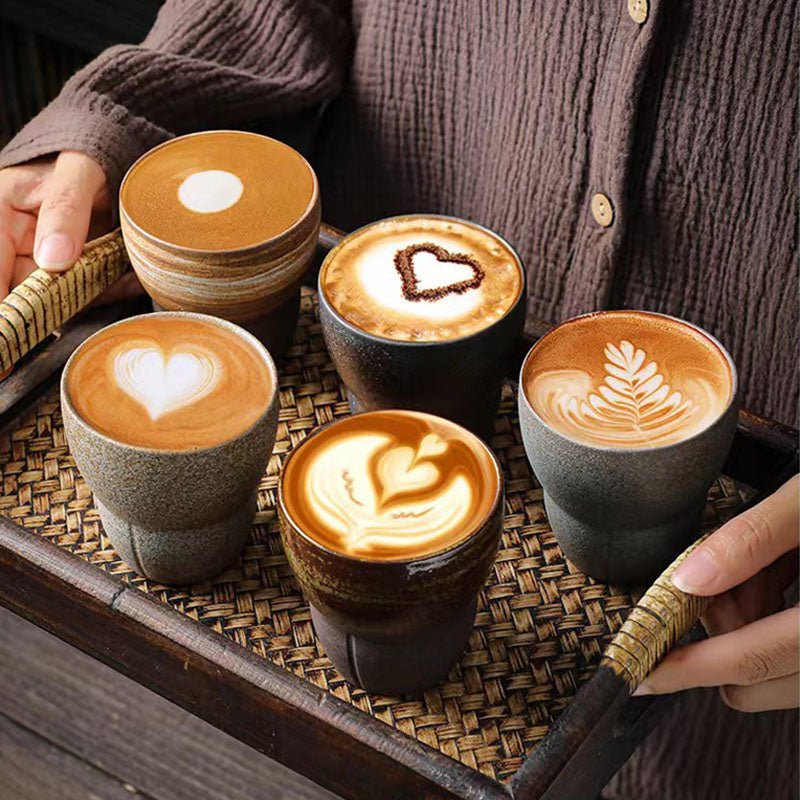
Retro Coffee Mugs: Style, Size, and Material Buying Guide
Reading time: about 8 minutes
A retro coffee mug looks simple on a shelf. The problems usually show up on the first real use: the handle feels too tight, the cup is bigger than your drip tray, or the glaze starts showing tea marks after a few refills. We see those trade-offs often in our store, which is why we compare retro coffee mugs by how they perform on a kitchen counter, at an office desk, and in a gift box.
If you want to start with one straightforward option, take a look at our retro coffee tea cup. If you want to compare styles across the store first, the all collection is the easiest place to browse before narrowing your choice.
What makes retro coffee mugs different from standard mugs?
Retro coffee mugs are not just about color. The look usually comes from a few recognizable details: a rounded or slightly tapered body, a thicker handle, a heavier base, and glaze or print choices that lean into older diner, mid-century, or kitchen-table styles. Those details change the experience more than people expect.
In our experience, buyers usually want one of two things. Some want a mug that feels nostalgic and decorative on an open shelf. Others want the vintage look but still need something practical for everyday coffee. Those are not always the same mug.
| Detail | Why buyers notice it | Trade-off |
|---|---|---|
| Rounded body | Feels classic and stable in the hand | Takes a bit more cabinet space than a straight-sided mug |
| Thicker handle | Usually easier to grip with 2 or 3 fingers | Can feel bulky if you prefer a slim cup |
| Glazed ceramic or stoneware | Holds heat well and supports vintage-style finishes | Heavier than thin travel or glass cups |
That is why retro coffee mugs work best when the shopper wants a daily cup with personality, not just a decorative object. If you want something ultralight, stackable for a crowded break room, or built for commuting, this category is usually not the best fit.
Which size feels right for your daily coffee?
Size is where most buying mistakes happen. A mug that looks balanced in photos can feel too small for a latte or too large for an espresso-based drink. It can also be awkward in a machine with limited clearance.
For most shoppers, the useful question is not what looks best. It is what you actually pour every morning.
- 8 to 10 oz: Best for smaller pours, tea, or a short coffee break. Good if you like a concentrated drink and do not want excess capacity.
- 12 oz: The most flexible everyday size for drip coffee, tea, and many home brews. It is usually the safest middle ground.
- 14 oz: Better for people who want more room for milk, cream, or a larger pour. It can feel heavier and take up more shelf space.
If you are comparing sizes in more detail, our guides on 10 oz coffee mugs and 12 ounce coffee mugs cover the practical fit questions shoppers ask most often. For a deeper comparison of larger everyday cups, our 14 ounce coffee mugs article is useful too.
A simple rule from our side: if you want one mug for daily coffee and tea, 12 oz is usually the least risky choice. If you prefer a fuller cup and do not mind a little extra weight, 14 oz can make sense. If you like a smaller, more traditional pour, 10 oz keeps the retro feel without overbuilding the cup.
Which material should you choose for heat, weight, and care?
Most retro coffee mugs are ceramic or stoneware, and there is a reason for that. Both materials handle daily kitchen use well, support richer glaze colors, and give that solid feel people associate with vintage drinkware. The difference is mostly in weight, finish, and how forgiving the mug is over time.
Here is how we think about the common options:
- Ceramic: Usually smoother and a little lighter. Good for everyday use if you want a clean finish and easy visual consistency.
- Stoneware: Often thicker and heavier. It can feel more substantial in the hand and may suit a rustic retro style better.
- Porcelain-style bodies: Typically finer and more refined-looking. They can be great for a polished retro look, but they may not give the heavy diner feel some buyers want.
The trade-off is straightforward. Thicker walls usually hold warmth longer, but they add weight. Thinner walls feel lighter, but coffee can cool faster. If you want a mug for long desk sessions, thickness helps. If you hate lifting a heavy cup ten times a morning, keep it lighter.
Care matters too. Plain glazed mugs tend to be easier to keep clean in regular dishwashing, but any mug with metallic trim, delicate printing, or a very textured surface deserves a closer look before you put it into a repeated dishwasher cycle. If the inside glaze is light-colored, it may show coffee and tea marks sooner than a darker interior. That is not a defect, just a maintenance trade-off.
What details should you check before you buy?
Small details determine whether a mug feels good on day one and still feels good after a month. We inspect these the same way a customer would use them at home: on a crowded counter, under a cabinet, and in the sink after breakfast.
- Handle clearance: Make sure your fingers can fit comfortably without touching the cup body.
- Rim thickness: A slightly rounded rim feels better for coffee and tea than a sharp edge.
- Base stability: A flatter foot ring or solid base helps on slick countertops and desk surfaces.
- Interior finish: Dark or heavily glazed interiors can hide use marks better than very pale interiors.
- Cabinet and machine fit: Check the height if you use a coffee maker, shelf, or mug rack with limited space.
We also pay attention to common defect modes. With retro-style mugs, the first things to check are uneven glaze, handle alignment, and tiny rim inconsistencies. Those issues may be purely cosmetic, but if you are buying a gift or building a matching set, they matter. A mug that looks great in photos can still feel off in the hand if the handle angle is awkward.
If you are comparing retro coffee mugs as a gift, a clean finish and balanced shape usually beat novelty. The recipient is more likely to use a mug that feels comfortable than one that only photographs well.
Where do retro coffee mugs work best, and where do they fall short?
Retro coffee mugs fit naturally in a few settings. They are strong choices for kitchen counters, home offices, breakfast nooks, and gift bundles. The design has enough character to stand alone, which is useful if you want a mug that does not need a full matching set to feel intentional.
At the same time, this category has limits. Retro mugs are usually not the best option for travel, commuting, or gym bags. They are also not ideal if you want the thinnest possible cup for fast espresso drinking. If your priority is portability, look at a travel mug instead. If your priority is a very precise espresso vessel, a smaller, narrower cup will be better.
For home use, the appeal is easy to see. A retro mug on a breakfast tray looks finished. On an office desk, it gives a little warmth to a very plain setup. For gifts, it feels personal without being too specific. That is why we keep a close eye on balance, weight, and handle shape when we evaluate new pieces in our store.
If you are still sorting through styles, our article on coffee mugs retro style, size, and material is a helpful companion piece for the comparison stage. It stays focused on the same buying questions without pushing you toward a single look.
How do you compare retro coffee mugs before adding one to cart?
Use a short checklist before you buy. It keeps the decision practical and prevents a pretty mug from becoming a drawer fixture after one week.
- Choose the capacity that matches your real drink, not the drink you imagine having.
- Check the handle with your hand size in mind, especially if you drink slowly and hold the mug for long periods.
- Look at the material and finish together, because a beautiful glaze still needs to work with your cleaning routine.
- Confirm the mug will fit your coffee maker, cabinet, or mug tree.
- Decide whether you want the mug for everyday use, gifting, or display first. The right choice changes with the use case.
In our experience, shoppers are happiest when they pick the mug that matches their routine, not just the one that looks most like a vintage photo. A mug that feels comfortable at breakfast and survives a normal week of use is a better purchase than a display piece that never leaves the shelf.
Frequently asked questions
Are retro coffee mugs good for everyday use?
Yes, if you choose the right size and material. Retro coffee mugs are often made from ceramic or stoneware, which can handle daily coffee and tea well. The main question is comfort: if the handle, weight, and capacity fit your routine, they work fine for everyday use.
What size retro coffee mug is best for coffee?
For most people, 12 oz is the most flexible everyday size. If you drink smaller pours, 8 to 10 oz may feel better. If you add a lot of milk or prefer a larger serving, 14 oz can be the better fit.
Are retro coffee mugs dishwasher safe?
That depends on the specific finish and decoration. Plain glazed ceramic mugs are often easier to keep in a dishwasher routine, but printed designs, metallic accents, or textured surfaces may need gentler care. Always check the care details before you buy.
Do retro coffee mugs keep drinks hot for long?
They usually hold heat reasonably well, especially if the mug has thicker walls. Stoneware and heavier ceramic tend to feel warmer and more substantial than thin cups. They are not insulated like travel mugs, so they are better for home or desk use than for long commutes.
Are retro coffee mugs a good gift?
Yes, if the style matches the person and the size is practical. Retro mugs are easy to gift because they feel personal without being hard to use. A balanced handle and a common everyday capacity usually make the safest choice.
If you want to compare options side by side, start with the all collection and use the checklist above to narrow the size, material, and handle fit before you buy.
Read more
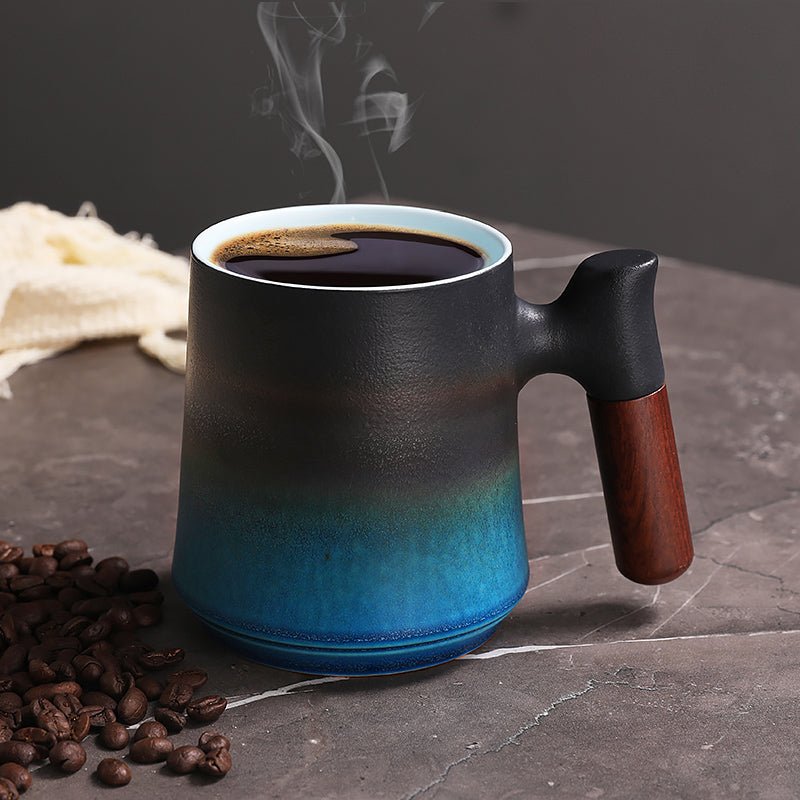
Viking Coffee Mug Buying Guide: What to Check Before You Buy
A viking coffee mug should feel solid in the hand, fit your routine, and keep its artwork looking clean after regular use. We break down the checks that matter before you buy, plus where to look if...
Czytaj dalej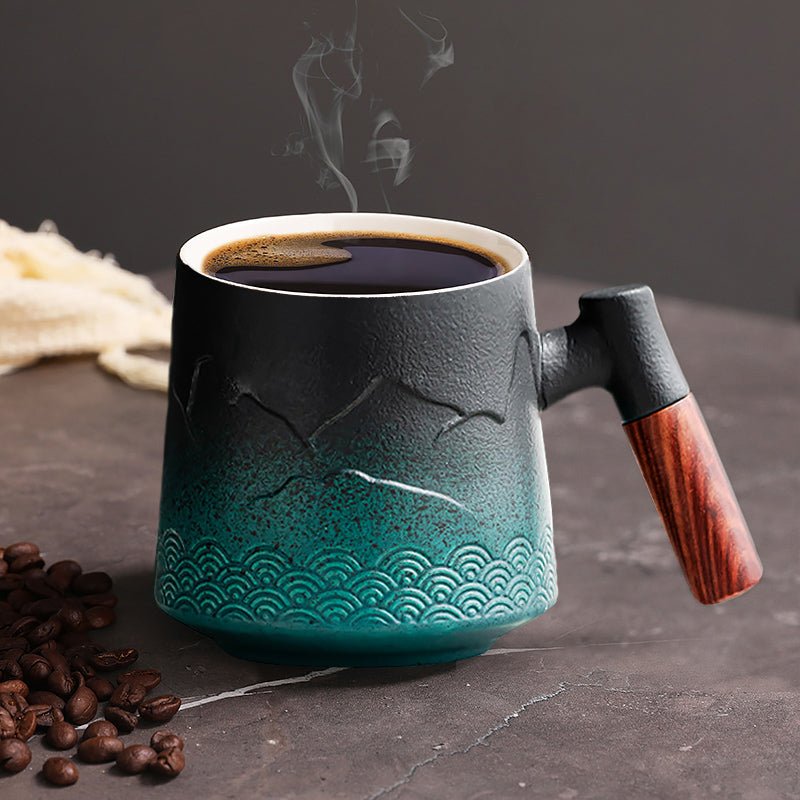
Coffee Mug With Mushrooms: How to Choose the Right One
A coffee mug with mushrooms should do more than look good on a shelf. This guide covers size, handle comfort, care, and the trade-offs that matter before you buy.
Czytaj dalej
Zostaw komentarz
Ta strona jest chroniona przez hCaptcha i obowiązują na niej Polityka prywatności i Warunki korzystania z usługi serwisu hCaptcha.