
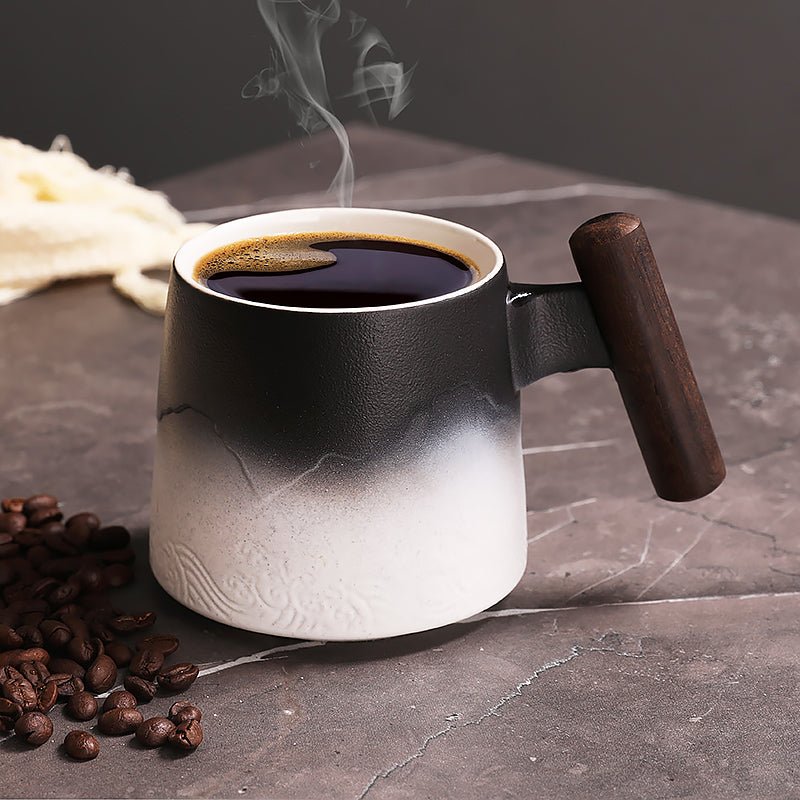
Reduce Coffee Mug Buying Guide: What to Check Before You Buy
Reading time: about 11 minutes
A mug that looks perfect online can feel wrong the first morning you use it. The handle may pinch, the base may not sit well under your coffee machine, or the cup may cool too quickly on an office desk near the air vent. We see these small frustrations often in our store, and they matter more than most shoppers expect.
If you are searching for a reduce coffee mug, you are probably comparing reusable mugs, everyday coffee cups, and possibly insulated options that help cut down on disposable cups. The right choice depends less on a fancy product name and more on how you actually drink coffee: seated at a desk, walking out the door, refilling from a home espresso machine, or gifting someone a mug they will use daily.
What does a reduce coffee mug usually mean for shoppers?
Most shoppers use the phrase reduce coffee mug in one of two ways. Some mean a reusable mug that helps reduce single-use paper or plastic cups. Others are looking for a specific style of practical coffee mug that fits daily routines without waste, spills, or awkward sizing.
For buying purposes, we suggest thinking about it as a reusable coffee mug chosen for fit, comfort, durability, and repeat use. That can include ceramic mugs for the kitchen, stoneware mugs for heavier everyday use, or stainless steel insulated mugs for commuting. Each has a place. None is perfect for every situation.
Before comparing designs, start with the use case:
- Home counter coffee: A ceramic or stoneware mug with a comfortable handle usually feels best.
- Office desk use: A stable base, moderate capacity, and easy dishwasher cleaning matter more than decoration.
- Commuting: Look for an insulated mug with a fitted lid, but expect more parts to clean.
- Gifting: Prioritize a widely useful size, comfortable grip, and a design that feels personal without being fragile.
- Small kitchens: Check stackability, cabinet height, and mug width before buying multiples.
If you want to compare current everyday options, browse our full mug selection on the CoffeifyMug collection page. It is the quickest way to see different styles side by side.
Which size reduce coffee mug is best for daily coffee?
Size is where many buyers make the wrong call. Bigger is not always better. A 16 oz mug may look generous, but it can feel oversized under a single-serve machine or leave coffee cooling before you finish it. A 10 oz mug may feel neat and tidy, but it may not leave room for milk, foam, or creamer.
Here is how common mug sizes usually behave in daily use:
| Size | Best fit | Trade-off |
|---|---|---|
| 10 oz | Black coffee, smaller servings, compact counters | Limited room for milk or whipped toppings |
| 11 oz | Classic everyday coffee, gifts, office use | May feel small for latte drinkers |
| 12 oz | Coffee with milk, cappuccino-style drinks, morning refills | Slightly bulkier than a standard mug |
| 14 oz | Longer desk sessions and larger home brews | Coffee may cool if you sip slowly |
| 15 to 16 oz | Large servings, tea, cocoa, or extra creamer | Can be heavy and may not fit every machine tray |
In our experience, 11 oz and 12 oz mugs are the safest choices for most daily coffee drinkers. They hold enough for a normal serving without becoming clumsy. If you are buying for someone else, these sizes also tend to feel familiar in the hand.
For a deeper size check, our 11 oz coffee mug guide explains why that capacity works well for classic coffee drinkers. If you prefer more room for milk or foam, compare it with our 12 ounce coffee mug buying guide.
What material should you choose: ceramic, stoneware, or stainless steel?
Material affects weight, heat retention, flavor, cleaning, and how the mug feels on the lip. This is one of the details shoppers often overlook because product photos do not show how a mug behaves after repeated dishwasher cycles or daily use.
Ceramic mugs are the classic choice for home and office coffee. They usually have a smooth glazed surface, which helps resist staining and does not add a metallic taste. A well-glazed ceramic mug is easy to rinse after coffee, especially if you do not let it sit overnight.
Stoneware mugs are often slightly heavier and may feel more substantial. Many shoppers like that grounded feel. The trade-off is weight. A large stoneware mug filled with coffee can feel tiring if the handle is narrow or if you carry it around the house.
Stainless steel insulated mugs are better for heat retention and travel. Double-wall vacuum insulation can keep drinks warmer longer than a standard ceramic mug, but the lid gasket, slider, and drinking port need regular cleaning. If you dislike washing small parts, a lidded insulated mug may annoy you over time.
Here is the practical comparison we use with customers:
- Choose ceramic if you drink coffee at a table, desk, or kitchen counter and want a clean, familiar feel.
- Choose stoneware if you like a heavier mug and do not mind extra weight.
- Choose stainless steel if you need a lid, commute with coffee, or want better heat retention.
- Avoid stainless steel if you mainly want a quiet, cozy mug for home and do not want lid maintenance.
- Avoid oversized stoneware if grip strength, wrist comfort, or cabinet space is a concern.
What handle, rim, and base details matter before buying?
A reduce coffee mug should be easy to reuse every day. That means the small physical details matter. We always check the handle opening, rim thickness, and base stability because those are the parts you notice after the first week.
Handle clearance is a real comfort issue. If the opening is too tight, larger fingers press against the hot mug wall. A handle that fits two or three fingers securely is usually more comfortable than a tiny decorative loop. The connection points should also feel smooth, with no rough seam where your knuckle rests.
Rim thickness changes the drinking experience. A very thick rim can feel clunky, especially for black coffee or espresso-style drinks. A very thin rim can feel refined but may chip more easily if knocked against a sink or dishwasher rack. For everyday use, a medium-thickness glazed rim is the safest balance.
Base width affects stability. Narrow-bottom mugs look elegant but tip more easily on crowded desks, especially near keyboards, notebooks, and charging cables. A wider base is better for office use. If you use a single-serve brewer, measure the space under the spout with the drip tray in place; tall mugs may require removing the tray.
These checks are especially useful if you are buying a larger mug. Our 16 oz coffee mug guide covers the fit and weight issues that show up once capacity increases.
Is a reduce coffee mug good for travel?
Not always. This is where shoppers should be careful. A regular ceramic mug, even a sturdy one, is not a travel mug. It does not seal, it can spill in a car cup holder, and it is more likely to chip if dropped on pavement or tile.
If your main goal is commuting, choose a mug specifically designed for travel. Look for a fitted lid, a drinking opening that closes securely, and a base that fits your vehicle cup holder. Many car cup holders work better with tapered bases than straight-sided desk mugs.
A lidded travel mug has its own drawbacks:
- It usually has more crevices to clean than an open mug.
- Some lids hold coffee odor if not washed promptly.
- Slider mechanisms can trap milk residue.
- Insulated walls can make the outside feel cool, so you may not realize how hot the drink still is.
- Not every travel lid is leakproof, even if it reduces splashes.
For home and office, an open ceramic or stoneware mug often feels better. For car use, a true travel mug is the safer choice. If you are unsure which direction fits your routine, start by viewing the options on our CoffeifyMug products page and compare the shape, capacity, and intended use before choosing.
How should you care for a reusable coffee mug so it lasts?
Care is simple, but a few habits make a noticeable difference. We handle mugs through packing, returns checks, and daily use, and most problems come from chips, stains, thermal shock, or residue left too long.
Use these basic care steps:
- Rinse soon after use. Coffee oils cling to the glaze and rim if the mug sits for hours.
- Avoid sudden temperature shocks. Do not take a very cold ceramic mug and immediately fill it with boiling water.
- Load the dishwasher carefully. Keep the rim away from metal pans, utensils, and other mugs that can knock into it during the cycle.
- Check lid parts separately. For travel mugs, remove silicone gaskets if the design allows and wash around the groove.
- Do not use abrasive scrubbers on decorated surfaces. They can dull glossy prints or scratch some finishes.
Most everyday glazed mugs are low maintenance, but no mug is indestructible. Ceramic can chip. Stainless steel can dent. Printed designs can wear faster if scrubbed harshly or washed with rough items every day. A practical mug is one that suits your cleaning habits, not just your coffee preference.
What should gift buyers check before choosing a reduce coffee mug?
Mugs are popular gifts because they feel useful, but the wrong mug becomes cabinet clutter. Gift buyers should keep the recipient’s routine in mind. Someone who drinks one black coffee every morning may not want a huge 16 oz mug. Someone who makes creamy drinks may find a small mug frustrating.
For gifts, we recommend checking these points:
- Capacity: 11 oz or 12 oz is usually the safest everyday range.
- Handle comfort: Avoid handles that look decorative but cramped.
- Microwave habits: If they reheat coffee often, a standard ceramic mug is usually more practical than metal.
- Dishwasher habits: Busy households usually prefer mugs that do not require hand washing.
- Cabinet space: Very tall or extra-wide mugs may not fit shelves neatly.
- Design style: Choose something they would actually leave on a desk, not just something that looks fun in the gift box.
Gift unboxings are where weight and finish make a strong first impression. A mug that feels balanced, with a smooth rim and clean glaze, tends to feel more considered than one chosen only for size.
Which shoppers should not choose a standard reduce coffee mug?
A standard reusable coffee mug is not the best fit for everyone. If you need a spill-resistant cup for a commute, choose a travel mug instead of an open ceramic mug. If you want coffee to stay hot for long outdoor walks, stainless steel insulation will outperform standard ceramic. If you have very limited cabinet space, oversized mugs may create more clutter than value.
There are also situations where a smaller mug is smarter. Espresso drinkers, single-cup black coffee drinkers, and people using compact machines may prefer 10 oz or 11 oz. Buyers who make large lattes, cocoa, or tea may want 14 oz to 16 oz, but they should accept the added weight and slower cooling pattern.
The best mug is not the largest or the most decorated. It is the one you reach for without thinking because it fits your machine, your grip, your sink, your dishwasher, and your routine.
Frequently asked questions
What size reduce coffee mug should I buy for everyday coffee?
For most daily coffee drinkers, 11 oz or 12 oz is the safest range. It gives enough room for a standard pour plus a little milk or creamer without making the mug heavy or awkward. Larger sizes are better if you drink lattes, tea, or long refills at a desk.
Is a ceramic reduce coffee mug better than stainless steel?
Ceramic is usually better for home and office use because it feels familiar, is easy to sip from, and does not add a metallic feel. Stainless steel is better for travel and heat retention. The trade-off is that stainless mugs often have lids, gaskets, and small parts that need more careful cleaning.
Can I use a reduce coffee mug in the microwave?
A ceramic mug is often the better choice for microwave reheating, but you should always check the product care details before use. Stainless steel mugs should not go in the microwave. If microwave use is part of your daily routine, avoid metal travel mugs and choose a microwave-appropriate ceramic style.
What makes a coffee mug comfortable to hold?
Handle clearance, mug weight, and balance matter most. A good everyday mug should allow a secure finger grip without pressing your knuckles against the hot cup wall. Larger mugs need wider, more supportive handles because the filled weight increases quickly.
Is a reduce coffee mug a good gift?
Yes, if you choose a practical size and style that matches the recipient’s routine. An 11 oz or 12 oz mug is usually safer than an oversized mug for gifting. Check whether they drink at home, commute, use a dishwasher, or reheat coffee before choosing.
Buyer checklist before you choose
Use this quick checklist before adding a reduce coffee mug to your cart:
- Will it fit under your coffee machine with the drip tray in place?
- Is the capacity right for your usual drink, not just the largest drink you occasionally make?
- Does the handle look roomy enough for a comfortable grip?
- Is the material right for the setting: ceramic for desk use, stainless for travel, stoneware for a heavier feel?
- Will it fit your cabinet, dishwasher rack, and car cup holder if needed?
- Are you willing to clean lid parts if you choose an insulated travel style?
If you want a practical next step, compare sizes and shapes in our full CoffeifyMug collection. Start with how you drink coffee on a normal weekday, then choose the mug that fits that routine instead of the one that only looks good in a product photo.
More from our blog
Read more
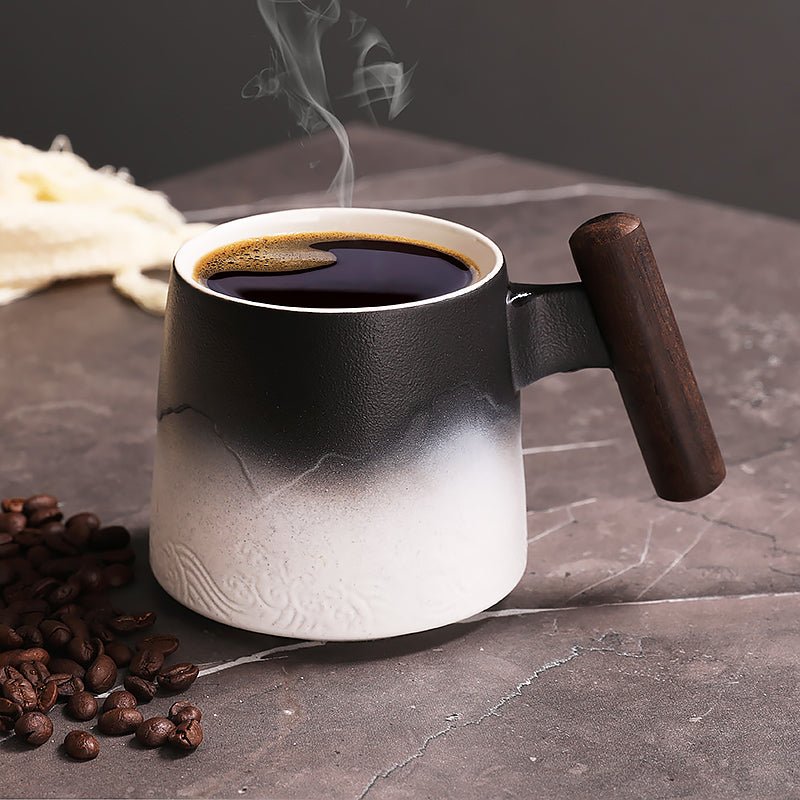
Peet's Brown Southwestern Stoneware Mug: Buyer Checkpoints
Shopping for a brown Aztec-style stoneware mug? Here is what to check before buying, from glaze feel and handle comfort to capacity, care, and gift suitability.
Czytaj dalej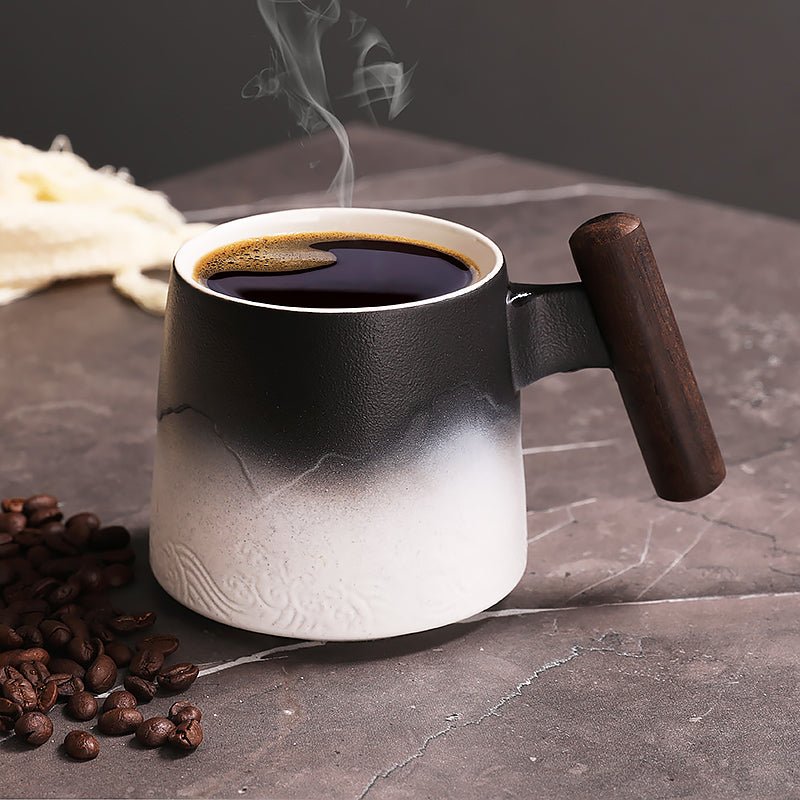
Swig Coffee Mug Buying Guide: Size, Lid, Insulation, and Fit
A practical buyer’s guide to choosing a swig coffee mug, including size, lid style, insulation, handle comfort, cleaning, and when a ceramic mug may be the better choice.
Czytaj dalej
Zostaw komentarz
Ta strona jest chroniona przez hCaptcha i obowiązują na niej Polityka prywatności i Warunki korzystania z usługi serwisu hCaptcha.