
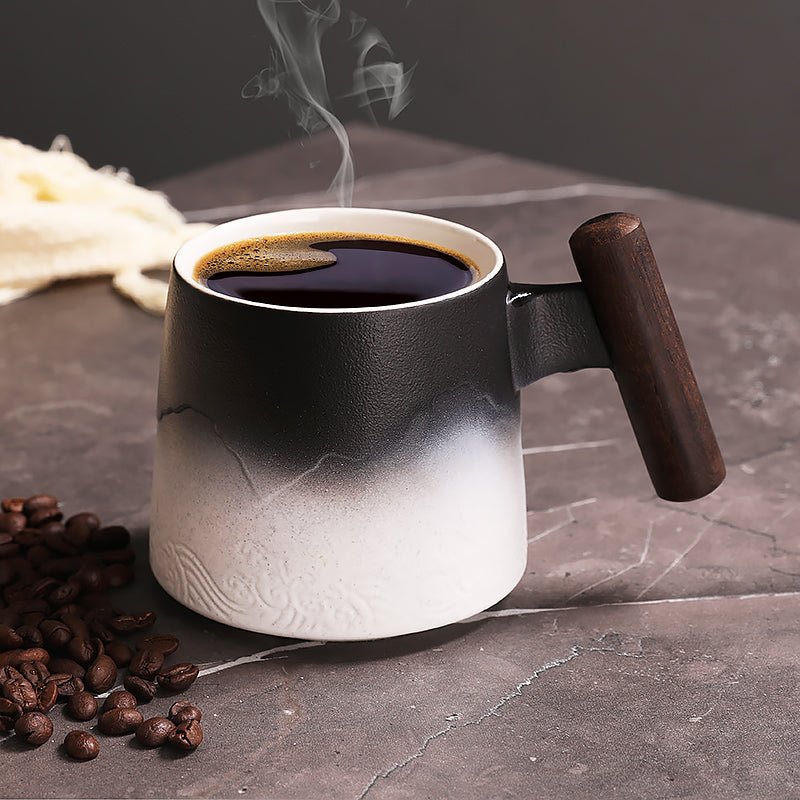
Printing on Coffee Mugs: Methods, Materials, and Buying Tips
Reading time: about 10 minutes
We see the same problem all the time: a mug looks great in the product photo, then the print starts chipping at the rim, fading in the dishwasher, or feeling rough in hand after a few washes. That is usually not a design problem. It is a material and production problem.
If you are comparing printing on coffee mugs for a gift, office set, or daily-use cup, the details matter. The mug body, glaze, print method, and care routine all affect how sharp the artwork looks on day one and how long it stays that way. In our store, we look at mugs the same way customers do at the kitchen sink or on a desk: does the print hold up, does the shape feel comfortable, and does it still look good after real use?
For shoppers who want to compare style and size at the same time, our full mug collection is the easiest place to start. If you already know you want a gift-worthy mug with a more distinctive silhouette, the Pleated Coffee Tea Cup, Golden Waves Kio Coffee Tea Mug, and The Flow Coffee Tea Mug are good examples of how shape changes both the look of the print and the feel in hand.
What actually affects how a mug print looks and lasts?
The print is only one part of the finished mug. The surface underneath matters just as much. We look at four things first: the base material, the glaze, the print placement, and the mug shape.
1. Material. Most everyday printed mugs are ceramic. Ceramic gives a smooth surface for printed designs and handles heat well for coffee and tea. It is also the most common choice for desk mugs and gift mugs because it feels familiar and holds up to regular washing when treated correctly.
2. Glaze finish. A glossy glaze usually makes printed colors look brighter and sharper. A matte surface can look more premium, but it may show wear differently, especially on handled areas like the rim and handle. If the mug has texture, that texture can interrupt very fine lines in the artwork.
3. Print placement. A wraparound print gives a fuller visual effect, but the seam area near the handle can become a design compromise. Front-and-back prints are cleaner if you want a logo, phrase, or simple graphic that faces outward on a desk.
4. Mug shape. Straight-sided mugs and gently tapered mugs are easier for consistent print placement. Curved, pleated, or sculptural mugs create a more interesting look, but the artwork has to work with the surface rather than against it.
That is why a mug can look excellent in a listing and still not be the right mug for daily printing use. A strong design on the wrong shape will always feel less resolved in person.
Which printing method should you choose for a coffee mug?
Buyers usually do not ask for the print method by name, but they feel the difference quickly. The most common methods each have trade-offs.
| Printing method | Best for | What to watch for |
|---|---|---|
| Sublimation | Full-color designs, photos, gradients | Works best on coated surfaces; can look less sharp on textured mugs |
| Screen printing | Simple logos, bold text, limited colors | Less suited to detailed artwork or color transitions |
| Decal/transfer print | Decorative designs and specialty finishes | Durability depends on production quality and care |
| Laser engraving on coated pieces | Minimal, permanent-looking branding | Usually not for colorful artwork; more restrained visual impact |
For most shoppers, the right choice depends on how the mug will be used.
- Choose sublimation if you want a colorful gift mug or a design with soft edges, artwork, or multiple shades.
- Choose screen printing if your design is simpler and you want crisp text or a logo that reads well from across a desk.
- Choose a specialty finish if the mug itself is part of the gift and the print is meant to feel decorative rather than purely functional.
One limitation worth calling out: very detailed prints can lose clarity on mugs with strong surface texture or deep ridges. A sculptural mug may be the better object overall, but it is not always the best canvas for tiny type or fine line art.
Which mug styles work best for everyday printing?
We get the best results when the mug style fits the print style. That is especially true for people buying a mug for office use, repeat washing, or gifting.
The Pleated Coffee Tea Cup brings a more decorative profile. The pleated form gives it visual interest on a shelf or gift table, but it is not the best choice if you want a large flat area for a very detailed wraparound graphic. It works better for elegant branding, a short phrase, or a design that benefits from the texture.
The Golden Waves Kio Coffee Tea Mug has a stronger statement look. The wave detail changes how the mug catches light, which can make printed artwork feel richer. That said, textured mugs like this can make ultra-fine artwork less forgiving. If your design depends on small typography, keep it simple.
The The Flow Coffee Tea Mug is a good middle ground for buyers who want something distinctive but still practical on a work desk or kitchen counter. In our experience, this kind of shape tends to suit everyday drinkers who want style without losing comfort in the hand.
If you are still deciding on size, our size-focused guides may help alongside this article: 10 oz Coffee Mugs: How to Choose the Right One for Daily Use, 12 Ounce Coffee Mugs: Fit, Shape, and Buying Tips, and 16 Ounce Coffee Mugs: Size, Materials, and Fit Guide.
How do you tell if a printed mug will survive daily washing?
The dishwasher question comes up constantly, and for good reason. A mug that only looks good on unboxing day is not much use for real life.
Here is what we check before recommending a printed mug for daily use:
- Look at the surface finish. Glossy ceramic usually handles printed artwork more predictably than rough or heavily textured surfaces.
- Check the edge details. Print too close to the rim or handle edge can wear faster from frequent contact.
- Ask how the mug should be washed. Some printed mugs are fine for routine dishwashing, while others hold their look longer with hand washing.
- Inspect for obvious flaws before first use. Small glaze pinholes, uneven print edges, or streaking near the handle can become more visible after repeated washing.
We have seen the most common weak points show up at the same places: the lip, the handle junction, and any spot where the print crosses a curve. Those areas take the most contact from dish racks, cloths, and everyday handling.
If you are buying a mug as a gift, this matters even more. People remember the first wash. They also remember if the print scratches when dried by hand.
What should you avoid if you want a mug that looks good for longer?
Some mug types are attractive on the shelf but less practical in regular use. That does not make them bad products. It means they are better for certain buyers than others.
- Avoid very busy artwork on small or highly textured mugs. The design can become hard to read.
- Avoid ultra-fine text if the mug has a curved body or decorative ridges. The text may distort visually.
- Avoid expecting decoration-first mugs to behave like plain work mugs. A sculptural mug often feels more special, but it can be less stackable and sometimes less forgiving in the dishwasher.
- Avoid using a print-heavy mug as your only travel cup. For commuting, a lidded insulated tumbler is usually the better choice.
That last point matters. A printed ceramic mug is best for home, office, gifting, and slow coffee moments. It is not the right tool for a bumpy commute or a desk that gets knocked around constantly.
If you want a better feel for how shape affects everyday comfort, our related buying guides on 12 oz Coffee Mugs: What to Check Before You Buy and 14 Ounce Coffee Mugs: Fit, Materials, and Buying Tips go deeper into size and hand feel.
How do we recommend choosing a printed mug for gifting?
Gift mugs are judged fast. People see the box, hold the mug once, and decide whether it feels thoughtful or generic. That is why the best gift mugs combine a clean design with a shape that feels intentional.
Our practical rule is simple:
- For a polished gift: choose a mug with a distinctive silhouette and a design that does not depend on tiny details.
- For an office gift: choose a shape that sits comfortably on a desk and does not feel too delicate.
- For a personal gift: choose a mug that matches the recipient’s actual routine, not just their style.
A mug that looks beautiful but is awkward to hold becomes a cabinet piece. A mug that feels good every morning gets used. That is the real difference.
Our store team tends to favor mugs that balance visual interest with daily practicality. That is why pieces like The Flow Coffee Tea Mug often appeal to buyers who want a little more character without sacrificing usefulness.
What should you check before you place an order?
Before buying a printed mug, we recommend a quick checklist. It saves returns and avoids disappointment.
- Confirm the mug material. Ceramic is the standard for most printed coffee mugs, but the finish and feel can vary.
- Check the shape. Straight sides, pleats, curves, and waves all affect how artwork appears.
- Look at the print area. Decide whether you want one main view, a wraparound look, or a small accent design.
- Think about how it will be washed. If the mug will go through frequent dishwasher cycles, choose a finish and print style that is meant for that use.
- Match the mug to the drink. A mug for espresso-style pours, tea, or larger coffee servings should feel proportionate in the hand.
That last point is easy to overlook. A beautiful print on the wrong mug size still feels wrong. If you are balancing capacity and comfort, our collection and size guides are a better starting point than the print alone.
Frequently asked questions
Are printed coffee mugs dishwasher safe?
Some are, but not all printed finishes age the same way. Ceramic mugs with quality prints usually handle routine washing better than decorative mugs with delicate surface treatments. If you want the print to stay crisp longer, avoid harsh scrubbing and keep the mug away from abrasive cleaning tools.
What type of mug is best for printing photos or full-color artwork?
Sublimation is usually the better fit for photos and full-color graphics because it handles gradients and color transitions more cleanly. A smooth ceramic surface with a glossy glaze also helps the image look sharper. Highly textured mugs can still work, but they are less forgiving for detail-heavy artwork.
Do textured mugs work well for printed logos?
They can, but the design usually needs to be simpler. Textured surfaces like pleats or waves can interrupt tiny lettering and thin lines. For a logo that needs to read instantly, a cleaner surface is usually the safer choice.
What is the best mug shape for everyday office use?
A mug with a comfortable handle, stable base, and enough room for regular coffee is usually best. Shapes like The Flow Coffee Tea Mug are often a strong fit because they balance style with practical handling. If the mug will live on a desk, avoid overly delicate or awkwardly balanced shapes.
How do I choose between a decorative mug and a plain one?
Choose decorative if the mug is part of the gift experience and you want the object itself to stand out. Choose plain if you want the artwork or logo to do most of the talking. Decorative mugs are not the best option if you need maximum print space or a very low-key everyday cup.
If you are ready to compare real options, start with our full mug collection and narrow by shape first, then print style, then use case. That order usually gets shoppers to the right mug faster than judging the artwork alone.
Read more
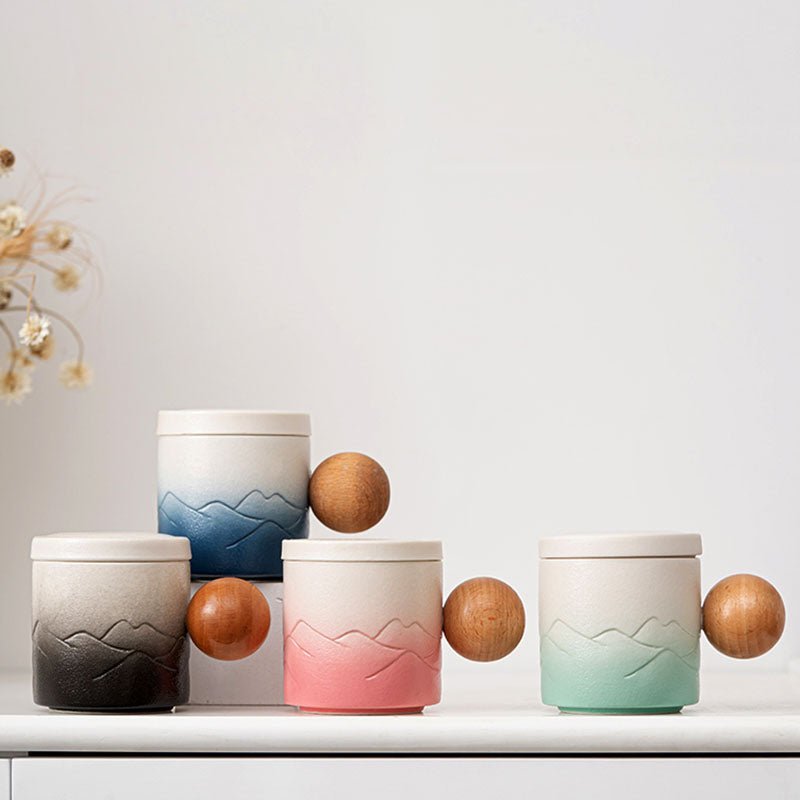
Extra Large Mug Buying Guide for Daily Use and Gifting
A practical guide to choosing an extra large mug that feels stable in the hand, fits your drink habits, and holds up on a real kitchen counter or office desk. We compare everyday trade-offs so you ...
Czytaj dalej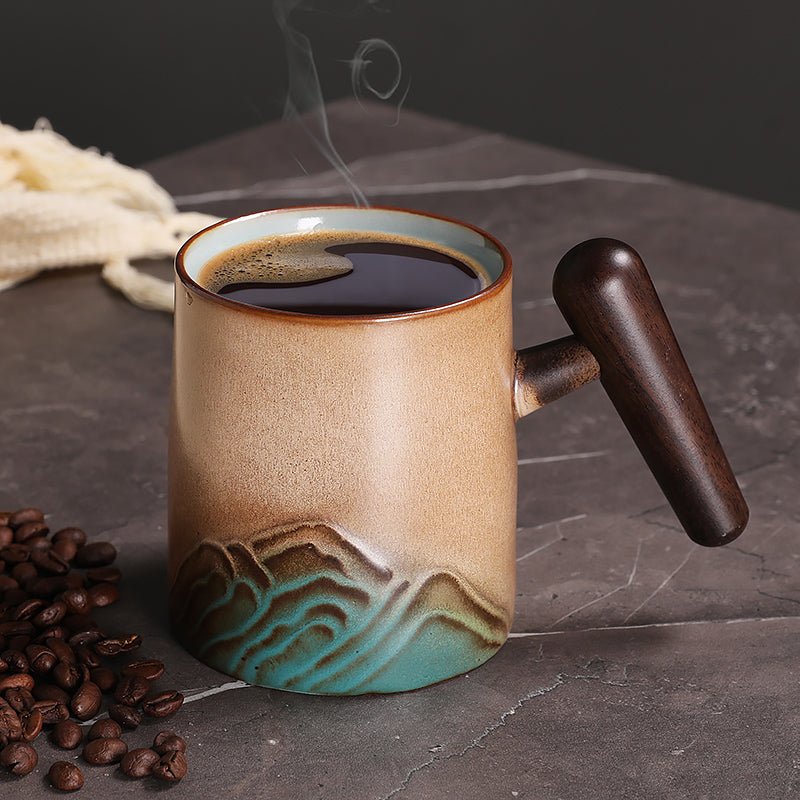
Meteor Coffee Mugs: What to Check Before You Buy
If you searched meteor coffee, this guide points you to the mug styles and product pages that matter most, with practical notes on feel, care, and fit. We also flag the trade-offs so you can avoid ...
Czytaj dalej
Zostaw komentarz
Ta strona jest chroniona przez hCaptcha i obowiązują na niej Polityka prywatności i Warunki korzystania z usługi serwisu hCaptcha.