
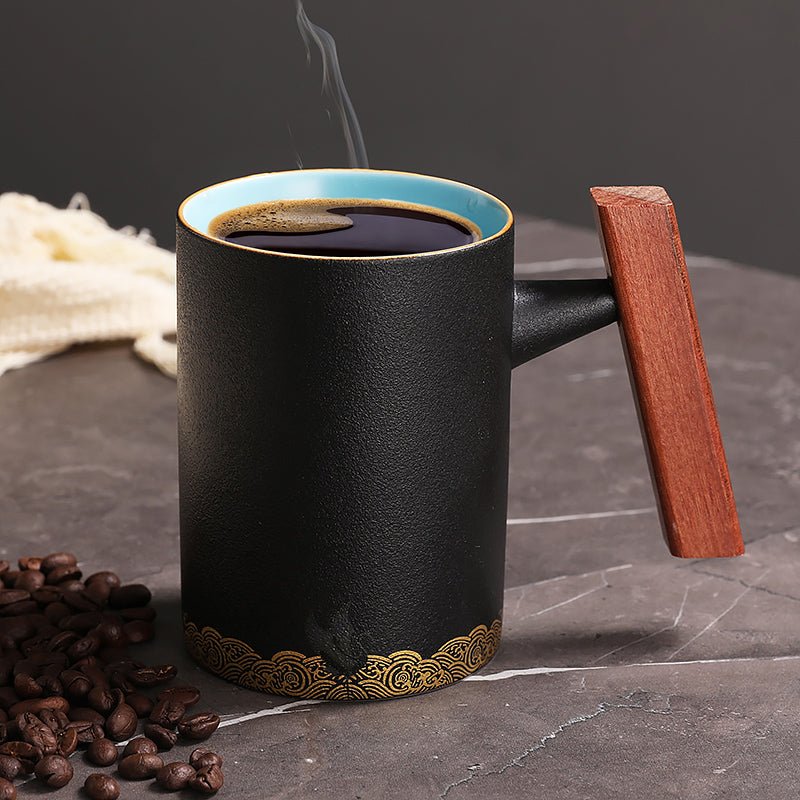
Primula Coffee Mug: What to Check Before You Buy
Reading time: about 8 minutes
A primula coffee mug usually gets judged in the first morning minute: does the handle clear two fingers, does the rim feel smooth, and does the mug stay steady on a crowded counter? That is the kind of check that matters more than a polished photo. In our store, we see the same return reasons again and again: a handle that feels cramped, a mug that rocks on the table, or a finish that looks good online but feels rough where your lip meets the rim.
If you are comparing options before buying, start with the basics. A mug is not just a container. It is the thing you reach for before the day starts, after the dishwasher runs, and while the office is still half awake. That is why we look at comfort, capacity, care, and build quality before we care about the styling.
What should a primula coffee mug do on a real kitchen counter?
A good primula coffee mug should feel dependable before it feels decorative. The base needs to sit flat, the handle should let you lift the mug without pinching your knuckles, and the rim should be smooth enough that you do not notice it while drinking. Those are small details, but they decide whether a mug becomes a daily favorite or stays in the cabinet.
The quickest way to judge a mug:
- Pick it up empty first. If it feels awkward before it has coffee in it, it will feel worse after you fill it.
- Check the handle opening. Two fingers is the usual comfort test for most adults.
- Set it on a flat counter. Any wobble is a problem, especially on a desk or breakfast table.
- Look at the rim and foot ring. Chipped glaze, sharp edges, or a rough base are everyday annoyances, not minor flaws.
If you have to adjust your grip before the first sip, the mug is already working against you.
That is why we treat a mug as a daily tool, not just a gift item. A pretty print cannot make up for bad balance or an uncomfortable handle.
Which size should you buy for coffee, tea, or cocoa?
Size is where a lot of buyers overthink the search and still miss the practical part. The right mug depends on what you actually pour into it. A smaller cup can feel neat and efficient for black coffee. A larger one is better if you add milk, drink tea over a longer stretch, or want room for hot chocolate without spilling over the lip.
For shoppers who want a deeper size breakdown, we keep separate guides that go into fit and use cases: 10 oz Coffee Mug: Size, Fit, and What to Check Before You Buy, 11 oz Coffee Mug: Size, Fit, and What to Check Before You Buy, and 12 Ounce Coffee Mug Buying Guide for Daily Use and Better Fit.
- Choose a smaller mug if you drink one short serving and do not want the drink cooling off in a large cup.
- Choose a mid-size mug if you want the safest all-around fit for drip coffee, tea, or a standard desk pour.
- Choose a larger mug if you add milk, like room for foam, or prefer one cup that lasts longer at your desk.
- Check your cabinet height if the mug has a tall profile. A great mug that does not fit on the shelf is still a storage problem.
That is the practical trade-off: smaller mugs feel lighter and more controlled, while larger mugs give you more flexibility. Neither is better in every kitchen. The right answer depends on how you drink.
Which material and finish are worth checking?
Most shoppers looking for a primula coffee mug are choosing a ceramic-style everyday mug, and the details matter more than the marketing. Look for a smooth glaze, a flat foot ring, and a handle that is firmly joined to the body. If the mug is printed or illustrated, check that the design does not sit too close to the rim where repeated washing and lip contact can wear it faster.
Here are the finish issues we watch for in real handling:
- Hairline glaze marks that are easy to miss in product photos but show up under bright kitchen light.
- Rough foot rings that scratch tabletops or feel gritty on a smooth counter.
- Crooked handles that make the mug feel off-center even if it holds the right amount of liquid.
- Thin print placement near the lip or handle join, which can look uneven after repeated washing.
- Wobbly bases that are most obvious on desks and breakfast trays.
For care, the safest approach is simple: follow the marking on the base or packaging, avoid sudden temperature shocks, and give printed mugs a little more attention in the dishwasher. If a mug is labeled dishwasher-safe or microwave-safe, that still does not mean every finish, decal, or metallic accent should be treated the same way. Read the product notes instead of assuming all mugs share the same care rules.
Which style works best if this is a gift or desk mug?
If the mug is going on a desk, into a gift bag, or into a cabinet full of other favorites, the visual style matters. Some buyers want a calm, nature-inspired look. Others want a mug that feels more playful. If you want to browse style first, start with our all mugs collection and compare the shape and artwork before you commit.
Three examples from our store show how style changes the buying decision:
| Option | Best fit | Watch-out |
|---|---|---|
| Elk and Moon Coffee Tea Mug | A quieter desk mug or a gift for someone who likes nature imagery | Not the best pick if the buyer wants a plain, neutral office look |
| Koi Fish Coffee Tea Mug | A bolder, more colorful mug for someone who wants visual interest | The artwork is more noticeable, so it may not suit a very minimal setup |
| The Crane Coffee Tea Mug | A calmer gift option with an elegant silhouette and a softer feel | If the buyer wants a bright, busy pattern, this will feel more restrained |
That is the real gift trade-off. A decorative mug can feel more personal, but it is less flexible if the recipient wants one plain cup for every setting. A plain mug is easier to match, but it can feel forgettable in a gift box. If you are buying for a desk, a design that makes you happy every time you reach for it is usually the better call.
What should you avoid buying?
A primula coffee mug is not the right choice if your main need is spill protection, insulation, or commuting. For that, you want a travel mug with a lid and a shape that fits a car holder. A standard mug is also not ideal if you only drink espresso and want a tiny cup that keeps heat concentrated. It can work, but it is not the best tool for the job.
We also tell shoppers to be cautious with two other cases. First, if your cabinet space is tight, avoid a mug that is too tall for the shelf. Second, if you use a lot of milk or foam, do not buy a mug that looks elegant but leaves no headroom. The prettiest mug on the page can still be the wrong mug on the counter.
That is the part most product pages skip. A mug should fit your routine, not just your taste.
How do our related buying guides help you narrow the size?
If you are still deciding, use size guidance before you look at artwork. That saves time and prevents regret. We built our blog around the questions shoppers actually ask: how much coffee fits, what size feels right in the hand, and which mug shape works best for daily use. The right mug is often the one that matches your brew method and your cabinet, not the one that sounds largest on paper.
For a tighter comparison, use these guides alongside the product pages:
- 10 oz Coffee Mug: Size, Fit, and What to Check Before You Buy if you prefer a smaller, more controlled serving.
- 11 oz Coffee Mug: Size, Fit, and What to Check Before You Buy if you want a common everyday middle ground.
- 12 Ounce Coffee Mug Buying Guide for Daily Use and Better Fit if you want a little more room for milk, cocoa, or a longer pour.
Our recommendation is simple: pick size first, then style. That gives you a mug that works in the hand, on the desk, and in the dishwasher.
Frequently asked questions
Is a primula coffee mug good for standard drip coffee?
Yes, if you choose a size that matches your usual pour. A mid-size mug is usually the safest option for drip coffee because it leaves a little room without feeling oversized. If you drink coffee black and finish it quickly, a smaller mug can feel better.
Can I put a printed mug in the dishwasher?
Usually yes, but check the care notes on the base or packaging first. Printed mugs can handle normal washing well, but the design will last longer if you avoid harsh scrubbing and let the dishwasher do the work. If the mug has special finish details, treat those with a little extra care.
What should I look for if I am buying a mug as a gift?
Look for a comfortable handle, a stable base, and a design that feels personal without being hard to match. Gift mugs work best when they are easy to use every day, not just nice to unwrap. If you do not know the recipient's taste, a balanced nature-themed design is safer than something overly loud.
Is a primula coffee mug a good travel mug?
No. A standard mug is for kitchen counters, desks, and table use, not for carrying coffee in a car or bag. If you need lid security or insulation on the move, choose a travel mug instead.
What size should I buy if I also drink tea or hot chocolate?
A larger mug usually gives you more comfort for tea and hot chocolate because it leaves room for extras and reduces spill risk. If your drinks are simple and short, a smaller size may feel cleaner and easier to handle. Think about your most common drink, not the occasional one.
If you want the fastest next step, open our all mugs collection, shortlist one mug for daily coffee and one for gifting, then compare handle comfort, size, and care notes before you buy.
Read more
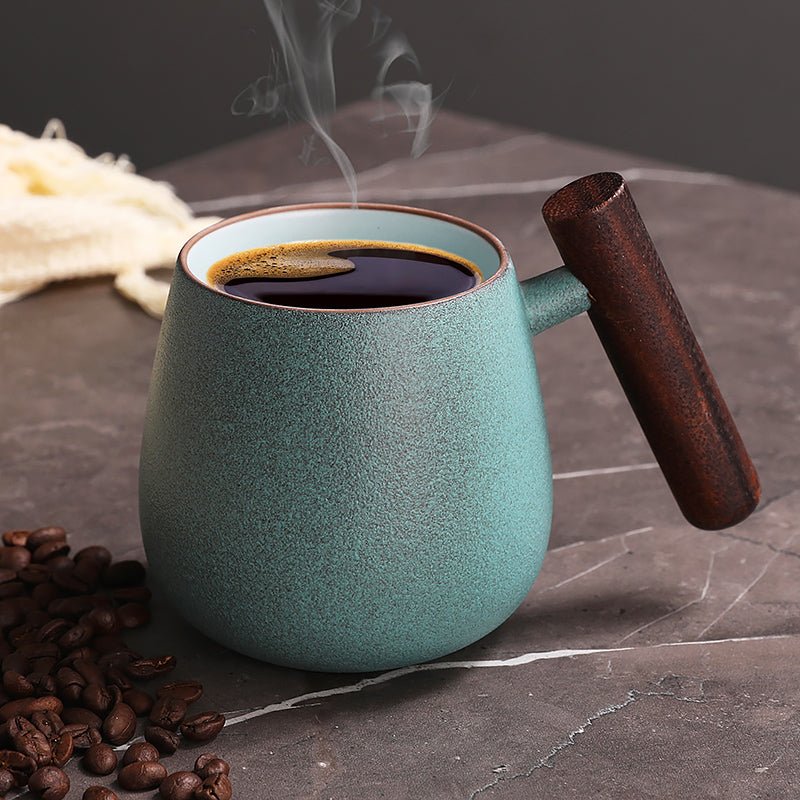
Pottery Coffee Mugs Canada: How to Choose the Right Daily Mug
A practical guide to choosing pottery coffee mugs in Canada, with real trade-offs on size, feel, care, and which styles fit daily use, gifting, or display.
Czytaj dalej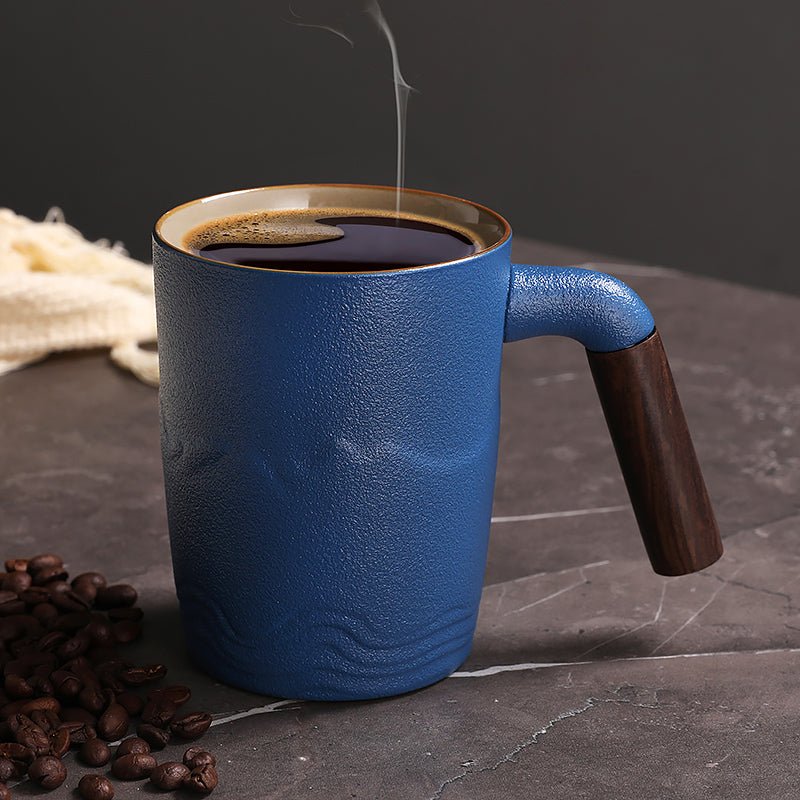
Route 66 Coffee Mug: What to Check Before You Buy
A practical guide to choosing a route 66 coffee mug, with notes on size, handle comfort, print quality, and when a different everyday mug is the better buy.
Czytaj dalej
Zostaw komentarz
Ta strona jest chroniona przez hCaptcha i obowiązują na niej Polityka prywatności i Warunki korzystania z usługi serwisu hCaptcha.