
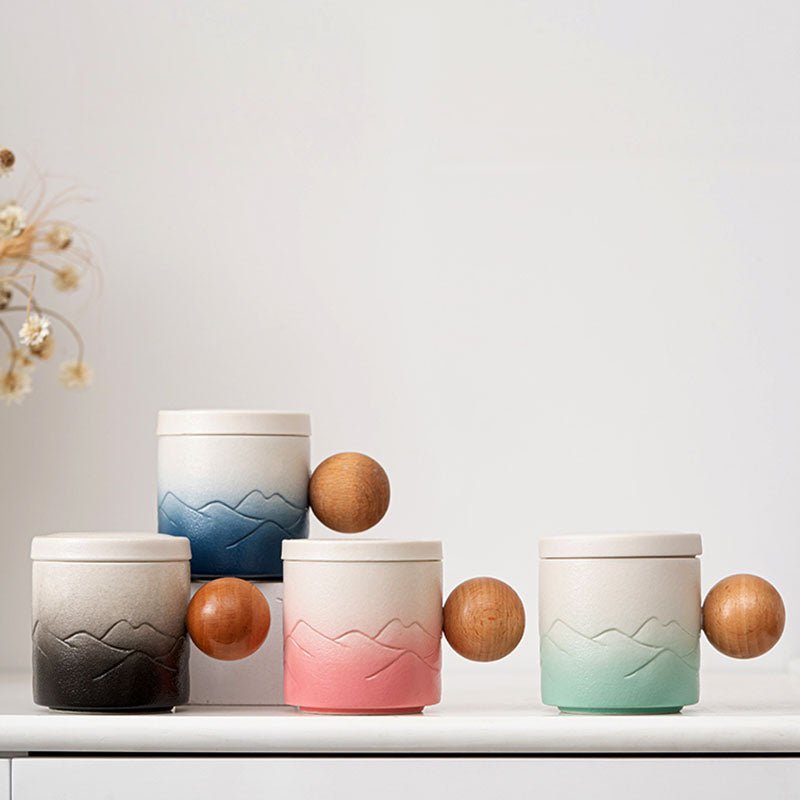
Potbelly Coffee Mugs: What to Buy for Daily Coffee and Tea
Reading time: about 8 minutes
Coffee cools faster than most people expect when the cup is too shallow, and a potbelly shape changes that feeling right away. The wider middle gives you a more relaxed grip and a roomier pour, but it also takes more cabinet space than a straight-sided mug.
In our store, we look at potbelly coffee mugs the same way shoppers do at home: on a cluttered kitchen counter, under a coffee machine, at a desk beside a laptop, and after a few dishwasher cycles. That is where the real trade-off shows up. A good mug feels balanced, sits flat, and cleans up easily. A weak one usually shows it in the handle, the glaze, or the foot ring.
What makes a potbelly coffee mug different from a standard mug?
A potbelly mug has a fuller middle and a narrower base than a straight-sided mug. That shape is not just decorative. It usually changes the feel in your hand, the way the mug sits on the table, and how much visual room it takes up on a shelf.
For everyday use, the shape can be a real plus. The rounded body often feels easier to cradle with both hands on a cold morning, and the wider belly gives coffee or tea a more open surface than a tall, narrow cup. That said, it is not the best style for everyone. If you want a mug that stacks neatly, fits tight mug trees, or tucks under low cabinet shelves, a straighter silhouette is easier to live with.
The most practical potbelly mugs are usually ceramic or stoneware with a fully glazed interior, a smooth rim, and a flat foot ring. Those details matter more than a fancy name. A rough handle seam, an uneven base, or glaze pinholes can turn a nice-looking mug into a daily annoyance.
Which size works best for daily coffee or tea?
Size matters more than most shoppers think, especially with potbelly coffee mugs. The shape can make a mug feel larger than the ounce count suggests, so it helps to think about how you actually drink: one refill at the kitchen counter, a slow desk cup, or tea that sits for a while between sips.
| Use case | What usually works | Why it fits |
|---|---|---|
| Quick morning coffee | 10 to 12 oz | Enough room for a standard pour without becoming bulky |
| Tea, coffee with milk, or longer sips | 12 to 14 oz | More room for cream, foam, or a tea bag without feeling oversized |
| Desk use and fewer refills | 14 to 16 oz | Better for long work sessions, but heavier when full |
| Espresso-only drinks | Smaller cup style | A potbelly mug is usually too large and too casual for that job |
If you are still comparing size ranges, our guides on 12 oz Coffee Mugs: What to Check Before You Buy and 14 Ounce Coffee Mugs: Size, Fit, and Buying Guide are useful for narrowing the decision before you buy.
One practical rule we use: if you like to finish a mug before it cools, stay closer to 10 or 12 oz. If you sip slowly at a desk or keep adding milk, 14 oz usually feels better. Bigger is not automatically better. A mug that is too large can be awkward to lift, heavy once filled, and less comfortable for smaller hands.
Which potbelly mug should I buy from your store?
If you want to compare real options instead of guessing from a style name, start with our current selection. The safest first step is the full collection, then narrow by shape and the mug you would actually use every day.
For potbelly-style choices, these are the easiest place to start:
- Mountain Coffee & Tea Mug for a straightforward everyday pick.
- Great Mountain Coffee & Tea Mug if you want a similar functional profile with a different visual direction.
- Emerald Coffee & Tea Mug if color is part of the buying decision and you want the mug to do more of the gift presentation work.
We do not recommend picking only by the name or photo style. Check the rim thickness, handle opening, and total weight. A mug that looks perfect online can still feel wrong if the handle is too tight for two fingers or the body is too wide for the shelf where it will live.
If you want the simplest buying path, start with the mug you would reach for on an ordinary Tuesday morning. That is usually the best test.
What details should you check before ordering online?
Shopping potbelly coffee mugs online is easy to get wrong if you only look at the picture. We see the same issues repeatedly: buyers love the shape, then regret the weight, the lip, or the way the mug lands on the counter.
Check these details before you buy:
- Material: ceramic and stoneware are the most common everyday choices. They feel solid and hold heat better than thinner glass, but they are heavier.
- Interior glaze: a fully glazed inside is easier to clean and less likely to hold tea stains or coffee residue.
- Foot ring: a flat, even base helps the mug sit steady. An uneven foot can rock slightly on a table.
- Handle size: if the opening is too narrow, two-finger comfort disappears fast when the mug is full.
- Rim finish: a smooth rim matters more than most buyers expect. A slightly rough rim makes every sip feel cheaper.
- Care instructions: if dishwasher-safe or microwave-safe is not clearly stated, do not assume it is safe.
There are also common defect modes worth watching for. Hairline crazing in the glaze can show up after repeated heat changes. Glaze pinholes can trap stains. A chipped foot or rough handle seam usually means the mug was finished too quickly. Those are the kinds of flaws that do not show well in a polished product photo, but they are obvious once the mug is in your hand.
For a broader buying checklist on mug shape and daily comfort, our article on 12 oz Coffee Mugs: How to Choose the Right Mug for Daily Use is a good companion read.
Are potbelly mugs good for desks, gifting, and slow sipping?
Yes, but not for every setting. A potbelly mug works well on a desk because it feels substantial and comfortable to hold during long stretches. It also makes a nice gift because the shape reads as a little more intentional than a plain cylinder.
Still, there are limits. A wide body can crowd a small desk, take more room in a dishwasher rack, and feel awkward in tight cup holders. If you want a mug for commuting, a travel tumbler is the better tool. If you need something for espresso shots or tiny milk drinks, a potbelly mug is too much mug for the job.
For slow sipping, the shape can be a real advantage. Coffee or tea feels open in the cup, and the rounded form is easy to hold with both hands. That said, the larger exposed surface can also let heat escape faster than a lidded vessel, so it is not the best choice if you leave drinks untouched for long stretches.
We treat potbelly coffee mugs as everyday kitchen tools first and decorative objects second. If a mug is hard to wash, hard to hold, or unstable on a counter, it does not pass our practical test.
Frequently asked questions
Are potbelly coffee mugs good for everyday use?
Yes, if you want a mug that feels comfortable in the hand and is easy to reach for daily coffee or tea. They are especially good for home kitchens and desk use. They are less ideal if you want stackable storage or a very compact footprint.
What size potbelly coffee mug should I buy?
For most people, 10 to 12 oz is the safest daily size, and 14 oz works better if you drink slowly or like extra room for milk. A bigger mug can feel great until it becomes heavy when full. The right size is the one you can lift comfortably without wishing you had chosen smaller.
Are potbelly mugs dishwasher safe?
Only if the product page says they are. We do not recommend assuming dishwasher safety from the shape alone. If a mug will live in the dishwasher often, look for a smooth glaze, a sturdy handle, and a finish that does not show cloudy wear easily.
Do potbelly mugs fit under coffee makers?
Some do, some do not. The wider body can be a problem under low-clearance machines or compact drip brewers. Measure the space under your machine before you buy, especially if you use a mug with a tall handle or a rounded shoulder.
What should I avoid when buying a potbelly mug online?
Avoid vague listings that do not clearly state size, material, or care instructions. We also recommend staying away from mugs with obvious uneven rims, tiny handle openings, or bases that look narrow compared with the body. Those are the ones most likely to disappoint once they arrive.
Which potbelly coffee mug should you start with?
If you want the simplest next step, compare the mug against three questions: does it feel right in the hand, does it fit the place you will use it, and will it still be easy to clean after a week of real use? That checklist beats almost any product photo.
- Pick the size you actually drink from, not the size that looks biggest.
- Check the handle opening and the stability of the base.
- Confirm the care instructions before you buy.
- Choose the finish that works with your kitchen or gift recipient's style.
If you want to keep comparing, start with the full collection and narrow down from there. That is the fastest way to find the potbelly coffee mugs that fit your daily routine instead of just your browser tab.
Read more
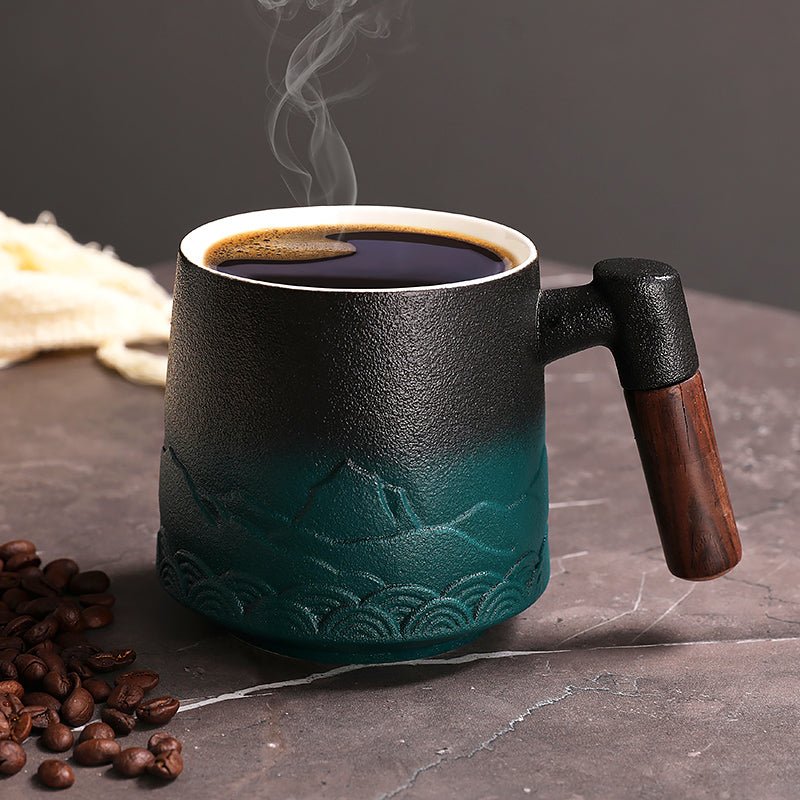
Coffee Mugs Made in the USA: How to Compare Options Before Buying
A practical buying guide for shoppers comparing coffee mugs made in the USA. We cover materials, handle comfort, size choices, and the trade-offs that matter before you order.
Czytaj dalej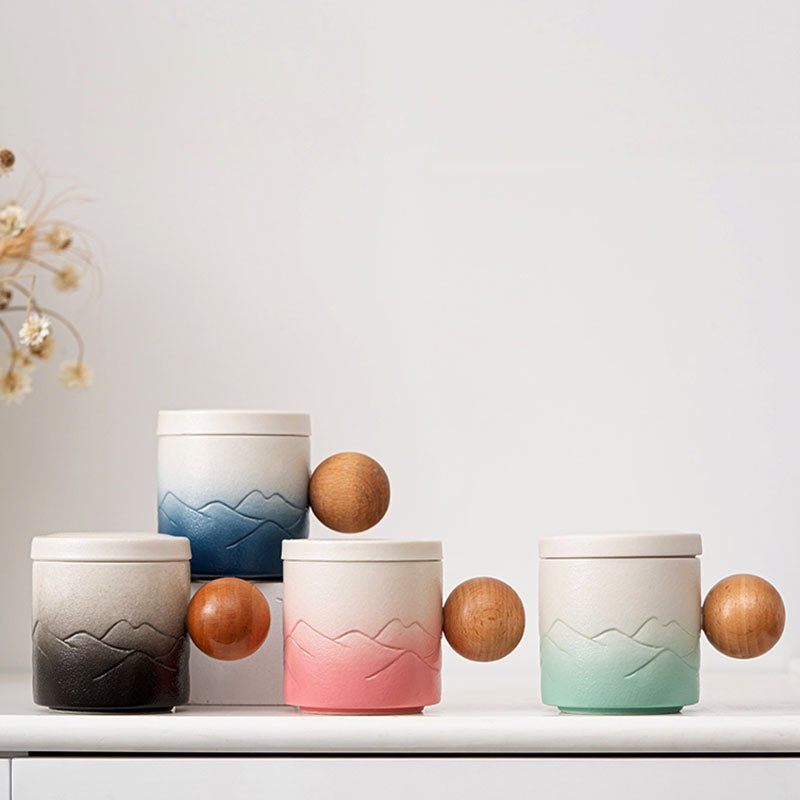
Honey Bee Coffee Mugs: Buying Guide for Everyday Use and Gifting
Honey bee coffee mugs can be cheerful without feeling overly themed, but the right pick depends on shape, handle comfort, and how you plan to use it. We break down the practical details shoppers co...
Czytaj dalej
Zostaw komentarz
Ta strona jest chroniona przez hCaptcha i obowiązują na niej Polityka prywatności i Warunki korzystania z usługi serwisu hCaptcha.