
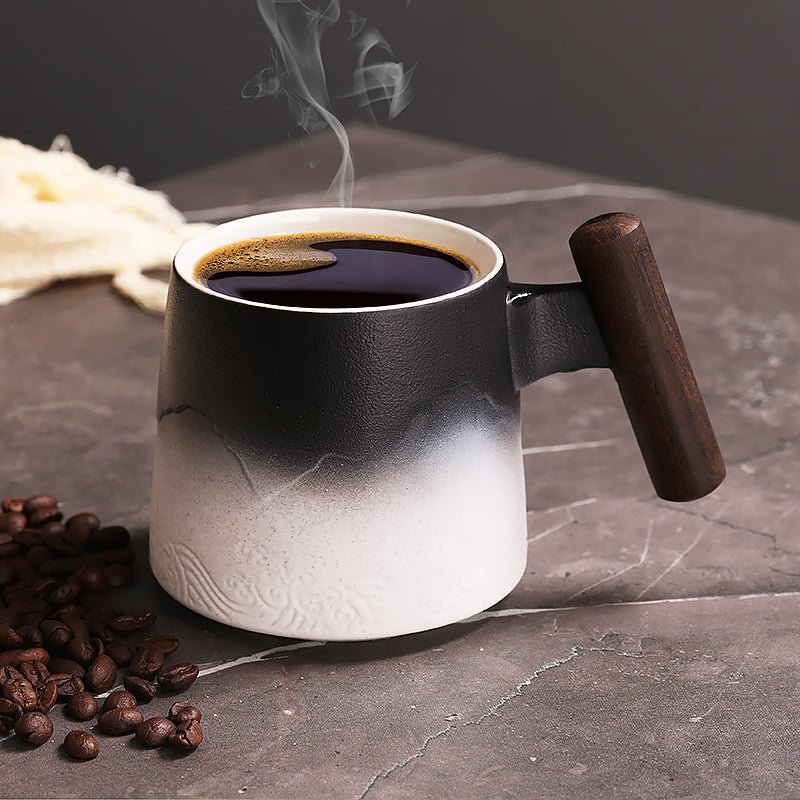
Porcelain Coffee Mugs: What Buyers Should Check Before Ordering
Reading time: about 10 minutes
A mug can look perfect on a product page and still feel wrong the first time you wrap your hand around the handle. With porcelain coffee mugs, the details that matter most are usually the ones shoppers can’t judge from a front-facing photo: wall thickness, rim comfort, handle room, and how the glaze behaves after a few dishwasher cycles.
We handle mugs every day, and the same pattern comes up often in our store: buyers want something clean-looking and durable, but they also want a mug that does not feel flimsy, does not get awkwardly hot, and does not chip the first time it bumps a sink edge. Porcelain can be a very good fit for that. It is also not the right answer for every kitchen or every drinker, especially if you want a heavier, more rustic feel or maximum impact resistance.
If you are comparing options before buying, this guide will help you separate a mug that looks nice from one that actually fits your routine. You can also browse our products page or the full collection once you know what style and size you want.
What makes porcelain coffee mugs different from other mugs?
Porcelain is a fired ceramic made to be dense, smooth, and relatively refined in appearance. In practical use, that usually means a cleaner rim, a brighter finish, and a more polished look than stoneware. The surface is typically glazed, which helps with stain resistance and makes coffee rings easier to rinse away.
There are trade-offs, though. Porcelain coffee mugs can feel lighter and more delicate than thick stoneware mugs. That lighter feel is part of the appeal for many buyers, but it also means the mug may not be the best choice if you tend to toss dishes into a crowded sink or you want something that can take rough handling.
In our experience, porcelain works especially well for people who want their mug to feel neat on a desk or breakfast table. It is less suited to campers, workshop use, or any setting where drops and knocks are common. If you need something with more capacity, you may want to compare porcelain with our size-focused guides for 12 oz Coffee Mugs: What to Check Before You Buy and 16 oz Coffee Mugs: What to Check Before You Buy.
How do you tell if a porcelain mug is built well?
The easiest mistake is assuming all porcelain is the same. It is not. A mug can be porcelain and still feel awkward or wear poorly. Here is what we inspect before we recommend one to a customer.
- Rim thickness: A very thin rim can feel elegant, but it may drink hotter and can chip more easily at the lip. A slightly rounded rim often feels better for daily coffee.
- Handle opening: Check whether your fingers fit comfortably without pressing against the mug body. A handle that looks stylish can still be too tight for larger hands.
- Base stability: The mug should sit flat without wobbling on a countertop or office desk. A narrow base can feel premium but less stable if the mug is full.
- Glaze consistency: Look for an even finish inside and out. Uneven glaze, pinholes, or rough spots can collect stains or feel unpleasant over time.
- Wall balance: A mug that feels too thin may lose heat faster. One that is overly thick can feel heavy without adding much practical benefit.
Those details matter more than a pretty pattern. We have seen buyers choose a mug for the color and then return to ask why the handle is tight or why the lip feels sharp. That is the kind of issue you can often avoid by checking the basics before ordering.
What size porcelain coffee mug should you buy?
Size is where a lot of buyers overbuy. A larger mug sounds useful until it takes longer to finish, cools too fast, or feels bulky in the hand. The right size depends on how you actually drink coffee.
| Typical size | Best for | What to watch for |
|---|---|---|
| 8–10 oz | Small pours, espresso drinks, tea, compact desks | Can feel too small for drip coffee refills |
| 12 oz | Standard coffee drinkers who want a balanced daily mug | Check handle room and whether the mug tapers inward |
| 16 oz | Larger pours, longer work sessions, milk-heavy drinks | Can get heavy when full and may not fit smaller cup warmers |
| 20 oz+ | Big coffee drinkers, soupy breakfasts, all-day desk use | More awkward to hold and slower to finish |
If you are still deciding between everyday sizes, our size guides for 20 Ounce Coffee Mugs: What Buyers Should Check Before Ordering and a buyer's guide to large capacity coffee mugs can help you match the mug to your routine.
We usually tell customers to think about the last inch of the drink, not just the first pour. If a mug is too large, the coffee may go lukewarm before you finish. If it is too small, you will be refilling constantly. That is why 12 oz and 16 oz remain the most practical sweet spots for many buyers, especially for home kitchens and office desks.
Are porcelain coffee mugs dishwasher-safe and microwave-safe?
Many porcelain coffee mugs are dishwasher-safe and microwave-safe, but you should not assume it. Decorations, metallic accents, and specialty finishes can change the answer. If a mug includes gold trim, metallic paint, or delicate decals, microwave use is usually off the table.
From a practical standpoint, dishwasher-safe matters most if the mug is going into regular daily rotation. We pay attention to how a mug survives real cycles: detergent, heat, stacking, and the occasional bump against another cup. A mug that looks fine after one wash may show problems later at the rim or handle junction.
Microwave use is a little different. Even when a porcelain mug is technically microwave-safe, thin porcelain can transfer heat quickly. That means the mug itself may get hot faster than you expect, especially if you warm coffee more than once. If you want the mug for reheating, look for straightforward, undecorated porcelain and avoid any extra trim that complicates care.
Our practical rule: if you want low-maintenance daily use, choose plain glazed porcelain with no metallic decoration and a handle you can grip comfortably even when the mug is hot.
What are the common weak spots in porcelain coffee mugs?
Porcelain is sturdy enough for everyday use, but it has predictable failure points. Knowing them helps you avoid disappointment after the mug arrives.
- Chipped rims: The lip is one of the first places to show damage if the mug is stacked tightly or knocked against a sink.
- Handle stress points: The junction where the handle meets the body can crack if the mug is dropped, overfilled, or repeatedly bumped.
- Crazing in the glaze: Fine surface lines can appear over time, especially with repeated temperature changes or aggressive washing. It is often cosmetic at first, but it is still a sign to watch.
- Staining on unglazed areas: If the base or bottom edge is left unfinished, it can pick up marks from counters and dish racks.
Not every porcelain mug will develop these issues, but these are the spots we inspect first. If you see a mug with a very thin handle connection or a sharp, exposed edge, that is a sign to slow down. The mug may still be fine, but it is less forgiving in real kitchen use.
Which porcelain coffee mugs are best for gifts, office desks, or daily use?
Different shopping goals call for different mug features. A good gift mug is not always the same mug you would choose for your own daily coffee.
For gifts
Choose a porcelain coffee mug with a clean silhouette, balanced weight, and a finish that looks intentional from all angles. Gift buyers usually care about presentation and first impressions. A mug with a smooth glaze and comfortable handle tends to feel more thoughtful than one with a novelty shape that is hard to hold.
For office desks
Look for a mug that sits stable near laptops and notebooks, does not spill easily, and is easy to rinse between refills. A 12 oz or 16 oz porcelain mug usually makes more sense here than a huge oversized one. If the mug will sit on a desk warmer, check the base width carefully.
For everyday home use
Durability and cleanup matter more than style alone. You want a mug that can move from breakfast table to sink to dishwasher without requiring special treatment. This is where plain glazed porcelain often performs well.
If you are also comparing style-forward options or a more decorative look, our article on Anthropologie Coffee Mugs: How to Compare Style, Size, and Everyday Use can help you sort design preferences from daily practicality. For buyers who want a different kind of personality, Amusing Coffee Mugs: How to Choose One That Gets Used is worth a look too.
How should you compare porcelain with stoneware, glass, and bone china?
Shoppers often ask us to translate the material differences into daily use. That is the right question. A mug is not just a mug once you factor in washing, heat retention, and how often it lives on a desk or in a cabinet.
| Material | What it feels like | Best use case | Limitations |
|---|---|---|---|
| Porcelain | Smooth, refined, usually lighter | Daily home use, gifts, office mugs | Can chip if handled roughly |
| Stoneware | Heavier, thicker, more rustic | Cozy kitchen setups, users who like weight | Can feel bulky and may stain more easily depending on glaze |
| Glass | Light, modern, visual | Watching drink color, tea service | Less insulating and often more fragile at impact points |
| Bone china | Very light, fine, elegant | Formal settings and giftable tableware | Can feel too delicate for rough daily handling |
For most shoppers, porcelain sits in a useful middle ground. It feels more polished than everyday stoneware and more practical than ultra-delicate china for routine use. That said, if you want the heaviest mug on the shelf, porcelain is not your best bet. If you want a rugged mug for hard use, you should probably look elsewhere.
What should you check before placing an order?
Before you buy porcelain coffee mugs, run through a quick checklist. It saves time and helps avoid the most common regrets.
- Measure the capacity: Confirm whether you want 10 oz, 12 oz, 16 oz, or a larger serving size.
- Check the handle clearance: Make sure your fingers fit comfortably, especially if you plan to use it while working.
- Review the care notes: Confirm dishwasher and microwave compatibility if you want low-maintenance cleanup.
- Look for rim and glaze quality: Smooth rim, even finish, and no rough patches.
- Think about your setting: Home kitchen, office desk, or gift box all point to slightly different priorities.
We recommend starting with the mug size you will use most often, then narrowing by finish and handle shape. That sequence usually works better than picking a color first. A beautiful mug that sits wrong in the hand tends to get left behind in the cabinet.
Frequently asked questions
Are porcelain coffee mugs durable enough for everyday use?
Yes, porcelain coffee mugs can be durable enough for daily use if they are handled normally and washed according to the care instructions. They are not the best choice for rough treatment, frequent drops, or crowded sinks where chips are more likely.
Do porcelain coffee mugs keep coffee hot longer than other materials?
They can hold heat reasonably well, but they are not the best heat-retention option if that is your top priority. A thicker stoneware mug may feel warmer longer, while porcelain usually wins on a lighter, cleaner drinking experience.
Can I put porcelain coffee mugs in the microwave and dishwasher?
Often yes, but you should check the product details first. Plain glazed porcelain is usually the safest bet for both microwave and dishwasher use, while metallic trim, decals, or specialty finishes may limit care options.
What size porcelain coffee mug is best for daily coffee?
For many shoppers, 12 oz or 16 oz is the most practical range. Twelve ounces works well for a standard pour, while 16 ounces is better if you like larger servings or milk-based drinks.
What should I avoid if I want porcelain mugs that last?
Avoid very thin rims, tight handle openings, and decorative finishes that complicate microwave use. We also suggest steering clear of mugs that feel unstable on a flat surface or show rough glaze spots before first use.
If you are ready to compare options, start with the size and care details first, then move to style. Our full collection is the easiest place to compare shapes side by side, and our products page is where you can narrow down the mug that fits your kitchen, desk, or gift list best.
More from our blog
Read more
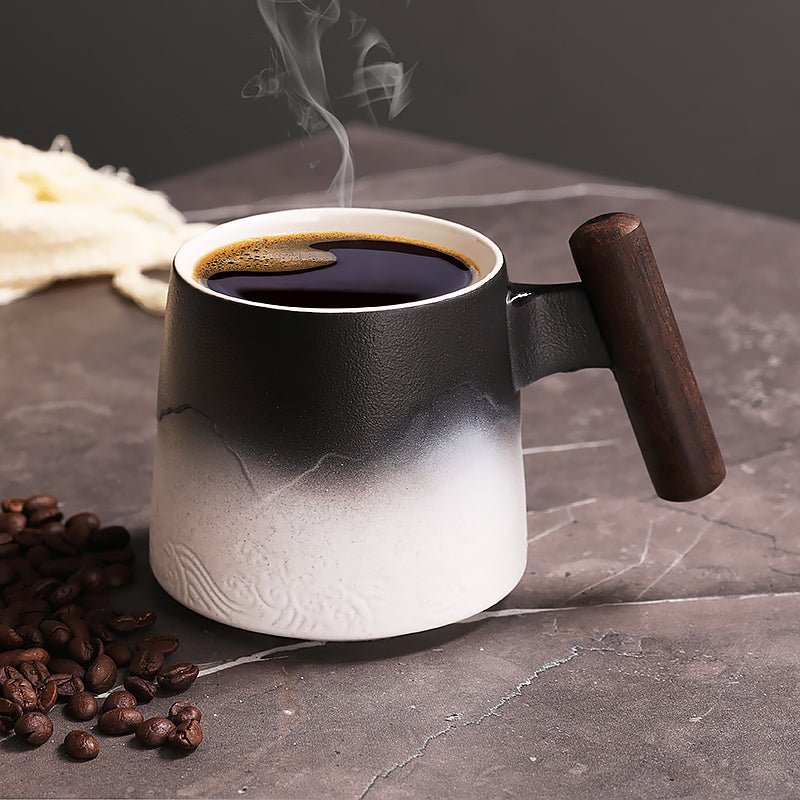
How to Get Coffee Stains Out of Mugs Without Damaging the Finish
Coffee stains build up fast on white ceramic, glazed stoneware, and the bottom ring inside everyday mugs. Here’s the safest way we recommend cleaning them, plus what to avoid if you want the mug to...
Czytaj dalej
Star Wars Coffee Mug: What to Check Before You Buy
A practical buyer’s guide to choosing a Star Wars coffee mug that looks good, feels right in hand, and holds up to real daily use. We cover size, material, care, and the trade-offs that matter befo...
Czytaj dalej
Zostaw komentarz
Ta strona jest chroniona przez hCaptcha i obowiązują na niej Polityka prywatności i Warunki korzystania z usługi serwisu hCaptcha.