
Polish Pottery Coffee Mugs: What Buyers Should Check Before Ordering
Reading time: about 8 minutes
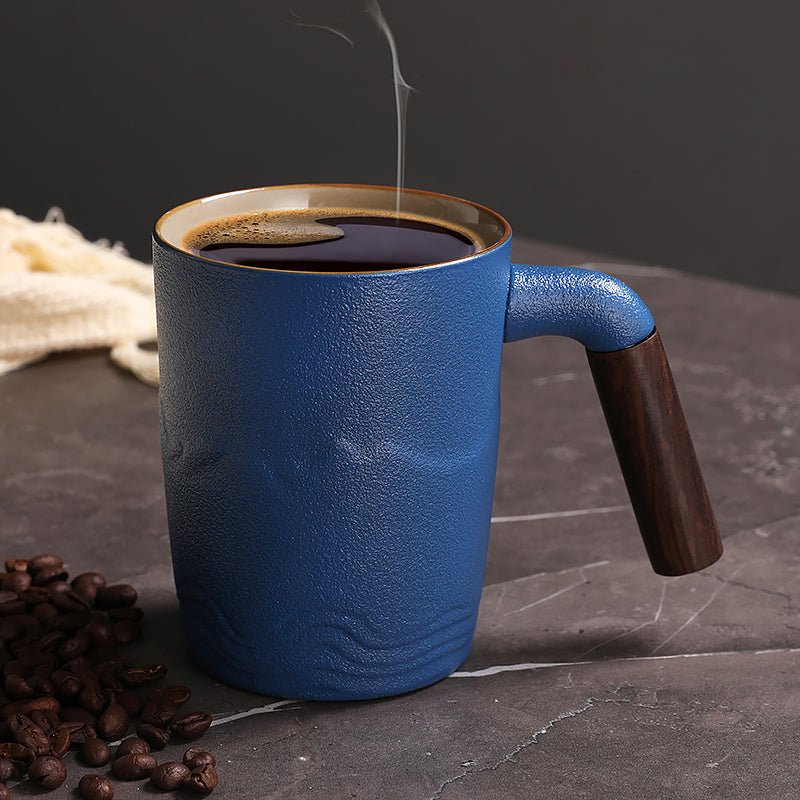
A polish pottery coffee mug usually gets noticed at the sink before it gets noticed on the shelf. The patterns are easy to love, but the real buying question is simpler: does the mug feel balanced in the hand, fit your brew size, and hold up after repeat use? In our store, that is the difference between a mug that becomes a favorite and one that stays in the cabinet. If you want to compare shapes first, start with our Rhombus Coffee Tea Mug and browse the full collection.
What makes polish pottery coffee mugs different from everyday mugs?
The category is known for hand-painted pattern work, usually on a stoneware body with a glazed finish. That gives the mug a heavier, more substantial feel than a thin porcelain cup, and it also means the surface tends to show the maker's brushwork, glaze pooling, and small variations that make each piece feel less factory-perfect.
That variation is part of the appeal, but it also comes with trade-offs. If you want every mug in a set to match exactly, this is not the easiest style to shop for. If you want a mug with character that looks good on a kitchen counter, office desk, or gift table, the category makes sense very quickly.
We see three details matter most when customers compare polish pottery coffee mugs:
- Stoneware body: Usually thicker and more heat-retentive than lightweight mugs, with a sturdier feel in daily use.
- Glazed interior and exterior: Easier to wipe clean, but you still want to inspect for pinholes, glaze skips, or rough spots at the lip and foot ring.
- Hand-applied decoration: Beautiful, but not perfectly identical from one piece to the next. That is normal, not a flaw.
Which features should you check before buying?
The pattern is the first thing shoppers notice. The mug shape, handle clearance, and finish quality are what determine whether you keep reaching for it on weekday mornings.
| What to check | Why it matters | What we look for |
|---|---|---|
| Rim thickness | A thinner rim can feel nicer to drink from, while a very thick rim can feel bulky | Even lip shape with no rough glaze edge |
| Handle size | Comfort changes fast if you have larger hands or use the mug all day | Room for two to three fingers without crowding |
| Foot ring | A flat, stable base helps the mug sit cleanly on counters and trays | No wobble when placed on a hard surface |
| Glaze quality | Shows how carefully the mug was finished and how easy it will be to clean | Consistent coverage with only normal hand-made variation |
| Surface defects | Small issues can turn into annoyance during daily use | No sharp points, chipped edges, or rough spots on contact areas |
Before ordering, we also tell shoppers to look closely at the product photos for common defect modes that matter in real life: pinholes, uneven glaze at the rim, a handle that sits too close to the body, or a base that looks slightly uneven. Those details do not always make a mug unusable, but they do affect comfort and long-term satisfaction.
If you want a broader checklist before choosing a handcrafted piece, our guides on Handmade Pottery Coffee Mugs: What Buyers Should Check Before Ordering and Polish Pottery Coffee Mug Buying Guide: What to Check Before You Buy cover the quality points we pay attention to first.
Which mug shape works best for your coffee routine?
The best shape depends on how you actually drink coffee. A compact mug can feel better for espresso-based drinks or smaller pours. A taller mug works better for drip coffee, tea, or anyone who likes room for milk. A more sculpted mug can look great on a desk, but it should still feel easy to hold after the drink has cooled down.
Here is the simple way we compare the options we carry:
- Rhombus Coffee Tea Mug: A good choice if you like a more geometric look and want a mug that feels steady in the hand.
- Handbag Coffee Tea Mug: Better for buyers who want a more decorative silhouette and a mug that stands out as a gift.
- White Golden Waves Tall Coffee Tea Mug: A strong pick for people who prefer a taller profile for tea, drip coffee, or longer pours.
In our experience, the shape that looks best online is not always the one that feels best after a week on the counter. Tall mugs can be excellent for bigger drinks, but they are not ideal if you want the lowest possible center of gravity or if your hands prefer a shorter grip. Decorative handles can also be beautiful while still feeling tight for larger fingers. That is the trade-off.
Are polish pottery coffee mugs practical for daily use?
Yes, if you choose them for the right use case. These mugs are made for regular kitchen use, but they are not the best answer for every situation. A handmade stoneware mug is usually more comfortable on a home counter than in a car cup holder, and it is often better for a relaxed desk setup than for commuting.
Daily care matters more than people expect. If the maker says the mug is dishwasher safe, place it where it will not knock against heavier dishes. If you wash by hand, use warm water and a non-abrasive sponge, then dry the foot ring before stacking. Avoid sudden temperature swings, because stoneware does not love being taken from very cold storage to very hot liquid all at once.
We treat these mugs as everyday drinkware first and display pieces second. That keeps the buying decision honest.
That honesty matters because polish pottery coffee mugs are not the best choice for someone who wants the lightest mug possible, the most minimal modern look, or a travel-ready cup with a lid. If that is your priority, a thin porcelain mug or an insulated tumbler will usually fit better.
Which buyers should skip this style?
Not every coffee drinker will be happy with this category, and that is fine. A good purchase starts with matching the product to the way it will be used.
- Travel-first buyers: If most of your coffee leaves the kitchen, a ceramic mug with no lid is the wrong tool.
- Minimalist set buyers: If you want every piece identical, handmade variation may feel distracting instead of charming.
- Very light mug fans: Stoneware usually feels more substantial, which some people love and others do not.
- Large latte drinkers: If you routinely want a very oversized pour, choose a taller shape or look for a different capacity style.
That is why we suggest comparing the mug to your real routine, not just the photo. If you mostly drink black coffee at a desk, a balanced stoneware cup is a good fit. If you need a go-everywhere cup, it is not.
For more context on what handcrafted mugs should offer before you buy, our article on Handmade Pottery Coffee Mugs: What to Check Before Buying gives a practical second opinion on what matters most.
How do you compare options before ordering?
Use a short checklist and you will avoid most buyer regret. We use the same approach in our store when we evaluate a mug for daily use, display appeal, or gift potential.
- Check the handle first. It should feel secure with a normal grip, not decorative only.
- Look at the rim and interior glaze. These are the places you will touch and clean most often.
- Compare the silhouette to your drink habit. Tall for longer pours, shorter for quick coffee, sculpted for gifting.
- Inspect product photos for wobble, glaze skips, rough seams, or pinholes.
- Decide whether you want a one-off statement mug or a matching group for your shelf.
If you are still deciding, it helps to open the full collection and compare the shapes side by side instead of choosing from one photo alone. That is usually the fastest way to see which mug fits your kitchen and which one only looks good in a listing.
Frequently asked questions
Are polish pottery coffee mugs dishwasher safe?
Many are dishwasher safe, but you should follow the care instructions on the product page for the specific mug. If you want the finish to stay looking clean and the handle edges to avoid knocks, upper-rack placement and careful spacing are better than crowding the dishwasher.
Do polish pottery coffee mugs hold heat well?
Stoneware usually holds heat better than a very thin mug, so your coffee tends to stay warm longer on a desk or kitchen table. The trade-off is that the mug itself can feel heavier, which some buyers like and others do not.
What size polish pottery coffee mug should I buy?
Choose the size based on what you actually pour most often. Smaller drinks usually feel better in a shorter mug, while drip coffee, tea, and milk-heavy drinks tend to suit a taller mug. If you often refill once, a more compact mug may be the better daily choice.
How can I tell if the quality is good before ordering online?
Look for even glaze, a stable base, a comfortable handle, and clear photos of the rim and interior. Small handmade variation is normal, but rough edges, visible chips, or an obvious wobble are warning signs we would not ignore.
Are polish pottery coffee mugs good for gifts?
Yes, especially when you know the recipient likes handmade kitchenware or patterned pieces. They work best as gifts when you choose a shape that feels comfortable to hold, not just one that looks decorative in the box.
Start with the shape you would actually reach for on a weekday morning, then compare the Rhombus Coffee Tea Mug, Handbag Coffee Tea Mug, and White Golden Waves Tall Coffee Tea Mug against the full collection before you decide.
Read more
Massive Tea Cup Buying Guide for Daily Tea and Big Pours
A massive tea cup should solve a real problem: too many refills, a cramped handle, or a mug that feels wrong on a desk. We break down size, material, shape, and the trade-offs that matter before yo...
Czytaj dalej
French Bulldog Coffee Mug Buying Guide for Gifts and Daily Use
A french bulldog coffee mug should feel comfortable in the hand, fit your usual pour, and keep the artwork looking clean after repeated use. We break down size, design details, care, and a few stor...
Czytaj dalej
Zostaw komentarz
Ta strona jest chroniona przez hCaptcha i obowiązują na niej Polityka prywatności i Warunki korzystania z usługi serwisu hCaptcha.