
Pier One Coffee Mugs: What to Buy Instead and What to Check
Reading time: about 9 minutes
A mug that looked perfect on a shelf can feel wrong by the second refill. The handle pinches. The cup is too shallow. The glaze chips after a few dishwasher cycles, and suddenly the mug that felt special starts living in the back of the cabinet.
That is the real conversation around pier one coffee mugs. Most shoppers are not only looking for a memory. They are trying to find the same mix of charm, weight, and everyday usability. In our store, we see this often: someone wants a replacement for a favorite Pier 1 mug, or they want that same collected, slightly eclectic look without buying fragile pieces that only work for display.
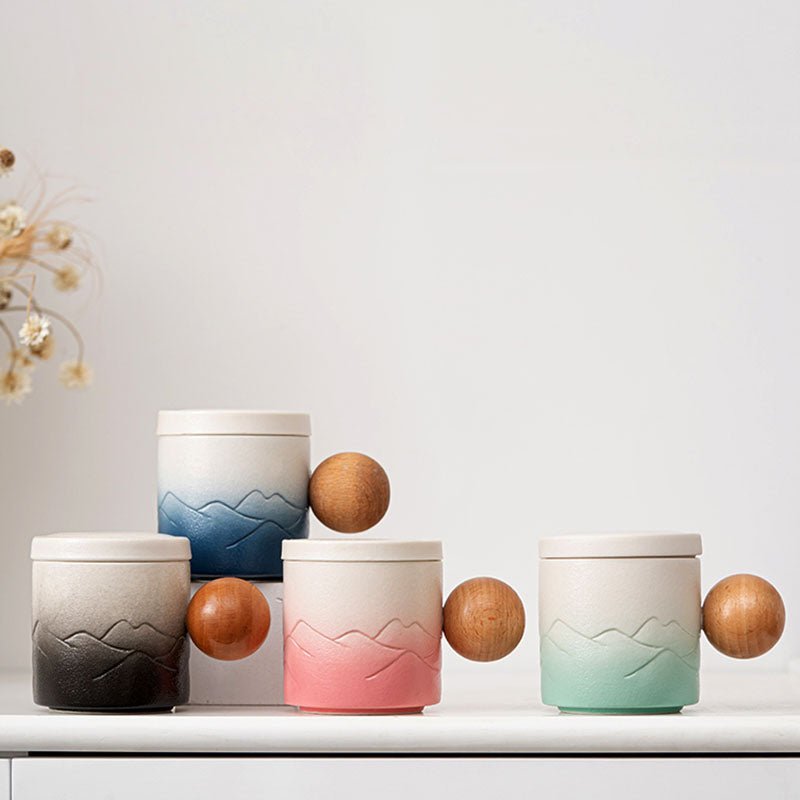
If you are comparing options, start by looking at our practical everyday styles like The Flow Coffee Tea Mug, then browse the broader full mug collection for shapes that match your routine. If you want the same conversation-starting feel that a lot of Pier 1 shoppers liked, our Mountain Sea Coffee Tea Mug and Spittoon Coffee Tea Mug are worth a look because they lean into more distinctive silhouettes instead of plain, forgettable basics.
What were people really looking for in Pier 1 coffee mugs?
Most shoppers did not chase a brand name for its own sake. They wanted mugs that felt a little more personal than mass-market diner cups, but still usable every day. That usually meant a few things at once:
- A shape with a comfortable handle, not just a decorative handle.
- A glaze or finish that looked hand-picked rather than factory bland.
- A size that worked for coffee, tea, or cocoa without feeling oversized on a small kitchen counter.
- A mug that could move from breakfast table to office desk without looking out of place.
That mix matters because the same mug has to survive real life. It gets set down on a desk ring. It gets rinsed after a sticky hot chocolate. It gets shoved into a crowded dishwasher rack. A pretty mug that cannot handle that routine is not a practical replacement.
If you are also thinking about volume, our article on 10 oz Coffee Mugs: How to Choose the Right One for Daily Use is useful because size is where many buyers get disappointed first. A mug that feels generous in hand may still be too shallow for someone who likes a full pour with room for milk.
How do you compare a replacement mug before buying?
We tell customers to compare mugs the same way we handle them in our own store: by touch, balance, and use case. A photo only shows part of the story. Here is the checklist that matters most.
- Check the handle clearance. If your fingers barely fit, the mug will annoy you every morning.
- Look at the rim thickness. A thinner rim can feel refined, but a thicker rim usually feels sturdier and is less prone to chipping.
- Think about weight when empty. Heavier mugs can feel substantial, but if you work at a desk or have wrist pain, a lighter ceramic mug is easier to live with.
- Match the mug to your drink habit. Coffee drinkers, tea drinkers, and cocoa drinkers do not need the same profile.
- Check care expectations. If a mug needs special washing, hand drying, or careful stacking, that is a trade-off, not a bonus.
These are the details that tend to separate a mug you enjoy for years from one that only photographs well. In our experience, the biggest disappointment is usually not style. It is awkward balance. A mug can look charming and still tip forward if the base is narrow and the handle is placed too high.
| What to compare | Best for | Possible downside |
|---|---|---|
| Wide handle | Comfort, daily coffee, larger hands | Takes more cabinet space |
| Heavier stoneware feel | Stable desk use, a grounded look | Less ideal if you want a lighter mug |
| Straighter sides | Simple shelf stacking, easy sipping | Can feel plain if you want more character |
| Artful glaze or irregular shape | Gift giving, a more collected aesthetic | May show wear more visibly over time |
Which mug styles work best for a Pier 1 look without the hassle?
If you want the feel of Pier 1 coffee mugs without the risk of buying something too delicate, we usually steer shoppers toward mug styles with personality but plain enough structure for daily use. That means you want the visual interest in the glaze, profile, or color, not in fragile details that catch on every rack.
The Flow Coffee Tea Mug is the kind of mug that works when you want a calm, modern shape that still feels intentional. It is a strong fit for kitchen counters that need one mug to work for both coffee and tea. It does not try too hard. That is the point.
Mountain Sea Coffee Tea Mug is a better fit if you want more visible character. It suits buyers who liked Pier 1 because the store often carried mugs that felt collected rather than uniform. This is the one to consider if your shelves lean toward natural finishes, richer color variation, or a more giftable look.
Spittoon Coffee Tea Mug is for shoppers who want a mug with more visual presence. It is not the right pick if you want a tiny, delicate cup. It is a better match for someone who wants the mug to hold up on an office desk, feel substantial in the hand, and stand apart from generic kitchenware.
If you prefer browsing by style instead of by single item, the collection page is the fastest way to compare shapes side by side. That is often the easiest route when you are replacing a favorite mug you can no longer find in stores.
What should you avoid if you want these mugs for daily use?
Not every attractive mug is a good replacement. Some are better as display pieces. Some are better as backup mugs. That trade-off matters.
- Extremely narrow handles are poor choices if you drink coffee before your hands fully wake up.
- Highly textured exteriors can look good but become annoying if you wash mugs often by hand.
- Overly tall mugs can feel awkward under some espresso machines and may not fit shorter cabinet shelves.
- Very delicate decorative accents are not ideal if the mug will go through regular dishwasher cycles.
We also would not recommend chasing a replacement just because the old mug had sentimental value. If what you actually need is a dependable everyday mug, choose for comfort first. If you want display-worthy charm, then accept that some finish wear is part of the deal. That is a better trade than buying something fragile and pretending it will behave like workhorse stoneware.
If your taste leans more toward cute or giftable pieces, our article on Adorable Coffee Mugs: How to Choose the Right One for Daily Use is a useful companion read. It helps separate mugs that photograph well from mugs that actually earn counter space.
How do these mugs fit into real households and workspaces?
This is where buyers usually decide. A mug does not live in a vacuum. It lives next to the sink, on a nightstand, in a break room, or under a coffee machine with limited clearance.
In practical use, the right Pier 1-style replacement mug should do one of three jobs well:
- Kitchen counter mug: easy to grab, comfortable to hold, and stable enough not to feel top-heavy.
- Office desk mug: visually pleasant without being fragile, so it does not feel out of place beside a laptop and notebook.
- Gift mug: distinctive enough to feel chosen, not generic, but still safe for everyday use.
That is why we tend to favor mugs with recognizable shape and usable proportions over novelty features. A mug can still have personality. It just needs to survive the ordinary routine of coffee refills, sink stacks, and dishwasher loading without becoming annoying.
If you are comparing against other decorative categories, our post on Beautiful Coffee Mugs: How to Choose One That Looks Good Every Day is another helpful reference. It focuses on the balance between style and daily wear, which is exactly the balance most shoppers want here.
What details matter most before you place an order?
Before buying, use this short checklist. It is the same kind of review we would give before stocking a mug in our own store.
- Decide whether you want a mug for coffee, tea, or both.
- Think about how much capacity you actually use in the morning, not the size that looks best online.
- Check whether you prefer a smooth, clean profile or a more handmade look.
- Decide if the mug is for daily use, gifting, or display first.
- Consider cabinet height, dishwasher space, and whether the handle will fit comfortably in your hand.
Those details may sound small, but they determine whether a mug becomes a favorite or ends up stored behind the better cups. We see that difference every time a customer compares a beautiful mug to a usable one. The winners usually have both enough character and enough restraint to work in an actual kitchen.
For buyers replacing old Pier 1-style mugs, the safest path is simple: choose the mug that feels good empty, looks good on your counter, and does not need special handling to stay usable.
Frequently asked questions
Are Pier One coffee mugs still worth replacing with similar styles?
Yes, if what you liked was the shape, feel, or collected look rather than the logo itself. The best replacement is a mug that matches your daily routine and not just the old aesthetic. If the mug will be used every day, comfort and balance matter more than nostalgia.
What size mug is closest to a typical Pier 1 style mug?
Many shoppers looking for Pier 1-style mugs are usually comparing around the 10 oz range, sometimes a little larger. That size works well for standard coffee servings, but it may feel too small if you like oversized pours or lots of milk. If size is your main issue, our 10 oz Coffee Mugs guide is a good place to start.
Can these mugs work as gifts?
Yes, especially if the buyer wants something practical but still distinctive. A mug with a comfortable handle and a strong visual profile usually gifts better than a purely decorative piece. Avoid anything too delicate if you want the recipient to use it often.
What mug material is best for everyday use?
Ceramic and stoneware are the most common practical choices because they balance appearance, weight, and heat retention well. Stoneware often feels heavier and more substantial, while ceramic can feel a bit lighter and easier for daily handling. Either can work well if the glaze and finish are durable.
Should I choose a decorative mug or a plain one?
If you want a mug for display, choose the more decorative piece. If you want something for coffee every morning, lean toward a simpler shape with a good handle and an easy-to-clean surface. The prettiest mug is not always the one you will use the most.
If you want to compare options quickly, start with The Flow Coffee Tea Mug, then check the rest of our full mug collection to compare shapes, finishes, and overall feel before you buy.
Read more
Huge Tea Mug Buying Guide: Size, Comfort, and Daily Use
A huge tea mug sounds simple until you try to use it at a desk, in a dishwasher, or with a full pour that feels too heavy. We break down what size, shape, and finish actually work in daily use.
Czytaj dalej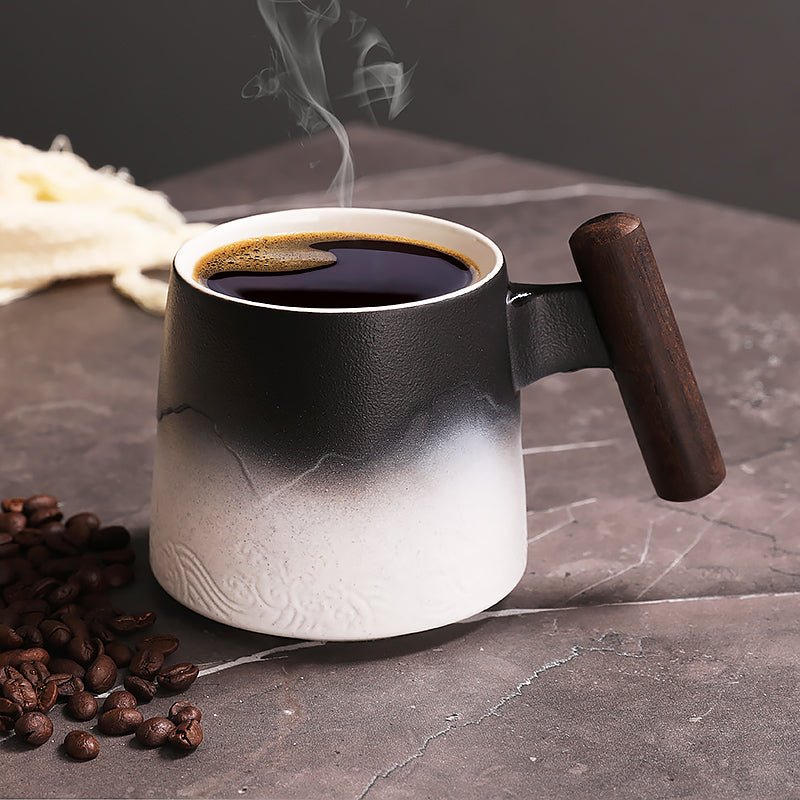
Coffee Red Mug Buying Guide for Everyday Use and Style
A coffee red mug should look good on the shelf and still hold up on a real kitchen counter. We break down shape, finish, comfort, and the trade-offs that matter before you buy.
Czytaj dalej
Zostaw komentarz
Ta strona jest chroniona przez hCaptcha i obowiązują na niej Polityka prywatności i Warunki korzystania z usługi serwisu hCaptcha.