
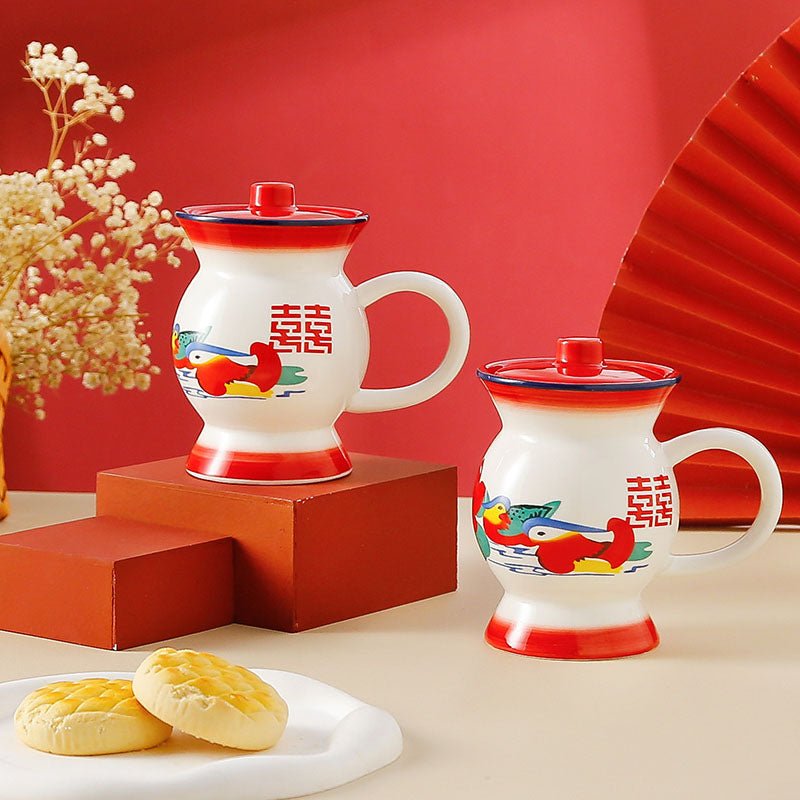
Oversized Coffee Mugs: How to Choose the Right One
Reading time: about 9 minutes
A mug that looks perfect on a product page can feel wrong after the first pour. The base may be too narrow for a desk, the handle may only fit two fingers, or the cup may get heavy fast once you fill it past the halfway mark. That is usually where oversized coffee mugs either earn a permanent spot in the kitchen or end up shoved to the back of the cabinet.
We handle these mugs as practical daily-use pieces, not as display objects. That means we pay attention to what shoppers actually feel at the sink, on the office desk, and after a few dishwasher cycles. If you are comparing oversized coffee mugs for home, work, or gifting, the details below will help you sort the useful ones from the awkward ones.
What counts as an oversized coffee mug?
There is no single standard size, but most oversized coffee mugs hold more than a typical 11 to 16 ounce mug. In practice, shoppers usually mean a mug that can handle a larger morning pour, extra milk, tea bags, or a generous amount of hot chocolate without needing a refill right away.
The important part is not just capacity. A 20 ounce mug can still feel manageable if the wall thickness, handle shape, and overall balance are right. A smaller mug with a wide belly can also feel oversized in hand if it is heavy when empty. We see this often with ceramic and stoneware styles: capacity is only one part of the buying decision.
If you are still comparing standard sizes, it helps to start with our related guides on 12 oz Coffee Mugs: What to Check Before You Buy and 16 oz Coffee Mugs: What to Check Before You Buy. Those sizes are useful benchmarks before moving up to a larger daily cup.
Which material works best for oversized mugs?
Material matters more as the mug gets larger, because extra volume usually means extra weight. In our experience, the most common materials shoppers compare are ceramic, stoneware, and porcelain. Each has trade-offs.
| Material | What it feels like | Best for | Trade-off |
|---|---|---|---|
| Ceramic | Moderate weight, familiar hand feel | Everyday kitchen use | Can chip at the rim or base if knocked against a sink |
| Stoneware | Thicker and heavier, more substantial | Hot drinks, desk use, a sturdier feel | Can feel bulky when filled to the top |
| Porcelain | Cleaner, lighter feel | People who want a refined look | Can feel less forgiving if you are rough with dishes |
For oversized coffee mugs, we usually prefer a material with enough wall thickness to hold heat without becoming unwieldy. A mug with a wide base and a comfortable handle often matters more than the label on the material. If the mug is glazed well, the surface is easier to rinse and less likely to stain from coffee oils over time.
There are limits, though. A large mug is not the best choice if you want something ultralight, travel-friendly, or compact enough to sit under a low cabinet without touching the shelf above. For that, a smaller cup from our guides on 20 Ounce Coffee Mugs: What Buyers Should Check Before Ordering may be the better fit if you still want a larger pour without going too big.
How do you tell if the size will actually work in daily use?
The right oversized mug should feel easy in the places you use it most. We look at three things first: handle clearance, base stability, and how the mug fits under common kitchen setups like coffee makers, cabinets, and microwave turntables.
- Handle clearance: Check whether two or three fingers fit comfortably without squeezing the handle against the body of the mug.
- Base width: A wider base sits better on office desks and narrow counters, especially if you set it down one-handed.
- Overall height: A taller mug may look great but can be awkward under cabinets or in a dishwasher rack.
- Filled weight: A large mug that feels fine empty can become tiring when filled with coffee, milk, or tea.
This is where oversized coffee mugs can surprise people. The ones that seem ideal in photos sometimes feel top-heavy once they are full. We have seen that happen with tall, narrow shapes that hold plenty but do not distribute weight well. A shorter, rounder mug is often easier to live with even if it looks less dramatic.
If you want more general size context before deciding, our broader guide to large capacity coffee mugs breaks down the common volume ranges shoppers compare before they buy.
What details separate a good oversized mug from a frustrating one?
Small flaws matter more on a bigger mug because you use your hand, wrist, and mouth area more often. We look for a few details that a generic listing often glosses over.
- Handle shape: A smooth, rounded handle is easier to grip than a flat one with sharp inner edges.
- Rim finish: The rim should feel even all the way around, with no rough glaze line or sharp edge.
- Foot ring: A stable, even base reduces wobble on desks and prevents that annoying spin when the mug is set down.
- Glaze consistency: Tiny pinholes, cloudy patches, or uneven glazing can be cosmetic, but they also signal inconsistent firing.
- Wall thickness: Thin walls can feel delicate and cool too quickly; very thick walls can make the mug heavy before you even pour coffee into it.
Common defect modes on oversized mugs are easy to miss in product photos: hairline cracks near the handle joins, glaze pooling at the bottom, and slight wobble from an uneven foot ring. None of these automatically make a mug unusable, but they are worth checking before you place an order, especially if the mug is meant as a gift.
For shoppers who want style as well as size, our article on Anthropologie Coffee Mugs: How to Compare Style, Size, and Everyday Use is useful because it shows how decorative pieces can still be judged by real daily-use standards.
What are oversized coffee mugs not good for?
Oversized coffee mugs are not the right answer for every routine. They are a poor fit if you want a lightweight mug for one-handed carrying across a busy workspace, a cup that fits into a car cup holder, or a small mug that heats quickly and cools predictably.
They are also not ideal for people who dislike drinking from a wide mouth. Some larger mugs have a broader rim, which makes the drink feel less concentrated and can let heat escape faster. If someone prefers a compact, concentrated coffee experience, a smaller 12 oz or 16 oz mug may actually be the better daily choice.
Gift buyers should think about storage too. A large mug can be appreciated by the right person, but it is less useful if the recipient has limited cabinet space or already owns several oversized pieces. In our store, we see the best response from shoppers who know the person uses one mug all morning, not from people buying strictly for the look of it.
How should you clean and care for a big mug?
Care should match the finish. A plain glazed ceramic or stoneware mug is usually straightforward to wash, and many are dishwasher safe. Printed decals, metallic accents, or hand-painted details need more caution because repeated heat and detergent exposure can wear them down faster.
We recommend checking three care points before you buy:
- Dishwasher compatibility: Useful for everyday mugs, especially if the inside is plain glaze.
- Microwave safety: Important if you reheat coffee or cocoa.
- Handle and rim finish: If either feels rough now, it will not improve with use.
For oversized mugs, drying matters too. A deeper mug can hold more rinse water at the base, so letting it drain fully helps avoid water spots and keeps the foot ring cleaner. If you use a dishwasher, place the mug where it will not bang against heavier dishes. Oversized mugs tend to chip where they get knocked around most: the handle edge and outer rim.
If you are building a wider mug set, you can browse our current assortment at our products or compare everything in one place through our full collection.
Who should buy oversized coffee mugs first?
Oversized coffee mugs make the most sense for people who drink slowly, like generous pours, or want one cup to cover a long stretch of work. They are also a strong choice for tea drinkers, hot chocolate drinkers, and anyone who adds milk or cream and wants room for it without spilling.
They are a weaker choice for commuters and anyone who values portability over volume. A travel tumbler is better for the car. A smaller mug is better for narrow shelves, quick reheats, and people who prefer a lighter piece in the hand.
If you are comparing oversized coffee mugs as a category, think in terms of use case first and style second. That keeps you from buying a mug that looks good but does not work with your routine.
Frequently asked questions
How big is an oversized coffee mug in ounces?
Most shoppers use the term for mugs above a standard 11 to 16 ounce size, with many falling around 20 ounces or more. The exact cutoff is less important than whether the mug fits your drinking habit, your cabinet space, and your hand comfortably.
Are oversized coffee mugs dishwasher safe?
Many glazed ceramic and stoneware mugs are dishwasher safe, but decorative finishes can be more delicate. Check for printed designs, metallic trim, or hand-painted details, since those often need gentler care.
Do oversized coffee mugs keep drinks hot longer?
They can, but not automatically. Thicker walls and a well-fitted shape help hold heat better, while a wide mouth can let heat escape faster. The material and rim shape matter just as much as the size.
What should I check before buying one online?
Look at capacity, mug height, handle shape, base width, and care instructions. If the listing does not show the mug in hand or next to a common object, it is harder to judge whether it will feel balanced in real use.
Are oversized coffee mugs a good gift?
They can be, especially for someone who drinks coffee at a desk or likes a long morning pour. They are less ideal if the recipient prefers lightweight cups, has limited cabinet space, or uses a travel mug most days.
If you are choosing one now, use this quick check: capacity that matches your drink size, a handle that fits your grip, a stable base, and a finish you can clean without babysitting it. Then compare the options in our full collection and pick the mug that works on an ordinary Tuesday, not just in the product photo.
More from our blog
Read more
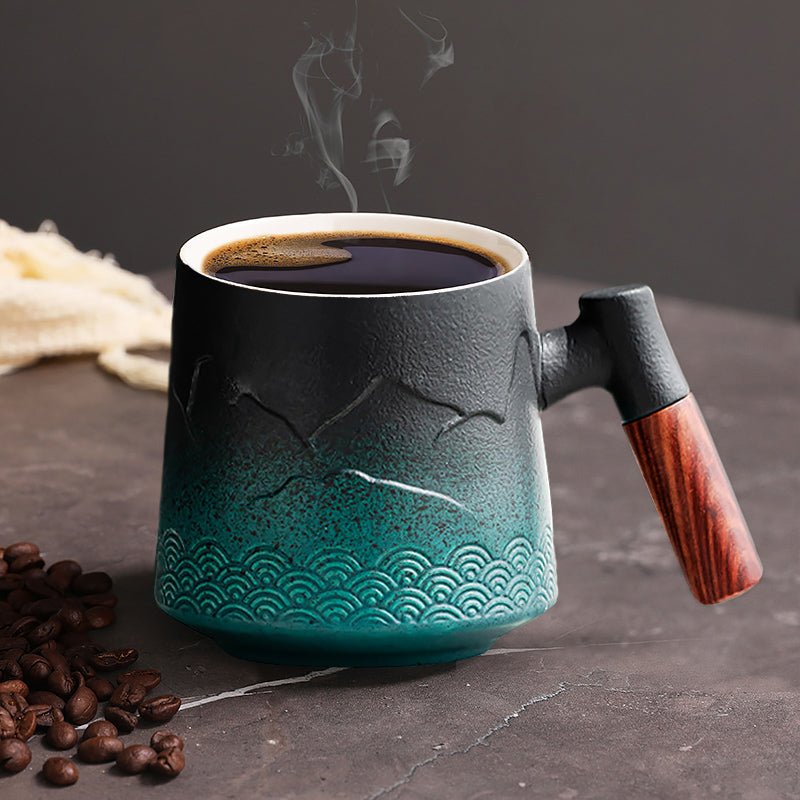
Wooden Mug Buying Guide: What to Check Before You Buy
A wooden mug looks simple, but the details matter: the wood type, liner, finish, and care routine change how it feels in daily use. Here’s what we check before we recommend one.
Czytaj dalej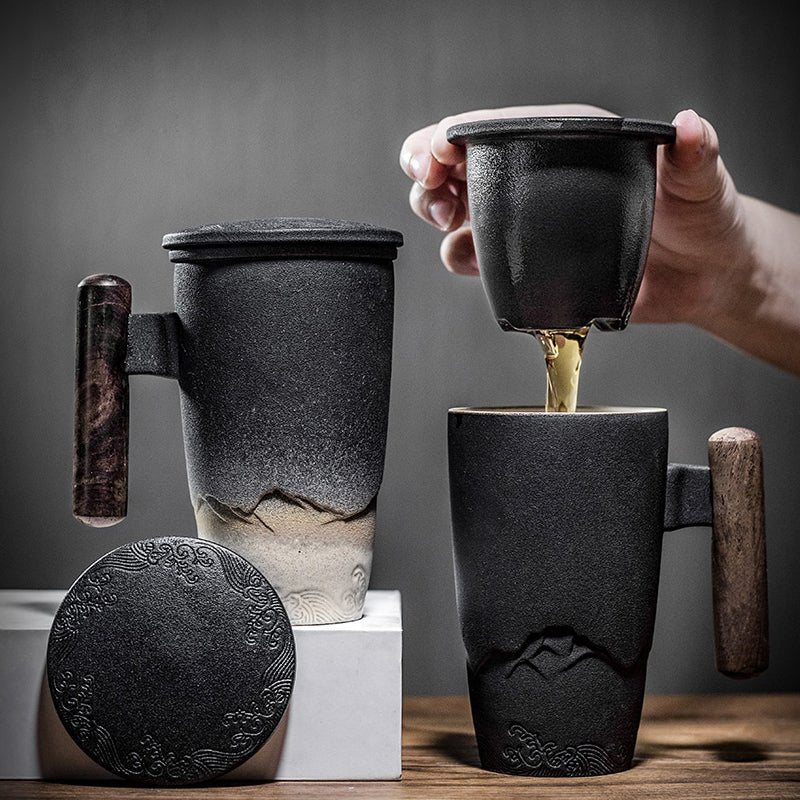
Tall Coffee Mugs: What Buyers Should Check Before Ordering
Tall coffee mugs solve real problems at desks, in the car, and on crowded kitchen counters, but the shape changes stability, heat retention, and fit. Here is what to check before you buy, plus wher...
Czytaj dalej
Zostaw komentarz
Ta strona jest chroniona przez hCaptcha i obowiązują na niej Polityka prywatności i Warunki korzystania z usługi serwisu hCaptcha.