
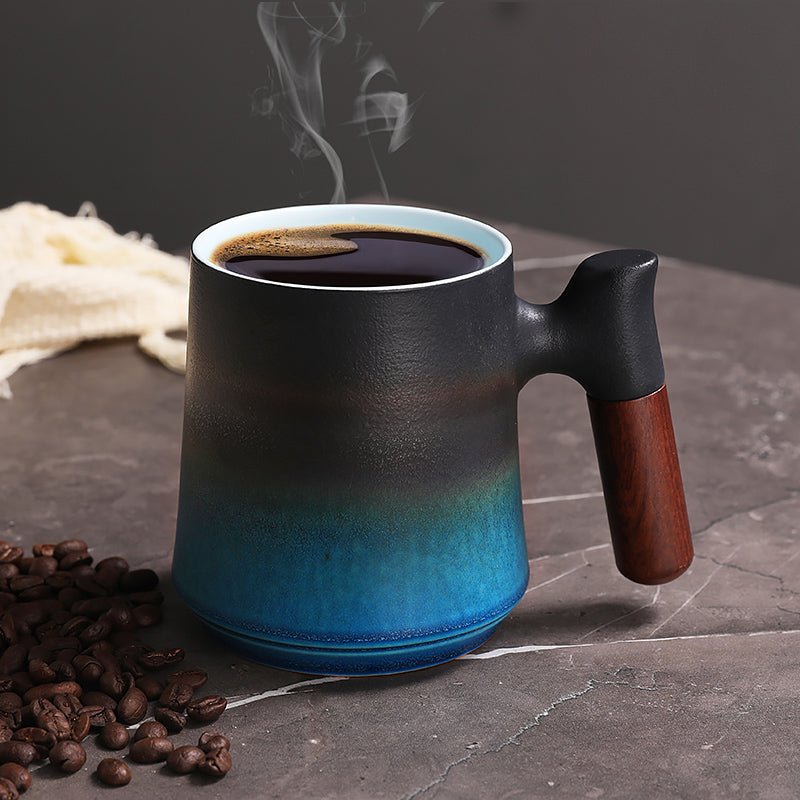
Otagiri Coffee Mug Buying Guide for Style, Condition, and Use
Reading time: about 9 minutes
A chipped mug can look charming in a listing photo and still feel wrong the first time you wrap your hand around it at the sink. We see that a lot in our store: buyers fall for the art, then realize the handle is too tight, the rim has wear, or the size does not match their morning routine.
An otagiri coffee mug usually wins people over because it feels collectible without looking fussy. That said, the best purchase is not the prettiest one. It is the mug that pours cleanly, sits comfortably in the hand, and survives real use on a kitchen counter or office desk.
What should you check first on an otagiri coffee mug?
Start with the parts that affect daily use, not just the artwork. In our experience, a mug can have a beautiful scenic or retro finish and still be annoying if the base is wobbly or the handle is cramped.
- Rim condition: Run your eye around the drinking edge. Nicks and chips matter here because they change how the mug feels on your lip.
- Handle fit: Look for enough room for two fingers if you plan to use it for coffee, tea, or hot cocoa.
- Interior glaze: Check for crazing, discoloration, or rough spots inside the cup where coffee will sit every day.
- Base and foot ring: A clean, even base helps the mug sit flat. A chipped foot can scratch shelves and counters.
- Body cracks: Hairline cracks often hide near the handle join or travel from the rim downward. Those are not cosmetic.
We also pay attention to the glaze itself. On older ceramic mugs, fine crazing can be part of the age story, but it can also make cleaning harder if you plan to use the mug often. If a listing does not show the base, rim, and interior, ask for more photos before you decide.
If a mug looks great from three feet away but feels awkward in your hand, it is a display piece, not a daily mug.
Is vintage the right buy, or should you choose a new mug instead?
A vintage mug has charm that a brand-new cup cannot fake. The glaze character, the art style, and the slightly imperfect feel are part of the appeal. But vintage also comes with trade-offs, and we think buyers should be honest about them before checkout.
Choose vintage if you want:
- A one-of-one look for a shelf, gift box, or morning ritual.
- Older ceramic character, including light glaze variation or age marks that do not affect use.
- A piece with personality, even if it is not perfectly uniform with the rest of your cups.
Choose new if you want:
- Predictable sizing for coffee machines, pour-over servings, or desk use.
- Less risk around chips, unknown wear, and old decals that may have faded.
- Easier replacement if you want a matching set.
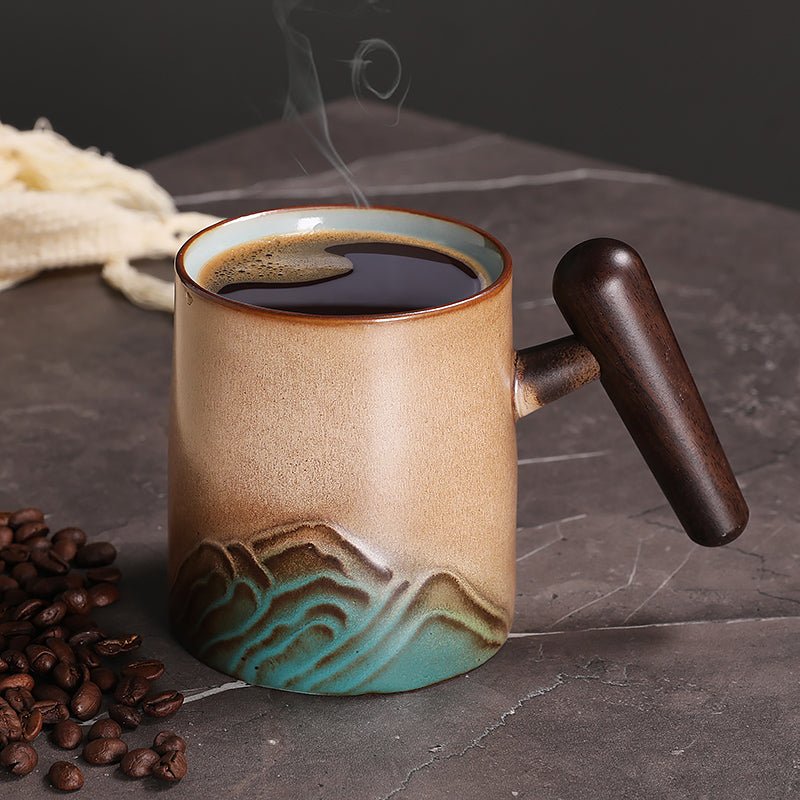
For everyday use, a new mug is often the safer call. If you want the style of an otagiri coffee mug without the uncertainty of secondhand condition, look through our modern options like the Landscape Coffee Tea Mug, the Gradient Coffee Tea Mug, and the Retro Coffee Tea Cup. They give you a vintage-adjacent feel with a much simpler buying decision.
If you want to browse the full range before choosing a shape or color, start with our all mugs collection. We keep that useful when shoppers are comparing desk mugs, gift mugs, and the cups they actually use every morning.
What size works best for daily coffee?
Size is where a lot of buyers overthink the mug and still miss the practical part. An otagiri coffee mug is often bought for the art, but the size determines whether it feels relaxed or cramped during real use.
Our advice is simple: match the mug to your drink pattern. If you drink straight drip coffee or a short pour-over, a smaller mug keeps the coffee hot longer and feels better in the hand. If you add milk, like a longer desk session, or prefer more room for foam, a larger mug makes more sense.
If you are comparing capacities, our 10 oz Coffee Mug: Size, Fit, and What to Check Before You Buy is a useful size baseline. If you know you want a little more room, our 12 Ounce Coffee Mug Buying Guide for Daily Use and Better Fit explains where that extra capacity actually helps.
For buyers who are still deciding between a collectible-looking mug and something that works every day, our broader Otagiri Coffee Mug Buying Guide: Size, Condition, and Best Uses goes deeper on the same buying decision. That article pairs well with this one if you are trying to narrow down what kind of mug belongs on your shelf, not just in your cart.
- 8 to 10 oz: Better for short coffee pours, espresso-based drinks, and anyone who dislikes a heavy mug.
- 11 to 12 oz: Better for drip coffee, tea, or a mug that needs to hold a little extra milk or foam.
- Oversized mugs: Good for long desk sessions, but they can cool too slowly or feel bulky in smaller hands.
If you want a mug for office use, also think about stability. A taller, narrower mug can look sleek, but a wider base is usually less nerve-racking near a laptop, notebook, or crowded desk.
Which flaws matter and which are just cosmetic?
This is where buyers save the most money and avoid the most regret. Some wear is harmless. Some means you should walk away.
| Check | What to look for | Why it matters |
|---|---|---|
| Rim | Small glaze wear versus a true chip | A chip changes how the mug feels and can make drinking unpleasant. |
| Handle | Cracks at the base of the handle or sharp edges | Handle damage affects safety and comfort more than people expect. |
| Glaze | Fine crazing, dull spots, or staining | Crazing may be cosmetic, but it can signal age and harder cleaning. |
| Body | Hairline cracks, wobble, or uneven firing marks | These can point to structural weakness, not just age. |
| Artwork | Fading, scuffs, or decal wear | Mostly cosmetic unless the design is the main reason you are buying. |
There is a simple line we use when we inspect mugs: cosmetic wear is acceptable if the mug still feels sound in the hand and cleans up well. Structural damage is different. A hairline crack may start as a tiny line under the glaze, but it can widen with hot liquid, repeated washing, or a small bump in the sink.
For a gift, we are stricter. A present needs to feel clean and confident out of the box. A little age character can be charming, but a chipped rim or a rough handle makes the gift feel like a compromise.
How do you care for it if you plan to use it every day?
Care depends on the mug itself, but the safest routine is boring and effective. Use mild dish soap, warm water, and a soft sponge. Dry the mug fully before putting it away so moisture does not sit in tiny glaze lines or along the base.
If you are buying an older mug, do not assume it belongs in the dishwasher just because it looks sturdy. Many vintage pieces are better off hand-washed, especially if the decoration is printed, hand-painted, or visibly aged. Thermal shock is another real problem: moving a very cold mug directly to boiling liquid can stress older ceramic.
We also tell shoppers to check the underside after washing. Water can hide under the foot ring, and over time that can leave marks on shelves or collect grit. It is a small detail, but it matters when you use the same mug every day.
What should you buy if you want the same feel without the vintage hunt?
If your goal is the relaxed, collected look of an otagiri coffee mug but you do not want to inspect thrift-store wear or ask for extra photos, modern mugs are usually the better buy. They are easier to compare, easier to replace, and much simpler to gift.
Our team usually points shoppers toward three directions:
- Landscape Coffee Tea Mug: Best if you want a calm, scenic feel that reads as classic without looking busy.
- Gradient Coffee Tea Mug: Best if you want softer color variation and a more modern tabletop look.
- Retro Coffee Tea Cup: Best if you prefer a warmer vintage cue and a more nostalgic shape.
Those options are not replicas of a vintage Otagiri piece. That is the point. They give you the emotional feel of the category without the uncertainty around age, wear, and finish condition. For many buyers, that is the more practical route.
Frequently asked questions
Are otagiri coffee mugs safe for everyday use?
They can be, but only if the mug is structurally sound and the glaze is intact. We would avoid any mug with a hairline crack, a chipped rim, or rough handle damage if you plan to use it daily. If the piece is older, hand-washing is the safer default unless the seller clearly states otherwise.
What size otagiri coffee mug is best for drip coffee?
Most drip coffee drinkers do well with a mug in the 10 to 12 oz range. Smaller sizes keep the drink hotter and feel lighter in the hand, while larger sizes give you room for milk or a longer pour. If you already know your preferred serving size, match the mug to that amount rather than guessing from the artwork.
How can I tell if a mug has hairline cracks or just glaze crazing?
Glaze crazing looks like a fine web across the surface and usually stays within the glaze layer. A hairline crack is more directional and often continues from the rim, handle join, or base into the body of the mug. When in doubt, ask for close photos in bright light and a shot of the inside and underside.
Is a vintage otagiri coffee mug good as a gift?
Yes, if the condition is clean and the design fits the person. We would avoid anything with rim chips, stains, or obvious wear marks because gifts should not require explanation. If you want the look with less risk, a new mug with a vintage feel is usually the safer pick.
Should I use the dishwasher on an older mug?
We do not recommend making that the default. Older ceramic, printed decals, and visible glaze wear can all age faster with repeated machine washing. Hand-washing with mild soap is the safer choice when you are not fully sure of the mug's condition.
What should you compare before you buy?
If you are ready to choose, keep the decision practical. Compare the mug on five points, not just on the artwork:
- Size: Pick the capacity that matches how much coffee you actually drink.
- Handle comfort: Make sure the grip feels natural, especially if you use it every morning.
- Condition: Check for chips, cracks, crazing, and base wobble.
- Care needs: Decide whether you want a hand-wash piece or an easier everyday mug.
- Look: Choose the style you will still enjoy after the novelty wears off.
If you want the easiest next step, browse our all mugs collection and compare it against the size and condition checklist above. That gives you the fastest path to a mug that looks right and actually fits your routine.
Read more
How to Get Rid of Coffee Stains in Mugs Without Damaging the Finish
Coffee rings, brown film, and stubborn marks usually come from a mix of tannins, oils, and mineral buildup. Here is the safest way we recommend cleaning mugs without dulling the glaze or lifting th...
Czytaj dalej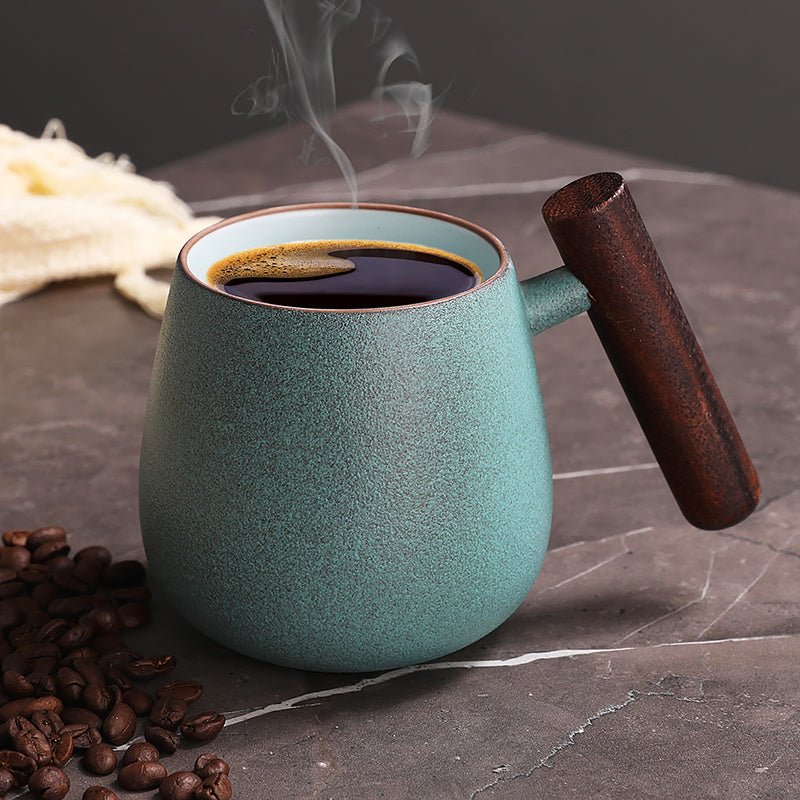
Steel Coffee Mug Buying Guide for Everyday Use
A steel coffee mug can be the right pick for desk coffee, commutes, and low-fuss gifting if you know what to check before buying. We break down fit, finish, care, and the trade-offs that matter most.
Czytaj dalej
Zostaw komentarz
Ta strona jest chroniona przez hCaptcha i obowiązują na niej Polityka prywatności i Warunki korzystania z usługi serwisu hCaptcha.