
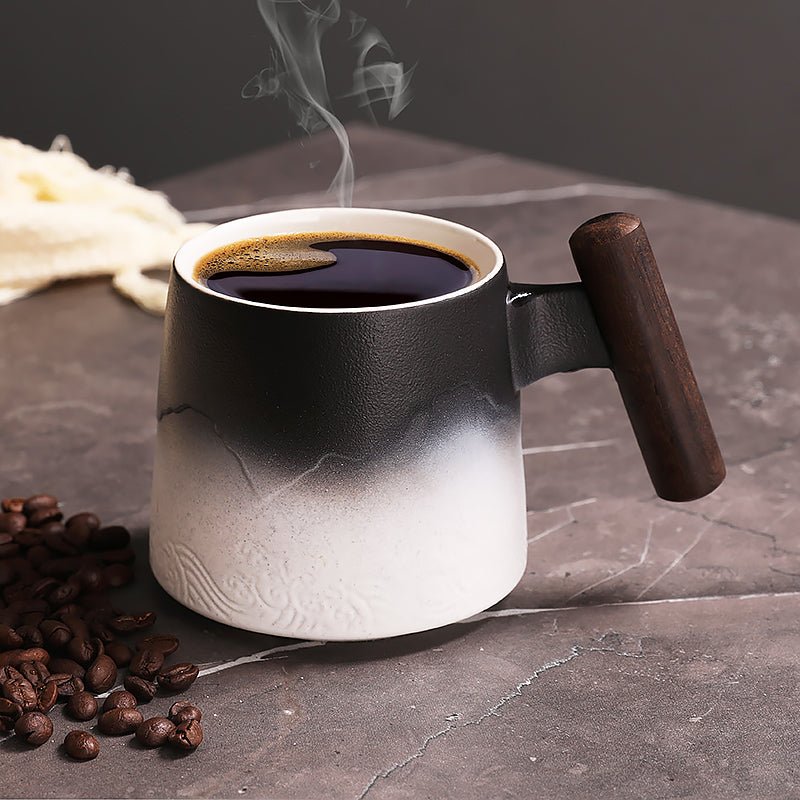
Old Pottery Company Coffee Mugs: What to Check Before You Buy
Reading time: about 9 minutes
A mug can look perfect on a shelf and still feel wrong in a hand. We see that with old pottery company coffee mugs all the time: the glaze looks rich, the shape feels classic, but the cup may be heavier than expected, hold heat differently, or chip sooner than a buyer wants.
If you are comparing this style for everyday coffee, the real question is not just how it looks. It is how it behaves on a kitchen counter, at an office desk, and after a few dishwasher cycles. That is the lens we use in our store, because a good mug has to earn its place every morning.
What should old pottery company coffee mugs feel like in daily use?
The best mugs in this style usually feel balanced before they feel beautiful. The handle should give enough clearance for two fingers without forcing a tight grip, the rim should not feel overly thick on the lip, and the base should sit flat without wobble.
In our experience, a mug that is pleasant on day one stays in rotation. A mug that feels too heavy or awkward usually gets pushed to the back of the cabinet, no matter how good the glaze looks.
Here is what we check first when we evaluate a pottery-style mug for daily use:
- Weight: Heavier mugs can feel sturdy, but they are less comfortable if you drink while standing or walking around the house.
- Rim thickness: A thick rim can feel rustic, but some buyers prefer a thinner drinking edge for black coffee or tea.
- Handle shape: A round, open handle is usually easier for larger hands; a narrow handle can look elegant but feel cramped.
- Base stability: A wide foot ring tends to sit better on a desk or tray and is less likely to tip.
If you are unsure about size, our related guides to 12 oz coffee mugs and 16 ounce coffee mugs are useful starting points. Those sizes cover most daily coffee drinkers without pushing the mug into oversized territory.
Which materials and finishes should you check first?
Most mugs in this category are ceramic, stoneware, or earthenware. Those terms are often used loosely in listings, but they matter because they affect weight, feel, and durability.
| Material | What it usually feels like | Main trade-off | Best fit |
|---|---|---|---|
| Stoneware | Dense, sturdy, usually a little heavier in the hand | Can feel bulky if the wall is thick | Daily use, home kitchens, office desks |
| Earthenware | Often lighter and more porous before glazing | Can be less forgiving if the finish is uneven | Decorative sets, lighter drinking feel |
| Porcelain or fine ceramic | Smoother, often lighter, with a cleaner edge | Can feel less rustic if you want a handmade look | Gift sets, more refined tableware |
Glaze quality matters as much as body material. A good glaze should cover the drink-contact surface evenly and leave the mug easy to rinse. Watch for pinholes, rough spots near the lip, or areas where the color looks thin enough to reveal a dull patch underneath.
We inspect the foot ring first. A rough base can scratch counters and make a mug feel unfinished, even if the glaze is beautiful.
One more practical point: if the mug has metallic trim, metallic paint, or a decorative decal that sits on top of the surface, microwave use may not be appropriate. That is not a flaw by itself. It just means the mug is better treated as a display or hand-wash piece.
Are they good for dishwasher, microwave, and office use?
Sometimes yes, sometimes no. That depends on the specific mug, not the style name on the listing. We always tell buyers to check the care notes because pottery-style mugs can vary a lot from one production run to another.
For everyday kitchen use, these are the main care questions to confirm:
- Dishwasher safe or hand wash only? A mug that is dishwasher safe is easier for daily use, but hand washing may help preserve printed decoration or softer glazes.
- Microwave safe or not? Skip the microwave if the mug has metallic details or any decoration that the maker does not approve for heat.
- Does the handle stay cool enough? Thick stoneware can retain heat. That is pleasant for a long sip, less pleasant if you want to drink quickly on a work break.
- Will it fit the space where you actually use it? A tall mug can be awkward under an espresso machine, under a low cabinet, or beside a laptop on a crowded desk.
For office desks, the best mug is often not the prettiest one. It is the one with a stable base, a handle that does not jab into the side of the cup, and a shape that clears a keyboard or notebook without fuss. For gift boxes, we also look at packaging, because a pretty mug with a fragile box can arrive with a chipped rim.
If your goal is a more uniform look across a team kitchen or client-facing space, our guide to company logo coffee mugs is a better match than a pottery-style piece. That category is usually chosen for consistency, while pottery mugs are chosen for feel and character.
How do they compare with handmade pottery, logo mugs, and larger mugs?
This is where a lot of buyers make the wrong call. They compare style photos instead of use case. A mug that works for a home shelf is not always the right mug for an office, a gift, or a heavy coffee drinker.
Our own product conversations usually come down to three trade-offs: consistency, character, and capacity. If you are deciding between similar styles, this quick comparison helps:
| Type | What you gain | What you give up | Best for |
|---|---|---|---|
| Old pottery company coffee mugs | Classic look, familiar shape, easy to gift | May be heavier or less uniform than modern mugs | Buyers who want a traditional kitchen feel |
| Handmade pottery coffee mugs | More texture, variation, and artisan character | Size and glaze can vary more from piece to piece | Shoppers who want a one-of-a-kind mug |
| Company logo coffee mugs | Consistency and branding clarity | Less tactile warmth and fewer visual variations | Offices, events, and branded gifts |
| 20 oz mugs | More room for large pours, milk drinks, or long pours | Heavier in the hand and slower to finish | Drinkers who want one mug to last through the morning |
Our guide to handmade pottery coffee mugs is useful if you care more about glaze variation and artisan feel than uniform sizing. If you are mainly choosing by capacity, 20 ounce coffee mugs may suit you better than a standard pottery cup, but only if you are comfortable with the extra weight.
The limitation here is simple: a pottery-style mug is not the best choice for everyone. If you need a travel-safe cup, a super-light commuter mug, or something that stacks tightly for a crowded pantry shelf, a different category will serve you better.
What should you check before buying one as a gift or a set?
Gift buying exposes every small weakness. A mug that feels charming in a product photo can disappoint if the handle is awkward, the glaze is uneven, or the box arrives looking flimsy. For sets, small differences become more obvious when four or six mugs sit side by side.
Before you order, we recommend checking these points:
- Color variation: Pottery finishes can shift from mug to mug. That is part of the appeal, but it can surprise buyers who want a perfectly matched set.
- Rim condition: A smooth drinking edge matters more for gifts than most people expect.
- Handle clearance: If the mug is for someone with larger hands, a tight handle is a real usability problem.
- Packaging: A sturdy box or protective packing is worth paying attention to, especially for shipping gifts.
- Cleaning expectations: If the recipient wants low-maintenance care, confirm dishwasher-safe construction before you buy.
For a broader shopping pass, our full selection on our products page and our all-collections page is the quickest way to compare shapes, sizes, and styles side by side. That is usually better than choosing from one photo and hoping the rest will follow.
If you are buying for a person who drinks coffee slowly at a desk, a 12 oz or 16 oz mug often makes more sense than an oversized cup. If the person likes milk drinks, soup, or long pours that stay open on the counter, a larger mug can be the better fit. The right answer depends on the routine, not just the look.
Frequently asked questions
Are old pottery company coffee mugs dishwasher safe?
Some are, some are not. The safest approach is to check the care instructions for the exact mug and look for notes about glaze, decals, or hand-wash recommendations. If the mug has metallic decoration or delicate surface printing, hand washing is often the safer choice.
What size is best for daily coffee?
For most buyers, 12 oz or 16 oz is the most practical range. Twelve ounces works well for a standard cup without too much extra weight, while 16 oz gives you more room for milk-based drinks or larger pours. Anything bigger starts to feel more like a bowl-shaped mug than a quick daily cup.
Do pottery mugs chip easily?
They can chip if the rim or foot ring takes repeated knocks against a sink, countertop, or another mug. That does not mean every pottery mug is fragile, but it does mean careful handling matters. Good packing and a smooth glaze help, and so does storing mugs with enough space between them.
Are pottery-style mugs better than regular ceramic mugs?
Not automatically. Pottery-style mugs usually bring more texture and visual character, while regular ceramic mugs can be lighter, more uniform, and sometimes easier to match in a set. If you want a handcrafted feel, pottery wins. If you want consistency and easy replacement, standard ceramic can be the better buy.
What should I avoid if I want a mug for my desk?
A mug that is too tall, too wide at the base, or too heavy for one-handed use is usually a poor desk choice. We also avoid mugs with unstable bottoms or very narrow handles for office use. If the desk is crowded, a 12 oz or compact 16 oz mug usually works better than a large, heavy piece.
If you want the next step to be practical, compare the mug against three things: hand comfort, care instructions, and size. Then cross-check it against our pottery coffee mugs guide and the size articles that match your drinking habits before you buy.
More from our blog
Read more

Starbucks Coffee Mugs Florida: What Buyers Should Check Before Buying
A practical buyer’s guide to Starbucks coffee mugs Florida, including what matters for display, daily use, gifting, and travel. We cover materials, care, size, and the trade-offs that matter before...
Czytaj dalej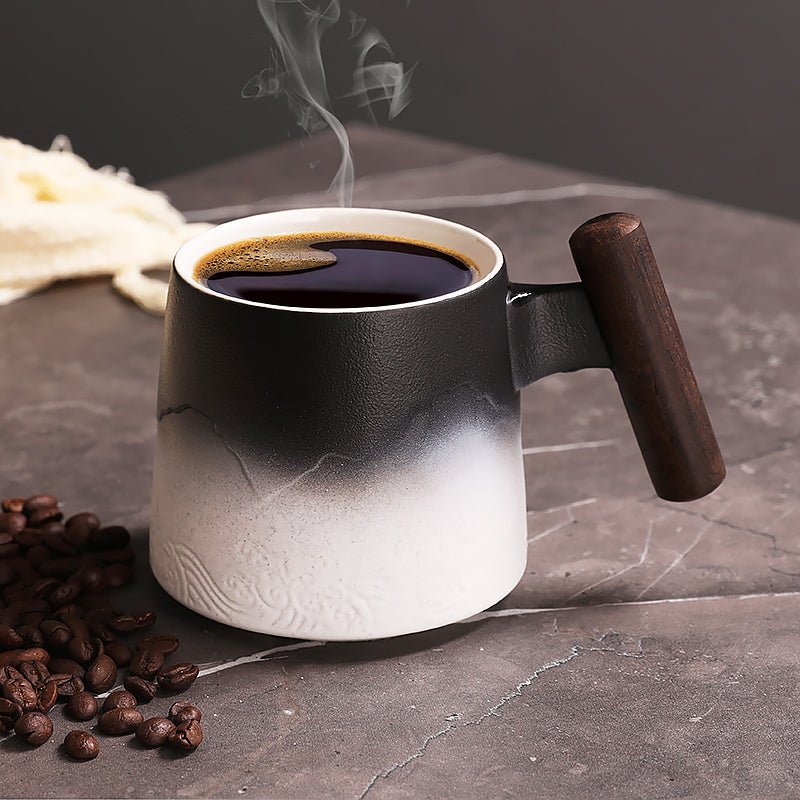
Trump Coffee Mug Buying Guide: Size, Material, and Print Quality
A practical guide to choosing a trump coffee mug that fits the hand, the desk, and the dishwasher. We cover size, material, print durability, and where this style works best.
Czytaj dalej
Zostaw komentarz
Ta strona jest chroniona przez hCaptcha i obowiązują na niej Polityka prywatności i Warunki korzystania z usługi serwisu hCaptcha.