
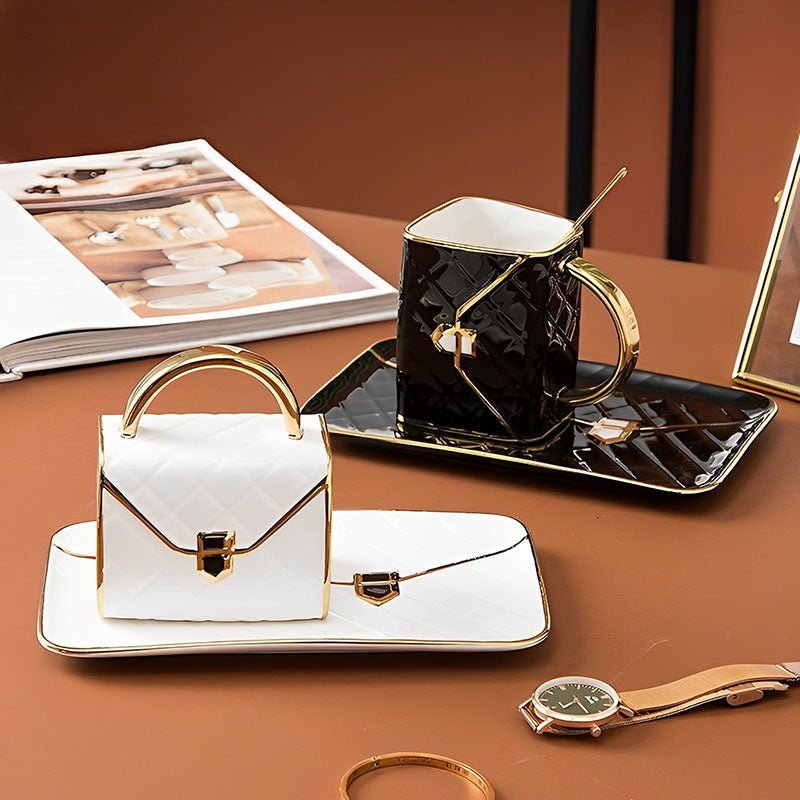
Novelty Coffee Mug Buying Guide: Size, Print, and Care
Reading time: about 11 minutes
A novelty coffee mug looks good on a desk until the handle feels cramped, the print sits too close to the rim, or the finish starts showing wear after a few wash cycles. We see that pattern in our store often: buyers want the personality piece, but they keep the mug only if it still works on an ordinary Tuesday morning.
That is the real test. A novelty coffee mug should still pour, hold comfortably, fit the drink you actually make, and survive the care routine you are willing to follow. If it fails on those basics, the joke gets old fast.
What makes a novelty coffee mug worth buying?
The best novelty mug is not just a funny graphic or a clever phrase. It is a usable cup with a design that survives real life on a kitchen counter, office desk, or gift table. In our experience, the mugs people keep long term have three things in common: a comfortable handle, a stable base, and a print or glaze that still looks clean after regular washing.
Here is what we check before we would recommend one to a customer:
- Handle comfort: Your fingers should clear the handle without squeezing. A handle that looks cute but feels tight is a daily annoyance.
- Base stability: The mug should sit flat. A slightly wobbly base is a real problem on a cluttered desk or a slippery kitchen tray.
- Print placement: Artwork should not crowd the lip or wrap in a way that becomes awkward for right- or left-handed use.
- Capacity: A novelty coffee mug can be small and charming, or oversized and practical, but the size has to match the drink you make most often.
- Care label: If you want dishwasher or microwave convenience, verify that before you buy. Some decorative finishes and metallic details need gentler handling.
The trade-off is simple. The more decorative the mug, the more likely it is to need careful use. If you want a mug for daily refills, a more restrained design often lasts better than a heavily embellished one. If you want a display piece or a gift with a specific joke, then presentation matters more than ruggedness.
Which size fits the drink and the person?
Size changes the whole experience. A novelty coffee mug that feels perfect for tea can be too small for a large morning pour, and a big mug can feel awkward if the person drinks slowly or has limited cabinet space. If you are comparing standard sizes, our size guides for the 11 oz coffee mug, 15 oz coffee mug, and 16 oz coffee mug break down those trade-offs in more detail.
| Size | Best for | Main trade-off |
|---|---|---|
| 10 oz | Smaller pours, tea, espresso drinks with room for milk | Less forgiving if you like a full mug in the morning |
| 11 oz | Everyday coffee for most buyers | Can feel a little small for large milk-heavy drinks |
| 12 oz | A balanced middle ground | Not as compact as a classic desk mug |
| 14 oz | Longer sipping sessions or bigger servings | Can feel bulky in smaller hands |
| 15 oz | People who want fewer refills | Takes more shelf and dishwasher space |
| 16 oz | Large drinks, soup, or a roomy all-purpose mug | Heavier when full and less portable around the house |
If the mug is a gift, size should match the recipient's routine, not just the design. A coworker who drinks black coffee at a desk usually does well with 11 to 12 oz. A person who adds milk, flavoring, or extra hot chocolate may prefer 14 to 16 oz. For a quick size refresher, our guides on the 10 oz coffee mug and 12 ounce coffee mug also help narrow the field.
Which materials and finishes hold up best?
Most novelty mugs you will see are ceramic or stoneware, and both can be excellent choices if the wall thickness, glaze, and handle shape are done well. Ceramic usually gives a smoother, cleaner finish. Stoneware often feels a little heavier and more substantial in the hand. That extra weight can feel premium, but it also makes the mug less appealing if you want something light for a desk or cabinet shelf.
Enamel-style mugs are a different category altogether. They are lighter and more travel-friendly, but they are not the best choice if you want a quiet, sturdy mug for a home office. They can also show chips or edge wear more quickly than a glazed ceramic mug, so they are better for camping-style use than for a permanent desktop mug.
Finish matters as much as base material. A glossy glaze usually wipes clean more easily than a matte surface, while a matte finish can show fingerprints or light scuffs sooner. Printed designs can be direct-to-surface, wrapped decals, or sublimation-style graphics. Each one has its own wear pattern. A mug that looks sharp on day one can still disappoint if the image is misaligned, blurry at the edge, or faded after repeated washing.
We pay attention to the small defects shoppers notice after the excitement wears off:
- Hairline cracks in the glaze near the rim or base.
- Uneven printing near the handle seam.
- Pinholes or tiny glaze pops that catch grime.
- Rough base edges that scratch a table or coaster.
- Decorative accents that are not microwave-safe.
If you want a novelty coffee mug for everyday use, a simple ceramic or stoneware build is usually the safest bet. If you want something mostly for display or a themed gift basket, a more decorative finish can make sense. Just do not expect the most delicate options to behave like a plain diner mug.
Is a novelty coffee mug a better gift or a better daily mug?
That depends on the reason you are buying it. A good gift mug gets a reaction when it is opened. A good daily mug disappears into the routine because it feels right every time the coffee is poured. The best novelty pieces can do both, but not every design will.
For gifts, we look for details that make the unboxing feel intentional:
- A message or image that is specific to the recipient, not just generically funny.
- A size that fits the person's actual drink habits.
- A finish that will still look presentable if the mug goes straight from the box to the break room.
- Packaging that protects the rim and handle, where chips usually happen first.
For daily use, the priorities shift. The handle should be comfortable for repeated lifts. The mug should fit under the coffee machine if that matters in your kitchen. The design should survive dishwashing if you do not want to hand wash it every day. If those things do not matter to you, then a more decorative novelty mug is fine. If they do matter, choose utility first and personality second.
Some shoppers should skip a novelty mug entirely. If you need stackable mugs for a small cabinet, a match set for a guest kitchen, or something office-neutral that will not distract from a shared workspace, a simpler mug will work better. Novelty is a feature, but it is also a limitation.
How do you check print quality before you buy?
Print quality is where many novelty mugs win or lose. A smart design still looks cheap if the image is off-center, the lettering is too close to the rim, or the artwork wraps awkwardly around the handle. We recommend checking the listing photos for three things: clarity, placement, and consistency.
Look for these details before you commit:
- Image alignment: The main graphic should sit level and centered. A slight tilt is more noticeable on a mug than on a shirt or notebook.
- Color contrast: Dark artwork on a dark mug, or pale print on a glossy bright surface, can disappear in normal kitchen light.
- Edge finish: The print should not look cut off at the seam or blurred where the mug curves.
- Handle relationship: The design should still be readable when the mug is held by a right-handed or left-handed drinker.
- Surface wear clues: If the product photos hide the bottom or the rim, ask whether the finish there is plain, glazed, or decorated.
Common problem modes are easy to miss in a product photo. A mug can arrive with a tiny chip on the base from shipping, a dull patch in the glaze, or a decal that was applied slightly low. None of those are catastrophic, but they matter if the mug is a gift or a centerpiece on an office shelf. That is why we prefer listings that show multiple angles and close-up shots.
How should you care for a novelty coffee mug?
Care is where a lot of buyers get caught out. If a mug has a fun print, metallic accent, or specialty coating, it may need more care than a plain mug you toss into the dishwasher every night. If you want the design to last, gentle handling is worth the extra minute.
Use this routine when the mug is meant for regular use:
- Wash the mug after coffee or tea sits in it for a while, so stains do not settle into the glaze.
- Use a soft sponge instead of an abrasive pad on printed surfaces.
- Avoid sudden temperature changes, such as pouring boiling liquid into a cold mug straight from a cupboard.
- Do not microwave mugs with metallic trim or decorative finishes unless the maker says they are safe.
- If the mug has a decal or photo-style print, place it away from heavy stacking pressure in the dishwasher.
Hand washing is the safest choice for fragile decoration. Dishwasher use can be fine for many mugs, but repeated heat, detergent, and rack contact can dull a print over time. If the mug is a keepsake or a gift you want to preserve, hand washing is the conservative call.
We also tell shoppers to treat the base gently. A lot of chips happen when a mug is slammed into a sink edge or stacked on top of a heavier cup. A simple coaster or careful shelf placement can extend the life of even a basic mug.
What should you buy if you want one mug that covers most use cases?
If you want one novelty coffee mug that can handle gifting, desk use, and everyday drinking, look for a middle-size ceramic or stoneware piece with a clean, centered print and a comfortable handle. That usually gives the best balance of visual impact and practical use. The mug should feel steady when full, not top-heavy, and it should have care instructions you can actually follow.
A quick comparison checklist helps narrow it down:
- Choose 11 to 12 oz if the mug is for regular coffee and a more compact feel.
- Choose 14 to 16 oz if the drinker likes longer pours, milk, or hot chocolate.
- Choose ceramic or stoneware if the mug will stay at home or in the office.
- Choose simpler decoration if you want easier cleaning and better long-term wear.
- Choose a more playful design if the mug is mainly for a gift moment or display.
If you are ready to compare what we currently carry, start with our product page and then browse the full collection to match the size and style to the person who will actually use it.
Frequently asked questions
What size novelty coffee mug is best for everyday use?
For most people, 11 to 12 oz is the safest everyday range. It is large enough for a normal coffee pour without feeling bulky on a desk or in the hand. If the person likes larger drinks or adds a lot of milk, 14 to 16 oz is usually a better fit.
Are novelty coffee mugs dishwasher safe?
Some are, some are not. Plain ceramic and stoneware mugs often handle dishwasher use well, but printed designs, metallic accents, and specialty finishes can wear faster with repeated cycles. Check the care instructions on the product page before you assume it is safe.
Do novelty coffee mugs make good gifts for coworkers?
Yes, if the design is specific enough to feel thoughtful but neutral enough for a shared workspace. We usually recommend a mug that is practical first and humorous second. A comfortable handle and a standard size matter more than a complicated design when the mug will live on a desk.
What should I check before buying a novelty coffee mug online?
Check the size, material, care instructions, and photos of the handle and base. Those details tell you more about real-world use than the headline design alone. If the listing is light on photos or does not mention cleaning guidance, that is a warning sign.
Can I use a novelty coffee mug for tea or hot chocolate?
Yes, as long as the size and shape suit the drink. A wider mug can work well for hot chocolate, while a smaller one is often better for tea or espresso-based drinks with milk. The main thing is making sure the mug is comfortable to hold when full.
What should you compare before you buy?
If you are down to two or three options, compare them in this order: size, handle comfort, care instructions, and print quality. That sequence cuts through the noise fast. A design can be funny and still be the wrong mug if it is awkward to hold or hard to clean.
For the quickest decision, use this short checklist:
- Does the size match the drink the person actually makes?
- Does the handle feel comfortable for repeated use?
- Will the finish and print hold up to the care routine you prefer?
- Does the design fit a kitchen, office desk, or gift moment?
Once those boxes are checked, the style choice becomes much easier. Start with the practical fit, then pick the mug that has the right personality for the person who will use it.
More from our blog
Read more
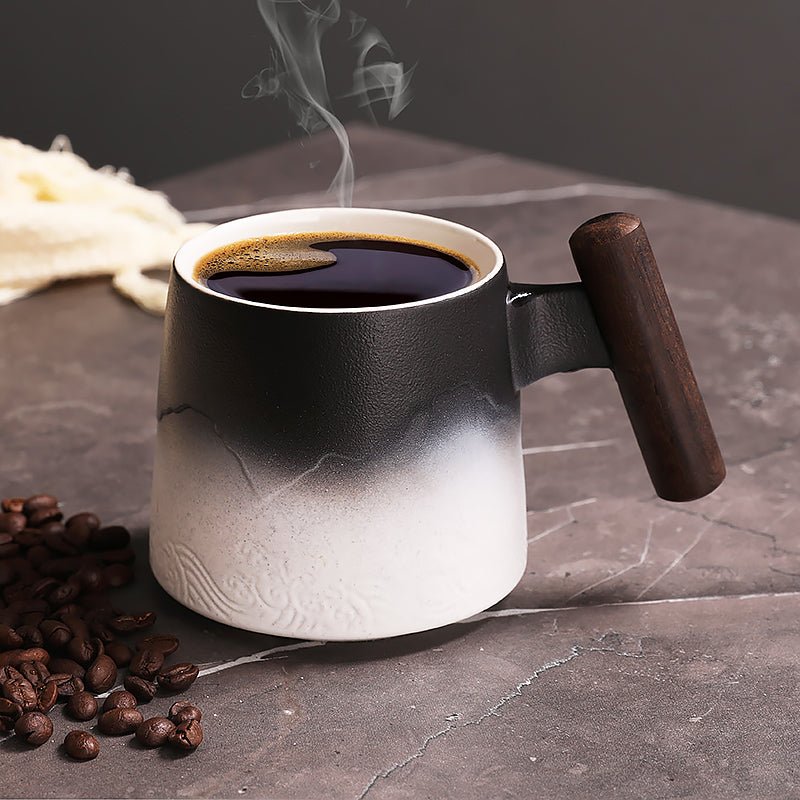
Mickey Coffee Mug Buying Guide: Size, Material, and Everyday Use
A Mickey coffee mug should do more than look good on a shelf. We break down size, material, care, and gift fit so you can choose one that actually works at the desk or breakfast table.
Czytaj dalej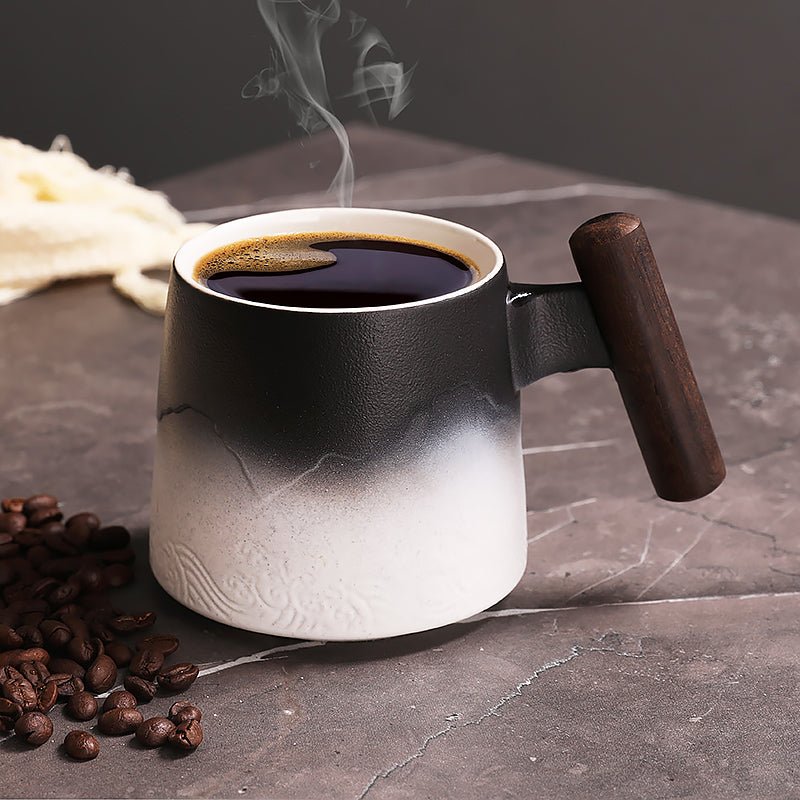
Ralph's Coffee Mug: What to Check Before You Buy
A practical guide to choosing a Ralph's coffee mug, with real checks on size, material, print durability, and care before you place an order.
Czytaj dalej
Zostaw komentarz
Ta strona jest chroniona przez hCaptcha i obowiązują na niej Polityka prywatności i Warunki korzystania z usługi serwisu hCaptcha.