
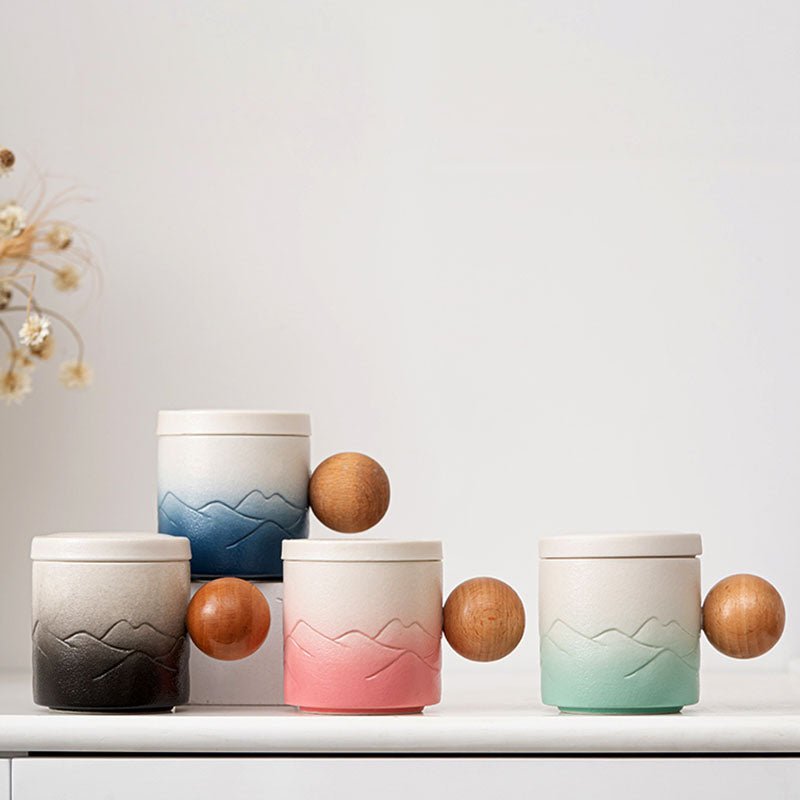
Novelty Coffee Mug Buying Guide: Gifts, Desk Use, and Daily Sip
Reading time: about 9 minutes
A novelty coffee mug usually gets judged before it gets used. Someone spots it on a shelf or in a gift box, likes the shape, then asks the real question: will it sit well on a desk, hold a normal serving, and survive regular washing? In our store, we see those practical questions decide the sale.
If you want a specific example, our handbag coffee tea mug shows the kind of novelty piece buyers often choose for gifting or display. If you want to compare styles first, browse the full all collection and narrow from there.
The point of a good novelty mug is not just to be amusing. It should still behave like a mug. That means a stable base, a handle that does not feel awkward after a few sips, and a shape that works on an office desk or kitchen counter without tipping, rattling, or hogging space. A clever silhouette is a plus. A bad drinking experience is not.
What should a novelty coffee mug actually do?
At minimum, a novelty coffee mug needs to be practical enough that people reach for it twice, not once. The best ones get used for coffee, tea, hot chocolate, and even a quick desk refill. The ones that fail usually miss on one of three things: the grip feels cramped, the mug is too awkward to clean, or the shape looks better in photos than in real life.
We look for a balance between personality and function. That is especially true for gifts. A mug that gets a laugh at unboxing but feels annoying at the sink loses value fast. A mug that fits naturally into a morning routine has a much better chance of becoming somebody's favorite piece.
- Good novelty mugs are easy to hold, sit flat, and feel comfortable with a normal drink portion.
- Better novelty mugs still work on a desk, in a gift basket, or on an open shelf without feeling fragile or flimsy.
- Poor novelty mugs look fun but are hard to wash, awkward to store, or too unbalanced for everyday use.
If you want the fuller checklist we use when we review pieces for the store, our Novelty Coffee Mug Buying Guide: Size, Print, and Care covers the same basics in more detail.
Which situations suit a novelty coffee mug and which do not?
We usually split novelty mugs into two jobs: daily use and gift/display use. Some do both. Some are clearly better at one than the other. That is not a flaw. It just means the right buyer is different.
| Use case | Usually a good fit? | What to check first |
|---|---|---|
| Desk coffee or tea | Yes | Base stability, handle comfort, and whether the shape crowds a mouse pad or notebook |
| Gift unboxing | Yes | Presentation, shape, and whether the mug feels special enough to match the occasion |
| Everyday kitchen use | Sometimes | Care instructions, print durability, and how easily it fits into your cabinet |
| Travel or commuting | No, usually not | Most novelty mugs are not built for cup holders, lids, or bump-heavy carry |
The main trade-off is simple. A novelty coffee mug often spends some of its design budget on shape and character, which can reduce stackability, portability, or microwave convenience. If you want something for the car, a narrow travel mug is the better buy. If you want a mug that lives on a desk and gets noticed, novelty styles make more sense.
That is also why size matters. If the mug is too small, it feels decorative only. If it is too large, it can be awkward for tea drinkers, harder to store, and more likely to splash. If you are comparing sizes, our size-focused guides on 10 oz coffee mug sizing and 12 ounce coffee mug fit are helpful reference points before you commit.
What details should you check before buying?
Buyers often focus on the look first. That is natural. We do too. But when a mug arrives, the details that matter are the ones you cannot see from across the room.
Start with the material. Many novelty coffee mugs are ceramic, often with a glazed interior and a printed or molded exterior. Ceramic usually gives a solid feel and holds heat well for normal sipping, but it can chip if knocked against a sink or packed carelessly. If the mug uses metallic accents or layered decoration, check whether it is microwave-safe before you assume it is.
Next, look at capacity. A mug in the 10 oz to 12 oz range is a common daily-use sweet spot. Smaller sizes can be great for espresso drinks or short pours, while larger mugs suit people who like room for milk, foam, or tea leaves. If someone drinks a full office coffee refill, a tiny novelty mug will feel more like a prop than a cup.
The handle deserves more attention than buyers usually give it. A handle should let you get at least two fingers in comfortably, and the join between handle and body should not feel thin or sharp. In our experience, the handle area is one of the first places where a mug feels either well made or compromised.
Also check the base. A flat base matters more than people think. A slight wobble is easy to miss in product photos, but it shows up immediately on a desk, a glass table, or a crowded breakfast counter. That is one reason we prefer mugs that sit level without needing to be nudged into place.
- Material: ceramic and stoneware feel substantial, but they can chip if handled roughly.
- Capacity: 10 oz, 11 oz, and 12 oz are common comparison points for everyday coffee drinkers.
- Handle: check finger clearance and comfort, especially if the mug is shaped creatively.
- Finish: inspect print alignment, glaze consistency, and whether the decoration looks sealed or delicate.
- Care: confirm dishwasher and microwave guidance before you buy, not after the first wash.
How do we judge care and durability in real use?
We look at a mug the way a customer will actually use it: on a kitchen counter, in a dishwasher cycle, on a desk with a spoon resting in it, or as a gift that gets washed before first use. That is where the weak spots show up.
Common failure points in novelty mugs are usually not dramatic. They are small. A hairline crack near the handle. A rough spot in the glaze. A print that starts to look tired after repeated washing. A base that feels a touch uneven on a hard surface. None of these are exciting problems, but they are the ones that decide whether a mug stays in rotation.
For care, the safest rule is straightforward: follow the product listing. If a mug has printed graphics, decals, or metallic detailing, hand washing is usually the better long-term choice unless the care instructions clearly say otherwise. High-heat dishwasher cycles and abrasive sponges are where decorative finishes tend to show wear first.
We also advise customers to think about how they use hot drinks. If you microwave coffee often, avoid any mug with metal accents or unclear microwave guidance. If you prefer tea and rinse after each use, you may care more about stain resistance and how easily the interior cleans than about whether the mug stacks neatly with the rest of your cabinet.
That is the trade-off with novelty drinkware. You often get a more interesting shape, but you may give up some of the convenience that plain everyday mugs offer. That is a fair exchange if the mug has a specific purpose. It is a poor exchange if you want something low-maintenance and invisible.
Why pick a handbag-style mug instead of a plain mug?
The handbag coffee tea mug is a good example of why novelty mugs sell. It looks distinctive enough to feel giftable, but it still has a job to do. For a desk, vanity tray, breakfast nook, or wrapped present, that kind of visual identity matters more than a standard cylinder shape.
This is the kind of mug people buy when the presentation matters. It works well for birthdays, office gifts, and the person who likes objects that start conversations. It is less suited to anyone who wants every mug to stack in a tight cupboard, fit a car cup holder, or disappear into the background of a kitchen set.
That is not a weakness. It is a design choice. A novelty coffee mug like this is meant to be noticed. If the buyer values clean utility above all else, a plain mug is the better match. If they want personality with a real drinking function, this is where novelty wins.
We see the best results when shoppers choose novelty mugs for the right reason: they want the gift to feel personal, or they want a piece that brightens an everyday routine. The wrong reason is chasing the look alone and hoping the mug will somehow behave like a standard drinkware staple. It may not.
Frequently asked questions
Is a novelty coffee mug good for everyday use?
Yes, if the mug has a stable base, a comfortable handle, and clear care instructions. It is less ideal if you need a mug you can toss into the dishwasher every day without thinking, or if you want a shape that stacks tightly with other drinkware.
What size novelty coffee mug should I buy?
For most coffee drinkers, the practical range is 10 oz to 12 oz. Smaller sizes work better for espresso drinks or limited servings, while larger sizes help if you like room for milk or tea. If you already know your drink habits, size is one of the easiest ways to avoid buyer's remorse.
Can I put a novelty coffee mug in the dishwasher?
Sometimes, but only if the product care guidance says it is safe. Plain glazed ceramic often handles normal washing well, while decals, metallic accents, and hand-painted details may need gentler care to keep them looking fresh.
Are novelty coffee mugs good gifts?
Yes, especially when the design matches the person and the occasion. They work best for people who enjoy desk accessories, themed kitchen items, or drinkware with personality. They are a weaker gift for someone who prefers minimal storage and plain matching sets.
What should I avoid when buying one?
Avoid mugs that wobble, feel awkward in the hand, or hide important care details. If the listing does not make material and washing guidance clear, that is a warning sign. A novelty mug should be fun first and still easy to live with.
If you want to compare styles with the practical checks in mind, start with our all collection, then use the size, print, and care points above to choose the mug that fits your shelf, dishwasher, and coffee routine.
Read more
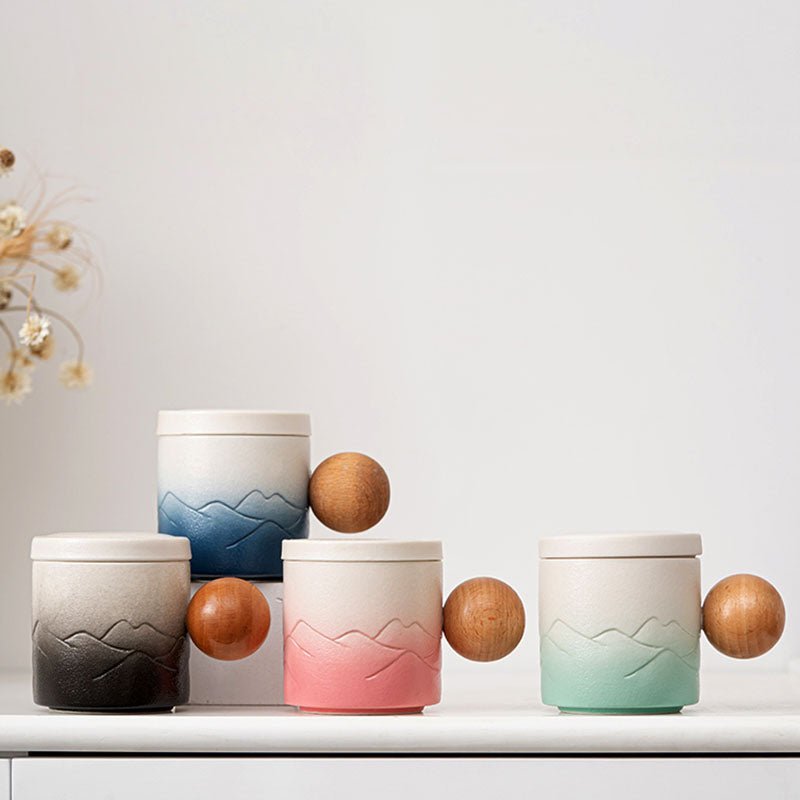
Valentine Coffee Mugs: Practical Gift Picks for Daily Use
We break down which Valentine coffee mugs work as real gifts, not just holiday decor. Compare shape, grip, size, and cleanup so you can pick a mug that gets used after February.
Czytaj dalej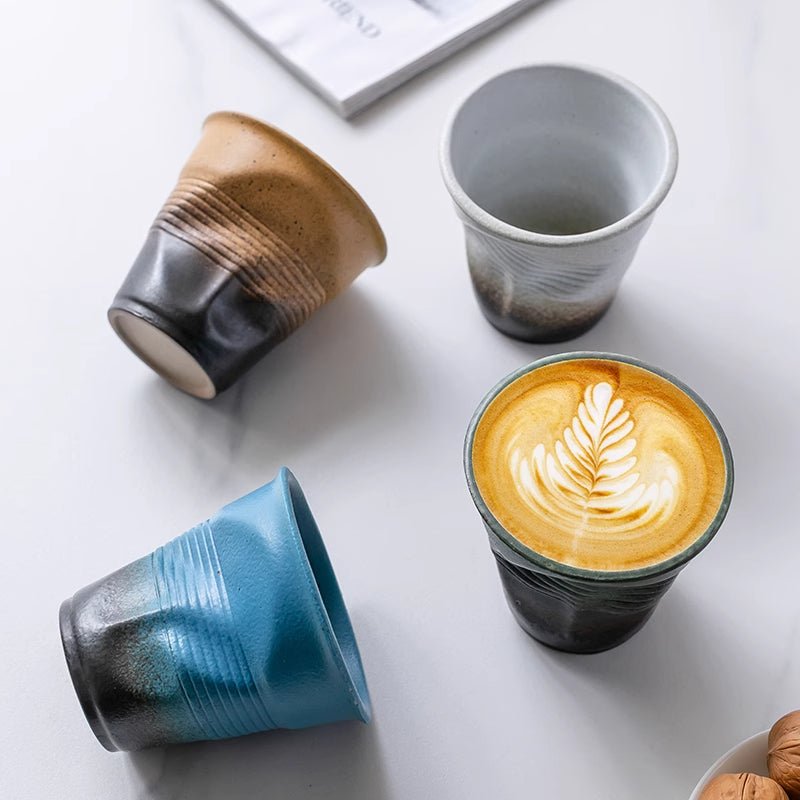
Fancy Cups: How to Choose Beautiful Cups That Work Daily
A practical guide to fancy cups for shoppers who want something attractive enough for display but durable enough for everyday coffee, tea, and gifting.
Czytaj dalej
Zostaw komentarz
Ta strona jest chroniona przez hCaptcha i obowiązują na niej Polityka prywatności i Warunki korzystania z usługi serwisu hCaptcha.