
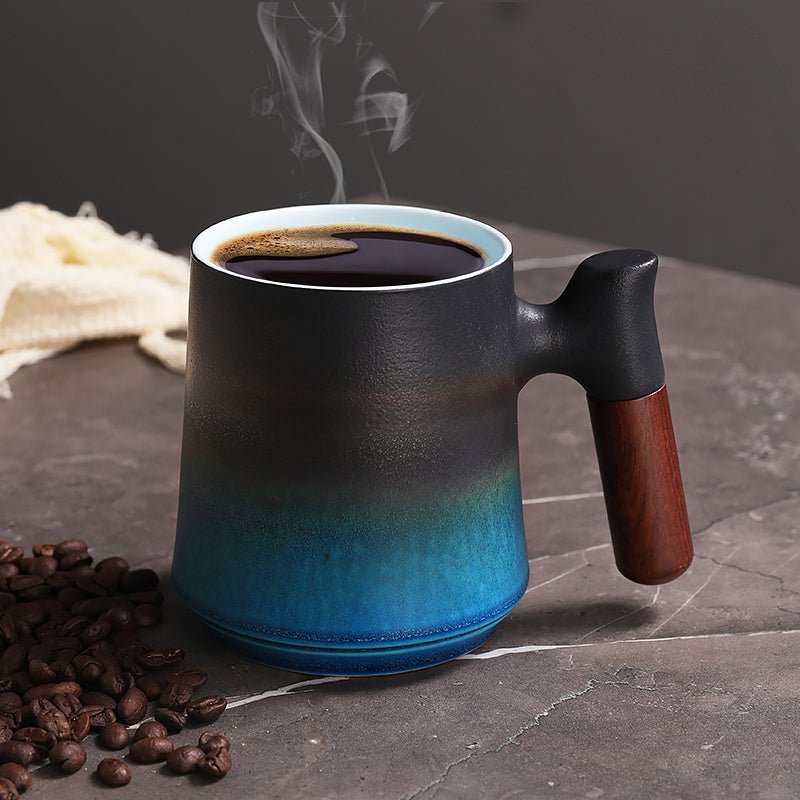
Non Toxic Coffee Mugs: What to Buy and What to Check
Reading time: about 9 minutes
The first thing we check on a mug shelf is not the pattern. It is the finish on the inside, the weight in the hand, and whether the rim feels smooth enough for daily use. That is the difference between a mug that sits in a cabinet and one that actually gets used for coffee, tea, and desk refills.
Shoppers looking for non toxic coffee mugs usually want a simple answer: what is safe, what is durable, and what is worth paying attention to before they buy. We handle this category every day in our store, so our advice is practical. Focus on the material, the glaze, the firing quality, and how the mug behaves after repeated dishwasher cycles.
If you want to browse our current mug selection while you read, start with our full collection. For a few specific examples with a more giftable look, see the Elk and Moon Coffee Tea Mug, the Koi Fish Coffee Tea Mug, and the The Crane Coffee Tea Mug.
What actually makes a coffee mug non toxic?
A mug earns that label when the drinking surface and finish are suitable for food contact and do not introduce avoidable concerns during normal use. In practice, buyers should care about three things: the base material, the glaze, and the way the mug is finished at the rim and interior.
For everyday shopping, we look for these signals:
- Food-contact-safe surface: the inside should be smooth, even, and free of visible pinholes, cracks, or rough patches.
- Stable glaze: a well-fired glaze should not feel chalky, sticky, or overly textured where your lips touch the mug.
- Consistent construction: the handle should be firmly attached, and the mug should sit flat without wobble.
Ceramic is the most common route for shoppers who want non toxic coffee mugs for daily use. The trade-off is weight and breakability. Glass can also work, but many people prefer ceramic because it feels sturdier on a kitchen counter or office desk. Stainless steel is useful for travel, but it changes the drinking experience and is not usually the first choice for a hot coffee mug at home.
We do not recommend buying on pattern alone. A beautiful mug with a rough rim or uneven glaze becomes annoying fast. That matters more than the artwork after the first week of use.
Which mug materials are the safest choice for daily use?
The best material depends on how you actually drink coffee. A mug for a slow breakfast at home is not the same as a mug for a laptop desk, and it is not the same as a travel cup.
| Material | What it does well | Trade-off | Best for |
|---|---|---|---|
| Ceramic | Stable feel, familiar taste, good heat retention, wide design range | Can chip or crack if dropped | Home, office, gifting |
| Glass | Easy to see contents, neutral taste | More fragile, can feel hotter to hold | Tea, lighter drinks, careful users |
| Stainless steel | Durable and travel-friendly | Less ideal for a traditional mug feel | Commutes and portable use |
For a buyer focused on non toxic coffee mugs, ceramic is usually the most balanced option. It is the category most shoppers expect when they want something for everyday coffee, tea, and desk use. The drawback is real: ceramic is not the best pick for people who toss mugs into bags or want something nearly indestructible.
If you are comparing mug sizes at the same time, our guides on 12 oz coffee mugs and 16 oz coffee mugs are useful for figuring out whether you want a compact cup or a larger pour.
How can you spot a mug that will hold up in real life?
We look at mugs the way a customer will use them: coming out of the dishwasher, sitting on a desk next to a laptop, or being washed by hand after tea stains have sat for an hour. That is where weak construction shows up.
- Check the rim: run a finger around the drinking edge. It should feel even and smooth, not sharp or wavy.
- Check the glaze inside the cup: look for pinholes, bubbles, or rough spots. A clean interior is easier to wash and usually feels better to drink from.
- Check the handle: your fingers should fit comfortably without cramping. A handle that is too narrow gets annoying with hot drinks.
- Check the base: the bottom should sit flat. A mug that rocks on the counter is a poor desk mug.
- Check the weight: heavier mugs often feel solid, but too much weight becomes tiring if you drink refills all day.
Common failure points are easy to miss in photos: hairline glaze cracks, uneven feet, tiny chips on the rim, and handles that feel decorative rather than functional. These are not just cosmetic problems. They affect how the mug wears over time, especially if you run it through regular dishwasher cycles.
That is why our team cares about the unboxing experience too. A mug should arrive looking like it can handle ordinary use, not like a display piece that needs babysitting.
What size should you choose for coffee, tea, and desk use?
Size matters more than most buyers expect. A mug that looks perfect online can feel too small for a latte or too large for a short espresso-based drink. For daily use, the right size depends on what you actually pour into it.
Here is the practical breakdown:
- 12 oz: a classic everyday size for drip coffee, tea, and shorter pours.
- 14 oz: a good middle ground if you want extra room without going oversized.
- 16 oz: better for larger coffee servings, long desk sessions, and people who do not want to refill as often.
If you want more detail on fit and daily use, our posts on 12 oz coffee mugs and 16 ounce coffee mugs break down the size trade-offs in more depth.
For desk use, we usually tell customers to think about the base footprint as much as the capacity. A wider mug is more stable near a keyboard. A tall narrow mug may hold the same amount, but it can feel easier to tip. That matters if your coffee lives beside a notebook, charger, and laptop.
Which styles make sense if you want something non toxic and giftable?
A lot of buyers want a mug that does both jobs: safe enough for daily use and attractive enough to give as a gift. That is where finish and artwork matter, as long as the mug still passes the practical checks above.
Three styles in our store that fit that brief are:
- Elk and Moon Coffee Tea Mug for buyers who want a more nature-forward look.
- Koi Fish Coffee Tea Mug for a more vivid, decorative table presence.
- The Crane Coffee Tea Mug for a cleaner, more composed style that still feels personal.
These kinds of mugs work well for birthdays, office gifting, and housewarming gifts because they look intentional without becoming fragile decor. The limitation is simple: highly decorative mugs are not always the best choice for people who want a plain mug to blend into a minimalist kitchen.
If you are comparing style versus size, our general mug posts can help. The 14 ounce coffee mug buying guide is especially helpful for shoppers stuck between compact and oversized.
How should you care for non toxic coffee mugs so they last?
Good care keeps a mug looking clean and helps you catch early wear before it becomes a problem. We always advise customers to treat the first few washes as a check-in period. That is when you notice if a glaze is holding up, if the handle is comfortable after heat, and whether the finish stains easily.
For daily care, use this routine:
- Rinse soon after use, especially after coffee with dark roast oils or tea with tannins.
- Use a soft sponge rather than abrasive scrub pads on decorated surfaces.
- Dry fully before stacking to avoid trapped moisture at the base.
- Watch for chips along the rim and foot after dishwasher cycles.
Not every mug is ideal for rough treatment. If you need something for a backpack, a car cup holder, or a worksite, a traditional ceramic mug is the wrong category. That is where travel tumblers or insulated steel cups make more sense. For a kitchen counter or office desk, though, a well-made ceramic mug is still the most satisfying everyday option.
What should you avoid if you want a truly practical buy?
Some mugs look good in photos and disappoint in daily use. We see the same patterns again and again, and they are easy to avoid once you know what to watch for.
- Overly thin handles: they can feel weak and uncomfortable with hot drinks.
- Rough or unsealed interiors: these are harder to clean and more likely to stain.
- Unstable bases: a mug that rocks is annoying on a desk and risky near electronics.
- Heavy novelty shapes: fun for display, less good for repetitive daily use.
- Unclear care instructions: if the mug needs special handling, that should be obvious before purchase.
We also recommend being cautious with any mug that does not give a clear sense of finish quality. A strong product page should let you judge the drinking edge, the handle, and the overall construction. If it does not, you are buying on guesswork.
Frequently asked questions
Are ceramic mugs a good choice for non toxic coffee mugs?
Yes, ceramic is usually the first material we recommend for home and office use. It gives a familiar drinking feel, handles heat well, and comes in many sizes and finishes. The main drawback is fragility, so it is not the right choice if you need something for travel or rough handling.
What should I check on the mug page before I buy?
Look at the material, size, care instructions, and close-up photos of the rim and handle. If the page does not show the inside of the mug clearly, that is a warning sign for a product you will use every day. We also recommend checking whether the mug feels right for your usual drink size.
Can I put these mugs in the dishwasher?
That depends on the specific mug and its finish, so follow the care instructions for the product you choose. In general, many ceramic mugs handle regular dishwashing well, but decorative surfaces can show wear sooner than plain ones. If you want the longest life, gentler washing is the safer option.
What size is best for desk coffee?
Most desk users are happy with 12 oz to 16 oz, depending on how often they refill. A 12 oz mug feels compact and neat near a keyboard, while a 16 oz mug suits long work sessions. If you use milk or foam, the larger size gives you more room.
Are decorative mugs still practical for everyday use?
Yes, as long as the drinking surface is smooth, the handle is comfortable, and the base is stable. Decorative mugs are a good fit for people who want something that looks good on a shelf and still works at breakfast. They are not ideal if you need the lightest or most rugged option available.
If you want to compare styles and sizes before buying, start with our full mug collection and then narrow down to the shape that fits your routine. If you are choosing between a smaller everyday cup and a larger desk mug, our size guides for 12 oz, 14 oz, and 16 oz mugs will help you make the call without guessing.
Read more
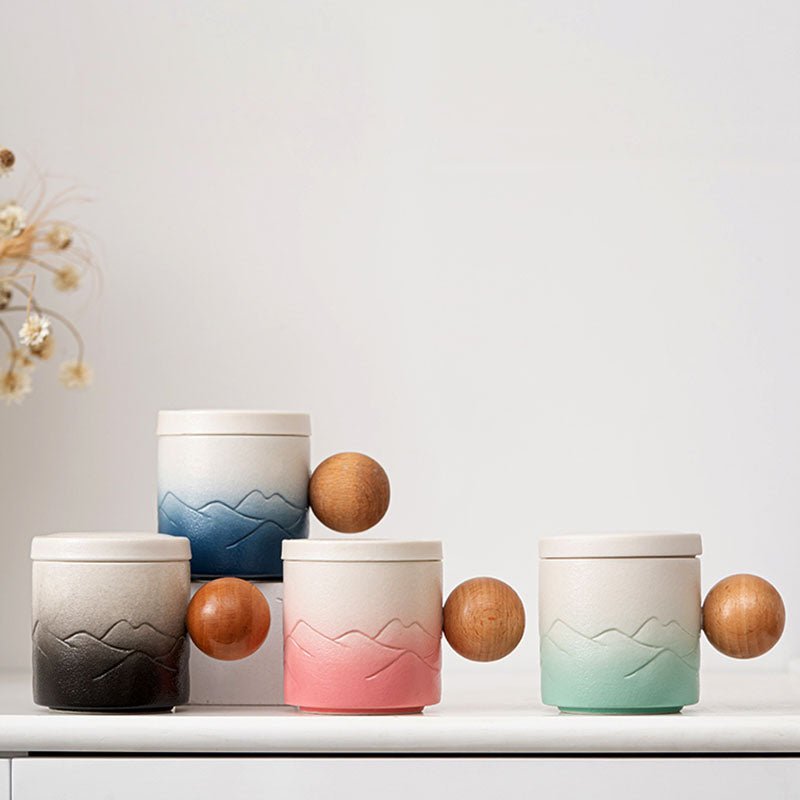
Grandpa Coffee Mug: Best Sizes, Styles, and Gift Picks
A practical guide to choosing a grandpa coffee mug that feels good in the hand, fits a real coffee routine, and survives everyday kitchen use. We compare size, style, care, and a few store picks so...
Czytaj dalej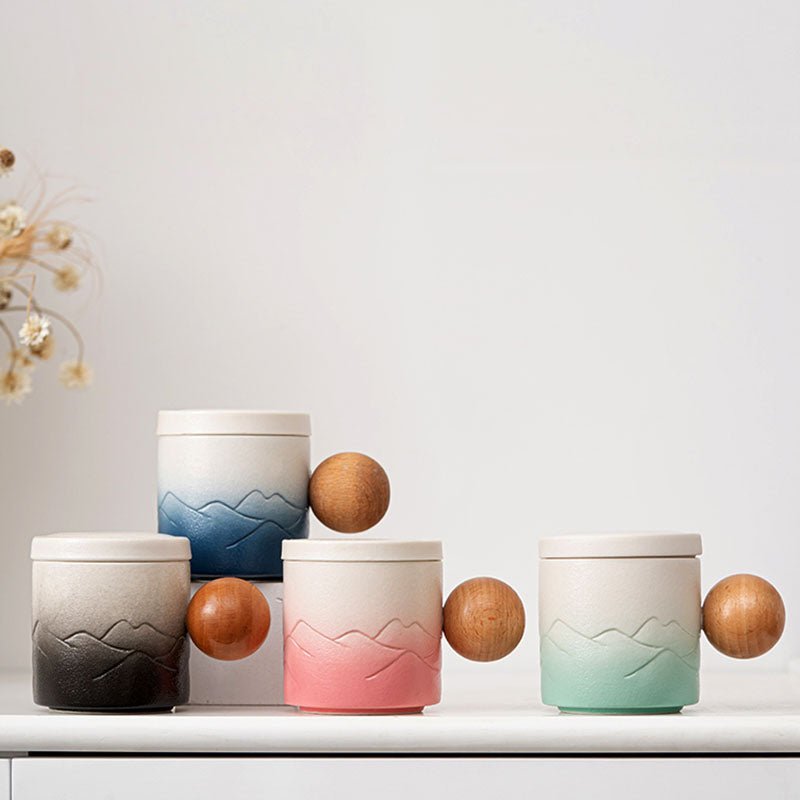
Rooster Coffee Mug Buying Guide for Daily Use and Gifting
A rooster coffee mug should do more than look farmhouse-ready. Here is how we compare styles, sizes, and finishes so you can pick one that works on a real kitchen counter, office desk, or gift shelf.
Czytaj dalej
Zostaw komentarz
Ta strona jest chroniona przez hCaptcha i obowiązują na niej Polityka prywatności i Warunki korzystania z usługi serwisu hCaptcha.