

Nespresso Coffee Mugs: How to Choose the Right Size and Material
Reading time: about 9 minutes
A fresh Nespresso shot can look perfect in the machine and still feel awkward once it lands in the wrong cup. The crema gets lost in a mug that is too wide, a lungo can splash in a cup that is too shallow, and a milk drink can look cramped if the mug is sized for espresso only.
That is the real buying problem with nespresso coffee mugs: the cup has to match the drink you actually make, not just look good in a product photo. In our store, we see shoppers reach for the wrong size first, then come back looking for something that holds heat, rinses clean, and feels right on a kitchen counter or office desk.
What size works best for Nespresso drinks?
The right size depends on the drink style. A straight espresso needs a smaller cup than a lungo, and a milk-forward drink needs more room than either one. If you are buying for everyday use, size matters more than the word mug on the listing.
Here is the simplest way to think about it:
- 2 to 4 oz: Best for espresso and ristretto-style pours, where you want crema to sit high and the drink to feel concentrated.
- 4 to 6 oz: A flexible range for espresso plus a little room, especially if you add a splash of milk or sugar.
- 6 to 8 oz: Often the most practical choice for cappuccino-style drinks and shorter milk drinks.
- 8 to 12 oz: Better if you stretch your Nespresso shots with milk or water and want one cup for multiple routines.
If you want a broader size reference before choosing, our guides on 8 ounce coffee mugs, 12 oz coffee mugs, and 16 oz coffee mugs show how capacity changes the feel of a cup long before the first sip.
For shoppers comparing options, we usually recommend thinking in terms of use case instead of chasing the largest capacity available. A big mug is not automatically better for a Nespresso machine. In fact, an oversized cup can make a short pour look unfinished and cool off faster than a smaller one.
Which material feels best for daily Nespresso use?
Material changes both the drinking experience and the cleanup. We handle mugs that look similar on a shelf but behave very differently on a countertop, in a dishwasher, and after a few weeks of use.
| Material | What it does well | Trade-off |
|---|---|---|
| Ceramic | Holds heat well, feels solid in the hand, and works for most everyday Nespresso drinks | Can feel heavy, and thicker walls may slightly mute the first sip |
| Porcelain | Usually lighter and more refined, with a cleaner feel for espresso service | Can chip if handled roughly or stacked carelessly |
| Double-walled glass | Shows crema and layers clearly, and keeps the outside cooler to the touch | More fragile than ceramic, and fingerprints show quickly |
| Stoneware | Feels substantial and retains warmth well for slower drinking | Often thicker and less ideal if you want a delicate espresso presentation |
For a machine like Nespresso, ceramic and porcelain are the safest everyday choices. Double-walled glass is better if you care about presentation and like seeing the drink layers, especially for lattes and macchiatos. Stoneware works if you want a sturdy mug on a desk or at home, but it is not the best fit if you want a light, elegant espresso cup.
One practical note from our side: the best mug is not always the prettiest one in a thumbnail. We check rim thickness, handle clearance, and whether the base sits flat enough for a machine tray or countertop without wobble. Those details matter more than most listings admit.
What details should you check before buying?
Small construction details decide whether a mug feels right after a week of use. This is where buyers often miss the difference between a cup that photographs well and one that actually works at breakfast, during a desk break, or while rinsing out a second round.
- Rim shape: A slightly rolled or smooth rim gives a cleaner sip and is more comfortable for hot espresso.
- Handle size: Make sure two fingers fit comfortably if you are serving hot drinks often. Tiny handles look elegant but can be awkward with fuller mugs.
- Wall thickness: Thicker walls retain heat better, while thinner walls feel lighter and more refined. The trade-off is durability versus finesse.
- Base width: Check that the bottom is stable enough for a tray, saucer, or desk without tipping.
- Care instructions: If the mug is dishwasher-safe, verify whether that applies to the full design or only the base material. Printed finishes and metallic accents can be less forgiving.
We have seen common complaint patterns repeat in this category: handles that are too small for adult fingers, cups that look 8 oz but feel much smaller once filled, and finishes that craze or fade after repeated dishwasher cycles. Those are the details worth checking before you click buy.
If you are comparing gift options or building a matched set, our article on 20 ounce coffee mugs is useful for understanding how much size changes the feel of a drink, even when the drink itself is the same.
Are Nespresso coffee mugs good for espresso only?
No. They are best for espresso and short milk drinks, but that does not mean every mug in this category is right for every Nespresso recipe. A pure espresso cup should feel compact and focused. A milk drink needs more vertical room so foam does not push the drink to the rim.
Here is the practical split we use when advising shoppers:
- Best for espresso: Small ceramic or porcelain cups that keep crema concentrated and do not swallow the shot visually.
- Best for lungo: Slightly larger cups with enough depth to avoid splash and enough width to cool the drink at a normal pace.
- Best for cappuccino and latte-style drinks: 6 to 8 oz mugs with room for milk foam and a comfortable handle.
- Not ideal for travel: Standard Nespresso mugs are not substitutes for insulated travel cups if you carry coffee between meetings or in the car.
That last point matters. If you want something sealed, spill-resistant, or designed for commuting, a regular mug is the wrong category. It will work on a kitchen counter or office desk, but not in a bag.
In our experience, the best-selling Nespresso mug is rarely the largest one. It is the one that fits the drink without making the coffee feel lost.
How do you match a mug to your daily routine?
Think about where the cup will actually live. A kitchen counter mug can be heavier and more decorative. An office mug needs to be stable, easy to rinse, and comfortable to pick up with one hand. A gift mug should feel polished enough to open well but practical enough that the person keeps using it.
We usually sort buyers into three real-world use cases:
- Morning espresso at home: Choose a smaller ceramic or porcelain mug that keeps the drink feeling tight and intentional.
- Desk coffee during work: Choose a mid-size mug with a comfortable handle and a wider base so it does not feel cramped next to a laptop.
- Gift or display piece: Choose a cleaner silhouette, smoother finish, and a material that looks good even when it sits empty on the shelf.
That is also why we do not push one universal size for all Nespresso buyers. A 4 oz cup can be perfect for one person and frustrating for another. A 10 oz mug can be ideal for milk drinks and awkward for straight espresso. The right answer depends on how you serve coffee, not just on the machine.
What should you look for in care and durability?
Care is where many cup purchases either pay off or become annoying. If you want something easy to live with, the finish and construction should survive repeated washing without looking tired too quickly.
Look for these signs of better day-to-day durability:
- Dishwasher-safe construction: Useful for busy households, but confirm whether any decoration has restrictions.
- Microwave compatibility: Helpful if you reheat milk drinks or want to warm a cup before pulling a shot.
- Even glazing: A smooth glaze is easier to rinse and less likely to stain from coffee oils.
- Solid handle join: The handle should feel firmly attached, not thin or fragile where it meets the body.
We also pay attention to what the mug is not good for. A delicate porcelain espresso cup is not the best choice for rough handling, stacking in a crowded cabinet, or everyday use in a shared office kitchen. A thick stoneware mug is sturdy, but it may be too heavy if you want a refined espresso presentation.
If you are still deciding between standard mug sizes for mixed use, our buyer's guide to large capacity coffee mugs is useful for seeing when a larger format starts to make more sense than a compact cup.
Frequently asked questions
What size mug is best for Nespresso espresso shots?
A small cup in the 2 to 4 oz range is usually best for straight espresso shots. It keeps the crema visible and prevents the drink from looking lost in a larger vessel. If you add milk often, move up to a 4 to 6 oz mug.
Can I use a regular coffee mug for Nespresso?
Yes, but only if the size matches the drink. A standard 8 to 12 oz mug works better for milk-based drinks or longer pours than for a pure espresso shot. For straight espresso, a smaller cup usually gives a better drinking experience.
Are ceramic or glass mugs better for Nespresso?
Ceramic is the safer everyday choice because it holds heat well and is usually more durable for daily washing. Double-walled glass is better if you want to see the layers and keep the outer surface cooler. If you want the most practical option, ceramic usually wins.
Do Nespresso coffee mugs need to be dishwasher-safe?
They do not have to be, but dishwasher-safe mugs are easier to maintain. If you wash cups every day, this matters more than most shoppers expect. Still, check whether any printed design, metallic trim, or special coating changes the care rules.
What should I buy if I make both espresso and milk drinks?
A 6 to 8 oz mug is the most flexible starting point. It gives you room for foam on milk drinks and still feels compact enough for short coffee pours. If you want one cup to cover both use cases, that range is usually the easiest compromise.
Where should you start if you want to shop now?
If you are comparing nespresso coffee mugs right now, start with the drink you make most often and choose the smallest size that still fits it comfortably. That keeps the coffee looking right, helps with heat retention, and avoids buying a mug that is bigger than your routine needs.
You can browse our current mug lineup on the products page, or use the broader full collection if you want to compare styles side by side. If you are narrowing by size first, start with the 8 oz and 12 oz guides above, then move up only if your drinks need more room.
If you want the fastest path to the right purchase, compare three things before you buy: cup capacity, material, and care instructions. That checklist will get you closer to the mug you will actually use every day.
More from our blog
Read more
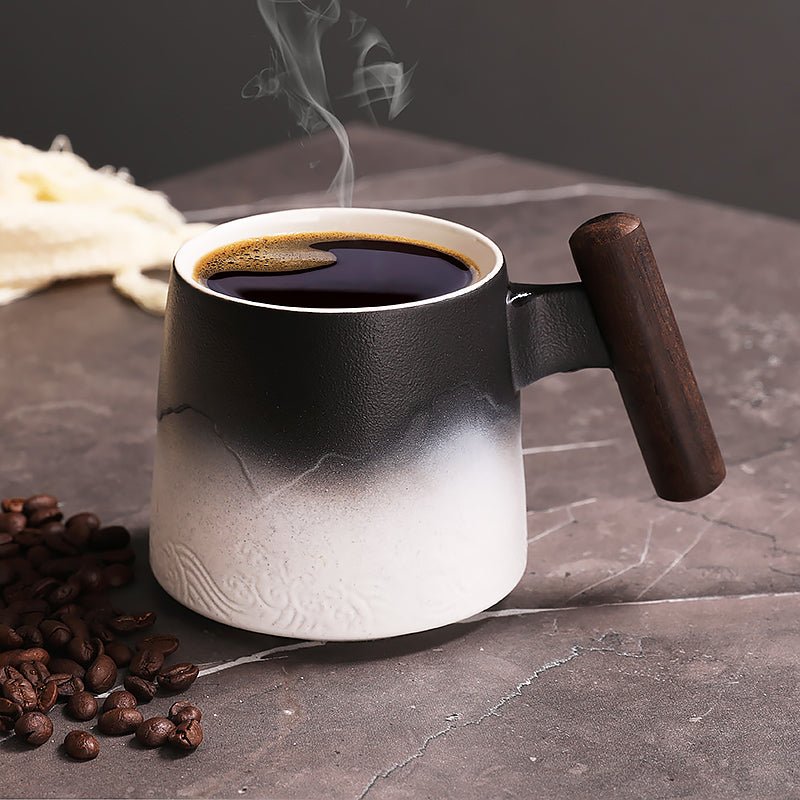
Custom Logo Coffee Mugs: What Buyers Should Check Before Ordering
Custom logo coffee mugs need to do more than carry a logo. We break down size, print method, finish, and practical trade-offs so buyers can order with fewer surprises.
Czytaj dalej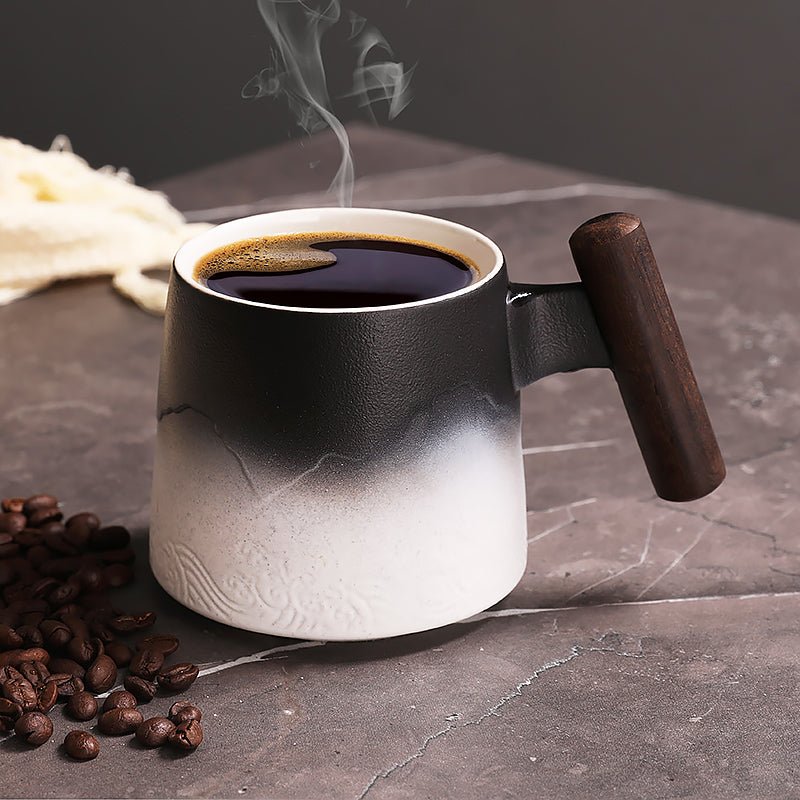
Lowes Coffee Mug Buying Guide: Size, Material, and Care
A practical guide to choosing a lowes coffee mug, with size, material, handle comfort, and care details we check before recommending one.
Czytaj dalej
Zostaw komentarz
Ta strona jest chroniona przez hCaptcha i obowiązują na niej Polityka prywatności i Warunki korzystania z usługi serwisu hCaptcha.