
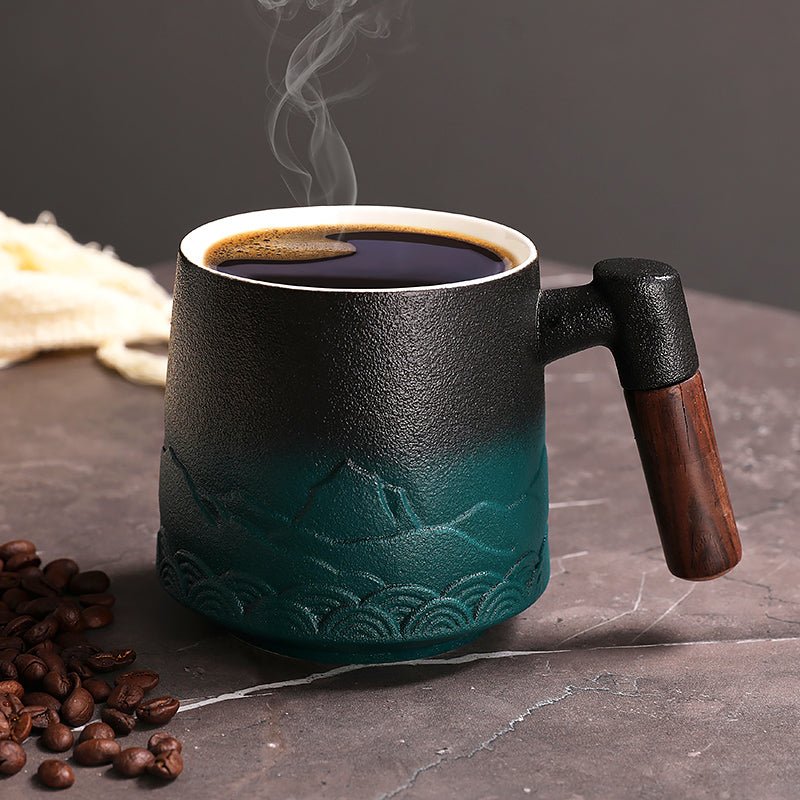
Mugs for Coffee Roasters in Whittier: What Buyers Should Check
Reading time: about 9 minutes
A stack of mugs on a roaster’s counter looks simple until the first busy morning hits. Handles get tested, glaze gets judged under bright lights, and the wrong size ends up sitting unused near the espresso machine.
That is why we treat mugs coffee roasters whittier as a buying decision, not just a merch choice. In our store, we look at how the mug feels in hand, how it behaves after repeated dishwasher cycles, and whether it fits the drinks a roaster actually serves, samples, or sells on the retail shelf.
If you are comparing options for a coffee bar, tasting room, or branded retail display, start with the basics in our all collections page and then narrow by size and use case. For size-specific reading, our guides on 12 oz Coffee Mugs: What to Check Before You Buy and 16 oz Coffee Mugs: What to Check Before You Buy cover the most common everyday formats.
What should mugs for a coffee roaster actually do?
A mug for a roaster is doing more than holding coffee. It has to work at the bar, on the shelf, and in a customer’s kitchen after they take it home. That means the best choice usually balances presentation, grip, and durability instead of chasing the biggest capacity.
For Whittier shops and roasters, we usually see three real jobs:
- Serving drip coffee or batch brew without feeling oversized.
- Supporting espresso drinks, tastings, and sample pours during retail or cupping-style service.
- Carrying a logo or brand mark that still looks clean after washing and handling.
The trade-off is simple. A heavier stoneware mug can feel premium and stable, but it may be less practical for fast turnover or delicate shelf merchandising. A lighter mug can be easier on staff, but it may not give the same substantial feel customers expect when they buy a souvenir mug from a roaster.
We usually tell shoppers to think about the mug as part serving ware, part brand object. If it fails either job, it sits in a cabinet instead of moving product.
Which mug size fits most coffee roaster setups?
Size is where a lot of buyers make the first mistake. They choose by instinct, then discover the mug is too small for their standard pour or too large for a concentrated tasting cup. That is why size guides matter, especially if you are stocking retail or outfitting a cafe corner.
For most roaster setups, these size bands cover the common use cases:
- 8 oz: Best for espresso-based drinks, sampling, or smaller servings. Our 8 Ounce Coffee Mugs: What Buyers Should Check Before Ordering is the right place to start if portion control matters.
- 12 oz: A practical everyday size for drip coffee and standard home use. See 12 oz Coffee Mugs: What to Check Before You Buy for fit and handle considerations.
- 14 oz: A useful middle ground when customers want room for milk or a little extra volume. Our 14 Ounce Coffee Mugs: Size, Fit, and Buying Guide breaks down where this size makes sense.
- 16 oz: Better for large brewed coffee servings, iced drinks poured into a mug, or customers who want a fuller vessel. We cover that format in 16 Ounce Coffee Mugs: Size, Materials, and Fit Guide.
- 20 oz: Good for customers who like a very generous mug, but less ideal for precise tasting, compact shelving, or small hands. Our 20 Ounce Coffee Mugs: What Buyers Should Check Before Ordering and 20 oz Coffee Mugs: How to Choose the Right Size, Material, and Fit cover the trade-offs.
If the mug is meant for retail sale in a roastery, 12 oz and 14 oz are often easier to merchandise because they feel familiar to shoppers. If it is for staff use behind the bar, the best choice depends on the drink menu, not just the shelf appeal.
Which materials make sense for daily use?
Most coffee roaster mugs fall into a few material categories, and each one behaves differently in real use. We pay close attention to this because a mug that photographs well can still disappoint after a few wash cycles.
| Material | What it does well | Trade-off |
|---|---|---|
| Ceramic | Common, versatile, good print and glaze presentation | Can chip if handled roughly or stacked carelessly |
| Stoneware | Heavier feel, solid heat retention, premium hand feel | Usually bulkier and less suited to light, minimal displays |
| Porcelain | Cleaner look, lighter body, refined presentation | Can feel less rugged for everyday back-of-house use |
In our experience, the small details matter more than the material label alone. Look at rim thickness, handle clearance, foot ring finish, and glaze consistency. A handle that only barely fits two fingers feels awkward on a busy bar. A rough foot ring can scratch shelves. A cloudy or uneven glaze can make a retail mug look lower quality than it is.
Care also matters. If the mug will live in a dishwasher, we prefer straightforward care instructions and decoration that can handle repeated washing. A mug that is hand-wash only may be fine for a display piece, but it is not the right choice for high-turnover service or gifts that need to be practical from day one.
What should you check before you order mugs for a roaster?
We recommend checking the same handful of details every time. This keeps you from ending up with a product that looks good in photos but frustrates staff or customers.
- Capacity: Match the mug to the drinks you actually serve. Do not assume a larger mug is automatically better.
- Handle shape: Make sure the handle is comfortable for real hands, not just elegant in a product image.
- Finish: Review the glaze, print placement, and overall consistency. Small defects stand out under cafe lighting.
- Durability: Ask how it should be washed and whether it is suitable for everyday dishwasher use.
- Use case: Decide if this is for service, retail resale, gifting, or office use. One mug rarely does all four equally well.
This is also where we push back on the idea that one mug can solve every problem. A mug that feels great for a latte service line may be too tall for a compact shelf. A smaller sample mug may not satisfy a customer who wants a home mug for long weekend breakfasts. Picking the right format is a better decision than chasing a one-size-fits-all option.
For shoppers building out a broader assortment, our products page is the fastest way to compare options side by side. That is usually the easiest next step if you are trying to match mugs to a branded roastery setup without guessing from one product at a time.
How do mugs support a coffee roaster brand in Whittier?
For a Whittier roaster, a mug is often part of the brand story customers take home. It sits on a kitchen counter, on an office desk, or next to a grinder, so every small design choice gets repeated in daily life.
That makes consistency important. A mug that looks sharp on a shelf but feels flimsy in hand will not earn repeat attention. A mug that is comfortable, balanced, and easy to wash can quietly become a favorite and keep your brand visible long after the beans are gone.
We see a few practical brand scenarios often:
- Gift purchases: Buyers want something easy to wrap, durable, and clearly associated with the roaster.
- Retail displays: The mug needs clean lines and a finish that looks good in rows, not just as a single hero photo.
- Office or home use: Customers care more about handle comfort and everyday function than decorative detail.
If your customer base includes people comparing multiple mug sizes, it can help to point them toward the right reading before they buy. Some want the compact feel of an 8 oz cup, while others want the everyday versatility covered in our 12 oz and 16 oz guides. That sort of guidance reduces returns and helps people choose a mug they will actually use.
What are the common mistakes buyers make?
The most common mistake is buying by photo alone. A mug can look balanced on a white background and still feel awkward in a hand. The second mistake is ignoring the use case. A mug intended for a roaster’s retail shelf is not the same thing as a mug for rapid back-bar service.
Here are the problems we see most often:
- Choosing a size that does not match the shop’s standard pour.
- Overlooking handle comfort until the first rush of the day.
- Selecting a decorative finish that chips or shows wear too quickly.
- Buying a large mug for a compact merchandising shelf.
- Assuming all ceramic mugs behave the same in the dishwasher.
That last point matters. Two mugs can both be ceramic and still wear differently because of glaze quality, wall thickness, or how the decoration was applied. If you care about long-term presentation, do not stop at the material name.
Frequently asked questions
What size mug is best for a coffee roaster retail shelf?
For most retail shelves, 12 oz and 14 oz mugs are the easiest to present and sell. They feel familiar to shoppers and are large enough for everyday use without looking bulky. If your audience prefers bigger servings, 16 oz can work, but 20 oz is usually better reserved for customers who specifically want an oversized mug.
Are ceramic mugs good for daily cafe use?
Yes, ceramic is a practical choice for daily use because it is familiar, versatile, and easy to merchandize. The key is to check the finish, handle comfort, and care instructions. A well-made ceramic mug can work well for service and retail, but a thin or poorly finished one may chip faster than you want.
Should a coffee roaster choose stoneware or porcelain?
Stoneware feels heavier and more substantial, which some customers like for home use. Porcelain usually feels a bit lighter and more refined. If you want a rugged, hand-filling mug for everyday coffee, stoneware is often the better fit; if you want a cleaner, lighter presentation, porcelain may suit you better.
What should I avoid when buying mugs for a roastery?
Avoid buying based only on appearance. Check the handle, wall thickness, dishwasher care, and whether the mug fits the drinks you actually serve. Also avoid oversized mugs if you are selling to customers who prefer compact cups or if your shelf space is limited.
Can I use one mug style for staff service and retail sales?
You can, but it is not always the best move. Staff service usually benefits from durability and easy handling, while retail buyers may care more about gifting appeal and brand presentation. If you need one versatile option, start with a middle-size mug and test it in both settings before committing to a larger order.
If you are narrowing your options now, compare the mug size first, then check the material and care instructions, and finish by looking at the handle and shelf fit. For a broader comparison, start with our collection of mugs and drinkware, then use the size guides that match your customer base best.
Read more
Home Goods Coffee Mugs: What to Buy for Daily Use
We break down home goods coffee mugs by size, material, handle comfort, and care so you can choose one that fits real daily coffee, not just a product photo.
Czytaj dalej
Stainless Steel Mug for Coffee: What Buyers Should Check Before Ordering
A practical guide to choosing a stainless steel mug for coffee, with the real trade-offs around insulation, lids, capacity, and everyday cleaning. Built for shoppers who want a mug that works on a ...
Czytaj dalej
Zostaw komentarz
Ta strona jest chroniona przez hCaptcha i obowiązują na niej Polityka prywatności i Warunki korzystania z usługi serwisu hCaptcha.