
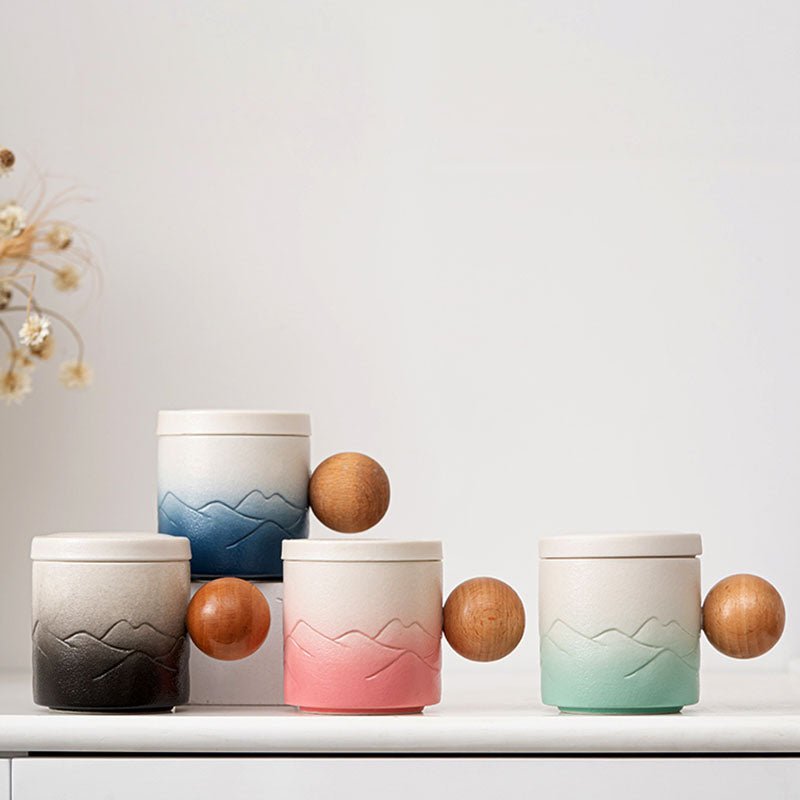
Mug Wood Buying Guide for Daily Use, Care, and Fit
Reading time: about 7 minutes
A mug wood setup changes the feel of a coffee break fast. The handle sits warmer in the hand, the mug looks less clinical on a desk, and the trade-off is simple: you have to pay attention to the wood instead of treating the cup like an all-ceramic mug.
In our store, we treat mug wood mugs as a specific buy, not a novelty. If you want to compare the current options, start with the Mountain Sea II coffee and tea mug with wooden handle and the The Cloud coffee and tea mug wooden handle, then scan the wider all collection if you want to see what else is available.
What does mug wood mean in everyday use?
For shoppers, mug wood usually means a mug with a wooden handle or a wood-accent construction that changes grip and care. That is different from a plain ceramic cup. It behaves differently on a sink edge, an office desk, or a gift shelf.
The practical upside is comfort. Wood gives you a drier grip than glossy ceramic, especially if you sip while working or move between kitchen counter and desk all morning. The downside is maintenance. Wood does not like long soaks, harsh scrubbers, or repeated heat cycles that dry out the finish.
If you want a deeper breakdown of build choices, our Mug Wood Buying Guide: Materials, Care, and What to Check covers the basics without the sales noise.
We see three common use cases in real life:
- Kitchen use: a mug wood piece sits better on a counter and feels less slippery when you are moving between kettle, sink, and table.
- Office use: the handle can feel more pleasant during long work sessions because it is easy to pick up with one hand.
- Gift use: the warm look matters. A wooden handle often makes the mug feel more considered when someone opens the box.
Which details matter before you buy one?
On mug wood products, the details that matter are not the marketing words. They are the parts you touch and wash every day.
| What to check | Why it matters | What we look for |
|---|---|---|
| Wood finish | Sealed wood resists water spotting and absorbs less odor. | Smooth grain, no rough edges, no sticky coating. |
| Handle joint | Loose joins turn into wobble over time. | Firm fit when the mug is gently twisted. |
| Cup surface | Glaze quality affects cleaning and stain resistance. | Even glaze, no pinholes, no hairline lines at first glance. |
| Care fit | Some buyers want quick dishwasher cleanup; this category often prefers hand wash. | A mug you can dry immediately instead of leaving wet overnight. |
Those checks sound small, but they are the difference between a mug you enjoy and one that becomes a cabinet extra. If you are comparing wood-first drinkware more broadly, our Wood Mugs: How to Choose a Practical Coffee Mug That Feels Different article is a useful second pass.
There are also a few common defect modes worth knowing before you buy:
- Rough sanding on the handle that feels scratchy in the hand.
- A gap where the wood meets the mug body.
- A finish that looks dull, cloudy, or tacky before the first wash.
- Hairline cracks in the glaze that are easy to miss in product photos.
- Wood that already looks thirsty, dry, or unevenly stained.
If a handle already feels loose out of the box, that is not a break-in issue. That is a return issue.
Which mug wood style is better for a desk, kitchen, or gift?
We usually narrow the choice by where the mug will live most of the time. A desk mug needs to be comfortable to lift repeatedly and calm enough visually that it does not fight the rest of the workspace. A kitchen mug can be a little more decorative because it is stored, washed, and rotated more often. A gift mug has one extra job: it needs to look good the second the box opens.
That is where the two product pages above are useful. The Mountain Sea II coffee and tea mug with wooden handle is the better page to inspect if you want something with a more scenic, grounded feel. The The Cloud coffee and tea mug wooden handle is the one to check if you want a cleaner, lighter look that disappears more easily into a simple desk setup.
In practice, we think about fit this way:
- Desk use: choose the style that feels calm next to a keyboard, notebook, or laptop.
- Kitchen use: choose the mug you will hand-wash without resenting the extra step.
- Gift use: choose the one that looks finished without any extra wrapping tricks.
If you are still deciding by capacity rather than style, our 10 oz Coffee Mug: Size, Fit, and What to Check Before You Buy guide is worth reading before you commit.
How should you care for mug wood without wearing it out?
Care is where a lot of buyers make avoidable mistakes. The mug may look sturdy, but wood changes faster than ceramic if you leave it wet or scrub it aggressively.
- Wash it soon after use with mild soap and warm water.
- Do not soak the mug in the sink overnight.
- Dry the handle and the seam fully before putting it away.
- Skip abrasive scrubbers on the wood finish.
- Avoid microwave use if the wood is exposed or the product page does not clearly approve it.
That last point matters. A mug wood piece can be a good daily mug for coffee or tea, but it is not the best choice for someone who reheats drinks constantly in a microwave and wants dishwasher cleanup every time. If that is your routine, a full ceramic mug is the better fit.
We also tell customers to keep an eye on the finish over time. A little dulling is normal with use. Deep cracking, flaking, or a rough surface is not. Once the wood starts to look dry, it needs gentler handling, not tougher washing.
What should you check when the mug arrives?
We inspect drinkware for the same things customers notice at home. The first touch tells you a lot. Hold the handle. Rotate the mug. Look at the seam. If something feels off before the first brew, it will not improve after a week on the counter.
- Handle feel: it should be smooth and comfortable, not sharp or uneven.
- Join quality: the wood and mug body should meet cleanly without wobble.
- Surface finish: the glaze should be even and easy to wipe clean.
- Weight balance: the mug should feel stable when full, not top-heavy in the hand.
- Finish smell: a strong chemical smell is a red flag that deserves a closer look.
That checklist matters for gifts too. A mug that looks good in photos but arrives with a rough handle or uneven finish is not doing the job. If you want a broader daily-use perspective, our Wood Cup Buying Guide: How to Choose the Right Daily Mug covers the same category from a more general shopping angle.
One trade-off to be honest about: mug wood is not the easiest choice if you want a mug that can be treated like kitchen hardware. It is better suited to buyers who are willing to give it a little more attention in exchange for a warmer look and a more tactile grip.
Frequently asked questions
Can I put a mug wood cup in the dishwasher?
We do not recommend it unless the product page explicitly says the full build is dishwasher-safe. Wood reacts badly to repeated heat, detergent, and long soak time, so hand washing is the safer default.
Does a wooden handle get hot with coffee or tea?
Usually it stays more comfortable than an all-ceramic surface because wood does not conduct heat as quickly. The cup body can still warm up, so it is worth testing the grip after the first minute if you like very hot drinks.
Is mug wood a good choice for office use?
Yes, if you want a mug that feels pleasant to pick up repeatedly during the workday. It is less ideal if your office routine means constant microwave reheating or a dishwasher at the end of every cup.
What should I look for in a mug wood gift?
Check the handle finish, the balance in hand, and whether the style looks clean enough to give without explanation. A good gift mug should feel finished at first glance and still be practical after the first wash.
What are the main reasons not to buy mug wood?
If you want zero-maintenance cleanup, a wood-handled mug is probably not the right fit. It is better for people who will hand wash it and dry it properly instead of leaving it in the sink.
Before you buy, check three things: the handle finish, the wash-care expectations, and whether the shape suits your usual desk or kitchen routine. If you want to compare the current mug wood options side by side, start with the all collection and then open the two product pages above.
Read more
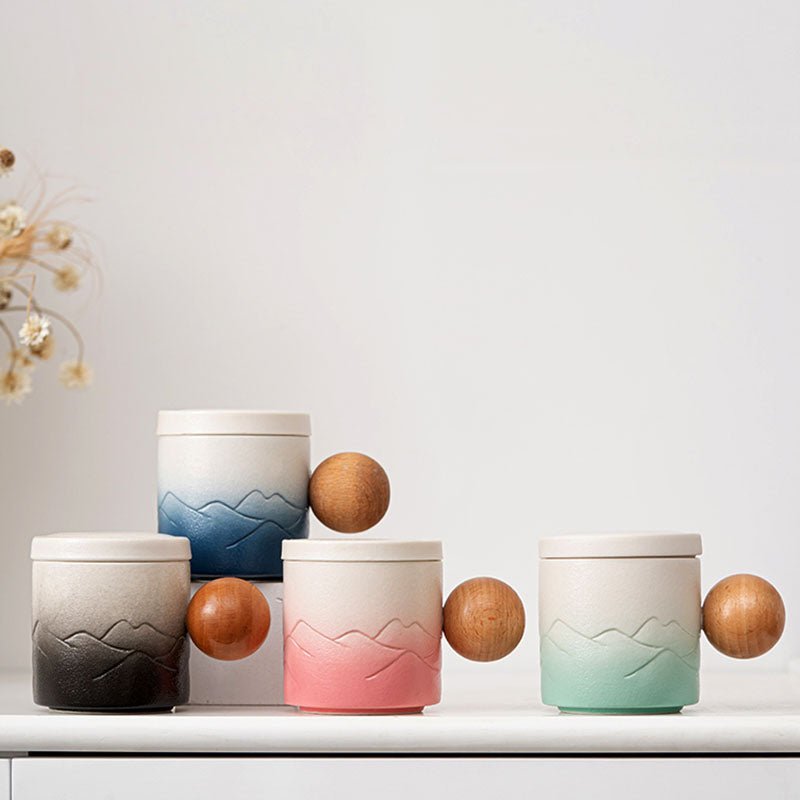
Coffee Mug Designs That Fit Daily Use, Gifting, and Desk Setups
We compare coffee mug designs by shape, capacity, handle feel, and finish so you can pick one that works on a desk, in a kitchen, or as a gift. We also call out the trade-offs we see in real use, f...
Czytaj dalej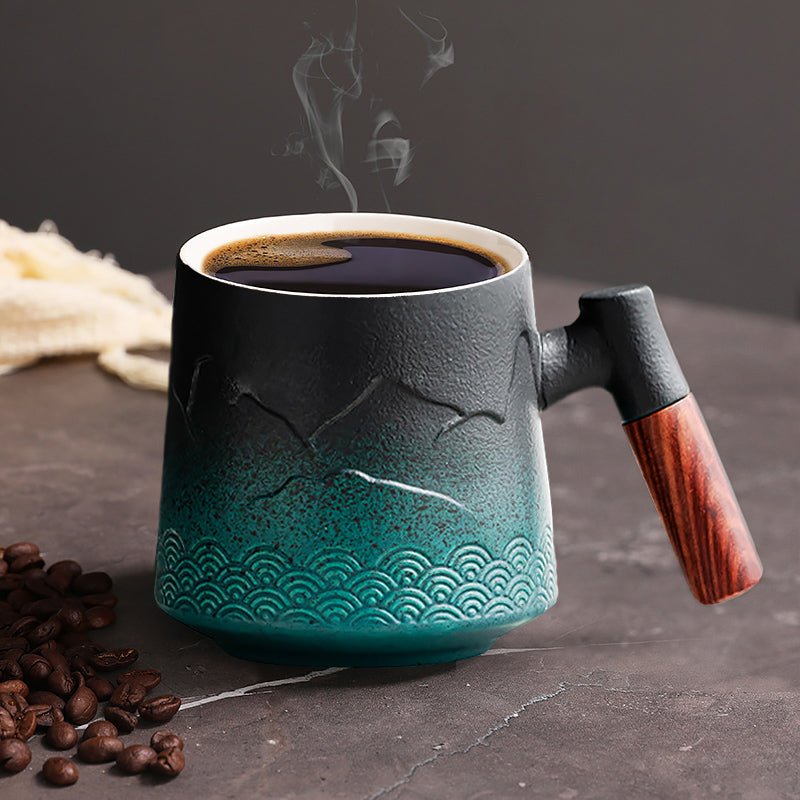
Tea Handle Buying Guide: Comfort, Grip, and Real-World Trade-Offs
We break down what a tea handle should feel like at a desk, in the kitchen, or as a gift, then compare wooden handles, ball handles, and the checks we use before we list a mug.
Czytaj dalej
Zostaw komentarz
Ta strona jest chroniona przez hCaptcha i obowiązują na niej Polityka prywatności i Warunki korzystania z usługi serwisu hCaptcha.