
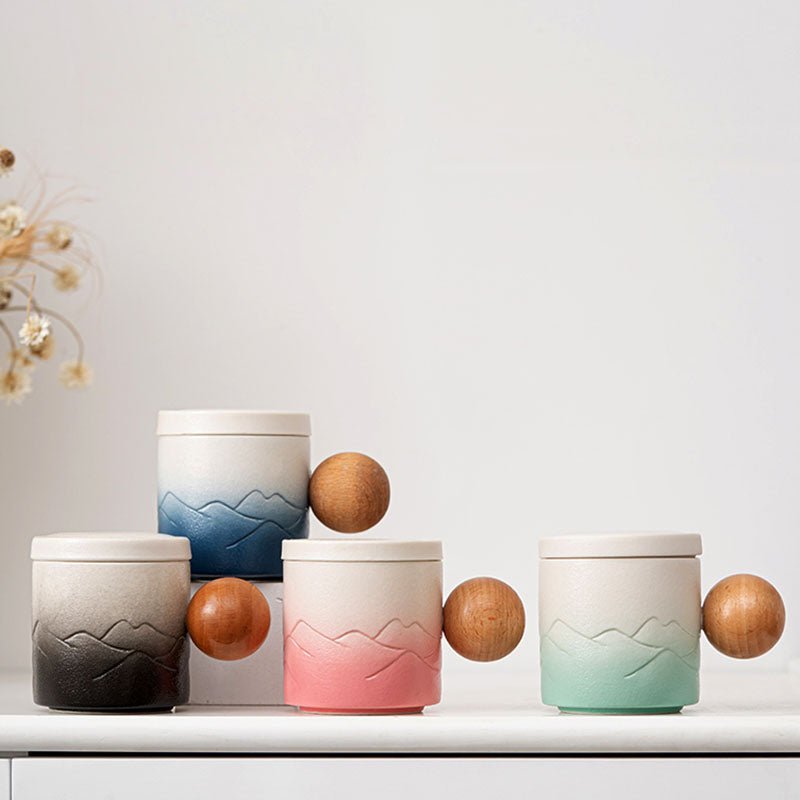
Mug Shots Coffee: How to Pick the Right Mug for Daily Use
Reading time: about 8 minutes
A mug can look perfect on a product page and still annoy you at the kitchen counter. The usual problems show up in the first week: a handle that pinches two fingers, a lip that feels too thick, a base that rocks on the desk, or a print that looks dull after a few dishwasher cycles. That is the real mug shots coffee buying question: what will still feel right after the novelty wears off?
We handle mug buying the same way a customer uses it. We think about the first pour in the morning, the mug sitting beside a laptop, the way it lands in a gift box, and what happens after repeated washing. If you are comparing options before you buy, the safest move is to check fit first, style second, and any care limits last.
What should you check first before buying a coffee mug?
Start with the parts you touch every day. A mug does not need to be fancy to be good, but it does need to feel balanced in the hand and stable on the counter. In our store, we look at the same practical points shoppers notice once the mug is out of the box.
- Handle clearance: make sure you can get at least two fingers through the handle without twisting your wrist.
- Lip thickness: a very thick rim can feel clumsy, while an overly thin rim can chip sooner and feel harsher on the mouth.
- Base stability: the mug should sit flat on a desk or table without a wobble, especially if you work around notebooks, keyboards, or a laptop.
- Capacity: choose the volume that matches your actual pour, not the biggest size available.
- Care instructions: check whether the finish, decal, or glaze needs hand washing or a gentler cycle.
These details sound small. They are not. The mug that gets used every day usually wins by being the least annoying item on the counter. If you want a deeper buying checklist that covers the same decision from another angle, our guide Mug Shots Coffee: How to Choose the Right Mug Before You Buy is a good place to compare the basics before you commit.
Which size actually fits your routine best?
Size changes the whole experience. A smaller mug can feel better for black coffee, espresso-based drinks, or a short desk break. A larger mug helps if you like milk-heavy drinks, tea refills, or the habit of letting coffee sit while you answer email. The right choice is less about status and more about how you actually drink.
| Size | Best for | Main trade-off |
|---|---|---|
| 10 oz | Smaller pours, black coffee, compact cabinets, and people who do not want a heavy mug | Less room for milk or foam, so it can feel limiting for larger drinks |
| 11 oz | Everyday coffee, office desks, and a balanced middle ground | Not as generous for big lattes, but easier to handle and store |
| 12 oz | Tea drinkers, longer sessions, and anyone who wants a little extra room | Can feel bulky for small servings and may cool differently depending on the mug shape |
If your shopping list is driven mainly by size, we also cover the decision in our 12 Ounce Coffee Mug Buying Guide for Daily Use and Better Fit and 11 oz Coffee Mug: Size, Fit, and What to Check Before You Buy. Those posts are useful if you are deciding between a mug that feels compact and one that gives you a little more room without becoming oversized.
Which mug style works best on a desk, gift shelf, or kitchen counter?
Style matters more than people admit. A mug that looks too loud can feel out of place on a shared office desk, but a mug that is too plain can disappear in a gift box. We tend to recommend matching the design to the environment where the mug will live most of the time.
If you want a decorative mug that still works for daily coffee or tea, start with our Koi Fish Coffee Tea Mug, The Crane Coffee Tea Mug, or Landscape Coffee Tea Mug. Each one has a different visual tone, so the right pick depends on whether you want movement, restraint, or a calmer table presence.
For shoppers still comparing, the fastest way to scan what we currently carry is our full mug collection. That is the better path if you want to compare several looks side by side before choosing a final gift or replacing a tired kitchen mug.
- Koi Fish: better if you want something with visible motion and a stronger decorative feel.
- The Crane: better if you want a cleaner, more composed look that does not crowd the space.
- Landscape: better if you want a mug that feels calm on a kitchen shelf or desk between refills.
The trade-off is simple. Decorative mugs are not always the right choice if you want a perfectly plain office stack, a fully matching set, or a mug that needs to disappear into a minimalist cupboard. If that is your use case, plain ceramic basics may make more sense than a printed design.
What do we check in a mug before we call it a good buy?
In our store, we look at the same failure points that show up in customer hands after delivery. A mug can pass a quick photo check and still fail the real test if the handle is off-center, the rim feels rough, or the base does not sit flat on a table. Those are the details that usually separate a decent mug from one that gets left in the cabinet.
We also pay attention to how the mug behaves after normal use. A good mug should hold up to routine washing, handle warm drinks without feeling awkward, and keep its finish consistent from one side to the other. If a design looks strong in a listing but the print is poorly aligned, the glaze pools unevenly, or the handle join is messy, that is not a mug we would steer a buyer toward for gifting.
A mug that looks fine in a photo can still fail at the handle or base in hand.
That is why we treat the following as practical warning signs rather than small cosmetic issues:
- Wobbly base: annoying on a desk and a bad sign for consistent finish.
- Sharp or rough rim: uncomfortable to drink from and usually a sign of weaker finishing.
- Cramped handle: hard to hold when the mug is full, hot, or being carried one-handed.
- Uneven glaze or print: may not affect function, but it reduces the feeling of quality.
- Hairline cracks near the handle join: a common defect mode in ceramic drinkware that should not be ignored.
These checks matter even more if you are buying a gift. People remember how a mug feels in the first ten seconds, not just how it looks in the photo. A gift mug should open cleanly, sit nicely in the hand, and feel intentional when it comes out of the box.
How do you keep a coffee mug looking good after daily use?
Daily use is where weak finishes get exposed. Coffee leaves stains, tea leaves tannin marks, and repeated washing eventually shows whether the glaze or print was applied well. We do not promise that every mug needs the same care, because the listing should always lead on that, but the safest daily habit is simple and consistent.
- Rinse the mug soon after use instead of letting coffee sit overnight.
- If the listing does not clearly say dishwasher-safe, wash by hand or use the gentlest cycle available.
- Dry the mug fully, including the underside, so moisture does not sit around the base.
- Avoid sudden temperature changes, especially moving a very hot mug into cold water.
- Do not use abrasive scrubbers on printed or decorated surfaces unless the care instructions specifically allow it.
That last point matters for decorative mugs. A printed mug is not just about the image on day one. It is about whether that image still looks clean after the kitchen sink has done its work for a month or two. If a mug only survives gentle handling, that is fine, but the buyer should know it before checkout.
If you are still debating size and comfort, our 10 oz Coffee Mug: Size, Fit, and What to Check Before You Buy is helpful for smaller pours and tighter cabinet storage. It pairs well with the buying logic above because it focuses on the practical fit questions shoppers ask before they add to cart.
Frequently asked questions
What size mug is best for everyday coffee?
For most buyers, 11 oz is the most balanced daily size because it handles standard pours without feeling oversized. If you drink smaller black coffees, 10 oz can feel more comfortable in the hand. If you prefer longer drinks or tea refills, 12 oz gives you more room.
Are decorative coffee mugs good for office desks?
Yes, if the design fits the space and the mug has a comfortable handle and stable base. A decorative mug is not ideal if your office setup is very minimal or if you need mugs that stack tightly in a shared kitchen. In those cases, a plainer shape may be the safer pick.
Can I use these mugs for tea as well as coffee?
Yes, coffee-and-tea mug sizing usually works for both. The main thing to check is capacity and handle comfort, since tea drinkers often keep a mug in hand a little longer. If you like larger pours, 12 oz is the easiest place to start.
What should I look for before buying a mug as a gift?
Look for a clean finish, a handle that feels comfortable, and a design that does not depend on a very specific taste. Gift mugs should feel good out of the box and still make sense after several washes. If you are unsure, a balanced design usually ages better than something overly trendy.
How do I know if a mug will last through regular washing?
Check the care instructions and look closely at the finish in the listing. A good mug should not show obvious rough seams, uneven glaze, or a badly centered print. If a product page does not clearly state dishwasher or microwave guidance, assume you need to be more careful and follow the safest wash method.
If you want the quickest next step, compare the current designs in our mug collection, then use this checklist before you buy: size, handle comfort, base stability, care instructions, and whether the style matches the room where you will actually use it.
Read more
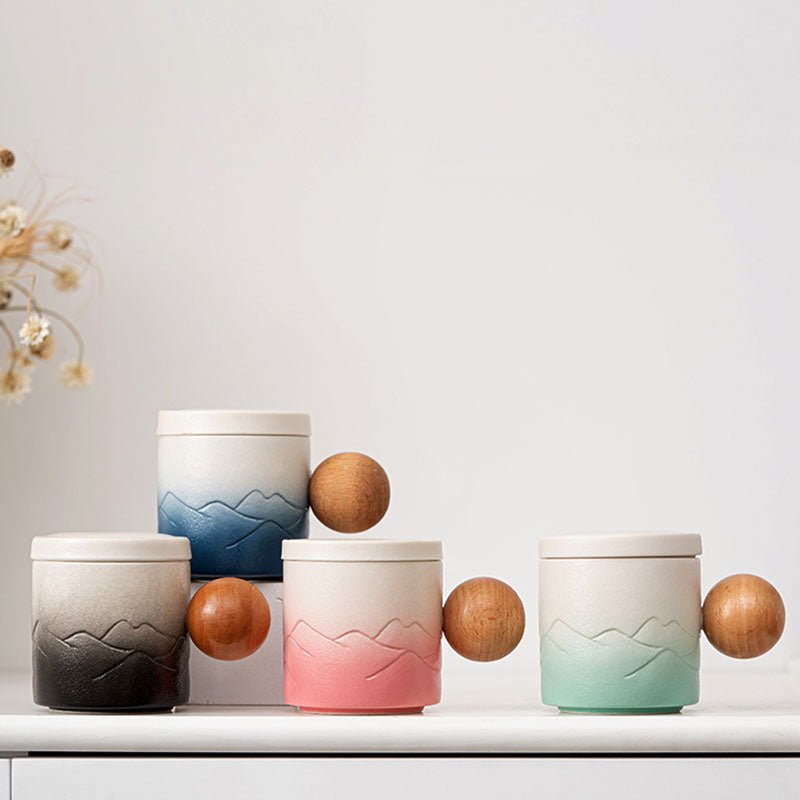
Beer Coffee Mugs: Size, Shape, and Daily-Use Buying Guide
Beer coffee mugs can work well for daily use if the shape, capacity, and handle feel right in your hand. We break down what to check, what to avoid, and which mug styles make more sense for desk us...
Czytaj dalej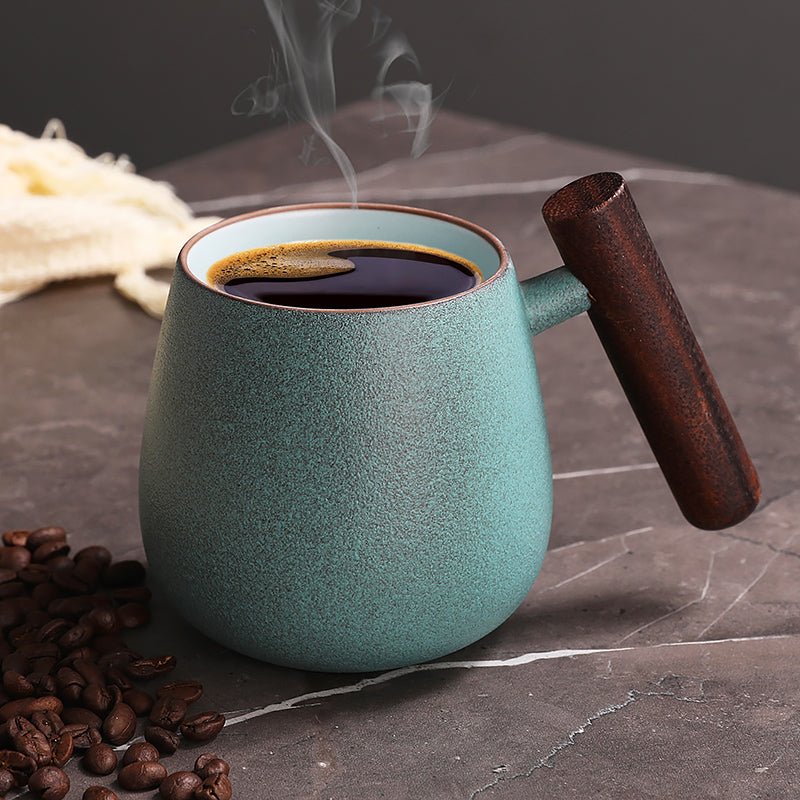
Standard Coffee Mug Dimensions: What Buyers Should Check
A practical guide to standard coffee mug dimensions, including common height, rim, and capacity ranges, plus what to measure before you buy.
Czytaj dalej
Zostaw komentarz
Ta strona jest chroniona przez hCaptcha i obowiązują na niej Polityka prywatności i Warunki korzystania z usługi serwisu hCaptcha.