

Mug & Cup Coffee Buying Guide for Everyday Use
Reading time: about 10 minutes
A mug that looks right on a product page can feel wrong the first time you pick it up. The handle may be too tight for two fingers, the rim may feel thin or sharp, or the cup may hold less coffee than you expected once milk or foam goes in.
That is the part shoppers miss most often. In our store, we see people buy for the look and then come back asking about size, weight, and whether the mug is comfortable for daily use at a desk, in a kitchen, or during a slow weekend refill. This guide is built around those real choices for mug & cup coffee, with the trade-offs laid out plainly.
If you want to browse what we carry while you read, start with our product selection or our full collection.
What does mug & cup coffee really mean for daily use?
For most buyers, mug & cup coffee is less about style labels and more about how the drink behaves in your hand. A mug usually means a thicker wall, a larger handle, and a size meant for drip coffee, Americano, or a latte with room for milk. A cup can be lighter, more compact, and sometimes better for smaller servings or a more refined table setting.
That difference matters in day-to-day use. A thicker ceramic mug tends to hold heat better than a very thin cup, but it also feels heavier and can take longer to cool after pouring. A smaller cup can be better for a strong morning pour, but it is not the best choice if you top off coffee with cream or prefer a long drink at your desk.
We see the same pattern in unboxings and gift orders: people want something that looks thoughtful, but they stay loyal to the piece that feels right after 20 mornings in a row. That is the real test.
Which material should you choose: ceramic, stoneware, porcelain, or glass?
Material affects weight, heat retention, and how the mug ages after repeated washing. The surface finish matters too. A glossy interior is usually easier to rinse clean than a porous or matte finish that shows coffee marks sooner.
| Material | What it feels like | Best for | Trade-off |
|---|---|---|---|
| Ceramic | Balanced weight, familiar in the hand | Everyday drip coffee, office use, gifts | Can chip if knocked against a sink or other mugs |
| Stoneware | Heavier, sturdier, more substantial | Home mugs that stay on the counter | Bulkier and less ideal if you prefer a light cup |
| Porcelain | Thinner, cleaner rim feel | More refined table settings, lighter drinkers | Often feels less rugged than stoneware |
| Glass | Light, transparent, modern | Layered drinks and presentation | Usually less forgiving with heat and handling |
If you are comparing finish and durability, our article on Coffee Cup Mug Ceramic: What Buyers Should Check Before They Buy breaks down what to inspect before ordering. That is especially useful if you care about glaze quality, handle comfort, and how the cup will look after repeated dishwasher cycles.
For most coffee drinkers, ceramic is the default for a reason. It is practical, easy to match with a kitchen, and usually comfortable for daily use. But it is not the best choice if you need the lightest possible cup or want something insulated for slow sipping over a long commute.
What size mug works best for your coffee routine?
Size is where many buyers miss the mark. A mug that sounds generous on paper can still feel too small once you add milk, foam, or a full pour. On the other side, an oversized mug can be awkward in the hand and heavy when filled.
We usually think about size in actual use cases:
- 8 oz to 10 oz: good for a standard coffee, shorter pours, or people who want a compact cup that does not feel bulky.
- 12 oz to 14 oz: a common everyday range for drip coffee, Americano, or a drink with a little milk.
- 16 oz and up: better for long sipping sessions, large kitchen mugs, or buyers who want fewer refills.
If you are unsure where to land, our Coffee Mug Sizes Guide: How to Choose the Right Cup gives a tighter breakdown of fit, fill line, and what size makes sense for different brewing styles. We also cover a narrower range in 10 oz Coffee Mug: Size, Fit, and What to Check Before You Buy for shoppers who already know they want something compact.
One practical detail most people forget: a mug is not useful if it cannot sit comfortably under your machine or your cabinet. If your coffee setup lives under upper shelving, check height before you buy. Taller mugs can be convenient for latte-style drinks, but they may not fit neatly under every brewer.
Is a tall mug better, or does it create new problems?
Tall mugs have a specific appeal. They feel modern, they hold a lot without looking like a bowl, and they are often a good match for coffee with milk or foam. We see them chosen often for office desks because they look clean and stay upright well.
That said, tall does not automatically mean better. A tall cup can be less stable on a crowded counter. It may also feel top-heavy if the base is narrow, and it can be inconvenient if you need to fit it under a pod machine, a brewer spout, or low kitchen shelving.
If this is the style you are considering, read Coffee Cup Tall: How to Choose the Right Tall Mug for Daily Use. We wrote that piece for shoppers who want the taller silhouette but still care about real-world handling, not just appearance. In our experience, the right tall mug feels balanced in the hand and has a handle that does not force your fingers into a cramped grip.
What should you check before buying online?
Photos can hide a lot. A mug can look substantial in a staged image and still arrive lighter than expected, or the handle can feel too narrow for the hand that will use it every morning. When we inspect mugs for our own store, these are the details we pay attention to first:
- Handle opening: Make sure there is enough room for your fingers, especially if you like to sip with two fingers through the handle.
- Rim shape: A smooth, even rim makes a bigger difference than many people expect. It affects the first sip immediately.
- Wall thickness: Thicker walls usually feel sturdier and retain heat better, but they can make the mug feel heavier.
- Base stability: A wide, flat base is safer on a desk and less likely to wobble near a sink edge.
- Care instructions: Check whether the mug is dishwasher-safe or whether hand washing is the safer route for long-term finish retention.
We also pay attention to common defect modes that show up after a few uses: tiny glaze pinholes, rough spots on the rim, handles that feel uneven, and chips on the base from shipping impact. None of those are acceptable if you want a mug to feel good every day, especially as a gift.
Which mug styles fit home, office, and gifting?
Different settings favor different shapes, and that is where buyer intent gets practical. A mug that works on a quiet Sunday morning may not be the right pick for a shared office kitchen.
- Home counter use: Stoneware and thicker ceramic usually make the most sense because they feel stable and are easy to set down fast.
- Office desk use: Mid-size ceramic mugs are often better than very large ones because they fit beside a laptop without crowding the workspace.
- Gifting: Choose a shape with a clean silhouette and a comfortable handle. A mug should feel personal, not novelty-driven, unless the buyer specifically wants that style.
- Display or presentation: Porcelain or glass can look more refined, but they are usually less forgiving for casual daily handling.
This is also where oversized styles need a reality check. A very large mug can be perfect for someone who wants one long pour and fewer refills. It is not a great choice for small hands, a compact sink area, or anyone who already knows they dislike heavy cups. If that sounds familiar, our article on Largest Coffee Mug: How to Choose the Right Oversized Cup can help you avoid buying more capacity than you will actually use.
How do we think about care and longevity?
Most shoppers want a mug that still looks good after a stack of ordinary days. That means the finish matters as much as the shape. A glossy glaze is usually easier to clean, while matte surfaces can show staining sooner, especially if the mug is used for darker roasts or tea as well as coffee.
For longevity, we recommend a simple routine:
- Rinse soon after use so coffee oils do not sit on the surface.
- Use a soft sponge instead of abrasive pads if the glaze is delicate.
- Let mugs dry fully before stacking them, especially if the finish is hand-applied.
- Watch the rim and base during dishwasher unloading, where chips happen most often.
If a mug is marked dishwasher-safe, that helps, but it does not mean the finish is indestructible. Repeated heat, clinking against other dishes, and rough drying still wear on the surface. A mug that survives daily use is usually the one with a balanced shape, a sensible weight, and a finish that is easy to maintain, not just the one with the flashiest look.
Frequently asked questions
What size mug is best for everyday coffee?
For most people, 12 oz to 14 oz is the safest everyday range because it leaves room for milk, foam, or a little extra pour without feeling oversized. If you drink smaller servings or want a lighter cup in the hand, 8 oz to 10 oz can be a better fit. The right choice depends on how much coffee you actually pour, not just how much you want on paper.
Are ceramic mugs better than stoneware mugs?
Neither is universally better. Ceramic is often a little more versatile and lighter for daily use, while stoneware usually feels more substantial and durable on the counter. If you want a mug for rougher handling or a heavier feel, stoneware can be a better match; if you want something balanced and familiar, ceramic is usually the easier pick.
Do tall coffee mugs spill more easily?
They can, depending on the base width and how full you fill them. A tall mug with a narrow base is less forgiving on a cluttered desk or uneven surface than a shorter, wider mug. If you like tall shapes, choose one with a stable bottom and enough handle clearance so it still feels controlled when full.
Can I use a coffee mug for both coffee and tea?
Yes, as long as the glaze and interior finish clean easily. A neutral ceramic mug is usually fine for both, but stronger tea can leave stains on lighter surfaces if you let it sit. If you swap drinks often, pick a mug with a smooth interior and avoid finishes that are hard to rinse clean.
What should I check before ordering a mug online?
Check the capacity, the height, the handle size, and the care instructions before you buy. If the product page shows dimensions, compare them against the mug you already use. That simple step catches most disappointments, especially when a mug looks larger or smaller in photos than it does in real life.
If you want the safest path, compare size first, then material, then shape. That order prevents most buyer regret because it matches how the mug will actually be used every day.
If you are still deciding, use this quick filter: choose ceramic for everyday balance, stoneware for a heavier feel, porcelain for a lighter and cleaner look, and glass if presentation matters more than insulation. Then check size and handle comfort before anything else. From there, browse our full collection or narrow to specific options in our product selection and pick the mug that fits your routine, not just your feed.
More from our blog
Read more
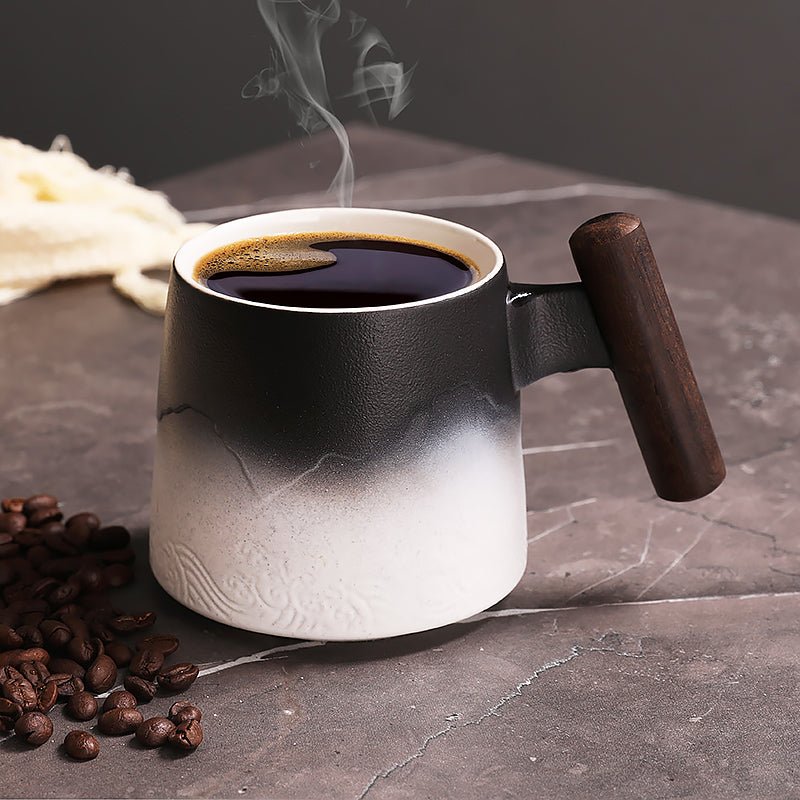
Cordless Coffee Mug Warmer: What Buyers Should Check Before They Buy
A cordless coffee mug warmer makes sense if you want a warm second pour on a desk, nightstand, or kitchen counter without a visible cord. We break down the trade-offs, fit checks, and when a plug-i...
Czytaj dalej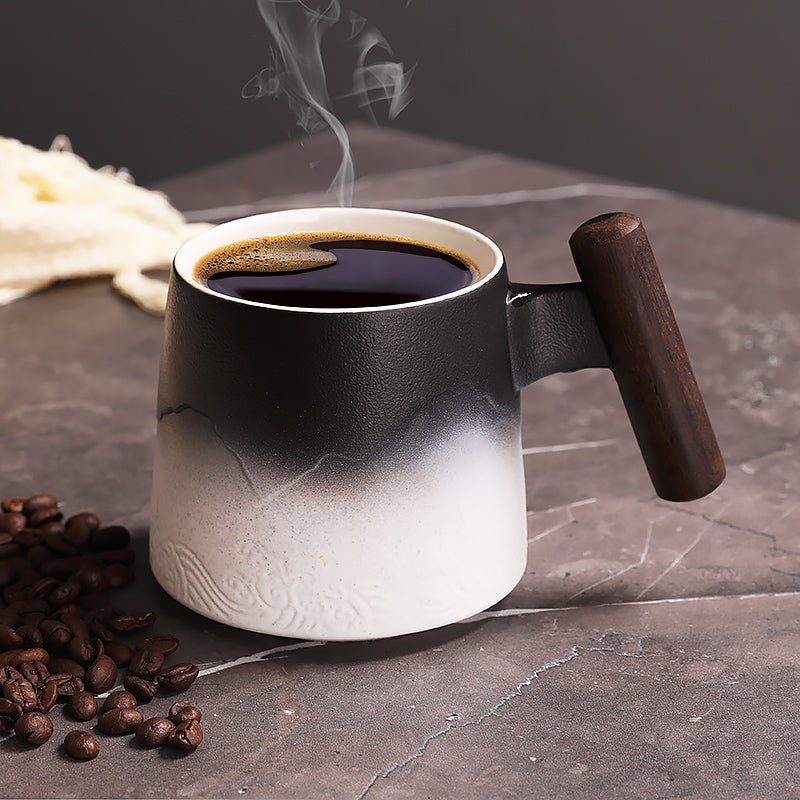
Coffee Mug Holder Wall: How to Choose the Right Fit for Your Kitchen
A coffee mug holder wall can clear counter space, display your mugs, and still stay practical if you match the rack to your wall type and mug sizes. We cover the fit checks, materials, and common m...
Czytaj dalej
Zostaw komentarz
Ta strona jest chroniona przez hCaptcha i obowiązują na niej Polityka prywatności i Warunki korzystania z usługi serwisu hCaptcha.