
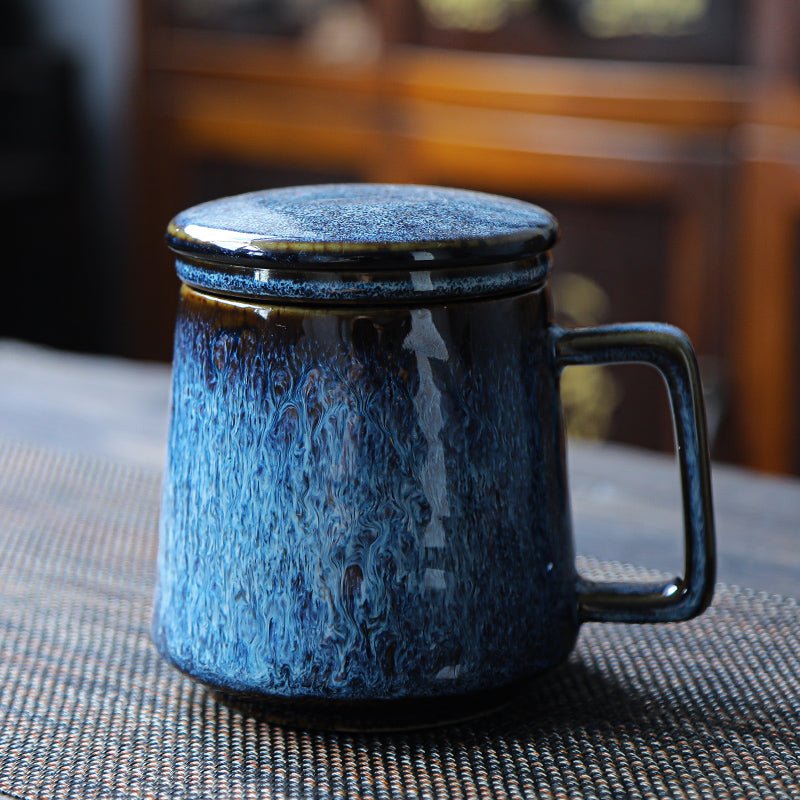
Mug Coffee and Clay: What to Check Before You Buy
Reading time: about 8 minutes
A clay mug can feel perfect in the hand on one morning and awkward on the next. The difference usually comes down to shape, wall thickness, and how the mug behaves once the coffee is hot, the desk is crowded, or the dishwasher comes into play.
That is why we look at mug coffee and clay as a buying decision, not just a style choice. In our store, we see the same pattern repeatedly: shoppers want a mug that looks good, but they keep it only if it drinks well, cleans easily, and holds up to daily use.
If you want a broader checklist first, our Clay Coffee Mug Buying Guide: What to Check Before You Buy covers the basics. This article goes further into the practical trade-offs that matter once you are comparing actual mugs.
What does mug coffee and clay really mean for daily use?
A clay coffee mug is usually chosen for feel and heat behavior. Clay walls tend to feel more substantial than thin glass or lightweight travel mugs, and that weight can make a mug feel stable on a desk or kitchen counter. It also means the mug usually warms up more gradually, which some people prefer for slow sipping.
That same quality can be a downside. A heavier mug is not ideal if you want a small, quick cup between meetings, if you carry coffee from room to room, or if you have wrist sensitivity. A clay mug is a better fit for a stationary routine than for a commute.
We also see buyers underestimate rim shape. A slightly rolled rim can make a cup feel smoother on the lip, while a sharp, straight rim can feel more precise but less forgiving. That matters more than people expect once they use the mug every day.
What should you check first on the product page?
- Capacity in ounces or milliliters, so the mug matches your pour size.
- Handle opening and finger clearance, especially if you use larger hands or like a two-finger grip.
- Wall thickness, since thicker walls usually feel sturdier but add weight.
- Glaze finish, because a smooth interior is easier to rinse than a highly textured surface.
- Care guidance, including whether the mug is dishwasher safe, microwave safe, or best hand-washed.
If you are sizing by capacity, our 10 oz Coffee Mug: Size, Fit, and What to Check Before You Buy and 12 Ounce Coffee Mug Buying Guide for Daily Use and Better Fit help narrow the range without guessing.
Which clay mug shape works best for your coffee?
Shape changes how the mug feels more than most shoppers expect. A wide opening cools coffee faster and can work well for drip coffee or americanos. A narrower opening helps hold heat a bit longer and can feel better for smaller pours.
Handle shape matters too. A round, open handle is usually the easiest to grip, but some people prefer a more sculpted handle because it locks the mug into the hand. A ball-style handle can look distinctive and offer a secure pinch for some users, while a squared or flatter handle can feel better for a full-finger grip.
In our experience, the best shape depends on the setting:
- Kitchen use: choose a stable base and a comfortable, open handle.
- Office desk use: choose a mug that is not too wide, so it clears keyboards and notebooks.
- Gift use: choose a shape that looks intentional and easy to understand at first glance.
If you want to browse shapes directly, see our Retro Coffee Tea Cup, Ball Handled Coffee Tea Mug, and Pleated Coffee Tea Cup. Each one solves a slightly different everyday problem.
How does clay compare with other mug materials?
Clay is usually chosen for feel, heat retention, and table presence. It is not the best choice for every buyer. If you want the lightest possible mug, a thin porcelain cup may suit you better. If you need something for a car cup holder, a clay mug is usually the wrong format entirely.
For shoppers deciding between materials, the key trade-offs are straightforward:
| Material | What it does well | Where it falls short |
|---|---|---|
| Clay | Feels sturdy, holds warmth well, looks substantial | Heavier, more vulnerable to chips if knocked hard |
| Porcelain | Light, refined, easy to pair with formal settings | Can feel too delicate or thin for some buyers |
| Glass | Lets you see the drink, often easy to rinse | Less insulating, can feel fragile in daily use |
| Steel | Tough, travel-friendly, durable | Changes the drinking experience and does not suit every coffee style |
Clay is also a better match for people who want a mug to sit on a shelf, office desk, or breakfast table without looking utilitarian. That visual value matters if the mug will be used for gifting or for a set you plan to keep visible.
Our practical rule: choose clay when the mug is meant to stay in one place and feel good in the hand. Choose a lighter or travel-focused material when portability matters more than presentation.
What care and durability issues should you expect?
Clay mugs usually fail in a few predictable ways: chips on the rim, hairline glaze marks after hard use, staining from coffee oils, and cracks from thermal shock if a hot mug is rinsed under very cold water. Those are the problems we think about when we inspect this category.
Good daily care is simple, but it matters:
- Let the mug cool before washing if it has been filled with very hot liquid.
- Use a soft sponge for the interior to avoid dulling the glaze finish.
- Do not use the mug if you see a crack that runs through the body or base.
- Dry the base and foot ring so moisture does not sit in a cabinet.
Clay is not the best pick for people who tend to stack mugs tightly in a crowded cabinet or toss them into a sink full of dishes. If that sounds like your kitchen, a more rugged profile or a simpler silhouette may be a smarter buy. If you want more detail on body shape and capacity before you choose, our 11 oz Coffee Mug: Size, Fit, and What to Check Before You Buy is a useful companion read.
Which mug should you choose for your routine?
We usually narrow clay mug choices by use case, not by appearance alone. The right cup for a slow weekend pour is often not the right cup for a weekday desk routine.
- For a gift: pick a shape with a strong visual silhouette and a comfortable handle. The recipient should understand it immediately when they open the box.
- For daily coffee at home: choose a mug with enough capacity for your actual pour, not your ideal pour.
- For tea and coffee both: look for a balanced bowl and a rim that is comfortable across different temperatures.
- For small kitchens: choose a mug that stores cleanly and does not crowd the cabinet.
Our product pages show the look and feel of each style, but the decision should still start with your habits. A mug that looks great and chips easily is not a good daily mug. A mug that is durable but uncomfortable in the hand will also end up unused.
If you want to compare the full range before deciding, start with our All Products collection and then compare the specific mug shapes side by side.
How do you tell a good clay mug from a disappointing one?
There are a few details we check every time because they separate a solid mug from one that only photographs well.
- The base: it should sit flat without a wobble.
- The handle: it should leave enough room for your fingers without pinching.
- The rim: it should feel smooth and even when you drink from it.
- The glaze: it should look consistent and not show obvious pinholes or rough spots where your mouth touches.
- The weight: it should feel balanced, not top-heavy.
Those details matter because they affect how often you actually reach for the mug. In a kitchen cabinet full of options, the one with the best balance and most comfortable rim usually wins.
Frequently asked questions
Is mug coffee and clay good for everyday use?
Yes, if you want a mug that feels stable, warm in the hand, and suitable for a home or office routine. Clay is not the best choice if you need something ultra-light, travel-ready, or resistant to rough handling in a packed bag.
Are clay coffee mugs dishwasher safe?
Some are, but you should check the care notes for the exact mug. Even when dishwasher safe, hand-washing can help protect the glaze and reduce rim chips over time, especially if your dishwasher load is crowded.
What size clay mug should I buy for coffee?
For many people, 10 to 12 oz is the most practical range for a daily coffee mug. Smaller works for espresso-based drinks and tea; larger works better if you add milk or want a bigger pour without topping up.
Do clay mugs keep coffee hot longer?
They often hold warmth well enough for a normal drink, but they are not insulated like a travel mug. A thicker clay wall can help the mug feel warmer longer, yet it will still cool with the room temperature.
What should I avoid with a clay mug?
Avoid sudden temperature changes, hard impacts on sinks or counters, and stacked storage that rubs the rim. Clay mugs are best for calm, everyday use, not for tossing in a tote or setting down roughly in a hurry.
Which clay mug should you look at first?
If you want a straightforward starting point, compare shape and use case first, then check the care notes and size. The right mug coffee and clay choice is the one that fits the way you actually drink, wash, and store it.
Our recommendation is simple: shortlist one mug for looks, one for comfort, and one for size, then compare them against your routine. If you are ready to browse, start with the All Products collection and then open the individual product pages for the Retro Coffee Tea Cup, Ball Handled Coffee Tea Mug, and Pleated Coffee Tea Cup. If you want more sizing help before buying, pair that with our clay and ounce guides so you can choose the mug that fits your counter, cabinet, and daily pour.
Read more
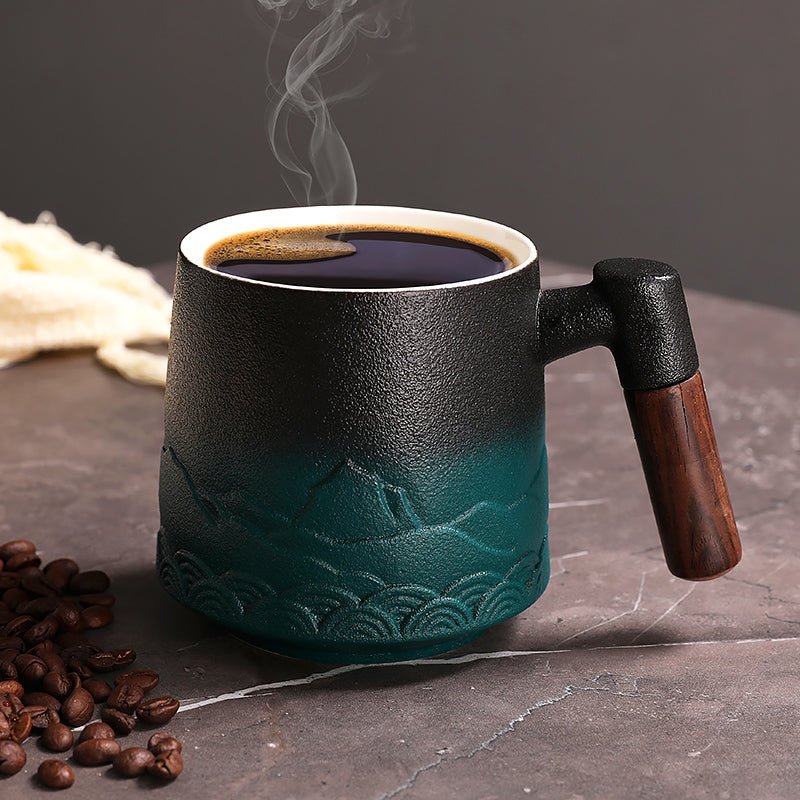
Sea Turtle Coffee Mug Buying Guide: What to Check Before You Buy
A practical sea turtle coffee mug guide for shoppers comparing style, size, and care. We break down the real trade-offs so you can pick a mug that works on a desk, not just in a photo.
Czytaj dalej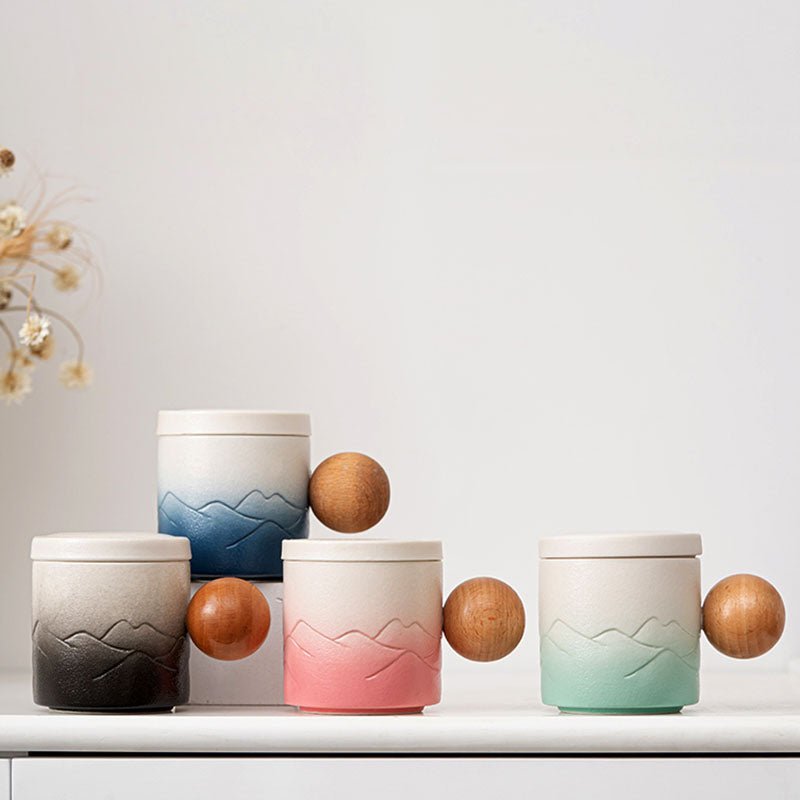
Polish Pottery Coffee Mug: How to Choose the Right One for Daily Use
A polish pottery coffee mug should do more than look decorative on the shelf. This guide breaks down what to check for size, feel, glaze quality, and daily use so you can buy the right mug the firs...
Czytaj dalej
Zostaw komentarz
Ta strona jest chroniona przez hCaptcha i obowiązują na niej Polityka prywatności i Warunki korzystania z usługi serwisu hCaptcha.