
Mug Coffee and Clay: What Buyers Should Check Before Ordering
Reading time: about 8 minutes
What does mug coffee and clay mean in real use?
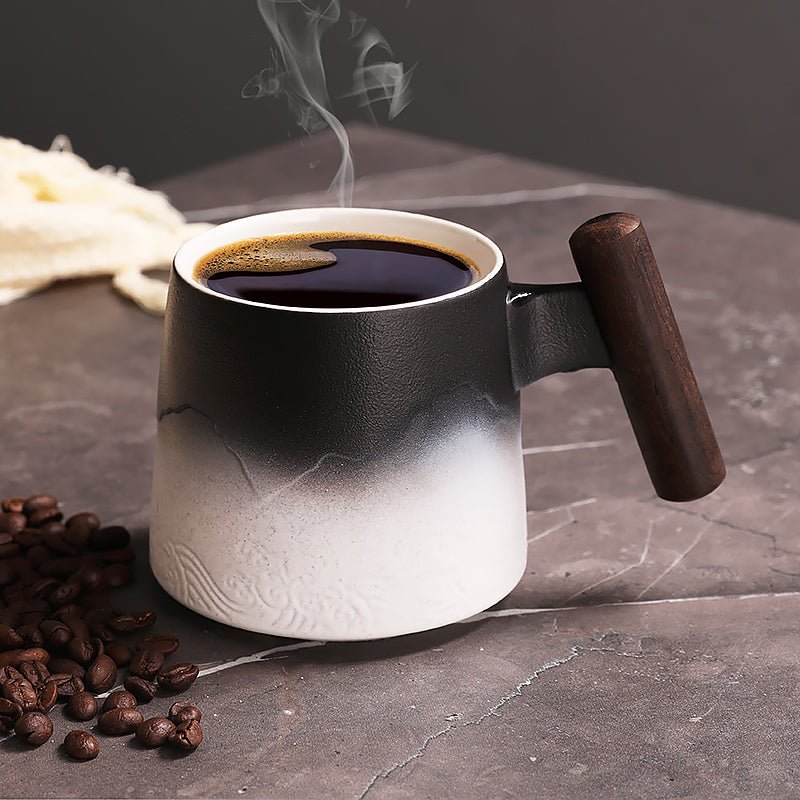
A clay mug changes the way coffee feels before the first sip. The cup usually has more body in the hand, a thicker rim than a thin glass or metal vessel, and a slower heat drop than a travel mug. That is why mug coffee and clay is a real buying category, not just a material label.
We see the same pattern in our store: shoppers want a mug that feels calm on a kitchen counter, steady on an office desk, and easy to wash after one or two pours. Clay is a good fit for that. It is less suited to a commute, a car cup holder, or anyone who wants a lid and insulation first.
The trade-off is simple. Clay mugs can feel solid and pleasant, but they are not the lightest option. If you prefer very large pours, a paper-thin wall, or a mug you can toss into a backpack, this is probably the wrong category.
Which clay mug details matter most before you buy?
Most buyers focus on the shape first. That is fine, but the details that affect daily use are usually less obvious. We look at the same things every time a mug comes through our store: rim thickness, handle comfort, base stability, glaze finish, and the actual drinking capacity.
- Capacity: A 10 oz mug feels different from an 11 oz or 12 oz mug. Ten ounces is usually better for a shorter pour or a smaller home brewer. Twelve ounces gives you more room for milk, cream, or a longer drip coffee. If size is your main question, our size guides for 10 oz coffee mugs and 12 ounce coffee mugs are the quickest way to compare fit.
- Rim thickness: A thicker rim can feel sturdy, but it can also make the sip feel heavier. A thinner rim often feels more refined, though it may not be the best choice if you dislike a delicate edge.
- Handle shape: Check the finger opening, not just the look. A handle that looks elegant can still pinch or feel cramped if you use two fingers on the mug and a third on the handle.
- Glaze quality: Look for smooth coverage, even color, and no rough spots where the lip meets the body. Small variations are normal in clay goods, but heavy glaze pooling or sharp edges are not what you want on a daily mug.
- Base and foot ring: A flat, stable base matters more than people expect. If the mug wobbles on a kitchen counter, it will annoy you every morning.
- Common defect modes: Pinholes in the glaze, hairline cracks, and uneven feet are the things we check for first. These do not automatically mean a mug is unusable, but they are worth watching for before you buy.
If you want a deeper checklist on material and finish, our Clay Coffee Mug Buying Guide covers the basics we use when we evaluate new stock.
Which style fits your coffee routine?
Different mugs solve different problems. A desk mug should be easy to hold through a long meeting. A breakfast mug should sit well under a drip machine or beside a French press. A gift mug needs a shape that looks good right out of the box.
| Style | Best for | Main trade-off |
|---|---|---|
| Retro Coffee Tea Cup | Smaller pours, tea service, and a cleaner tabletop look | Less room if you like milk-heavy coffee or a larger morning fill |
| Ball Handled Coffee Tea Mug | Shoppers who care about hand feel and a more distinct grip | The handle style is not for everyone; some buyers prefer a simpler loop |
| Pleated Coffee Tea Cup | People who want a more sculpted look for home use or gifting | More visual detail can mean a slightly less minimal feel on the shelf |
These are the kinds of options we show shoppers who want form and function together. If you want to browse more shapes and compare them side by side, start with our full collection.
For buyers who are still deciding between common capacities, our related size posts also help. The 11 oz guide is useful if you want a middle-ground daily mug, and the 12 oz guide helps if you pour a little extra milk or want a roomier feel. You can compare those details in 11 oz coffee mug size fit and the daily-use breakdown in 12 ounce coffee mug buying guide.
How do mug coffee and clay compare with other mug materials?
Clay sits in a useful middle zone. It feels warmer and more grounded than stainless steel. It usually feels less fragile and more familiar than glass. Compared with very thin porcelain, clay can feel sturdier in the hand, though it may also be a little heavier.
For everyday coffee, that is often a good trade. A clay mug does not chase maximum insulation. It is better at making the drink feel settled and comfortable. That is why it works well for home kitchens, office desks, and gift boxes where presentation matters as much as function.
It is not the best choice if you need a mug that stays hot for a very long time without a lid, or if you want to pack it for travel. If that is your use case, a sealed tumbler or travel mug will make more sense.
Our rule is simple: buy clay for the experience of the drink, not for portability.
What should you check before ordering size and shape?
Before you click buy, compare the mug to the way you actually make coffee. A mug that looks perfect in a product photo can still feel wrong next to your brewer, your spoon, or the shelf where you store it.
- Check the fill line you usually drink. If you brew 8 oz at a time, a huge mug can make the drink feel underfilled. If you usually add milk, a smaller mug may splash or crowd the top.
- Measure your coffee setup. Make sure the mug fits under your machine spout, pour-over stand, or milk frother path. A handle that juts out too far can be awkward under a brewer.
- Look at the lip and interior. A smoother inside finish is easier to rinse and less likely to hold residue. A rougher surface can be fine, but it may show tea or coffee stains faster.
- Check the base. If you use a wooden desk, a mug with a flat and stable bottom matters. A slightly uneven foot ring can leave a mug feeling off every time you set it down.
- Read the care note. Do not assume dishwasher or microwave use unless the product page says so. Clay pieces can tolerate different routines, and glaze type matters.
If you want a practical buying sequence, start with size, then handle comfort, then finish. That order saves more regret than shopping by color alone.
How do you care for a clay mug without shortening its life?
Clay mugs are easy to live with if you treat them like everyday tableware, not like indestructible gear. Wash with mild soap, use a soft sponge, and dry the base if water tends to sit around the foot. That keeps the mug looking better and helps you spot small cracks early.
Avoid sudden temperature swings. Do not move a mug straight from a hot dishwasher cycle to cold water, and do not pour boiling water into a mug that has been sitting very cold on a countertop. Thermal shock is one of the most common ways clay pieces fail.
If the glaze is glossy, stains usually wipe out more easily. If the finish is matte or partly unglazed, use a gentler cleaning routine and do not scrub with abrasive pads. If the bottom is unglazed, keep it dry after washing so it does not leave marks on shelves or tabletops.
This is also where expectations matter. Clay mugs are good for routine use, but they are not the right tool for rough treatment, constant travel, or dish-throwing storage. A little care goes a long way.
Frequently asked questions
Is a clay mug good for coffee every day?
Yes, if you want a mug that feels comfortable, stable, and pleasant to use on a kitchen counter or desk. Clay works well for daily coffee because it balances weight, heat, and feel. It is less ideal if you need something ultra-light or travel-ready.
Do clay coffee mugs keep drinks hot longer?
They usually hold heat well enough for a normal breakfast or desk session, but they are not insulated like a travel tumbler. The thicker body can slow heat loss compared with thin cups. If long heat retention is your priority, a lid and insulated wall matter more than clay alone.
What size clay mug is best for drip coffee?
Many buyers land in the 10 oz to 12 oz range. Ten ounces suits a smaller pour or a simple black coffee, while 12 ounces gives more space for milk or a larger brew. If you are between sizes, check the fill level you normally drink instead of guessing from the outside shape.
Can I put a clay mug in the dishwasher?
Only if the product page says it is dishwasher safe. Some clay mugs handle it well, but others are better washed by hand to protect the glaze and finish. If the mug has matte areas or a more delicate surface, hand washing is the safer choice.
What should I avoid when buying a clay coffee mug?
Avoid mugs with a handle that feels too tight, a base that wobbles, or glaze that looks uneven around the lip. Also avoid buying by appearance alone if you already know you prefer a larger fill or a lighter mug. The wrong size will bother you more than the wrong color.
If you are ready to narrow it down, compare the styles in our collection, then check the mug size that matches the way you actually drink coffee. That is the quickest way to pick a clay mug you will use every day instead of leaving it on the shelf.
Read more
Coffee Mug with Plaid S on the Side: Fit, Style, and Buyer's Guide
A coffee mug with plaid s on the side can look great on a desk or breakfast table, but the shape, capacity, and print placement matter more than the pattern alone. Here is what to check before you ...
Czytaj dalej
Kintsugi Coffee Mug Buying Guide: What to Check Before You Buy
A kintsugi coffee mug should do more than look pretty on a shelf. This guide breaks down size, finish, care, and comfort so you can choose one that fits real daily use.
Czytaj dalej
Zostaw komentarz
Ta strona jest chroniona przez hCaptcha i obowiązują na niej Polityka prywatności i Warunki korzystania z usługi serwisu hCaptcha.