
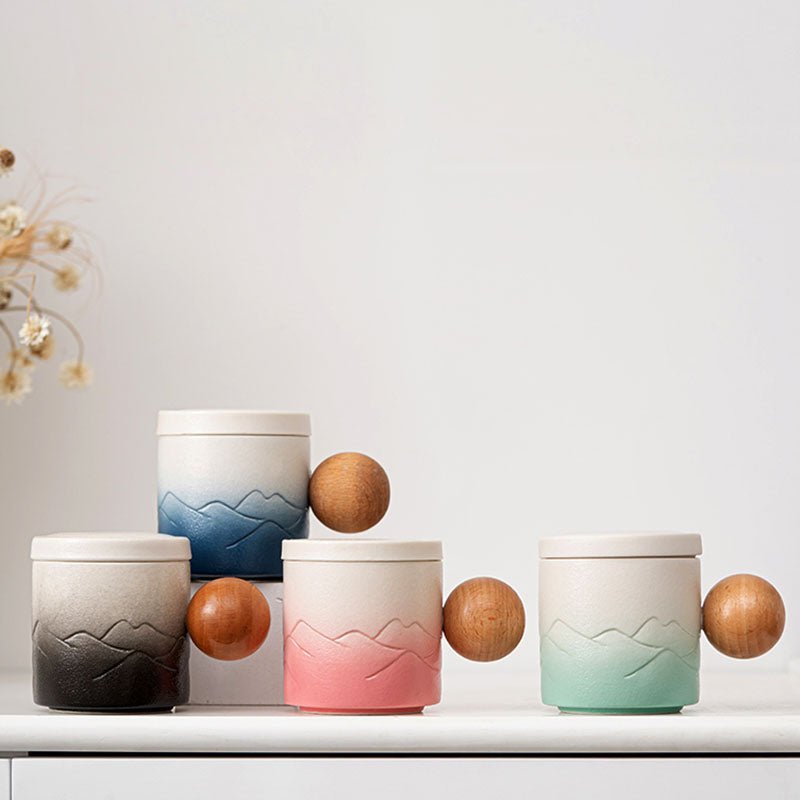
Microwavable Coffee Mug Buying Guide for Fit and Daily Use
Reading time: about 9 minutes
A microwavable coffee mug sounds simple until you try to reheat yesterday’s coffee in a mug that gets too hot to hold, rocks on the counter, or feels awkward in the microwave because the handle hits the wall. We see that mismatch often in our store: the mug looks fine online, then the buyer finds out the shape, finish, or size is wrong for daily use.
If you want a mug that actually works for home, office, or a gift, the details matter more than the print. The safest starting point is to compare a few styles in our store, such as the Spittoon Coffee Tea Mug, the Planet Coffee Tea Mug, and the Rhombus Coffee Tea Mug, then browse the rest of our all mugs collection if you want to compare shapes side by side.
What does microwavable really mean in a coffee mug?
For buyers, “microwavable” should mean the mug can safely handle short reheats without introducing obvious problems like sparking, cracking, or a metal edge that should never go near a microwave. In practical terms, a good microwavable coffee mug usually has a plain ceramic or stoneware-style body, a smooth glazed interior, and no metallic trim, foil decal, or gold rim.
We also look at the parts people forget about. A mug can be technically microwave-friendly and still be annoying if the handle gets too hot, the base is uneven, or the wall thickness makes the mug heat up faster than the drink. That is why our team checks the feel in hand, the stability on a flat counter, and whether the rim is comfortable enough for repeated sipping.
One more point: microwave use is not the same as all-day heat retention. A microwavable coffee mug is usually a home or office mug for reheating, not an insulated travel tumbler. If you want coffee to stay hot during a commute or a long meeting, a vacuum-insulated cup is the better tool.
Which mug style works best for daily reheating?
Style matters because shape changes how a mug behaves in a microwave, on a desk, and in a cabinet. We usually help shoppers choose by use case first, then by artwork or finish.
| Mug style | Best for | Trade-off |
|---|---|---|
| Spittoon Coffee Tea Mug | Simple everyday use, quick office reheats, a straightforward shape that is easy to store | Less of a statement piece if you want something more decorative for gifting |
| Planet Coffee Tea Mug | Gift buying, a more visual desktop piece, shoppers who want something a little more distinctive | Distinctive shapes can take a little more thought when you are checking cabinet space and microwave clearance |
| Rhombus Coffee Tea Mug | Buyers who like sharper lines, modern tableware, and a mug that stands out without being loud | Geometric styling may feel less traditional if you want a very classic round mug |
If you are shopping mainly for daily coffee refills, the safest pick is usually the mug that balances a comfortable handle, a stable base, and a shape that clears your microwave turntable with room to spare. If you are buying a gift, a more distinctive form can be worth the trade-off, but only if it still works for the recipient’s kitchen setup.
What size and shape should you check before you buy?
Size is where many buyers get tripped up. A mug that looks compact in a product photo can still feel bulky in a small microwave, and a mug that looks generous can overflow the moment you pour in milk or leave room for foam. For sizing context, our related guides on 10 oz Coffee Mug: Size, Fit, and What to Check Before You Buy, 11 oz Coffee Mug: Size, Fit, and What to Check Before You Buy, and 12 Ounce Coffee Mug Buying Guide for Daily Use and Better Fit go deeper on capacity and everyday fit.
- Check the total height. A taller mug may not clear a microwave shelf or the top of a low cabinet.
- Check the base diameter. A stable base matters more than people think, especially on slick stone counters.
- Check handle clearance. Your fingers should fit cleanly without squeezing against the mug wall.
- Check the rim shape. A thin, clean rim usually drinks better than a thick lip if you sip straight from the mug.
- Check the usable fill line. A mug that is technically 11 oz or 12 oz may not be comfortable to fill all the way if you add milk, sugar, or foam.
In our experience, buyers who use a mug every morning care less about an exact capacity number than about how the mug feels when it is half full, hot, and sitting beside a keyboard or laptop. That is the real daily-use test.
What trade-offs should you expect from a microwavable coffee mug?
There is no perfect mug for every person. A microwavable coffee mug is usually better for convenience than for insulation, and that trade-off is worth saying out loud. If you want a mug that keeps coffee hot for an hour or more without reheating, you are shopping in the wrong category.
There are also a few limitations that matter in real life. Decorated mugs can pick up wear at the rim or around the handle joint after repeated dishwasher cycles. Glossy prints may look great on day one, then show tiny scuffs or edge wear after enough desk use and washing. A hairline crack, a chipped rim, or a mug that wobbles on a flat counter is not something to shrug off; those are the signs we tell customers to watch for before putting the mug into regular microwave rotation.
We also do not recommend a microwavable mug for every drink style. If you make very large lattes, broth, or oversized mug cakes, you may want a broader vessel with more headroom than a standard coffee mug provides. If you travel with coffee, a sealed lid and insulation matter more than microwave safety.
How do we check a mug before we recommend it?
In our store, we look past the artwork first. The mug has to pass the practical test before it gets the benefit of the doubt.
- We check the rim and glaze. A clean rim with no chips, rough spots, or obvious glaze defects matters for comfort and long-term use.
- We check the handle junction. That is a common stress area. If the handle looks thin or poorly joined, it is not the kind of mug we would push for daily reheating.
- We check the base. A flat, stable base is less likely to rock on a counter or spin awkwardly in a microwave.
- We check for decoration issues. Uneven print, metallic accents, or fragile-looking transfers can be fine for shelf display but less ideal for repeated use.
- We think about the person using it. A mug for an office desk should be easy to sip from one-handed. A gift mug should still be practical enough that it does not end up in the back of a cabinet.
That is the difference between a product that only photographs well and one that actually earns its spot in a kitchen.
How should you care for it after microwave use?
Good care does not need a long routine. A few habits keep a microwavable coffee mug in better shape and make it more reliable over time.
- Do not microwave an empty mug. Even short empty heating can create unnecessary stress on the ceramic.
- Use short reheating intervals. Warm the drink in stages instead of blasting it for too long.
- Let steam escape. If the mug has a cover or lid, vent it before reheating.
- Watch for thermal shock. A mug straight from a very cold fridge to a hot microwave is more likely to complain over time than a mug at room temperature.
- Wash carefully if the finish is decorative. Handwashing is the safer choice for keeping prints cleaner, especially if the mug is used daily.
- Dry the base. A damp base can feel slippery on polished counters and can make you think the mug is unstable when it is just wet.
If you have ever heard a tiny ping from a mug after washing or reheating, that is the moment to slow down and inspect it. Small defects tend to become bigger problems when a mug gets hot every day.
Frequently asked questions
Can I put any ceramic mug in the microwave?
No. Most plain ceramic mugs are fine for short reheats, but you should avoid anything with metal trim, metallic paint, visible cracks, or a damaged glaze. If the mug has no microwave-safe guidance and looks fragile, treat it as a maybe rather than a yes.
Is an 11 oz mug a better everyday size than a 12 oz mug?
That depends on how you drink coffee. An 11 oz mug can feel a little more compact on a desk and in a cabinet, while a 12 oz mug gives you more room for milk, foam, or a generous pour. If you want more sizing context, our 11 oz and 12 oz mug guides are a good comparison point.
Why does my mug get hotter than the coffee?
Some ceramic bodies absorb heat faster than others, so the mug can feel hotter than the drink after a reheating cycle. That does not automatically mean the mug is unsafe, but it does matter if you like to grab the mug immediately after microwaving. A thicker wall usually changes how heat is felt in the hand.
Are printed mugs safe to microwave?
Often yes, but only if the print does not include metal and the product is intended for microwave use. The bigger issue is durability: repeated heat and dishwasher cycles can wear down lower-quality decoration. If the design is important to you, handwashing is the safer habit.
What should I buy if I want one mug for the office and home?
Choose a shape that is stable, easy to grip, and not too tall for your office microwave or shelf. A straightforward everyday mug is usually the best bet because it works in both places without asking you to compromise on storage or handling. If you want to compare styles quickly, our collection page is the fastest place to start.
If you want the shortest path to a good choice, use this checklist: no metal trim, comfortable handle, flat base, size that fits your microwave, and a shape you will still enjoy after the first week. Then compare the options in our all mugs collection, and start with the Spittoon Coffee Tea Mug, Planet Coffee Tea Mug, or Rhombus Coffee Tea Mug based on the shape you want to live with every day.
Read more
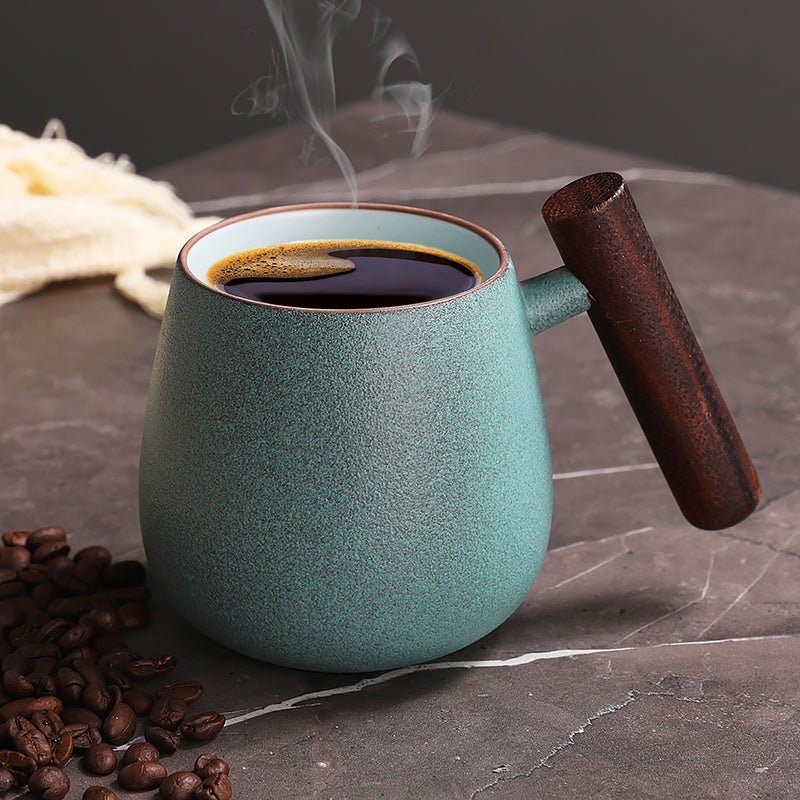
Toilet Coffee Mug Buying Guide: What to Check Before You Buy
A toilet coffee mug can be funny, but the real test is whether it feels comfortable, cleans easily, and still works after the joke lands. We break down the checks that matter before you buy.
Czytaj dalej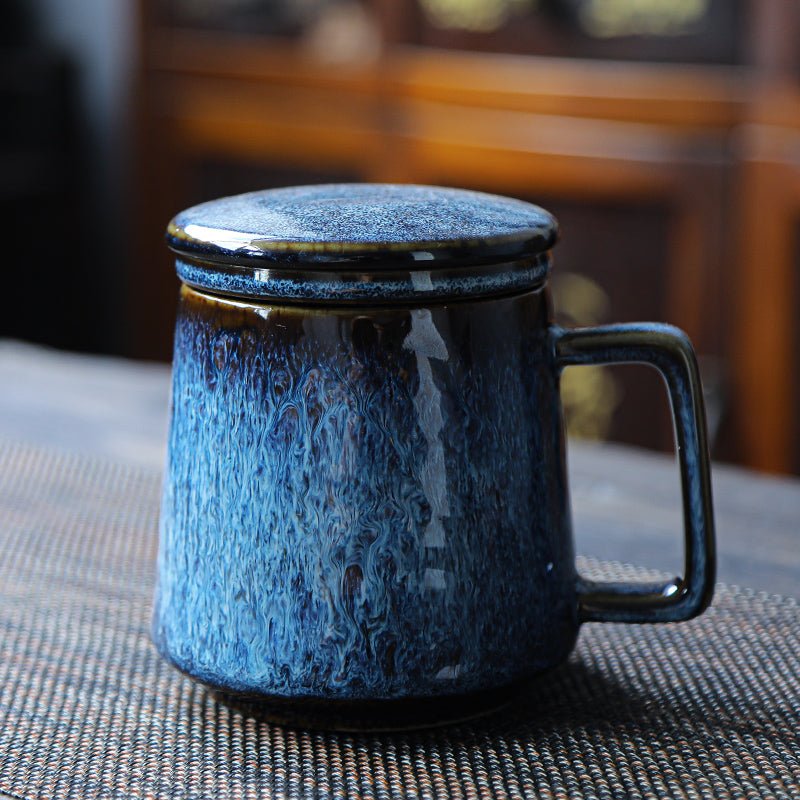
F Caw F Coffee Mug Buying Guide: Shape, Size, and Use
A practical f caw f coffee mug guide for shoppers comparing shape, capacity, and daily use. We break down what fits on a desk, what works for gifting, and where each mug style has trade-offs.
Czytaj dalej
Zostaw komentarz
Ta strona jest chroniona przez hCaptcha i obowiązują na niej Polityka prywatności i Warunki korzystania z usługi serwisu hCaptcha.