
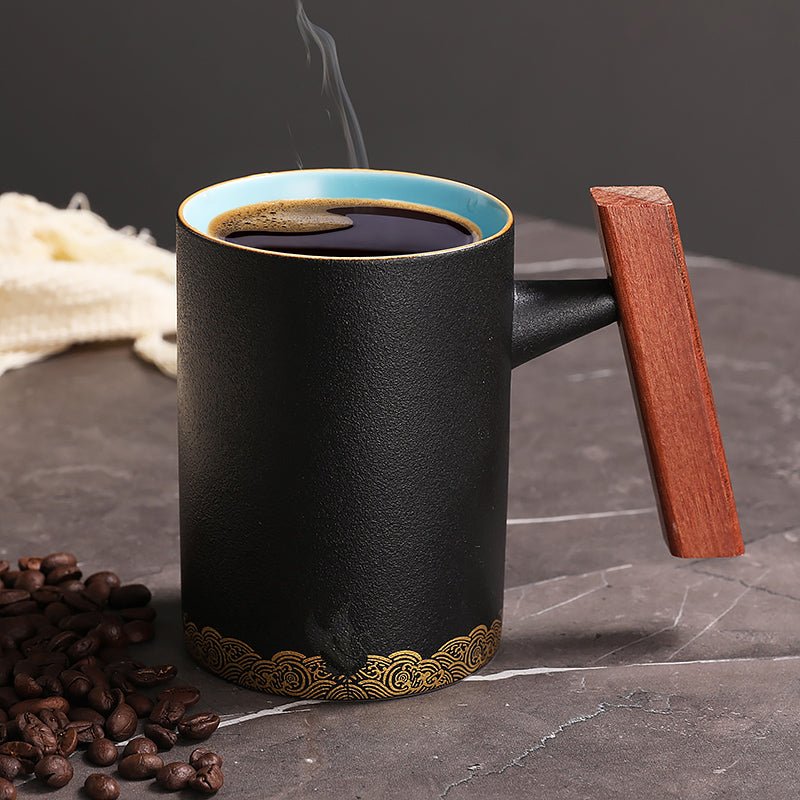
Melting Coffee: Why It Happens and What Mug Buyers Should Check
Reading time: about 9 minutes
A coffee mug can feel fine at breakfast and start looking wrong by lunch: the surface seems stressed, the finish dulls, or the mug simply feels less comfortable once the drink has been hot for a while. That is usually what shoppers mean by melting coffee, even though the drink itself is rarely the real issue.
We handle this category every day in our store, and the pattern is usually the same. A shopper thinks the drink is the problem, but the real issue is usually finish wear, grip comfort, or a mug that does not suit the way it gets used. If you are buying a mug for your desk, your kitchen counter, or as a gift, the question is not only how it looks in a product photo. The better question is how it behaves after repeated pours, regular washing, and normal day-to-day handling.
What does melting coffee usually mean in real use?
Most shoppers use the phrase for a cluster of small disappointments rather than one dramatic failure. The finish may start looking tired sooner than expected. A glaze line may become more visible after repeated hot use. A mug may also feel less pleasant in the hand after a long morning because the shape, handle, or weight works against the person using it.
In our experience, the mug is the weak point more often than the coffee. A solid ceramic body can handle normal hot drinks well, but the decoration, the way the handle joins the body, and the overall finish quality can be less forgiving. That is why we tell shoppers to look beyond the artwork and check how the mug is built.
When customers ask us about this issue, we usually narrow it down to three practical questions:
- Does the finish still look even after repeated use?
- Does the handle stay comfortable when the mug is full?
- Does the mug still feel like a good fit for the shelf, sink, and desk where it actually lives?
Those questions sound basic, but they explain why one mug becomes a daily favorite while another ends up pushed to the back of the cabinet. A mug that looks clever but feels awkward will often get described as a bad heat mug even when the real problem is fit, balance, or finish quality.
Which mug builds make more sense for daily use?
For the kind of mugs we sell, the most useful starting point is a balanced ceramic build. We look for a body that feels steady on a flat surface, a rim that is pleasant to sip from, and a handle that does not force the hand into an awkward angle. If those three things are right, the mug usually has a much better chance of staying in regular rotation.
The most helpful comparison is not a fancy label. It is the combination of body shape, surface finish, handle comfort, and how the mug feels when it is full. Some buyers need a mug that can sit beside a laptop for a long morning. Others need something that still looks chosen and giftable on a kitchen shelf. In both cases, the best mug is the one that feels settled and low-friction in real use.
For buyers who want a proper everyday mug rather than a throwaway-feeling cup, our full collection is the easiest place to compare shapes and artwork side by side. If heat behavior and daily use matter most, start with the Elk and Moon Coffee Tea Mug, the Koi Fish Coffee Tea Mug, and the Crane Coffee Tea Mug. They give you three different looks without leaving the practical daily-use category.
What we check before we recommend a mug
- Body build: a smooth ceramic form with even walls and a stable feel when full.
- Handle clearance: enough room for a comfortable grip without crowding the fingers.
- Finish quality: even glaze, clean print edges, and no rough spots where the hand naturally lands.
- Care fit: whether the mug suits the kind of regular washing, drying, and shelf storage you actually use.
Those checks are boring on purpose. They are the details that make a mug easier to live with over time. We would rather recommend a mug that keeps working quietly every morning than one that wins the first impression and starts frustrating the buyer a week later.
What usually makes a mug seem like it is melting?
There are a few common ways a mug starts feeling wrong. A printed surface can look softer or duller if the decorative layer wears faster than the rest of the mug. A glossy glaze can show fine lines after repeated temperature swings. A more decorative mug can also feel less satisfying if the handle, rim, or body shape does not suit the way the person actually drinks from it.
Another issue is simple mismatch. A mug may look beautiful in photos and still leave too little room for a relaxed grip. It may look calm on a shelf and still feel heavier or more awkward than expected once the drink is in it. When that happens, shoppers often describe the mug as failing under heat when the deeper problem is that the design never really matched the routine.
We see this especially with mugs bought for workspaces. If a mug sits near a keyboard, gets picked up often, and stays in hand for long stretches, small comfort flaws become much more obvious. A lip that feels slightly off, a handle that crowds the knuckles, or a base that does not feel planted can all turn into a daily irritation.
If your priority is daily comfort, the fastest path is to open our collection and compare the mugs you would actually keep beside a laptop, sink, or kettle. The right choice usually reveals itself once you stop thinking about novelty and start thinking about what the mug has to do every day.
How do you choose a mug that still feels right after repeated use?
We look for the ordinary details first because that is where long-term satisfaction usually lives. A mug can have beautiful art and still disappoint if the handle feels cramped or the finish seems too delicate for normal use. Buyers get the best results when they judge a mug like a kitchen tool with personality, not just a decorative object.
- Check the construction: a steady ceramic body with a clean, even finish is usually the safest everyday choice.
- Check the handle: make sure it feels balanced when the mug is full, not just when it is empty on a product page.
- Check the washing routine: if you want low-fuss upkeep, pick a mug that looks easy to rinse, dry, and put away without extra care.
- Check the use case: desk mug, gift mug, tea mug, and shelf mug all have different priorities even when they belong to the same collection.
- Check the finish: the artwork should look crisp, but it should not feel so delicate that normal use becomes stressful.
That is why some shoppers choose a mug that feels more decorative, while others want the simplest possible daily driver. If you are comparing options, narrow the choice by asking which mug would still feel right after a long desk session, an evening tea, or repeated everyday washing. That framing usually leads to a better choice than chasing the most dramatic design.
Which CoffeifyMug styles make sense if heat and daily use matter?
Some mugs are chosen because they look good in a gift box. Others are chosen because they keep earning their place in real life. We try to balance both. If you want a ceramic mug with character but still want something realistic for daily use, these are three product pages shoppers compare often:
| Product | Best for | Trade-off |
|---|---|---|
| Elk and Moon Coffee Tea Mug | Giftable desk use and calm, nature-led styling | Decorative buyers will like it; people wanting the plainest possible mug may prefer something simpler |
| Koi Fish Coffee Tea Mug | Tea, coffee, or a shelf-and-counter mug with strong visual character | Best for a desk or kitchen routine rather than the plainest grab-first option |
| The Crane Coffee Tea Mug | Daily use with a more refined, gift-friendly presentation | Artwork matters here, so buyers wanting a highly minimal look may prefer a quieter style |
In our store, we see these types of mugs bought for office desks, housewarming gifts, and quiet kitchen routines. They work best for shoppers who want daily use plus visual character, not for shoppers who want the plainest possible cup with the least amount of attention. That is a fair trade when the buyer actually wants the design to be part of the experience.
What should you do if your mug is already showing heat wear?
If the mug is only showing light wear, the first step is to reduce abrupt temperature swings and rough handling. Let the mug cool naturally between uses, avoid knocking it against hard surfaces, and use a gentler cleaning routine if the finish already looks stressed. Small care changes often stop the problem from getting worse.
If the handle is cracked, the glaze is flaking, or the body has a visible hairline crack, retire the mug from regular use. A mug that has started failing structurally is not worth forcing back into the daily lineup. That is especially true for office use, where a mug often gets lifted one-handed and set down without much thought.
For most buyers, the goal is not to find a mug that can survive abuse. It is to find one that holds up to real morning use without turning the coffee routine into extra work.
How do you keep the mug from getting blamed for a coffee problem?
Sometimes the issue is not the mug at all. Coffee that sits too long can taste flat, and a rushed morning can make any cup feel less pleasant than it really is. A mug filled too close to the rim can feel messy even when the mug itself is fine. A good mug can also feel wrong simply because it is too small, too large, or too awkward for the person using it.
That is where fit matters as much as appearance. Shoppers who want a mug for generous morning pours often prefer a roomier shape. Shoppers who want a more controlled daily cup may be happier with a more compact silhouette. If you are still deciding, compare the mug against how you actually drink coffee at home, at work, or while gifting it to someone else. That practical comparison usually tells the truth faster than the product description alone.
Frequently asked questions
Why does my coffee mug look like it is melting?
Usually the mug is showing heat-related wear rather than literally melting. Common signs include a finish that looks tired, fine glaze lines, or decoration that changes after repeated hot use. If the body is cracked or the handle feels loose, stop using it.
Are ceramic mugs a sensible choice for hot daily coffee?
Yes, many ceramic mugs handle hot daily drinks well. The weaker points are usually the finish quality, the handle comfort, or the way the mug fits the buyer's routine. If you want a mug for everyday hot drinks, a balanced ceramic shape is often the most practical place to start.
Should I hand wash a decorative coffee mug?
If the mug has detailed artwork or a finish you want to protect, gentler hand washing is the safer choice. A stronger machine-led routine can be fine for some mugs, but rougher cleanup may shorten the life of the decoration. When in doubt, treat it like a display-worthy mug rather than a utility cup.
What mug shape is best for everyday coffee?
For many shoppers, a balanced everyday shape is the sweet spot. It gives enough room for a standard pour without feeling oversized on a desk. If you prefer larger drinks or add milk, choose based on how full you actually like the cup to be and how the handle feels when the mug is full.
Is a decorative mug a bad choice for office use?
Not necessarily, but it depends on how hard you use it. A decorative mug is fine for a desk, coffee breaks, and normal daily washing. If you need the plainest possible option for fast-paced handling, choose a simpler shape with a steady base and an easy grip.
If you want to compare styles that hold up in real use, start with our all products collection, then check the mug shape, handle feel, and care notes before you buy. If fit is still the main question, compare the Elk and Moon, Koi Fish, and Crane product pages side by side and choose the one that best matches your routine.
Read more
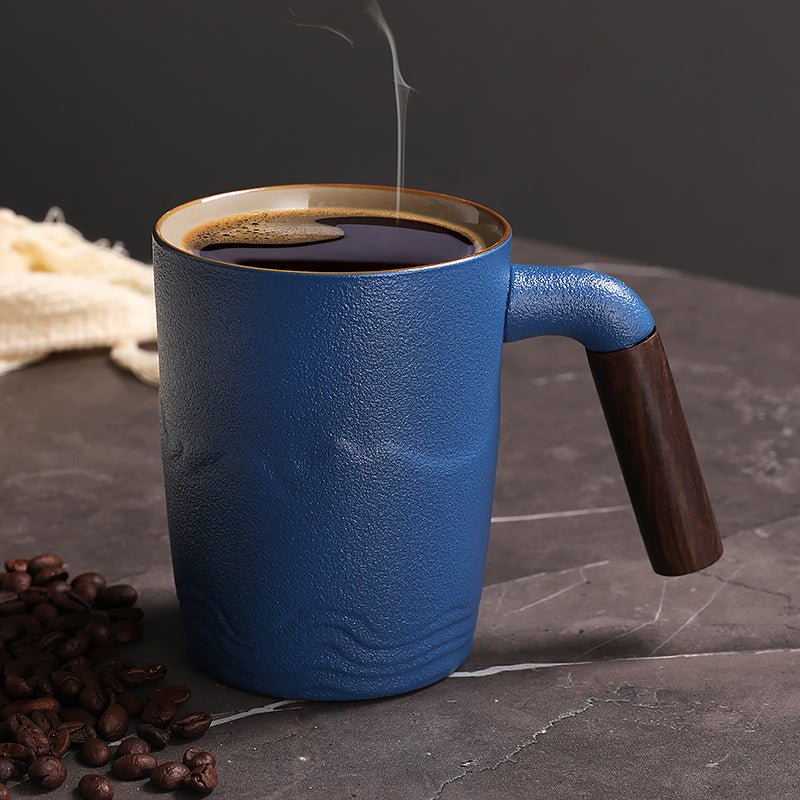
Biggest Coffee Mug: What to Buy and What to Watch For
If you want the biggest coffee mug, size alone is not the full story. We compare oversized mug styles, the practical trade-offs, and which CoffeifyMug options make sense for daily use.
Czytaj dalej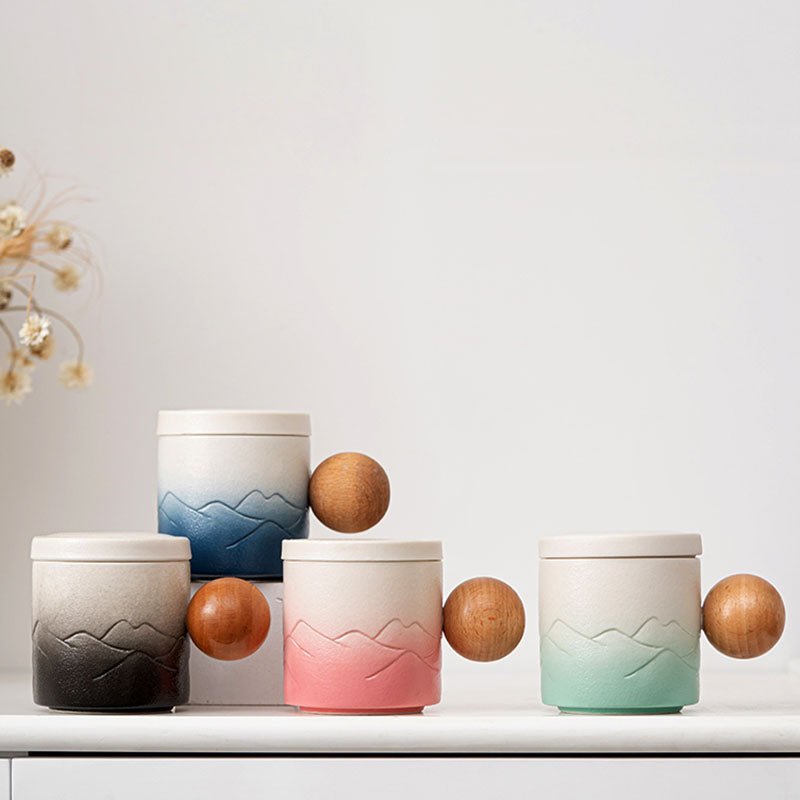
High End Coffee Mugs: What Buyers Should Compare Before Choosing
High end coffee mugs should feel balanced, look refined, and still make sense for daily use. This guide shows what buyers should compare before choosing a premium mug online.
Czytaj dalej
Zostaw komentarz
Ta strona jest chroniona przez hCaptcha i obowiązują na niej Polityka prywatności i Warunki korzystania z usługi serwisu hCaptcha.