
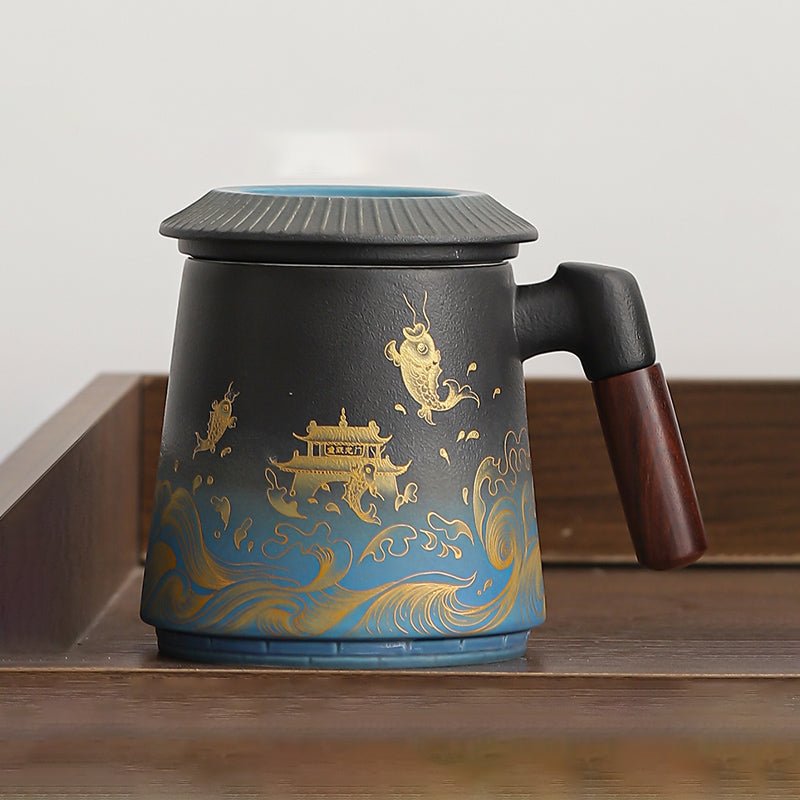
Melting Coffee: What It Means and How the Right Mug Helps
Reading time: about 9 minutes
A cup on the desk can go wrong fast. One minute the coffee tastes full and hot; the next, it has thinned out, cooled off, or sat long enough that the last sip feels flat. That is what most people mean by melting coffee: not literal melting, but a drink that changes before you finish it.
We see this a lot in our store conversations. Shoppers want a mug that looks good on a kitchen counter or office desk, but they also want a cup that does not betray the coffee five minutes later. The right mug will not replace good brewing, and it will not keep coffee hot forever. It can, however, slow the drop in temperature, reduce awkward headspace, and make a daily pour feel more balanced.
What does melting coffee usually mean?
For most buyers, melting coffee is one of two things. First, it can mean a hot cup losing heat too fast. Second, it can mean iced coffee getting watered down as the ice melts. Both problems are related to container choice, but they are not solved the same way.
With hot coffee, the issue is usually surface area and wall thickness. A wider mug exposes more liquid to air, which speeds up cooling. A thin-walled cup sheds heat faster than a heavier ceramic or stoneware mug. With iced coffee, the issue is dilution. A mug is rarely the best vessel for that job, because it is open and lacks insulation or a lid.
If your daily drink is a standard home pour, our advice is simple: start with a mug that feels comfortable in the hand and fits the amount you actually brew. If you want a giftable daily-use mug, our Elk and Moon Coffee Tea Mug, Koi Fish Coffee Tea Mug, and The Crane Coffee Tea Mug are good places to compare styles. To browse everything in one place, use our all mugs collection.
Does mug size change how fast coffee cools?
Yes. Size matters more than most shoppers expect. A mug that is too large for your pour leaves extra air space above the coffee, and that extra space makes the drink cool down faster. A mug that is closer to the volume you actually drink tends to feel hotter longer, simply because there is less open surface and less empty room above the liquid.
That is why size-focused guides matter before you buy. If you are comparing smaller daily cups, our 10 oz Coffee Mug: Size, Fit, and What to Check Before You Buy and 11 oz Coffee Mug: Size, Fit, and What to Check Before You Buy articles cover the practical differences. For a broader buying view, the 11 oz Coffee Mugs: How to Choose the Right One for Daily Use guide is useful when you want a mug that works on a Monday morning desk and also holds up as a gift.
| Mug type | Best use | Trade-off |
|---|---|---|
| 10 oz mug | Smaller black coffee pours, shorter drinking windows, tighter feel in the hand | Less room for milk, foam, or a bigger home brew |
| 11 oz mug | Everyday coffee with cream or milk, office desk use, general gifting | Can cool a little faster if you only fill it halfway |
| Wide mug | Layered drinks and casual sipping | More surface area means faster heat loss |
| Travel mug | Commutes and long stretches between sips | Less pleasant for casual drinking and usually less attractive on a desk |
That table is the short version. If you drink coffee quickly, a bigger mug may not bother you. If you sip slowly while answering email, the difference between 10 oz and 11 oz is not trivial. We see that in real use, especially when people are shopping for the office or for a spouse who keeps one cup running for an hour.
Which mug features help coffee stay better longer?
Three things matter most: wall thickness, mouth width, and fit in the hand. A thicker ceramic body generally holds heat longer than a very thin cup. A narrower opening slows heat loss a bit better than a broad open mouth. And a comfortable handle matters more than buyers expect, because people instinctively cradle a mug that feels stable instead of rushing to finish it.
Here is the short checklist we use when we evaluate a mug for everyday hot coffee:
- Thicker walls: better heat retention than a lightweight, thin cup.
- Glazed interior: easier to rinse and less likely to hold coffee stains or odors.
- Balanced handle: reduces the awkward tilt that can spill coffee on a desk or counter.
- Reasonable opening: less exposed surface means slower cooling.
- Dishwasher-friendly finish: easier day-to-day care, though repeated hot cycles can still wear prints over time.
In our experience, the mugs that disappoint shoppers are usually not broken. They are simply mismatched. A very decorative mug can be lovely for gift unboxing and shelf display, but not ideal if someone wants to keep coffee hot through a long morning meeting. A travel tumbler is the better choice for heat retention over distance. A standard mug is better for comfort, refills, and the ritual of sitting down with a cup.
If your routine is one cup at a desk, a standard mug is usually enough. If your routine is a 30-minute commute or a coffee that needs to stay hot for hours, a travel tumbler is the more honest purchase.
What should you check before buying a mug for daily use?
We recommend checking the details that affect real use, not just the artwork. A mug can look perfect in a product photo and still be annoying every morning if the rim feels too thick, the handle is too small, or the cup is too heavy when full.
- Capacity: Match the mug to your actual pour size, not the largest amount you sometimes make.
- Rim feel: A smoother, even rim usually feels better on the lips than a rough or uneven edge.
- Handle space: Make sure your fingers can fit comfortably without touching the hot body of the mug.
- Care routine: If you want less upkeep, choose finishes that tolerate normal dishwasher use and avoid delicate hand-wash-only pieces for daily rotation.
- Use case: Desk mug, kitchen mug, gift mug, or backup mug are not the same purchase.
The common failure modes are easy to miss until after purchase. Hairline crazing can appear in the glaze after repeated temperature changes. Coffee oils can stain an unglazed or lightly finished interior. Printed artwork can wear at the rim area if the mug is stacked tightly or scrubbed with abrasive pads. None of this means a mug is bad. It just means you should buy with your actual habits in mind.
Which CoffeifyMug styles fit this problem best?
If you are shopping for a mug that feels more intentional than a plain office cup, we have a few styles that fit the daily-use lane well. The point is not that one mug fixes melting coffee by itself. The point is that a good ceramic mug makes the whole experience less fussy.
For a softer, gift-ready look, the Elk and Moon Coffee Tea Mug works well as a desk mug or a housewarming gift. If you want a design that feels a little more decorative without being hard to use, the Koi Fish Coffee Tea Mug is a strong candidate. The The Crane Coffee Tea Mug has the same practical appeal for people who want a mug that looks considered on a kitchen shelf.
These kinds of mugs are best for:
- home brewing and refillable coffee breaks
- office desks where the cup sits within reach
- gift purchases where presentation matters as much as function
They are not the best choice for a commuter who wants a sealed lid, or for someone who leaves coffee untouched for long stretches. If that is your use case, buy a travel mug first and a display mug second. That is the honest trade-off.
How should you care for a mug so it keeps looking good?
Daily care matters. Even a well-made mug can start to look tired if it is used hard and cleaned poorly. We usually tell shoppers to rinse the cup soon after use, especially after dark roasts or milk-based drinks. Coffee residue is easier to remove before it dries and sets into the glaze.
A gentle wash with warm water and mild dish soap is the safest routine for most mugs. If the mug is dishwasher-safe, the top rack is still the gentler option, because it reduces exposure to the hottest cycle and keeps it away from heavier items that can knock it around. Avoid abrasive scrubbers unless you are dealing with a stubborn stain and you are willing to accept some wear over time.
Also watch the storage habit. Stacking heavy mugs rim-to-rim can chip the edge. Dropping a mug into a crowded sink can stress the handle join, which is one of the first places a ceramic mug can fail. These are the small, real-world problems that show up after months of ordinary use, not after a single dramatic accident.
Frequently asked questions
Is melting coffee the same as watered-down coffee?
Usually, yes. Most shoppers use melting coffee to describe coffee that has become weaker or colder before they finish it. For hot coffee, the issue is heat loss; for iced coffee, it is dilution from melting ice.
What mug size is best for a standard daily coffee?
For many people, 10 oz or 11 oz is the sweet spot. Ten ounces feels tighter for smaller pours, while 11 oz gives more room for cream or milk without looking oversized on a desk. The better choice depends on how full you actually drink the cup.
Can I use a decorative ceramic mug every day?
Yes, if the mug is comfortable, stable, and easy to clean. Decorative mugs are not automatically fragile, but some designs are better for occasional use than for repeated dishwasher cycles. Check whether the finish and print are meant for daily handling.
Do ceramic mugs keep coffee hot longer than glass mugs?
In normal everyday use, ceramic usually feels better for hot coffee because it has more thermal mass and less heat loss than thin glass. Glass can be attractive, but it often cools faster and can be less forgiving in the hand. If heat retention is the main goal, ceramic is usually the safer buy.
Should I buy a mug or a travel tumbler if I sip slowly?
If you sip over a long stretch or move around a lot, a travel tumbler is the better tool. If you sit at a desk, enjoy refills, and want a mug that feels better to drink from, a standard ceramic mug is the more comfortable choice. The right answer depends on how long the coffee sits before you finish it.
If you want the most practical next step, compare the mug size guides first, then browse the all mugs collection for a style that fits your daily pour. That is the fastest way to avoid buying a mug that looks right but works wrong.
Read more
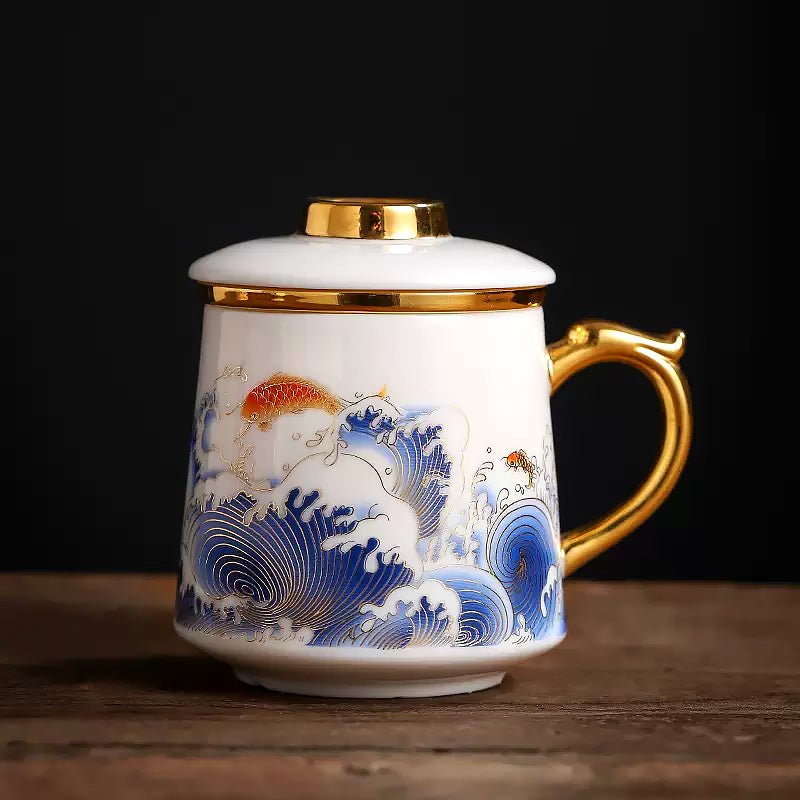
Coffee Mug Germany: What to Buy for Home, Office, and Gifting
A practical guide to choosing a coffee mug in Germany, with real trade-offs on size, shape, comfort, and care. We compare options that work for daily coffee, office desks, and gift orders.
Czytaj dalej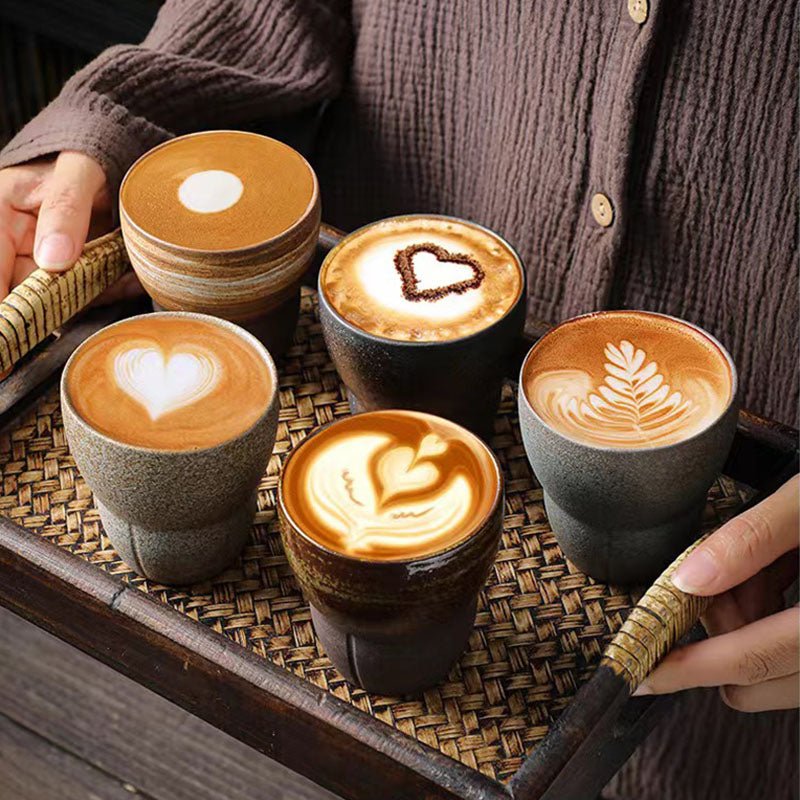
Retro Diner Coffee Mugs: Buyer’s Guide for Daily Use
A practical guide to retro diner coffee mugs with the details shoppers actually compare: size, material, weight, care, and where each style works best. Use it to pick a mug that feels right on the ...
Czytaj dalej
Zostaw komentarz
Ta strona jest chroniona przez hCaptcha i obowiązują na niej Polityka prywatności i Warunki korzystania z usługi serwisu hCaptcha.