
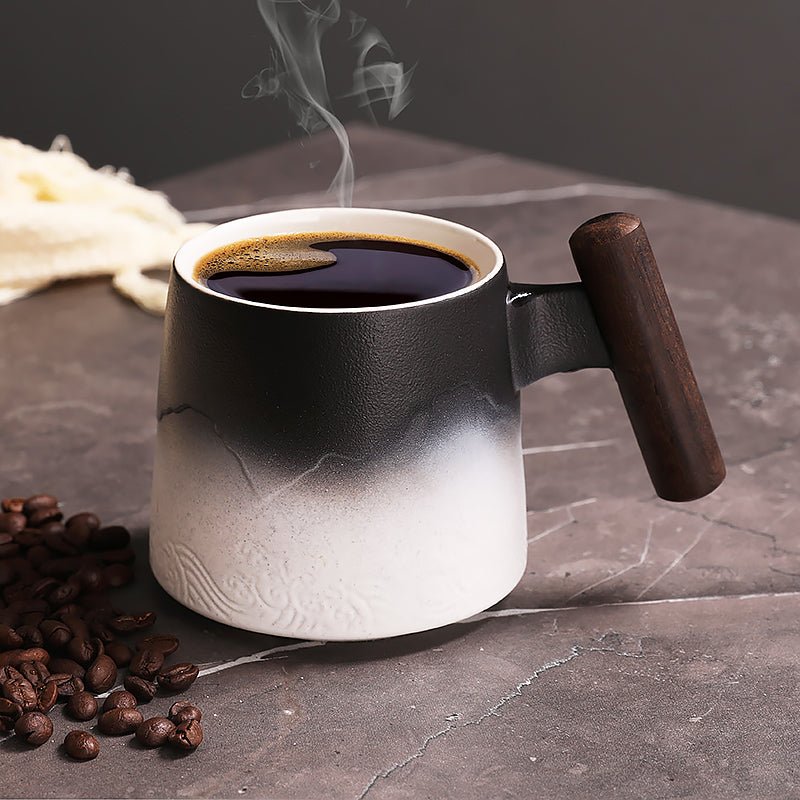
Maintenance Tips to Make Your Coffee Mug Last Longer
Reading time: about 9 minutes
A mug usually starts to show wear in small ways: a faint tea line near the rim, a rough spot where it bumped the sink, or a print that looks dull after too many hot dishwasher cycles. We see those issues often in kitchens and office break rooms, and most of them are preventable with a few consistent maintenance tips.
If you are comparing mugs before buying, our sample product is a good place to think about care habits as part of the purchase, not an afterthought. The right routine can keep a mug looking better for longer, especially if it is used every morning, taken to work, or pulled out for guests.
For shoppers who want to compare styles and see what else fits their setup, the full collection is the simplest place to start. We also cover related buying considerations in How to choose the right product for first-time buyers, which helps if you are still deciding between sizes, finishes, and everyday use cases.
What causes a coffee mug to wear out faster?
Most mug problems come from repeated stress, not one dramatic mistake. In our experience, the common failure points are easy to spot once you know what to look for: hairline chips on the rim, dull glaze from abrasive scrubbing, staining from coffee oils, and print wear from hot, harsh wash cycles.
Ceramic and stoneware mugs handle daily use well, but they are not indestructible. A 10 to 15 ounce mug sitting on a hard kitchen sink edge can chip just from being set down too quickly. A mug with a printed graphic can also fade sooner if it is scrubbed with a rough pad or run through a very aggressive dishwasher cycle every day.
We also see issues caused by temperature shock. Pouring boiling liquid into a very cold mug, then rinsing it in cold water, can create stress in the glaze. That does not guarantee damage, but it is exactly the kind of routine that shortens the useful life of the piece.
How should you wash a mug so it stays in good shape?
The safest routine is plain and boring, which is usually a good sign. Warm water, mild dish soap, and a soft sponge will protect the glaze and keep residue from building up. For most everyday mugs, that is enough.
If the mug has a printed design, a matte finish, metallic details, or a delicate decal, hand washing is the safer choice. Dishwasher cleaning can be fine for many mugs, but repeated high heat can dull some finishes over time. The top rack is usually better than the bottom rack because it avoids the strongest heat and spray impact.
Here is the routine we recommend in our store for daily care:
- Rinse the mug soon after use so coffee or tea does not dry into the surface.
- Wash with warm water and a mild detergent.
- Use a soft sponge or cloth instead of an abrasive scrubber.
- Dry fully before stacking or putting it away.
- Check the rim and handle occasionally for small chips.
If a stain has already set, soak the mug with warm water and a little dish soap before you scrub anything harder. That is usually safer than attacking it with a scouring pad right away.
Which habits help prevent chips, cracks, and broken handles?
Chips and handle damage usually happen during handling, storage, or dish loading. A mug does not need much force to get nicked, especially around the rim or the base where it meets hard surfaces.
These habits make the biggest difference:
- Set the mug down gently in sinks and on counters instead of dropping it into place.
- Avoid nesting heavy mugs tightly inside each other if the glaze is prone to scratching.
- Do not use a mug that already has a rim chip for hot drinks if the chip is sharp or growing.
- Leave a small gap on shelves so handles are not knocked every time you reach for another cup.
- Use a dish rack or drying mat instead of letting the mug dry on a hard stone countertop.
One trade-off worth saying out loud: thicker stoneware mugs tend to feel sturdy in the hand, but they are also heavier. That extra weight can make a dropped mug more likely to crack tile or chip a sink edge. Lighter mugs are easier to handle, but they can feel more fragile if they are stacked carelessly.
We have a fuller breakdown of day-to-day mug care in Coffee Mug Care Tips to Make Your Mug Last Longer, which goes deeper into handling, cleaning, and storage choices.
How do you remove coffee stains without damaging the finish?
Brown tea or coffee rings are common, especially on white glaze and lighter interiors. The goal is to lift the stain without stripping the finish or scratching the surface.
Start with the least aggressive option. Fill the mug with warm water, add a small amount of baking soda or mild dish soap, and let it sit for a few minutes. Then wipe with a soft cloth. If the stain is still visible, repeat the soak rather than immediately moving to a harsh abrasive cleaner.
Avoid steel wool, hard scraping tools, and gritty powders on printed or glossy mugs. Those can leave micro-scratches that collect more stain later. That is one reason a mug can look older than it really is.
If your mug has a narrow base or a tall profile, a bottle brush can help reach the bottom without forcing a sponge into the curve. That is useful for taller styles that are harder to clean by hand, but it is less necessary for a wide, open coffee mug.
What storage setup keeps mugs safer in a kitchen or office?
Storage matters more than most people expect. A mug that is perfectly cleaned can still wear out quickly if it bangs into other cups every day or sits under a cabinet where the handle gets knocked.
For home kitchens, the cleanest setup is a shelf with enough clearance that the handles do not touch. In office kitchens, the best option is usually a simple rack or open shelf rather than a crowded drawer. Drawers save space, but they also increase the odds of rim chips if the mugs move around with other items.
Gift mugs need a different approach. If a mug is being packed away after a gift unboxing and not used daily, wrap it in tissue or soft paper and keep it upright. Do not store it wet, even for a short time. Moisture trapped in the base or handle area can leave smells and make the mug feel neglected before it is even used.
If you are buying for someone who values display as much as use, a mug with a clean glaze and a straightforward shape will usually age better visually than one with delicate decorative elements. If you want a more everyday, low-maintenance option, focus on simple finishes and a durable feel rather than novelty details.
Which mugs are easiest to maintain, and which need more care?
Not every mug should be treated the same way. The easiest styles to maintain are usually smooth-glazed ceramic or stoneware mugs with a simple shape and no metallic accents. They tolerate regular washing well and are easier to clean around the rim and handle.
| Type | Care level | What to watch for | Best for |
|---|---|---|---|
| Smooth-glazed ceramic | Low | Chips from impact, coffee staining | Everyday home or office use |
| Stoneware | Low to moderate | Heavier weight, edge chips if stacked roughly | Daily coffee drinkers who like a solid feel |
| Printed or decorated mugs | Moderate | Print wear, fading, decal damage | Gift mugs, desk mugs, display use |
| Metallic or specialty finish mugs | Higher | Heat sensitivity, hand-wash preference | Occasional use or display |
The point is not that one is better than the others. It is that some styles ask more of you. If you want something truly low-fuss, avoid finishes that need special treatment. If you want a more decorative mug, accept that a bit of extra care is part of the trade-off.
What should you avoid if you want a mug to last?
Three habits shorten mug life faster than most others.
- Do not use abrasive scrubbers on printed or glossy surfaces.
- Do not expose a cold mug to sudden heat changes if you can avoid it.
- Do not stack mugs tightly if the rims touch and scrape each other.
We would also avoid using a mug for purposes it was never meant for. A standard coffee mug is not the right choice for oven use unless the manufacturer clearly says it is safe. It is also not the best pick for strong thermal cycling, such as moving it from the freezer to hot liquid. If you need a vessel for that kind of use, a more specialized cup or insulated design is the better call.
That is where realistic expectations matter. A mug is a daily-use object, not a heavy-duty tool. If you want something for rugged commuting or long heat retention, you should look at insulated drinkware instead of a regular ceramic mug.
Frequently asked questions
Can I put my coffee mug in the dishwasher every day?
Often yes, if the mug is plain ceramic or stoneware and the maker says it is dishwasher safe. For printed mugs, specialty finishes, or metallic details, hand washing is the safer choice if you want the design to last longer. The top rack is usually gentler than the bottom rack.
What is the best way to remove tea or coffee stains from a mug?
Use warm water, mild dish soap, and a soft sponge first. If the stain stays, soak the mug before trying anything more aggressive. Avoid steel wool and gritty cleaners because they can scratch the glaze and make future staining worse.
How do I keep a mug from chipping in the kitchen?
Do not let it knock against sinks, counters, or other mugs. Give each mug a little space on the shelf, and dry it on a rack or mat instead of a hard surface. Most chips start with a small impact that gets ignored until the edge breaks later.
Are printed mugs harder to maintain than plain mugs?
Usually yes, because the print can wear down faster than a plain glazed surface. That does not mean they are fragile overall, only that the decoration needs gentler washing. If you want the easiest care routine, a plain mug is the safer buy.
What kind of mug needs the least maintenance?
A simple, smooth-glazed ceramic mug usually needs the least effort. It is easy to wash, less likely to trap residue, and does not depend on delicate finishes. If your priority is low upkeep, that style is the best fit.
If you want the simplest buying path, compare the care level, weight, and finish first, then shop the full collection for the style that fits your routine. If you prefer a specific example to start from, the sample product is a good reference point for what everyday maintenance should look like.
Read more
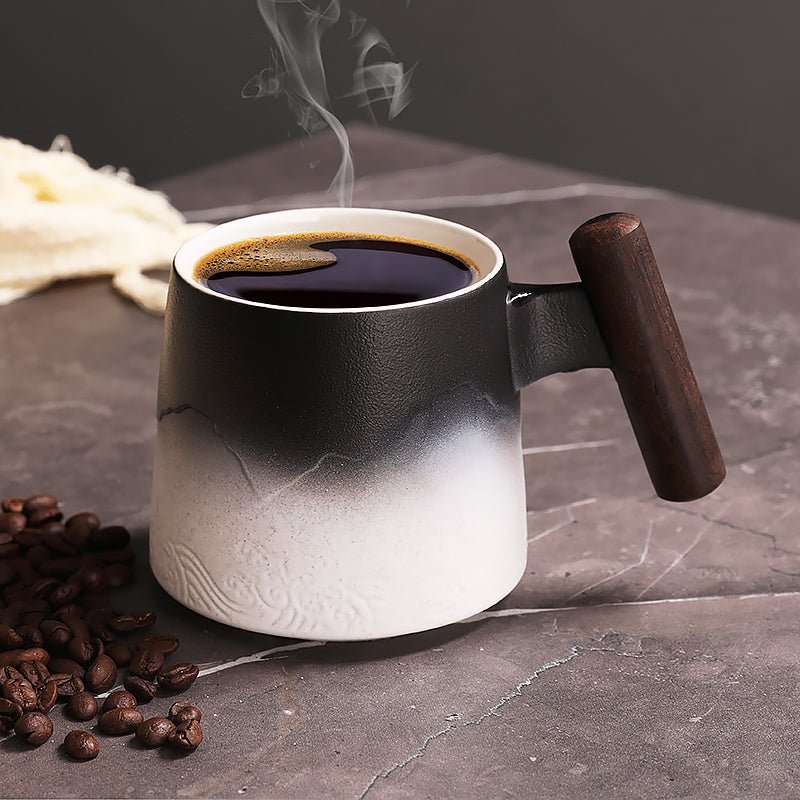
Ceramic Mugs for Tea: What to Buy for Daily Brewing
Ceramic mugs for tea come down to size, shape, finish, and care more than looks. We break down what matters in daily use and which styles fit different tea routines.
Czytaj dalej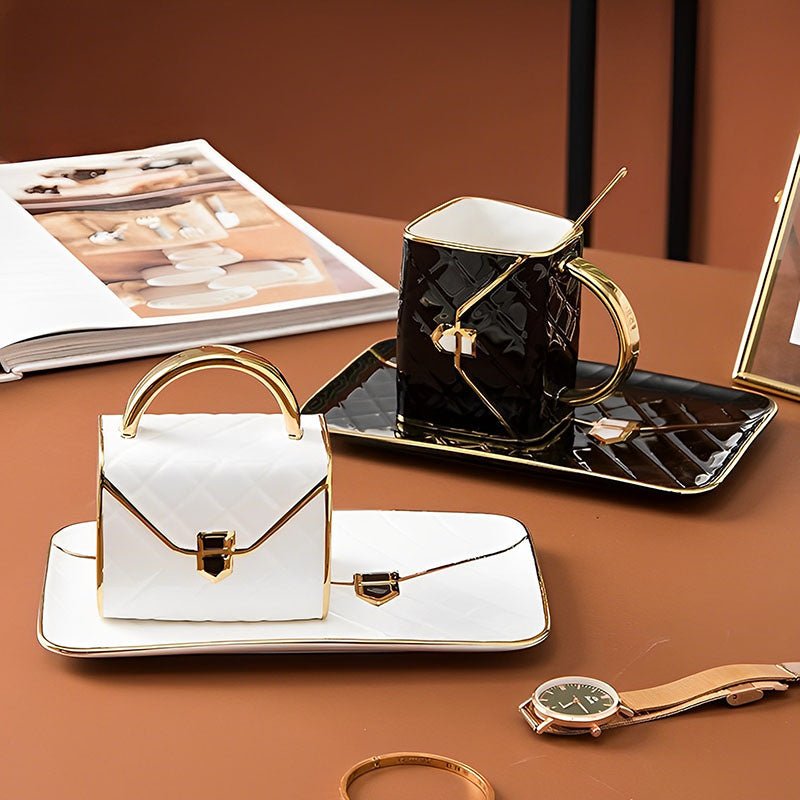
Father's Day Coffee Mug Gift Guide for Outdoor Dads
A practical Father's Day mug guide for dads who camp, fish, hike, and drink coffee outside before sunrise. We cover mug styles, materials, gift fit, and what to avoid.
Czytaj dalej
Zostaw komentarz
Ta strona jest chroniona przez hCaptcha i obowiązują na niej Polityka prywatności i Warunki korzystania z usługi serwisu hCaptcha.