

Lead Free Coffee Mugs: What to Check Before You Buy
Reading time: about 8 minutes
A mug passes its real test the first week: it sits on a bright kitchen counter, gets filled before work, then goes through the dishwasher with the rest of the day’s dishes. That is the setting we care about when we talk about lead free coffee mugs at CoffeifyMug. If you want to start comparing styles now, take a look at the Gradient Coffee Tea Mug, the Retro Coffee Tea Cup, the Ball Handled Coffee Tea Mug, or browse our full mug collection.
We do not treat a safe mug as a style label. We treat it as a combination of material, glaze, build quality, and honest product details. If a mug is going to live on an office desk, get boxed as a gift, or rotate through a sink full of breakfast dishes, those details matter more than a polished product photo.
What does lead free mean in a coffee mug?
In practice, lead free means the mug is not relying on lead-based materials or glazes in the parts that contact your drink. For buyers, the useful question is not just what the mug looks like. It is whether the maker gives enough detail about the ceramic body, glaze, and care instructions to make a normal daily-use purchase with confidence.
That is why we recommend checking product pages the same way we do in our store. A plain white interior, a colorful exterior, or a hand-finished look can all be perfectly fine, but the construction should be clear. If the listing is vague about material or care, treat that as a signal to slow down, not a reason to guess.
If you want a deeper pre-purchase checklist, our guide Lead Free Coffee Mugs: What Buyers Should Check Before Ordering covers the basics we look for before we stock a mug for everyday use.
A clean underside tells you more than a pretty glaze. We look at the base, the foot ring, and the handle join before we trust a mug for daily use.
Which mug shape fits your routine best?
Lead free coffee mugs are not all the same in hand. A mug that feels right for a slow breakfast at home may feel awkward at a work desk or too bulky for tea. Shape changes the whole experience, especially with handle comfort, lip thickness, and how much steam escapes as you drink.
| Buyer need | What usually fits best | Why it matters |
|---|---|---|
| Daily coffee at home | Mid-size mug with a comfortable handle | Easy to hold, easy to clean, and less likely to feel oversized on a counter or tray |
| Tea, lighter coffee, or smaller servings | Compact cup shape | Keeps the drink feeling balanced instead of swimming in an oversized vessel |
| Desk use or longer sips | Wider body and stable base | Helps reduce tipping on crowded desks and makes reheating less awkward |
If you are torn between smaller and larger everyday formats, our size guides can help. We explain the practical differences in 12 oz Coffee Mugs: What to Check Before You Buy and 16 oz Coffee Mugs: How to Choose the Right Mug for Daily Use. That comparison matters because a mug that looks good online can still feel wrong if the handle opening is tight or the body is too tall for your machine shelf.
What should you inspect before adding one to cart?
We check mugs the way a buyer actually uses them: on the counter, under a faucet, and in the dishwasher. The goal is not perfection. The goal is to avoid the most common annoyances that turn into returns.
- Rim finish: Run your eye around the lip. A smooth, even rim makes a bigger difference than many shoppers expect, especially for people who drink coffee hot and fast.
- Foot ring: Look at the underside. A rough or uneven base can scratch counters and make a mug wobble on a flat table.
- Handle clearance: Make sure two or three fingers can fit comfortably. A handle that looks stylish but pinches the middle finger is not a daily-use mug.
- Glaze consistency: Minor variations can be normal in handmade-style ceramics, but pooled glaze, pinholes, or visible crazing are worth a closer look.
- Dishwasher and microwave notes: If a mug is going through repeated dishwasher cycles, the care notes should be clear. If it has metallic decoration or a special finish, assume it may need more careful handling until the product page says otherwise.
- Packaging for gifts: A mug can be safe and still arrive chipped if the packaging is weak. That matters a lot for office gifts and housewarming orders.
Those are the details we would want on our own kitchen shelves. They are also the details customers notice after the first week, not just on the day the box arrives.
Which styles in our store make sense for different buyers?
Different shoppers want different things from lead free coffee mugs. Some want a clean shape that blends into any kitchen. Others want a more recognizable profile for gifting. Others just want a mug that feels stable during a morning rush.
The Gradient Coffee Tea Mug is a good fit if you want a mug that reads modern without looking fragile. The Retro Coffee Tea Cup suits buyers who prefer a more classic profile and a less bulky feel on a small table or tray. The Ball Handled Coffee Tea Mug makes sense for shoppers who care about grip and want a handle that stands out visually in a gift box.
- Choose the Gradient style if you want something clean enough for daily use but still distinctive on a shelf.
- Choose the Retro cup if you prefer a smaller visual footprint and a traditional coffeehouse feel.
- Choose the Ball Handled mug if grip comfort and gift appeal matter as much as the mug itself.
For shoppers comparing more than one size and shape, our collection page keeps the options in one place: all coffee mugs. That is often the fastest way to compare styles without jumping between tabs.
What are the real trade-offs with lead free mugs?
A lead free mug is not automatically the best mug for every situation. The safest choice for the cup itself can still be the wrong choice for your routine if the shape, capacity, or finish does not fit how you drink coffee.
Here is where shoppers usually run into trade-offs:
- Hand-feel versus capacity: A larger mug can be useful for long mornings, but it may feel heavy once filled, especially if you move around the house while drinking.
- Decorative finish versus durability: Bold glazes and textured surfaces look good, but they can show utensil marks or water spotting faster than simpler finishes.
- Gift appeal versus everyday stackability: A mug that looks special in a box may not stack neatly in a crowded cupboard.
- Microwave convenience versus special decoration: If a mug includes metallic accents or delicate decorative detail, do not assume microwave use until the product page clearly says so.
What lead free coffee mugs are not good for is just as useful to know. They are not a substitute for an insulated travel tumbler if you need heat retention on the commute. They are not the right answer if you want a jumbo desk mug that stays hot for hours without reheating. And they are not ideal if you need something feather-light for backpacking.
That is not a flaw. It is a category boundary. A well-made ceramic mug should be comfortable, stable, and easy to live with at home or at the office, not pretend to do every job.
How do we inspect mugs in real use?
In our experience, a mug tells the truth after it has been used a few times. The first fill shows the shape. The third wash shows the finish. The first time it sits on a desk next to a laptop or notebook, you notice whether the base is balanced and whether the handle clearance feels natural.
We look for a few practical signs when evaluating lead free coffee mugs for our store:
- Does the mug sit flat without rocking on a clean counter?
- Does the interior glaze wipe out cleanly after coffee or tea?
- Do the handle and body feel balanced when the mug is full?
- Does the mug feel right after a dishwasher cycle, not just out of the box?
Those checks sound simple because they are. That is the point. A mug used every morning should not require special handling unless the design makes that trade-off obvious.
Frequently asked questions
How can I tell if a coffee mug is actually lead free?
Start with the product page and check for specific material and care details, not just a marketing phrase. We also look at how transparent the seller is about glaze, finish, and dishwasher or microwave use. If the description is vague, ask for more information before you buy.
Are ceramic mugs usually better than glass or metal for everyday coffee?
For many buyers, ceramic is the most comfortable everyday choice because it feels familiar in the hand and does not taste like anything. Glass can be good if you like seeing the drink, and metal is better for insulation, but neither behaves exactly like a ceramic mug on a kitchen counter.
Can lead free coffee mugs go in the dishwasher?
Many can, but you should follow the care notes for the specific mug. Repeated dishwasher cycles can expose rough glaze edges, weak decoration, or a poor foot ring faster than hand washing, so the care instructions matter more than the category name.
What size lead free coffee mug should I buy for daily use?
Most buyers choose based on how much they actually drink before refilling. If you usually finish a smaller cup and want something balanced, a compact format makes sense. If you prefer longer sipping sessions at a desk, a larger mug can be better, but only if the handle and weight still feel comfortable.
Are lead free coffee mugs good as gifts?
Yes, if the shape is versatile and the packaging is sturdy enough to survive shipping. A mug with a clean profile and clear care instructions is easier to gift because the recipient can use it right away without guessing about maintenance.
If you want the shortest path from research to purchase, compare the mug shape you like against your daily routine, then start with our full collection. If size is the deciding factor, read the 12 oz and 16 oz guides first, then choose the mug that fits your counter, your hand, and the way you actually drink coffee.
Read more
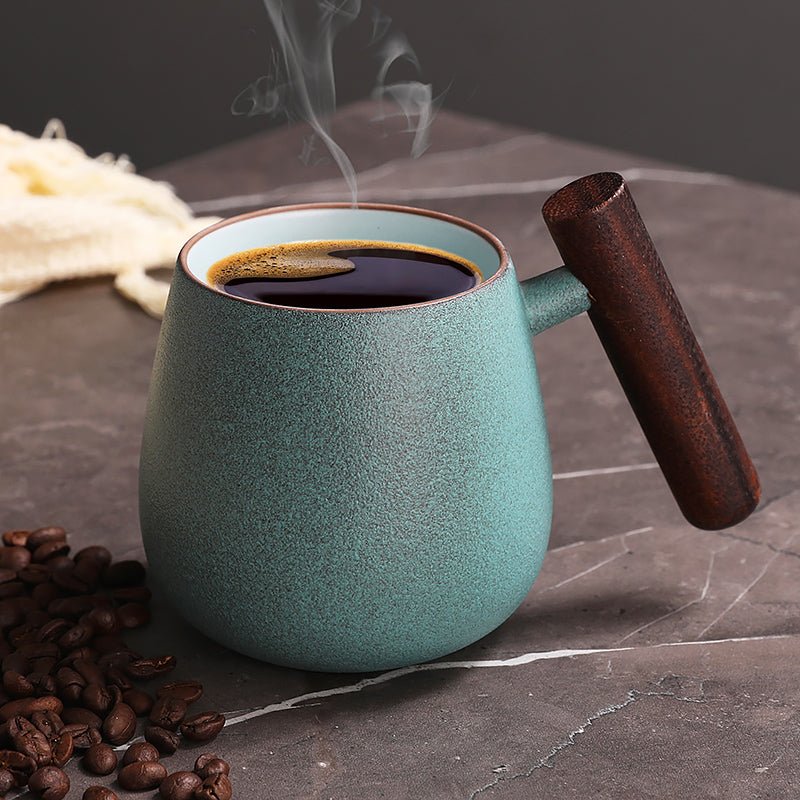
Military Coffee Mugs: What Buyers Should Check Before Ordering
A practical guide to military coffee mugs with size guidance, durability checks, and gift-friendly picks based on how these mugs actually get used.
Czytaj dalej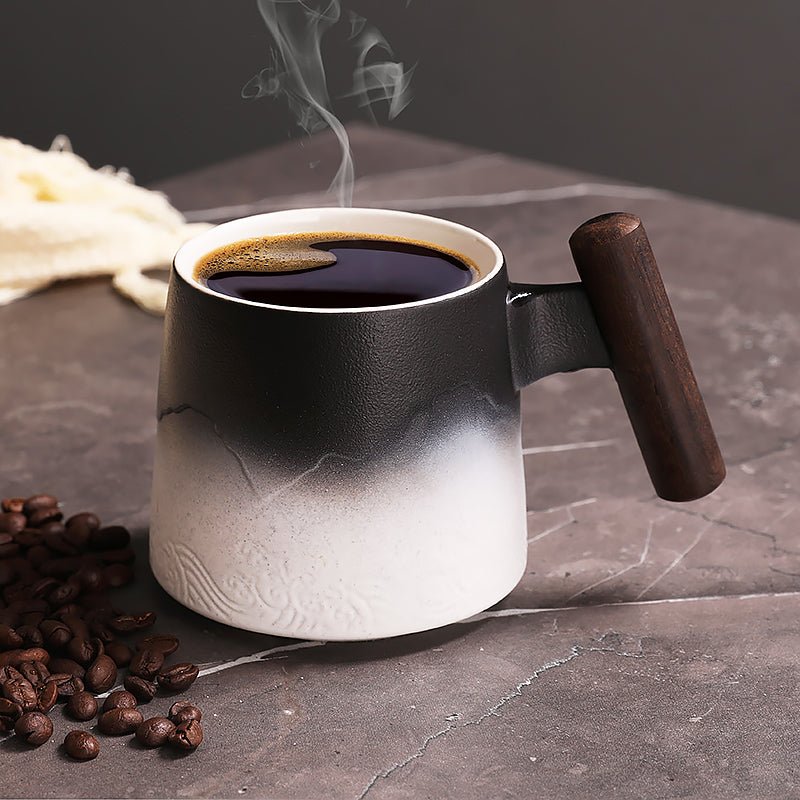
Death Coffee Mug Buying Guide: What to Check Before You Buy
A death coffee mug should feel balanced in hand, fit the drink you actually make, and hold up to real daily use. We break down the size, material, and care checks that matter before you buy.
Czytaj dalej
Zostaw komentarz
Ta strona jest chroniona przez hCaptcha i obowiązują na niej Polityka prywatności i Warunki korzystania z usługi serwisu hCaptcha.