
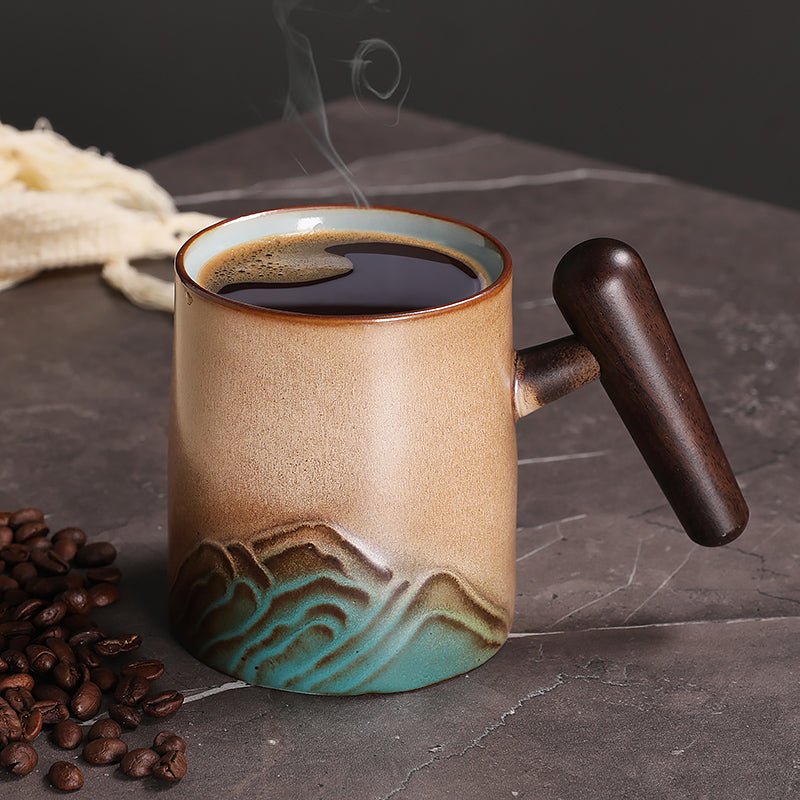
Large Mug of Coffee Buying Guide for Daily Use
Reading time: about 9 minutes
We see the same problem over and over: the coffee is fine, but the mug is wrong. It feels too small after two hours at a desk, too heavy when full, or too wide to fit under the cabinet shelf where you keep your everyday dishes. A large mug of coffee solves part of that problem, but only if the shape, weight, and finish match the way you actually use it.
That is how we approach this category in our store. We handle mugs for daily use, gifting, and office setups, so we pay attention to the details buyers notice after the first week, not just the first photo. If you want a broader comparison while you shop, our Large Coffee Mug Buying Guide for Daily Use and Gifting covers the same decision from another angle.
How big should a large mug of coffee be?
A large mug of coffee usually starts around 14 ounces and can run into the 18 to 20 ounce range, with some extra-large styles going beyond that. The number on the spec sheet matters, but the real test is how the mug feels when it is full, because a tall mug with a narrow base can feel more awkward than a shorter mug with the same capacity.
For daily use, we usually think about size in three practical buckets:
- 14 to 16 oz: a comfortable jump from a standard mug without becoming bulky.
- 18 to 20 oz: useful for long mornings, bigger pours, or people who do not want to refill as often.
- 20 oz and up: best for buyers who really want an oversized cup and do not mind more weight, more surface area, and more shelf space.
Size also changes how the coffee drinks. A wider opening cools coffee faster. A taller body keeps heat a little longer. That is why a mug can look large on a product page and still feel wrong in the hand. Our advice is simple: check the capacity, but also think about rim width, base stability, and whether the mug will clear the shelf under your cabinets.
If you want a more detailed walk-through of those sizing trade-offs, our article Big Coffee Cups: What to Check Before You Buy a Large Mug is a useful companion read.
Which material works best for daily use?
For a large mug of coffee, material affects heat retention, weight, cleanup, and how the mug ages. We usually narrow it down to three common choices: ceramic, stoneware, and porcelain. Each one has a clear upside, and each one has a drawback.
| Material | What it does well | What to watch for |
|---|---|---|
| Ceramic | Good everyday balance, usually easy to clean, and often lighter than stoneware. | Can chip if it takes a hard hit on a sink, counter edge, or dishwasher rack. |
| Stoneware | Feels solid, holds heat well, and suits a slower coffee pace at home or at a desk. | Usually heavier, which matters if the mug is oversized or filled to the brim. |
| Porcelain | Often looks cleaner and feels refined, with a smoother drinking surface. | Can feel thinner at the rim, and some buyers prefer a thicker wall for a larger mug. |
In our experience, the common failure points are not dramatic. They are small things that become annoying over time: hairline cracks where the handle meets the body, glaze crazing after repeated heat swings, a base that rocks on a flat counter, or a rim that feels too thick and interrupts the sip. If you are buying a mug for someone who uses the dishwasher every day, check whether the finish is likely to stay clean after regular cycles. If the mug has metallic accents, it usually is not the right choice for the microwave.
That is why our Big Mug Coffee: How to Choose the Right Large Mug for Daily Use guide focuses on the boring details. Those are the details that decide whether the mug gets used every morning or left in the back of the cabinet.
What details should you check before buying?
A large mug looks simple, but the right one usually gets the basics right in a few precise ways. Before you buy, check these points.
- Handle comfort: Your fingers should fit without scraping the mug body. If the handle feels tight empty, it will feel worse when the mug is hot.
- Base stability: The mug should sit flat on a table or desk. A slight wobble is often a sign of poor finishing at the foot ring.
- Wall thickness: Thicker walls hold heat longer but also add weight. Thin walls feel lighter but can cool faster.
- Rim shape: A smooth, even rim makes daily drinking easier. A thick or uneven rim is one of the first things buyers notice after the first week.
- Care routine: If the mug is meant for everyday use, dishwasher-safe is a real advantage. For hand-wash-only mugs, decide whether the design is worth the extra maintenance.
- Storage fit: Check cabinet height, mug tree clearance, and whether the mug will fit under the coffee machine you already use.
Those checks sound minor, but they are exactly what separates a nice-looking mug from a daily-use mug. We have seen shoppers fall for an oversized shape and then realize the handle knocks against the cabinet door, or the mug is too tall for the shelf under a microwave. That is not a design flaw in every case. Sometimes it just means the mug is better for a kitchen counter than for a cramped office kitchenette.
A large mug of coffee should reduce friction in your morning routine, not add it.
Where does a large mug work best, and where does it fall short?
A large mug of coffee is a strong choice for home use, desk work, and relaxed weekend drinking. It is less ideal for situations where space, weight, or portability matter more than capacity.
Here is the practical split we use when helping customers choose:
- Best for home mornings: If you drink slowly, a larger mug means fewer refills and less interruption.
- Best for office desks: A bigger mug can keep you from getting up every 15 minutes, but it should still fit around a keyboard, notebook, and mouse.
- Best for gifting: It works well when you know the person likes bigger pours, tea, cocoa, or long coffee breaks.
- Not ideal for commuting: If you need a cup that seals, fits a car holder, or travels well, a travel mug is the better category.
- Not ideal for tiny shelves: Some oversized mugs simply do not fit into cramped cabinets or under low appliance shelves.
That trade-off matters. A large mug of coffee is not automatically better than a standard mug. If the person wants a lighter cup, has small hands, or keeps their mugs in a tight kitchen setup, a more moderate size may be the better buy. We say that plainly because the right mug is the one that gets used every day, not the one that sounds biggest on paper.
If you are comparing a slightly bigger cup versus an extra-large one, our Extra Large Coffee Mug Buying Guide for Daily Use is helpful for sorting out where the line actually starts to feel excessive.
How do you choose between large and extra-large?
Most buyers do not need the biggest mug available. They need the mug that matches how much they pour and how long they like to sit with it. The difference between large and extra-large is not just capacity. It changes the feel in the hand, the amount of heat lost to the air, and how awkward the mug can become when it is full.
We use this simple rule when comparing options:
- Choose large if you want one comfortable serving without the bulk of an oversized cup.
- Choose extra-large if you regularly want a very full pour and do not mind a heavier mug.
- Choose standard size if you value light weight, easy cabinet storage, or a tighter grip.
For people who work at a desk, large is often the sweet spot. It gives you room for more coffee without turning the mug into something clumsy. For people who love a long, slow weekend cup, extra-large can make sense, but only if the handle, base, and wall thickness are well balanced. A giant mug with a weak handle is not a good daily purchase. It is just a bigger frustration.
What do we look for before we recommend one?
Our store focuses on pieces that feel dependable in real use. That means we look past the surface photo and ask the same questions buyers ask after unboxing: Does it sit level on the counter? Does the glaze look even? Does the handle feel secure when the mug is full? Does the finish still look clean after repeated washing?
We also pay attention to the small signs of quality that matter after a few weeks of use, such as:
- A handle that is attached cleanly, without a rough seam.
- A rim that is even enough to drink from comfortably.
- A base that does not scratch the table or rock on a flat surface.
- A finish that looks good after dishwasher cycles, not just on day one.
If you want to see the current range we carry, start with our collection or browse our products page. That is the quickest way to compare styles side by side and choose the mug that fits your routine instead of forcing your routine to fit the mug.
Frequently asked questions
What size is a large mug of coffee?
Most shoppers consider 14 to 20 ounces to be a large mug of coffee, depending on how the mug is shaped and how much coffee they pour. A taller mug can feel different from a wide mug even at the same capacity. If you drink slowly, focus on heat retention and handle comfort as much as volume.
Is a large mug of coffee better than a standard mug?
Not always. A large mug is better if you want fewer refills, a longer drinking session, or a cup that works well at a desk. A standard mug is better if you want something lighter, easier to store, or more comfortable for smaller hands.
Can I put a large ceramic mug in the dishwasher and microwave?
Many ceramic mugs can handle both, but you should always check the product details first. Mugs with metallic decoration should not go in the microwave, and some decorated finishes hold up better on the top rack than on the bottom rack. Repeated hot-and-cold swings can also stress a mug over time.
What should I avoid when buying a large mug of coffee?
Avoid mugs with a handle that feels cramped, a base that rocks, or a rim that is uneven. We also suggest avoiding oversized mugs if you know the person has limited cabinet space or wants a lighter everyday cup. A huge mug is not useful if it becomes the one you stop reaching for.
Is an extra-large mug too big for daily use?
It can be. Extra-large mugs make sense for long home sessions and very full pours, but they are not the best choice for every buyer. If you are unsure, start with a large mug first and only move up if you know you want the extra volume and weight.
If you are ready to compare options, use the checklist above, then open the collection and choose the mug that fits your counter, your hand, and your normal pour size. That is the shortest path to a purchase you will still like after the first week.
More from our blog
Read more
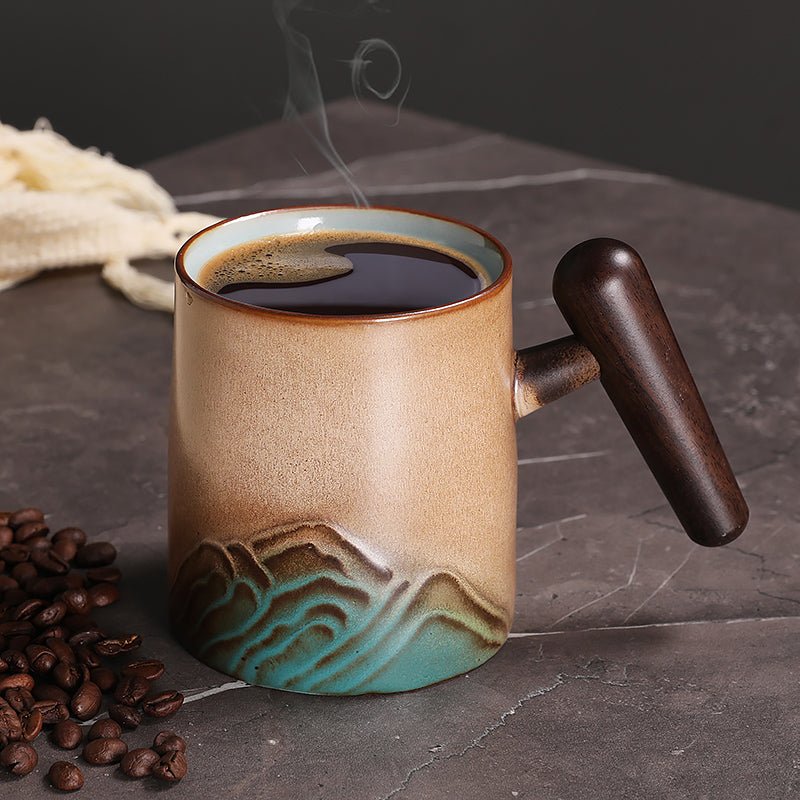
Large Coffe Mugs: How to Choose the Right Size, Shape, and Material
A practical guide to large coffe mugs that covers real-world size, shape, material, and care trade-offs. Use it to narrow down a mug that works on your counter, desk, and dishwasher.
Czytaj dalej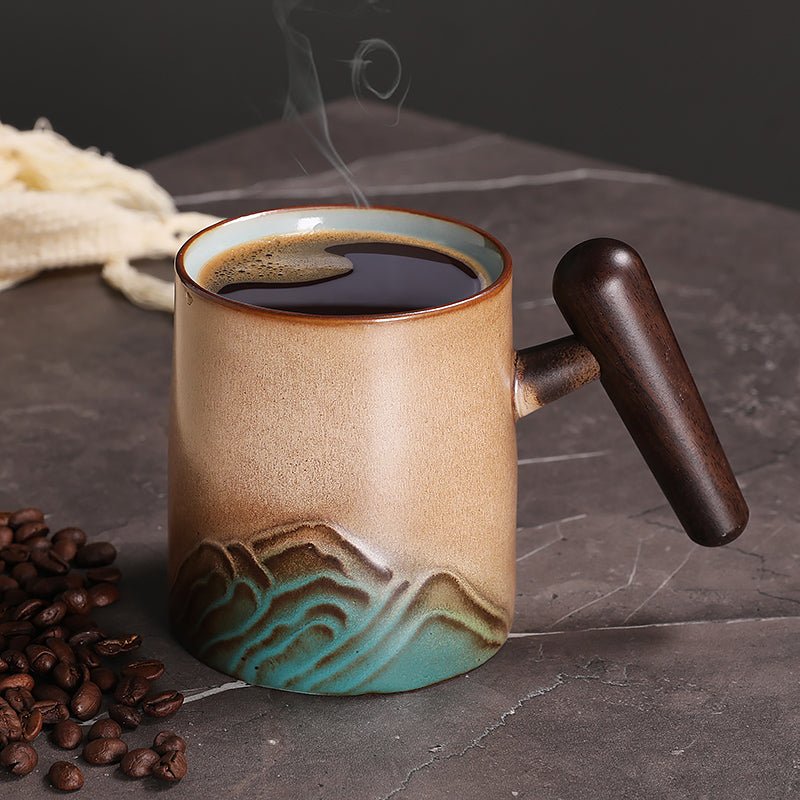
Large Coffee Cups: How to Choose One That Fits Daily Use
Large coffee cups sound simple until the handle pinches, the mug feels top-heavy, or it no longer fits under your brewer. We break down the sizes, materials, and details that matter in real daily use.
Czytaj dalej
Zostaw komentarz
Ta strona jest chroniona przez hCaptcha i obowiązują na niej Polityka prywatności i Warunki korzystania z usługi serwisu hCaptcha.