
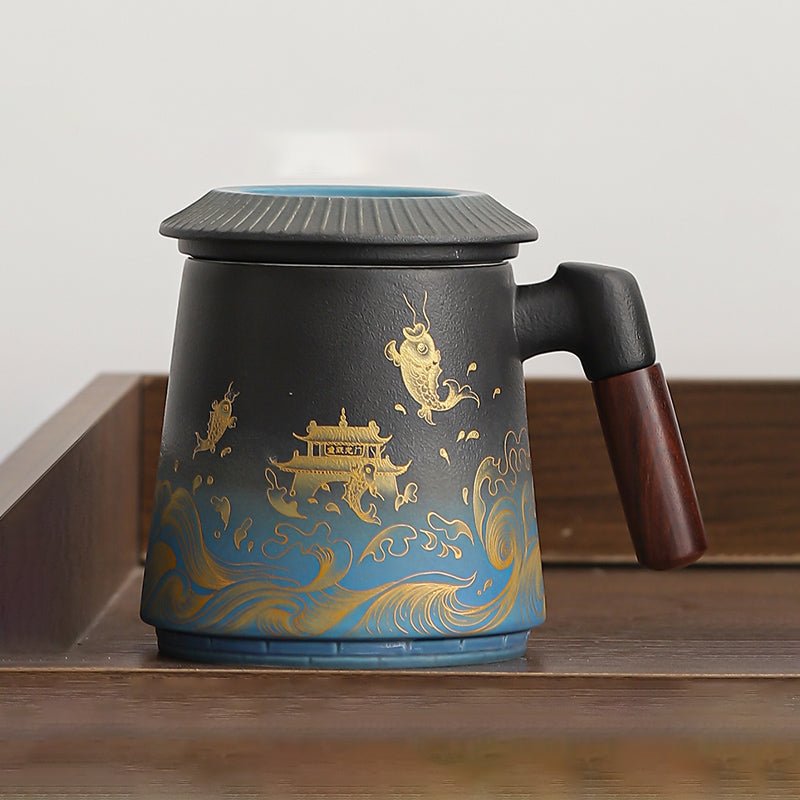
Japanese Coffee Mug Buying Guide: What to Check Before You Buy
Reading time: about 8 minutes
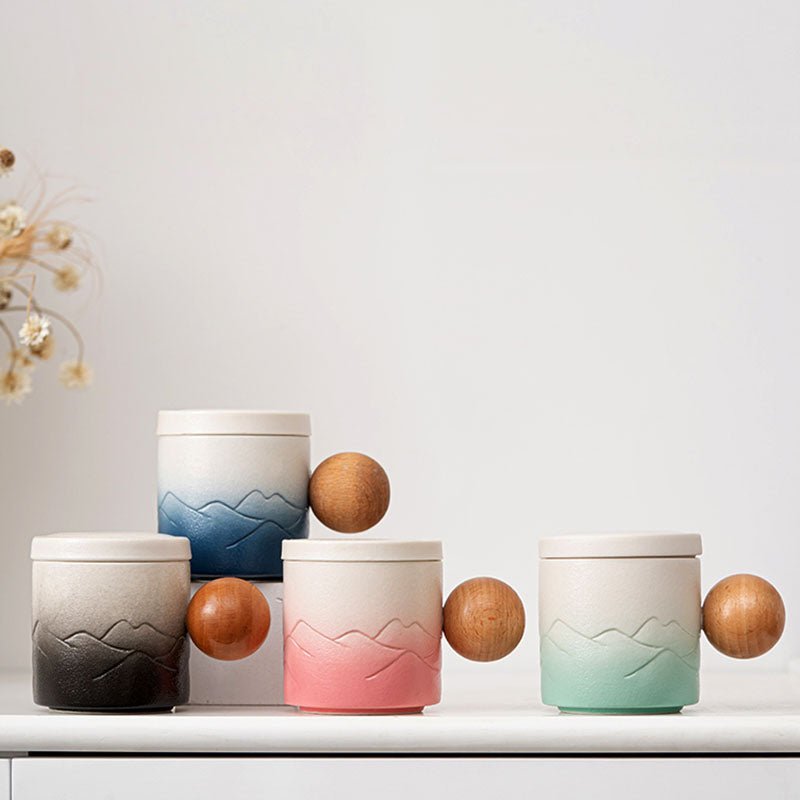
A mug can look perfect on a product page and still fail on the first Monday morning if the handle feels cramped, the rim is too thick, or the cup holds less than your usual pour. That is the gap we try to close in our store: a japanese coffee mug should work at the kitchen counter, on an office desk, and in a gift box without surprises. If you want to see the styles we currently carry, start with our Mountain Coffee Tea Mug and browse the rest of the line in our collection.
What should a Japanese coffee mug feel like in daily use?
We judge this category by how it behaves in real life, not by how it photographs. A good Japanese coffee mug should feel balanced when it is full, rest securely on a counter, and give you enough room to sip without burning your lip on an oversized rim. In our experience, the best ones are the mugs that disappear into the routine: they do their job, they clean easily, and they do not demand special handling every time you use them.
Look for these details before you buy:
- Handle clearance: enough room for two fingers, or three if you like a looser grip.
- Rim comfort: a lip that is smooth and even, not sharp or overly thick.
- Base stability: a flat foot ring that sits level and does not wobble on a hard counter.
- Weight balance: light enough for daily use, but not so light that it feels fragile in the hand.
If you are buying for straight drip coffee, tea, or an americano, that balance matters more than decorative detail. If you want a mug for oversized milk drinks, a more compact Japanese-style cup may feel too restrained, and a larger shape may suit you better.
How do size and capacity change the way the mug drinks?
Size is where many buyers make the wrong call. A mug that looks small online can actually be ideal for a controlled pour and a warm, concentrated drink. A mug that looks generous can be awkward on a desk, harder to store, and heavier than you want at 7 a.m. If you want a deeper breakdown of fit and proportions, our article on Japanese Coffee Mug: Size, Material, and What to Check Before You Buy covers the basics in more detail.
Here is the practical way we think about capacity:
| Size band | Best use | Main trade-off |
|---|---|---|
| Compact mugs | Espresso drinks, small drip pours, tea, and slower sipping | Less room for milk or extra volume |
| Daily-use mugs | Most coffee drinkers, desk use, and all-around home use | Can feel a little larger than a traditional tea cup |
| Larger mugs | Long office sessions, bigger pours, and people who refill less often | Bulkier handle and more weight when full |
If you cross-shop standard mug sizes, our guides to 11 oz Coffee Mug: Size, Fit, and What to Check Before You Buy and 12 Ounce Coffee Mug Buying Guide for Daily Use and Better Fit can help you compare what feels right before you commit.
Which material and finish should you choose?
Most Japanese coffee mug buyers end up choosing between ceramic, stoneware, and porcelain-style finishes. Each one has a slightly different feel. Ceramic and stoneware usually feel more grounded in the hand, with a bit more visual texture, while porcelain tends to read smoother and lighter. None of those is automatically better. The right choice depends on how you use the mug and how much care you want to give it.
Here is what we look for when we inspect finish and build quality:
- Glaze coverage: the interior should look even, without rough patches where coffee oils can collect.
- Foot ring finish: the underside should not have sharp ceramic edges that scratch tables or catch on shelving.
- Glaze behavior: glossy finishes tend to show reflections and minor speckling differently than matte finishes.
- Common defect modes: pinholes, crawling, small glaze runs, and fine crazing lines are the things we check for first.
There are trade-offs. A matte mug can look beautiful, but it may show tea or coffee residue sooner if it is not washed promptly. A glossy mug can be easier to wipe clean, but it may also show spoon marks or surface variation more clearly. And if you need insulation or spill protection, this category is not the right one; a travel mug or insulated cup is the better tool for commuting and unstable desks.
Which style fits your kitchen or gift better?
Design matters more than people expect. A mug that looks good on an open shelf gets used more often than a mug buried in the back of a cupboard. If you are buying for yourself, think about the rest of your kitchen: warm wood, white tile, stainless appliances, or a darker coffee station. If you are buying for a gift, think about the unboxing moment and whether the mug feels like a display piece or an everyday workhorse.
We currently stock three styles that solve different problems:
- The Mountain Coffee Tea Mug is the safest everyday pick if you want a calm, grounded look that does not fight the rest of the kitchen.
- The Great Mountain Coffee Tea Mug makes a stronger visual statement, which works well when you want the mug to feel like a centerpiece rather than a background item.
- The Emerald Coffee Tea Mug is the best choice if you want a color-forward mug that stands out on a desk, shelf, or gift table.
If you want to compare all current shapes in one place, our all collection is the fastest way to narrow the field.
What do we check before a mug leaves the shelf?
Our team looks at the things buyers notice only after they open the box. We check for a level base, a smooth handle edge, and glaze consistency on the inside and outside of the cup. We also look for the small issues that make a mug feel cheap even when the overall design is good: a rough foot ring, a handle that feels slightly off-center, or a glaze drip that leaves a sharp point where your fingers naturally rest.
In our experience, the most common questions are not about style. They are about trust. Will the mug sit flat? Will the handle stay comfortable when the mug is full? Will the finish make sense after a few dishwasher cycles? Those are fair questions, and they are exactly why we pay attention to the underside and the first wash, not just the front view.
We also separate acceptable character from actual defects. Small glaze variation can be part of the appeal in a handcrafted-looking mug. A wobble on a flat counter is not. Fine speckling can be normal. A sharp, unfinished edge is not. That distinction matters when you are paying for something you plan to use every day.
How should you care for a Japanese coffee mug?
Care is usually simple, but the details matter. If you want a mug to last, do not treat it like a stainless travel tumbler. Ceramic and stoneware mugs are strong for countertop use, but they can chip if they bang against sinks, other mugs, or a crowded dishwasher rack.
- Rinse the mug after coffee or tea so oils do not sit on the glaze for hours.
- Use a soft sponge for routine cleaning, especially on matte or textured finishes.
- Avoid sudden temperature swings, such as moving from a hot dishwasher straight into cold water.
- Stack carefully, or do not stack at all, if the foot ring or rim has a more handmade finish.
- Check the product page for care guidance before using the mug in a microwave or dishwasher.
If you are comparing sizes for gifting or office use, the practical differences in fit matter as much as the look. Our other size guides, including 10 oz Coffee Mug: Size, Fit, and What to Check Before You Buy, are useful if you want to match a mug to a very specific pour.
Frequently asked questions
What size Japanese coffee mug is best for daily coffee?
For most people, a mid-sized mug is the easiest daily choice because it fits drip coffee, tea, and smaller milk drinks without feeling cramped. If you usually top off your cup once and move on, a compact shape works well. If you pour larger cups or drink slowly at a desk, choose a fuller capacity.
Are Japanese coffee mugs dishwasher safe?
Some are, but you should check the product page for the specific mug before assuming it is safe for the dishwasher or microwave. Even when a mug is rated for machine washing, a top-rack cycle is usually easier on the glaze and handle. Hand washing is the gentlest option if you want to keep the finish looking fresh.
Is a Japanese coffee mug good for espresso or latte drinks?
It depends on the size and opening. Smaller mugs are good for espresso-based drinks and tighter pours, while wider, larger mugs suit lattes better. If you regularly make milk-heavy drinks, choose a shape with enough interior room so the drink does not feel crowded.
What should I check before buying a Japanese coffee mug online?
Check the capacity, handle shape, material, finish, and care notes. Look closely at the product photos for the rim, the foot ring, and the inside glaze, because those details affect daily use more than the artwork does. If the mug will be a gift, also think about how it looks when unboxed and whether it matches the recipient’s kitchen style.
What is a Japanese coffee mug not best for?
It is not the best choice for commuting, bag carry, or spill-prone desks. If you need insulation, a lid, or travel protection, choose a travel mug instead. A Japanese coffee mug is strongest when the drink stays at the counter, the desk, or the table.
If you are choosing between a compact daily cup and a more decorative mug, compare size, handle clearance, and finish first, then browse our full collection to pick the one that matches how you actually drink coffee.
Read more
Interesting Coffee Mugs That Stand Out Without Sacrificing Daily Use
A practical guide to interesting coffee mugs that still work on a real kitchen counter, office desk, or gift shelf. See which designs fit your routine, what to check before buying, and where our fa...
Czytaj dalej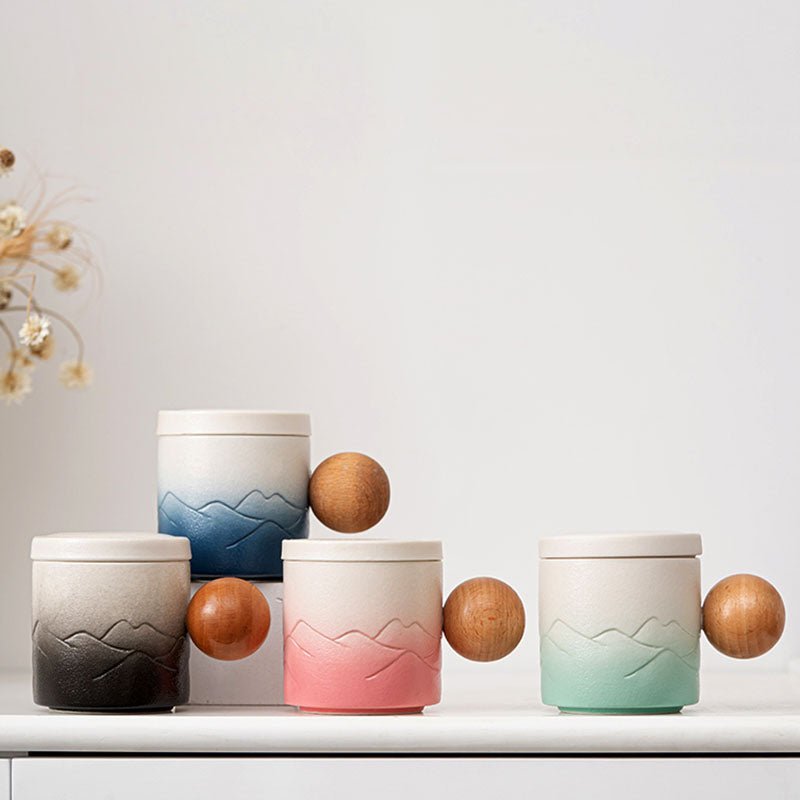
Japanese Coffee Mug: How to Choose the Right One for Daily Use
A practical buying guide for shoppers comparing a Japanese coffee mug for daily use, gifting, or display. We cover size, feel, care, and the trade-offs that matter before you buy.
Czytaj dalej
Zostaw komentarz
Ta strona jest chroniona przez hCaptcha i obowiązują na niej Polityka prywatności i Warunki korzystania z usługi serwisu hCaptcha.