
Interesting Coffee Cups: How to Pick Designs You’ll Actually Use
Reading time: about 9 minutes
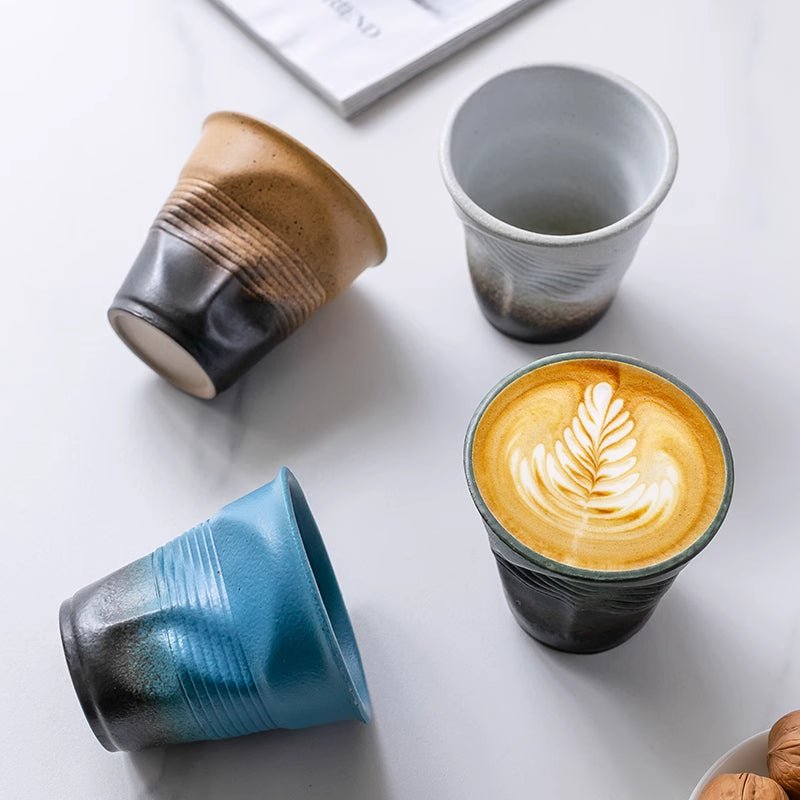
A mug can be plain and still work. But the cups people keep reaching for are usually the ones with one clear detail that makes them feel different in the hand, on a desk, or at the breakfast table. That is the real job of interesting coffee cups: they should stand out without becoming awkward to drink from.
In our store, we see shoppers split into two groups. One group wants a cup that looks good enough for a gift shelf. The other wants something that can survive the daily coffee routine without feeling fragile or fussy. The best choices sit in the middle. They have a strong visual point of view, but they still pour well, hold comfortably, and fit real kitchen habits.
If you want to browse the full range first, start with our collection of coffee mugs. If you already know you want something with a stronger visual identity, the three mugs below are good examples of what makes interesting coffee cups worth buying.
What makes a coffee cup interesting instead of just unusual?
An interesting cup usually has one or more of these qualities: a distinctive silhouette, a surface detail that changes how it catches light, a theme that feels personal, or a size that changes the drinking experience. A cup does not need to be loud to be memorable. A subtle texture or a tall profile can be enough.
What we look for in this category is balance. A cup can be decorative, but if the handle is cramped or the rim feels too thick, it stops being useful. A cup can be simple, but if the glaze, print placement, or shape gives it a little character, it often sells better and gets used more often.
These are the main buying cues we pay attention to in the store:
- Shape: Tall mugs feel more modern and usually take up less width on a crowded counter.
- Surface detail: Waves, mountain lines, metallic accents, or seasonal artwork give the cup its personality.
- Drinkability: The rim should feel comfortable, and the handle should leave enough room for adult fingers.
- Use case: A desk mug, gift mug, and home breakfast mug do not need the same design priorities.
If you have already read our broader guides on style and function, Beautiful Coffee Cups That Look Good and Work Every Day and Coffee Cups Cool: What Makes a Mug Worth Buying are useful next reads. They cover the same buying logic from a slightly wider angle.
Which interesting coffee cups work best for everyday use?
For daily use, the best interesting coffee cups are the ones that still behave like dependable mugs. A tall shape is often a good place to start. It tends to feel stable on a desk, keeps a drink visually contained, and gives the design more vertical space to show off a pattern or illustration.
Three examples from our store show how that works in practice:
- White Golden Waves Tall Coffee Tea Mug - a strong choice if you want a cleaner, more polished look. The visual appeal comes from the contrast between the white base and the gold wave detail, which reads well in both kitchen and office settings.
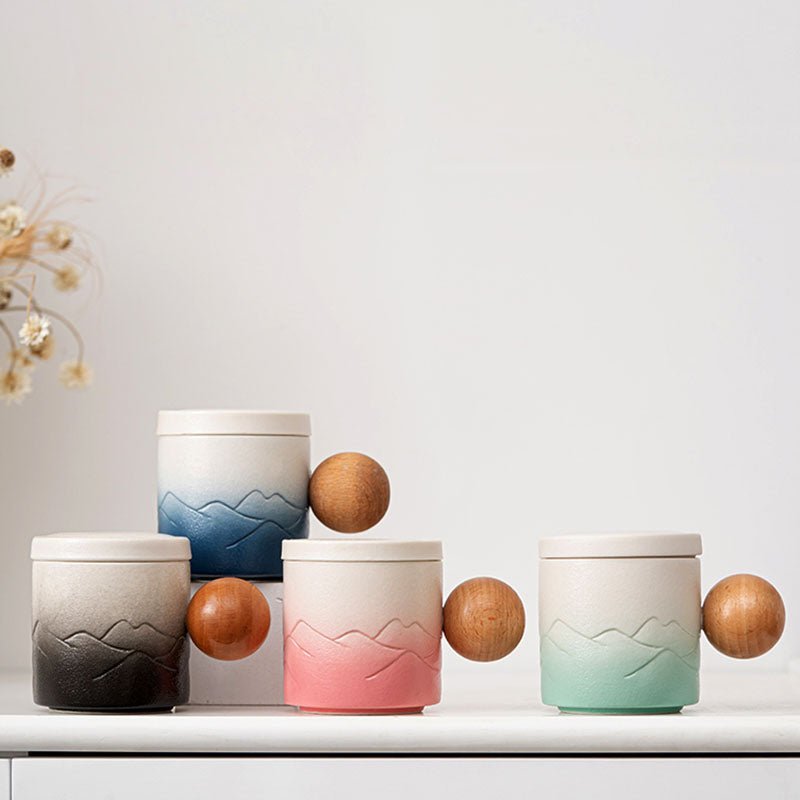
- Mountain Tall Coffee Tea Mug - a better fit if you like cups that feel a little quieter and more grounded. Nature-inspired designs often work well for people who do not want a novelty mug that gets old fast.
- Christmas Coffee Tea Mug - the obvious seasonal pick, but useful if you want a dedicated holiday cup for December breakfasts, office Secret Santa exchanges, or guest coffee service.
Daily-use mugs should still be practical. We care about enough handle clearance for a comfortable grip, a rim that does not feel awkward against the lip, and a shape that does not tip easily on a desk. The more decorative the mug, the more important those basics become.
What are the trade-offs with decorative mugs?
Decorative mugs usually trade a little utility for more character. A metallic accent, a heavily detailed print, or a very tall profile can make the mug more memorable, but it may also make it less versatile than a plain diner-style cup. Some designs are more sensitive to repeated washing, especially if the decoration sits close to the rim or handle.
That does not mean decorative cups are fragile by default. It means the buyer should think about use patterns. If the mug will rotate through dishwasher cycles every day, or if you prefer microwave reheating, a simpler finish is often the safer choice. If it is mainly for morning coffee, guest use, or gifting, design can carry more weight.
How do you choose a cup for gifting without guessing wrong?
Gift mugs work best when they feel personal but not too specific. A holiday design is easy to give in December. A mountain or wave motif is safer for year-round gifting because it is decorative without being tied to one event.
We usually tell shoppers to think about the recipient’s actual routine. Someone who drinks tea at their desk may prefer a tall mug with a smaller footprint. Someone who keeps a mug on a kitchen shelf may care more about how it looks with their dishes. Someone who already collects mugs may appreciate a design that adds variety instead of another basic white cup.
For buyers comparing beautiful, giftable options, our article on Beautiful Coffee Cups: What to Look for Before You Buy goes deeper into the details that make a mug feel worth giving.
Gift mugs also need to be honest about their limitations. A Christmas-themed mug is not the best pick for year-round minimalists. A highly stylized design may not match every kitchen. If the recipient prefers matching sets, a single standout mug can feel like a nice accent, but it should not be sold as a replacement for a full dinnerware set.
What details should you inspect before adding an interesting mug to cart?
Shoppers often focus on the picture first. That makes sense. Still, the photo should not be the only thing guiding the purchase. The real difference between a mug that looks clever online and one that feels right in your hand comes down to a few practical details.
| Detail | Why it matters | What to check |
|---|---|---|
| Shape | Changes comfort and shelf fit | Look for a profile that matches how you drink and where you store it |
| Handle space | Affects grip comfort | Make sure fingers will not press against the body of the mug |
| Decoration placement | Impacts longevity and visual balance | See whether the design wraps the mug, sits front-and-center, or is limited to one side |
| Rim and wall feel | Changes the drinking experience | Prefer a rim that feels clean rather than bulky or overly sharp |
We also pay attention to common defect modes in this category. Chips usually show up at the rim or base first. Printed designs can fade if the finish is not well chosen for regular washing. A mug that looks good in a staged photo can still disappoint if the handle is too tight or the cup feels unstable when full.
That is why a buyer should not judge a mug by style alone. A design has to survive the realities of the kitchen sink, the office microwave routine, and the cupboard where cups get stacked or bumped.
Which mug style should you pick for your space?
The right cup depends on where it lives. A mug for a home coffee bar is not the same as one for a shared office kitchen or a shelf meant for display.
- Kitchen counter use: Pick a mug that looks clean from a distance and holds up to repeated handling.
- Office desk use: Go for a stable, tall mug that does not occupy too much footprint beside a laptop and notebook.
- Gift shelf use: Choose a design with clear personality, since the visual first impression matters most here.
- Seasonal use: A holiday mug is best if you want a designated cup that changes with the calendar.
For larger-format shoppers, our guide on Big Coffee Cups: How to Choose the Right Large Mug for Daily Use is useful because size affects weight, grip, and how the cup feels when full. A tall mug can be appealing, but if you prefer a lighter hand feel or you drink smaller servings, a big mug may not be the right match.
That trade-off is worth saying plainly. Not every interesting cup is ideal for someone who wants the smallest possible sip, the easiest stackability, or the most minimalist look. A more distinctive mug should earn its place by being enjoyable to use, not just by looking good in a product photo.
Frequently asked questions
Are interesting coffee cups good for everyday use?
Yes, if the mug still has a comfortable handle, a stable base, and a rim that feels good to drink from. We would not recommend choosing a highly decorative mug if you need the most durable, no-fuss option for constant rough use. The best everyday pick balances style with ordinary kitchen practicality.
What size mug works best for coffee and tea?
It depends on how much you actually drink. A tall mug is useful for tea, drip coffee, and desk use because it has a narrow footprint and a more upright feel. If you prefer refills or smaller servings, a smaller cup may make more sense than a larger statement mug.
Are decorative mugs a bad choice for the microwave or dishwasher?
Not automatically, but decorative finishes can be more sensitive than plain mugs. If a mug has metallic accents or delicate printed detail, repeated washing and reheating may be a concern. Check the product care notes before assuming it will handle every appliance the same way a basic mug would.
What makes a mug feel giftable?
A giftable mug usually looks distinct without being hard to match with someone’s kitchen. Seasonal designs work well for holidays, while nature-inspired or elegant patterned mugs are easier to give year-round. A good gift mug also needs to feel useful, not just decorative.
How do I decide between a patterned mug and a simple one?
Choose patterned if you want the mug to be part of the room’s visual character. Choose simple if you care more about blending into an existing set or using the mug in multiple settings. If you are unsure, a restrained design like a wave, mountain, or tonal seasonal print is often the safest middle ground.
What should you buy next?
If you want interesting coffee cups that still make sense in a real kitchen, start by deciding where the mug will live: desk, breakfast table, gift shelf, or holiday rotation. Then compare shape, handle comfort, and whether the design is something you will still like after the first week.
From there, the simplest next step is to browse our full mug collection and compare the three styles above side by side. If you want a cleaner everyday look, start with the white gold wave mug. If you prefer a grounded, nature-inspired design, start with the mountain mug. If you are shopping for a seasonal gift or December use, the Christmas mug is the most direct fit.
If you want one more comparison point before choosing, read Christmas Coffee Cups for Gifts, Daily Use, and Real Kitchens for a tighter seasonal buying check, then pick the mug that matches the way you actually drink.
Read more
Dragon Coffee Mug Buying Guide: Style, Size, and Gift Fit
A practical guide to choosing a dragon coffee mug for daily use or gifting, with size, care, print quality, and style trade-offs explained plainly.
Czytaj dalej
Enormous Coffee Mug Buying Guide: What to Check Before You Buy
A practical guide for shoppers comparing an enormous coffee mug against standard sizes, with real-world checks for handle comfort, cabinet fit, and daily use. We also point out when a smaller mug o...
Czytaj dalej
Zostaw komentarz
Ta strona jest chroniona przez hCaptcha i obowiązują na niej Polityka prywatności i Warunki korzystania z usługi serwisu hCaptcha.