
How Much Caffeine in a Mug of Coffee? A Practical Buyer’s Guide
Reading time: about 9 minutes
A full mug on the counter looks simple. It usually isn’t. One person pours a short 6-ounce serving from a drip machine, another fills a 12-ounce ceramic mug to the rim, and a third treats a mug like a travel cup and keeps topping it off. That is why the answer to how much caffeine in a mug of coffee changes more than most shoppers expect.
At CoffeifyMug, we spend a lot of time looking at the practical side of coffee cups: what actually fits comfortably, how the rim feels at the lip, how a handle balances a full pour, and how much coffee people really drink before they head to work. If you are comparing mugs for daily use, it helps to think about caffeine and capacity together, not separately.
How much caffeine in a mug of coffee is a realistic range?
For a typical mug of brewed coffee, the caffeine range is wide enough to matter. A standard mug might hold anywhere from about 8 to 12 ounces, and the caffeine in that mug depends on how it was brewed, how strong the coffee was made, and how much liquid is actually in the cup. A mug filled with drip coffee will not contain the same caffeine as the same mug filled with cold brew or espresso-based coffee drinks.
Here is the practical version we use when helping customers think it through:
- 8 oz mug of brewed coffee: often a moderate serving for a morning cup.
- 10 oz mug: a common size for people who want a full cup without overfilling.
- 12 oz mug: a more generous daily-drinking size, especially for drip coffee at home or in the office.
The biggest mistake is assuming mug size alone tells the whole story. The coffee itself matters more than the ceramic or porcelain around it. A smaller mug of strong coffee can easily feel more intense than a larger mug of a lighter brew.
What changes the caffeine amount in the same mug?
Two mugs with the same outside shape can hold very different amounts of coffee, and that changes caffeine intake fast. In our store, we think about this the same way shoppers do at the kitchen sink: one mug gets filled to the shoulder, another stops below the rim because the handle gets hot or the drink feels too full. Small filling differences add up.
The main variables are straightforward:
- Brew method: drip coffee, French press, pour-over, espresso drinks, and cold brew do not deliver caffeine the same way.
- Coffee-to-water ratio: a stronger brew raises caffeine per ounce.
- Mug capacity: a 10 oz mug and a 12 oz mug can change the total amount in your cup even if the coffee is identical.
- Fill level: many people do not actually drink a mug filled to the top, especially when carrying it to a desk or couch.
For shoppers comparing mug sizes, our 10 oz Coffee Mug: Size, Fit, and What to Check Before You Buy and 12 Ounce Coffee Mug Buying Guide for Daily Use and Better Fit explain why capacity matters just as much as style. If your mug is too large, you may brew more coffee than you intended. If it is too small, you may keep refilling without realizing how much caffeine you have had.
Does mug size change how much caffeine you actually drink?
Yes, and this is where buying behavior gets real. People rarely drink coffee from a mug in one controlled pour measured by a lab cup. They pour at the kitchen counter, carry the mug to a desk, and finish the last sip after the coffee has cooled. That everyday pattern changes the final caffeine total more than people expect.
A few common scenarios we see:
- Office desk mug: Someone fills a 12 oz mug from a drip machine, then has a second refill two hours later. The mug itself did not create the caffeine, but it made the serving size feel normal.
- Weekend coffee mug: A smaller 8 to 10 oz mug is often enough for someone who wants one satisfying cup without a second round.
- Gift mug use: A decorative mug may look generous, but if the opening is narrow or the wall is thick, the actual usable volume can be less than it appears.
If you are comparing everyday cup shapes, the Ball Handled Coffee Tea Mug is a good example of a mug where handle comfort and balance matter as much as capacity. A comfortable grip makes a fuller mug easier to carry, especially if you are walking from kitchen to office desk with one hand.
Which brewing style gives the most caffeine in a mug?
This is the question shoppers usually mean when they search how much caffeine in a mug of coffee. The mug matters, but the brewing method usually determines the bigger swing. Without putting a fake number on it, we can say this: a mug of strong drip coffee can feel very different from a mug of cold brew concentrate diluted at home or an espresso drink stretched with milk and water.
Here is the practical trade-off:
- Drip coffee: predictable for daily use, easy to portion into a standard mug.
- French press: fuller body, sometimes stronger tasting, especially if steeped long.
- Pour-over: clean and controlled, but the actual caffeine depends on dose and brew ratio.
- Cold brew: often smoother tasting, but the strength depends heavily on whether it is concentrate or ready-to-drink.
- Espresso-based drinks: usually served in smaller cups, so the mug comparison gets tricky fast.
If you want a broader size comparison before choosing a cup, our related guides on 11 oz Coffee Mug: Size, Fit, and What to Check Before You Buy and 12 oz Coffee Mug: Size, Fit, and What to Check Before Buying help connect mug capacity to everyday use. That connection matters if you drink the same brew every morning and want a consistent routine.
What mug material and build details should buyers check?
Material does not change caffeine directly, but it does change how the coffee feels and how practical the mug is in real life. We handle a lot of ceramic mugs, and the details that matter most are not the fancy photos. They are the thickness of the wall, the comfort of the handle, the stability of the base, and whether the glaze feels easy to clean after repeated use.
Three concrete details we tell shoppers to look for:
- Wall thickness: thicker ceramic usually holds heat well, but can feel heavier in the hand.
- Handle shape: a rounded or open handle is easier for larger hands and for carrying a full mug from sink to desk.
- Finish and glaze: smooth glazed ceramic is easier to wipe clean after coffee oils build up.
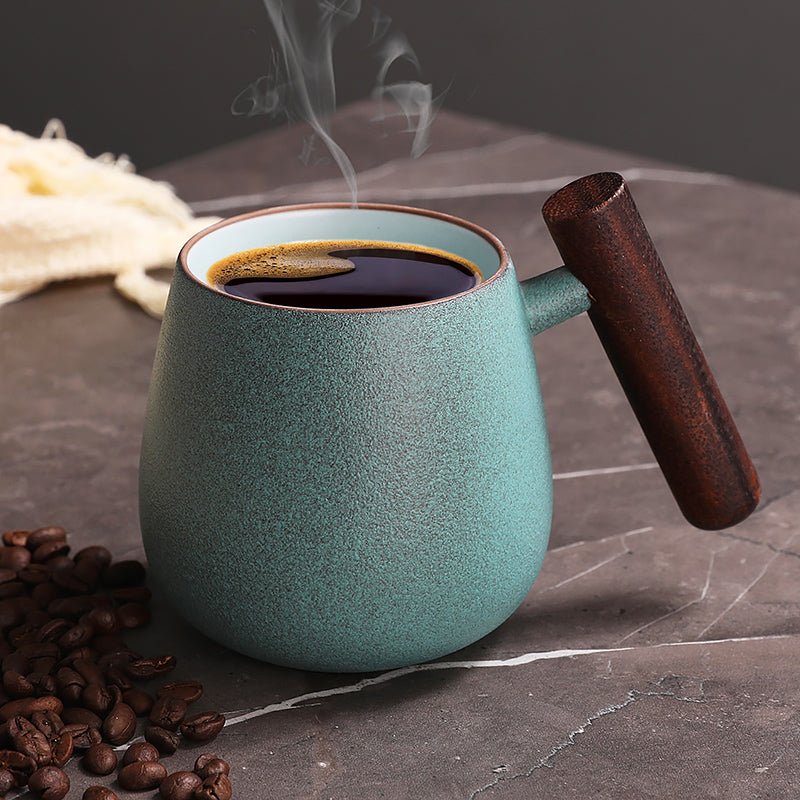
That is one reason some customers prefer the Pleated Coffee Tea Cup. It brings a different tactile feel to the table, and the shape can suit someone who wants a more compact, elegant everyday cup rather than a broad diner-style mug.
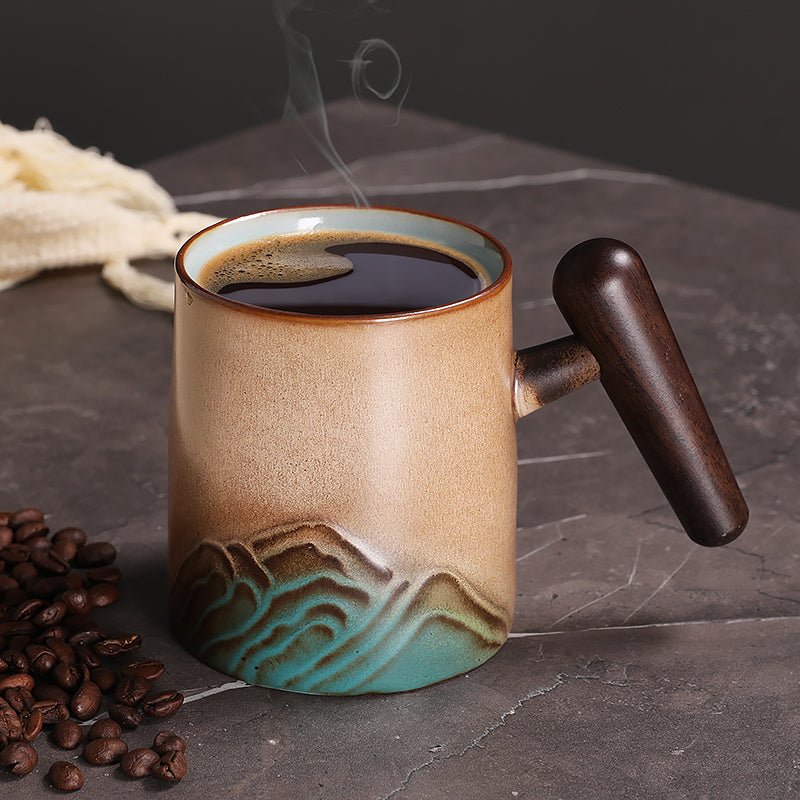
For shoppers who like visual detail without giving up daily practicality, the Golden Waves Kio Coffee Tea Mug is another option to compare. It is the kind of mug people choose for a gift box, a shelf display, or a more refined desk setup. It is not the best choice if you want the lightest possible cup for quick refills, but it can be a better fit if you care about presentation as much as function.
What should you buy if you want a mug that fits your coffee habit?
Start with your actual routine, not the label on the mug. We see fewer regrets when shoppers match the cup to the way they drink. A mug that is too large can encourage overpouring. A mug that is too small can make you feel like you are constantly refilling the kettle or coffee maker.
Use this quick checklist:
- Choose 8 to 10 oz if you want a tighter, more controlled serving.
- Choose 10 to 12 oz if you drink one full mug in the morning and want a familiar home-coffee feel.
- Choose a comfortable handle if you carry coffee between rooms or drink while multitasking.
- Choose easy-to-clean ceramic if you use the mug every day and want less odor retention.
- Choose a gift-worthy finish if the mug is going on a shelf, a holiday table, or a desk where appearance matters.
For a broader browse across styles and sizes, our all coffee mugs collection is the fastest place to compare options side by side. If you are still deciding between size guides, the 10 oz and 12 oz articles linked above are the easiest place to narrow the fit before checkout.
Frequently asked questions
How much caffeine in a mug of coffee if I use a 12 oz mug?
A 12 oz mug can hold a lot of coffee, but the caffeine depends on the brew, not just the mug. A full mug of standard drip coffee will usually carry more caffeine than the same mug filled with a lighter brew. If you routinely fill to the top, you are probably drinking a larger serving than you think.
Is a bigger mug always stronger coffee?
No. A bigger mug only holds more liquid. Strength comes from how much coffee was brewed into that liquid. A large mug can actually taste milder if the coffee is diluted or poured from a weaker batch.
Does ceramic change the caffeine in coffee?
Ceramic does not change caffeine content. It does affect heat retention, hand feel, and the way coffee behaves during a longer sip at a desk or in a meeting. A well-made ceramic mug is often the most practical choice for daily use.
What mug size is best if I only want one morning coffee?
Most shoppers in that situation do well with an 8 to 10 oz mug. It keeps the serving size more controlled and avoids the habit of overpouring. If you prefer a more generous cup, a 10 to 12 oz mug is usually the better middle ground.
Are decorative mugs a bad choice for everyday coffee?
Not always, but some decorative mugs are less ideal for daily use because the handle may feel tight, the wall may be heavier, or the shape may hold less usable coffee than expected. If you drink coffee every day at the kitchen counter or office desk, practicality should come first.
If you want to choose the right mug based on how much coffee you actually drink, compare a compact option, a balanced everyday mug, and a more display-forward style side by side. Start with our Ball Handled Coffee Tea Mug, the Pleated Coffee Tea Cup, and the Golden Waves Kio Coffee Tea Mug, then check the full collection for the size and shape that fits your routine best.
Read more
Princess House Coffee Mugs: Buyer Guide for Style, Size, and Use
A practical buyer guide for princess house coffee mugs, with real-world size, feel, and care considerations. Compare alternatives, avoid common buying mistakes, and choose a mug that fits daily use.
Czytaj dalej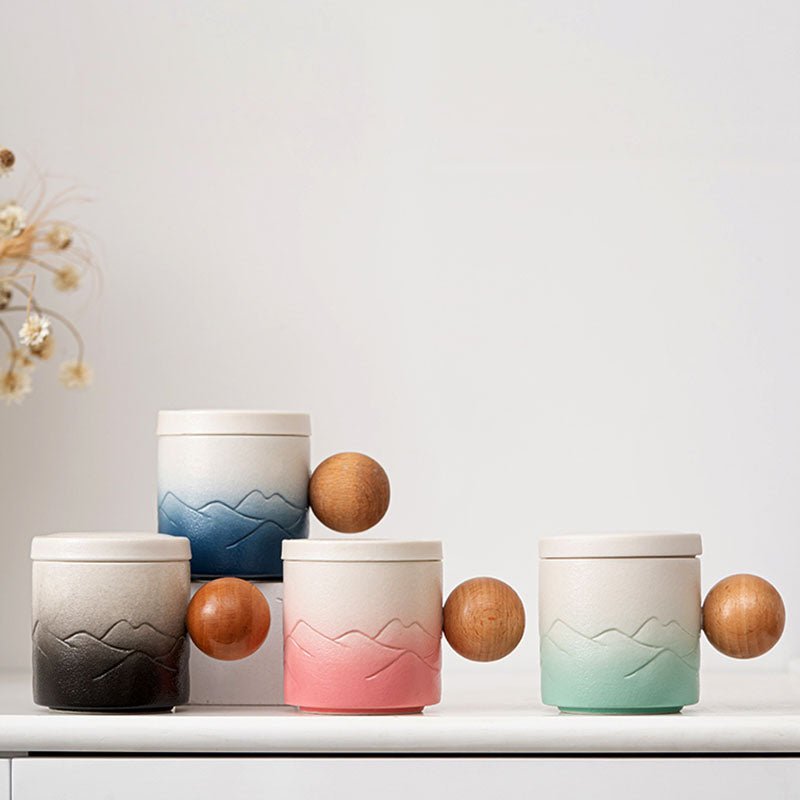
Best Coffee Mugs for Home: What to Buy for Daily Use
A practical guide to choosing the best coffee mugs for home based on size, shape, comfort, and cleanup. We compare everyday options and point you to mugs that fit real kitchen and desk routines.
Czytaj dalej
Zostaw komentarz
Ta strona jest chroniona przez hCaptcha i obowiązują na niej Polityka prywatności i Warunki korzystania z usługi serwisu hCaptcha.