
How Much Caffeine in a Mug of Coffee? A Practical Buyer Guide
Reading time: about 9 minutes
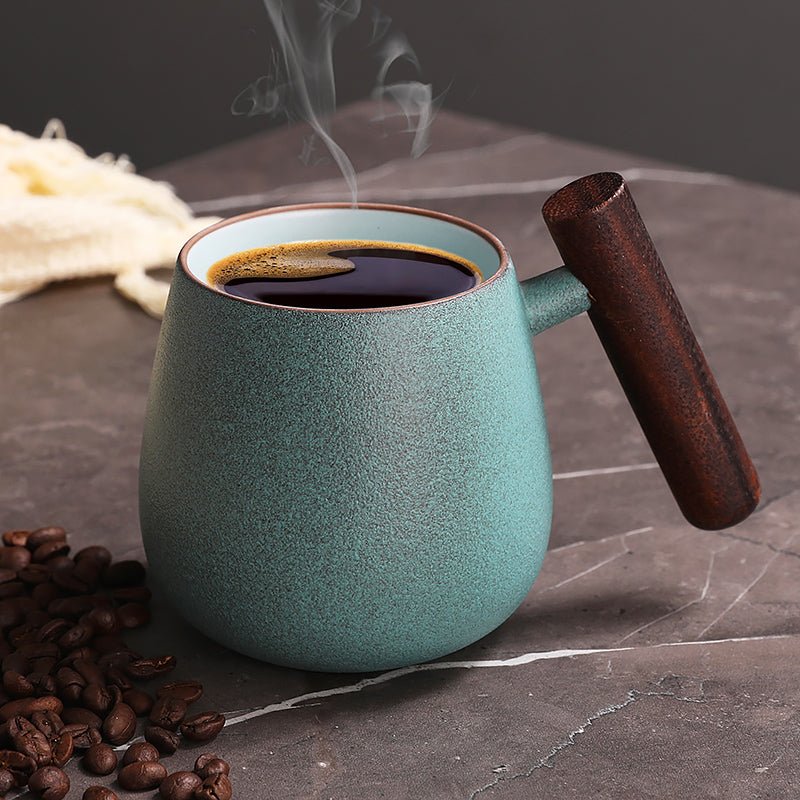
A full mug can feel like one thing in the hand and something very different in the cup. One person pours 8 ounces, another fills a 12-ounce mug to the brim, and a third drinks from a travel mug that holds nearly two cups. That is why the question of how much caffeine in a mug of coffee never has one exact answer.
In our store, we hear this question from shoppers who want a useful morning cup, not a guess. Some are trying to keep their intake steady. Others just want to know if a smaller mug will feel stronger than the oversized cup on the office desk. The short answer: a typical mug of brewed coffee often lands somewhere around 80 to 120 mg of caffeine, but the real number can move a lot based on brew method, bean type, and how much coffee actually fills the mug.
If you are comparing mug sizes while you read, our collection of coffee mugs is a useful starting point, and our product pages show the styles shoppers reach for most often, like the Ball Handled Coffee Tea Mug, the Pleated Coffee Tea Cup, and the Golden Waves Kio Coffee Tea Mug.
How much caffeine is usually in one mug of coffee?
For most drip coffee served in a normal kitchen mug, a reasonable working range is about 80 to 120 mg per mug. A stronger pour, a larger mug, or a darker cup pulled from a concentrated brew can move higher. A weaker home brew or a smaller fill can sit below that.
We find the mistake shoppers make is treating the mug as the measurement. A mug is a vessel. Caffeine follows the coffee concentration and the amount poured into it. A compact 8-ounce mug with standard drip coffee usually contains less caffeine than a 12-ounce mug filled to the top from the same pot, even if both are called “one mug.”
| Brew style | Typical caffeine in one mug | What that means in practice |
|---|---|---|
| Drip coffee | 80 to 120 mg | Common office or home coffee, moderate strength |
| French press | 90 to 140 mg | Often fuller-bodied and sometimes stronger per mug |
| Pour-over | 80 to 130 mg | Can be bright and clean, depending on dose and grind |
| Instant coffee | 30 to 90 mg | Varies a lot by spoonfuls and brand |
| Espresso-based drink in a mug | 60 to 150 mg | Depends on how many shots are added |
These are practical ranges, not lab numbers. If you want exact caffeine, you need the recipe, the bean, and the serving size. Most people do not have that level of detail at home, so a range is more honest than pretending a mug has a fixed count.
What changes the caffeine count the most?
Three variables do most of the work: coffee dose, mug volume, and brew style. If one of those changes, the final caffeine in the cup changes with it.
- More coffee grounds usually means more caffeine. A stronger brew ratio matters more than roast color.
- Bigger mugs hold more liquid, which usually means more total caffeine if the coffee is poured to match the size.
- Brew method changes how much caffeine gets into the drink and how dense the coffee tastes.
- Serving style matters too. A flat white in a mug is not the same as a full mug of drip coffee.
There is also a common misconception around roast color. Dark roast does not automatically mean more caffeine. In many cases, the difference is small enough that grind size, dose, and how the coffee was brewed matter more than roast name on the bag.
Another real-world point from our side: the mug itself affects perception. A wide, shallow mug can make the same volume feel less intense because it cools faster and exposes more surface area. A narrower mug or a handled cup can hold heat a bit better, which makes a stronger cup feel more concentrated as you sip it.
Does mug size change the caffeine you drink?
Yes, and this is where shoppers usually get surprised. A mug labeled 10 ounces does not always hold 10 ounces of coffee you want to drink hot and comfortable. Many people leave a little headspace so they do not spill at the desk, in the car, or while walking to a meeting. That means the actual caffeine per mug can be lower than the mug’s nominal capacity.
If you want to compare mug sizes before you buy, our article 10 oz Coffee Mug: Size, Fit, and What to Check Before You Buy is useful for sizing expectations, and 12 Ounce Coffee Mug Buying Guide for Daily Use and Better Fit helps if you are deciding whether a larger daily cup is worth it.
We see three common sizing situations:
- 8 to 10 oz mugs suit smaller pours, a single standard cup of drip coffee, or people who want a tighter caffeine ceiling.
- 11 to 12 oz mugs suit a full home pour and usually feel like the sweet spot for daily coffee at a desk or breakfast table.
- Large mugs and oversized cups are better for long sipping sessions, but they can also encourage more coffee than you planned to drink.
If you are buying for habit control, smaller mugs are often the smarter choice. If you want a full, warm cup that lasts through breakfast, a 10 to 12 ounce mug usually makes more sense than a big novelty vessel. Bigger is not automatically better. Sometimes it just means more caffeine than you meant to have.
Which mug styles fit different coffee habits?
Not all mugs behave the same on a kitchen counter or in an office kitchen. Material, handle shape, and rim shape change how the cup feels in daily use. In our experience, these differences matter as much as the printed design.
The Ball Handled Coffee Tea Mug is the type of cup that works well when you want a comfortable grip and a familiar daily silhouette. The handle shape matters if you drink coffee while typing, since a stable grip reduces the awkward wrist angle you get from some compact cups.
The Pleated Coffee Tea Cup suits buyers who want something a bit more refined on the table. That kind of cup is often chosen for serving rather than hurried refills, which makes sense if your coffee routine is slower and more intentional.
The Golden Waves Kio Coffee Tea Mug is a stronger visual piece. That matters if the mug is also part of a gift box, a shelf display, or a matching table setting. The buying decision is not only about caffeine. It is also about how the cup lives in the home.
A few practical comparison points we recommend checking before you buy:
- Rim thickness: a thinner rim can feel smoother, while a thicker rim can feel sturdier.
- Handle clearance: if your hand is larger, a tight handle gets uncomfortable fast.
- Base stability: a flatter base is less likely to wobble on a crowded desk.
- Finish and care: glossy finishes are usually easier to wipe clean than textured surfaces, which can hold staining more visibly.
If you have ever unboxed a mug and noticed a tiny glaze pinhole, a rough foot ring, or a handle that feels awkward after two sips, you already know why these details matter. Coffee is daily-use gear. It should work like it.
What should you do if you want less caffeine per cup?
If your goal is to reduce caffeine without giving up the mug habit, you have more control than most people think. The easiest move is to change the serving, not the ritual.
- Use a smaller mug and stop at the comfortable fill line.
- Choose a lighter pour from the pot instead of topping off the mug again.
- Try half-caf or a lower-dose brew if you make coffee at home.
- Switch to tea in the same style of mug if you want the same routine with less caffeine.
We also advise paying attention to how the cup is used through the day. A single mug in the morning may fit your routine well. A large refillable mug on a desk can quietly become several servings. That is where the total caffeine adds up, even if each pour seems harmless on its own.
If you are shopping with this in mind, smaller handled mugs are often a better fit than oversized novelty cups. They help you stay close to the amount you intended to drink, which is the real point.
Frequently asked questions
How much caffeine in a mug of coffee from a home drip machine?
A typical home drip mug usually lands around 80 to 120 mg, depending on how strong the brew is and how large your mug is. If you pour a full 12-ounce mug from a standard pot, the total can be higher than a smaller 8-ounce serving.
Is a bigger mug always stronger?
Not always. A bigger mug only means more caffeine if you actually fill it with more coffee. A large mug half-filled with drip coffee can have less caffeine than a smaller mug filled to the top.
Does dark roast have more caffeine in the mug?
Not necessarily. Roast level changes flavor more than caffeine in most everyday brewing. Dose, grind, and brew method usually have a bigger effect on the final number in the cup.
How do I choose a mug if I want to keep my caffeine intake steady?
Pick a mug size you can fill consistently, such as 8 to 10 ounces, and avoid oversized cups that invite larger pours. A predictable mug makes it easier to keep your daily coffee routine under control.
Are ceramic mugs better for daily coffee?
For most buyers, yes. Ceramic mugs are sturdy, familiar, and comfortable for hot drinks, though they can chip if knocked against sinks or counters. If you care more about portability than table feel, a travel cup may be the better fit.
What is the safest next step if you are buying a mug for daily coffee?
Check three things before you choose: the size you actually drink, the handle comfort, and whether the style fits your counter, desk, or gift recipient. Then compare the mug against your usual coffee habit instead of the label alone.
If you want to shop by style and size, start with our full mug collection, then compare it against the buying guides for 11 oz Coffee Mug: Size, Fit, and What to Check Before You Buy and 12 oz Coffee Mug Buying Guide for Fit, Comfort, and Daily Use if you are torn between a compact daily cup and a fuller pour. That gives you a cleaner way to choose the right mug for the caffeine level you actually want, not the one you accidentally end up with.
Read more
Microwavable Coffee Mug Buying Guide for Daily Use and Easy Reheating
A practical guide to choosing a microwavable coffee mug that reheats cleanly, fits your routine, and avoids the common problems we see in mugs that chip, stain, or overheat unevenly.
Czytaj dalej
Rooster Coffee Mug Buying Guide for Daily Use and Gifts
A rooster coffee mug should do more than look farmhouse-friendly. Here’s how we compare shape, size, comfort, and gift appeal before we put one in our cart.
Czytaj dalej
Zostaw komentarz
Ta strona jest chroniona przez hCaptcha i obowiązują na niej Polityka prywatności i Warunki korzystania z usługi serwisu hCaptcha.