
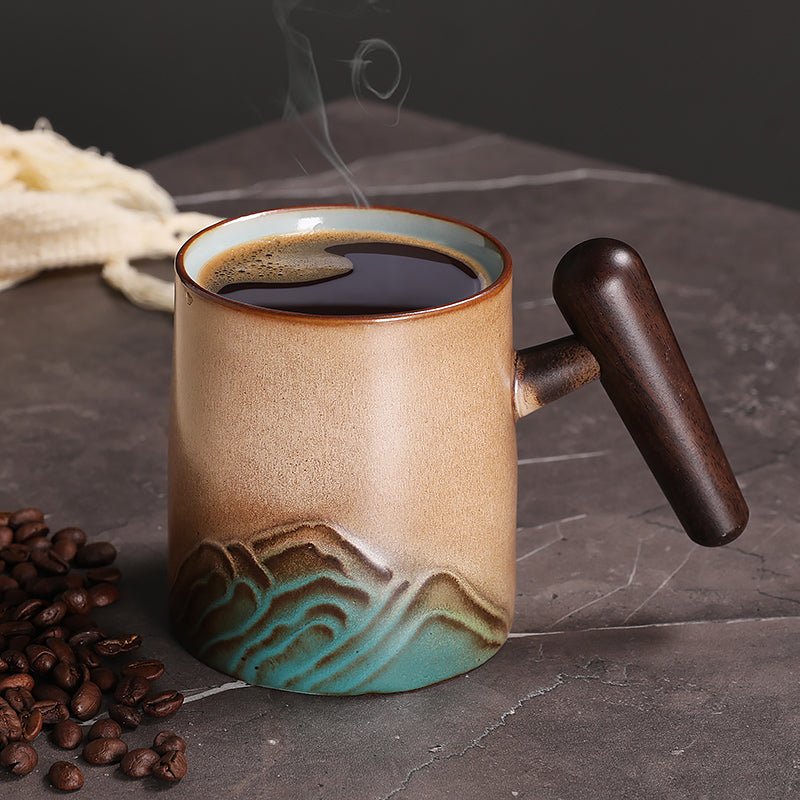
How Big Is a Regular Coffee Mug? Sizes, Ounces, and Buying Tips
Reading time: about 9 minutes
A mug that looks “normal” on a shelf can feel very different once you pour hot coffee into it. We see this all the time in our store: one shopper wants a compact mug that fits under a single-serve machine, while another wants enough room for cream without coffee sloshing over the rim.
If you are asking how big is a regular coffee mug, the short answer is usually 8 to 12 ounces. The part that matters more in real use is not just the advertised capacity, but the mug’s shape, wall thickness, and how much coffee you can pour before it becomes awkward to carry or sip.
For shoppers comparing options, our own rule of thumb is simple: a regular mug is built for everyday coffee, tea, or hot chocolate, not for oversized specialty drinks. If you want to browse what we carry while you compare sizes, start with our full mug collection or check one of our sturdier everyday styles like The Rock Coffee Tea Mug.
What size is a regular coffee mug in ounces?
Most regular coffee mugs sit in the 8 to 12 ounce range. That is the standard size many people expect for a daily cup at home, in an office, or at a small kitchen nook. An 8-ounce mug feels compact and old-school. A 10-ounce mug is probably the most common middle ground. A 12-ounce mug gives you a little more room for milk, foam, or a stronger pour.
Here is the practical difference we see:
- 8 oz: Best for smaller pours, black coffee, espresso-based drinks with less volume, or people who want less heat loss.
- 10 oz: The most balanced “regular” size for daily use.
- 12 oz: Better if you add cream, drink a longer coffee, or want a little space near the rim.
A lot of shoppers assume ounces tell the whole story, but they do not. Two 10-ounce mugs can feel completely different in the hand. One may be tall and narrow, another short and wide. The wide one cools faster. The tall one may fit less comfortably under a brewer. That is why we always look at both capacity and dimensions.
How big is a regular coffee mug in inches or centimeters?
There is no single fixed dimension for every regular mug, but many fall roughly around 3.25 to 3.75 inches tall and 3 to 3.5 inches wide without the handle. With the handle, the mug usually takes up more counter and cupboard space than the cup itself suggests.
That matters if you are checking cabinet clearance, coffee machine height, or dishwasher spacing. A mug that seems “regular” in the hand may still be too tall for an under-cabinet shelf or too wide for a narrow machine tray. We have also seen customers buy a mug they like, only to find the handle bumps the neighboring cup in the dishwasher rack.
In practical terms, these are the measurements worth checking before you buy:
- Height: Will it fit under your coffee maker or microwave turntable?
- Rim width: Does it feel comfortable to sip from, or too open?
- Handle opening: Can your fingers fit through without squeezing?
- Base width: Does it sit securely on a desk, coaster, or warming plate?
If size comparison is the main thing slowing you down, our related guides can help you narrow it further. We covered practical large-mug trade-offs in Big Coffee Cups: How to Choose the Right Large Mug for Daily Use and also looked at the key details to inspect before ordering in Big Coffee Cups: What to Check Before You Buy a Large Mug.
Why do two mugs with the same ounce rating feel different?
This is where a lot of buying mistakes happen. Two mugs can both be listed as 12 ounces, but one may feel easy to drink from while the other feels top-heavy or awkward. Capacity is measured to the brim, not to the comfortable fill level. In real life, most people do not fill a mug all the way to the edge.
We usually explain it like this:
- Thicker walls can make a mug feel sturdier, but they also reduce the usable interior space.
- Tapered sides can make the mug feel smaller than the listed ounce count.
- A large handle improves comfort, but it can also make storage tighter.
- Wide mouths are good for cooling and adding foam, but they expose more surface area and lose heat faster.
In our experience, ceramic mugs in the regular range are the easiest for daily use because they balance weight, heat retention, and cleanup. Stoneware often feels a little heavier and more durable in the hand, while porcelain is usually lighter and more refined. Each has trade-offs. A heavier mug is not ideal if you carry coffee around the house all morning. A very lightweight mug may feel less secure for desk use.
What should a regular mug feel like in daily use?
A good regular mug should feel easy to pick up, stable on the table, and comfortable when it is full. That sounds obvious, but it is where many mugs fail. The handle should leave enough room for two or three fingers without scraping your knuckles against the body. The base should sit flat. The rim should feel smooth and even, not sharp or wavy.
We pay attention to a few real-world details every time we handle a mug:
- Balance: A mug filled with hot coffee should not feel like it wants to tip.
- Rim finish: A smooth rim makes a bigger difference than shoppers expect.
- Handle clearance: Small handles can be a deal-breaker for larger hands.
- Heat hold: Heavier ceramic and stoneware usually keep warmth longer than thin, lightweight mugs.
One example from our own product line is The Rock Coffee Tea Mug, which suits shoppers who want something more substantial than a delicate café-style cup. It is a better fit for people who like a solid feel on a desk or kitchen counter. It is not the right choice if you need the lightest possible mug for a small espresso setup.
What mug size works best for coffee machines, offices, and gift buying?
The best size depends on where the mug will actually be used. That is the part many product pages skip. A mug that works beautifully at breakfast may be inconvenient on a crowded office desk or under a single-serve brewer.
Here is the practical breakdown we use:
- For drip coffee at home: 10 to 12 ounces is usually the safest regular choice.
- For office desks: 8 to 10 ounces is often easier to manage and less likely to overfill a crowded workspace.
- For gifts: 10-ounce mugs are a safe middle ground unless you know the person prefers large pours.
- For single-serve machines: check height first, because some “regular” mugs are still too tall.
If you are shopping for a larger everyday mug instead of a standard one, our article Big Coffee Mug Buyer's Guide: Size, Comfort, and Daily Use breaks down where bigger mugs make sense and where they become inconvenient. For readers who are already leaning oversized, Big Coffee Mug: How to Choose the Right One for Daily Use is a useful next read.
What are the trade-offs of buying a smaller or larger mug?
There is no perfect mug size for everyone. Smaller mugs stay warmer a little longer because there is less surface area. Larger mugs give you room for milk, whipped toppings, or a stronger pour, but they can feel bulky and may cool faster. That trade-off is why “regular” usually sits in the middle.
Here is the honest version:
| Mug size | Best for | Trade-off |
|---|---|---|
| 8 oz | Compact daily coffee, tea, smaller servings | Less room for milk or cream |
| 10 oz | Balanced everyday use | Not ideal if you want a very large pour |
| 12 oz | Milk-heavy drinks, longer drinks, generous fills | Can feel large on a small desk or in small hands |
We do not recommend choosing size by appearance alone. A mug that looks attractive online can still be the wrong shape for your hand or your appliance. That is also why we encourage shoppers to compare the collection first, then narrow down to the mug that fits their routine. Start with all CoffeifyMug styles if you are still deciding between standard and larger options.
What should you check before buying a regular coffee mug?
Before you buy, check the things that affect everyday use more than the label on the listing. We have seen the same issues come up again and again: mugs that chip too easily at the rim, handles that feel too tight, glossy finishes that show every scratch, or bases that wobble on a flat table.
Use this quick checklist:
- Capacity: Is it 8, 10, or 12 ounces?
- Height: Will it fit your brewer, cabinet, or microwave?
- Handle size: Does it fit your fingers comfortably?
- Material: Ceramic, stoneware, or porcelain?
- Care: Is it easy to hand wash, and is dishwasher use appropriate for your routine?
For buyers who want a mug that feels dependable every day, the material and finish matter as much as the size. Glossy ceramic is usually easier to rinse. Stoneware often feels heavier and more durable, though some finishes can show utensil marks over time. Thin mugs can look elegant but may be less forgiving if you use them at a busy sink or in a packed dishwasher.
Frequently asked questions
How many ounces is a regular coffee mug?
A regular coffee mug is usually 8 to 12 ounces. Most shoppers land on 10 ounces as the most versatile size for everyday coffee.
Is a 12 oz mug considered regular or large?
In many stores, 12 ounces still counts as a regular mug, but it is on the larger end of the standard range. If you want a compact feel, 12 ounces may already seem oversized.
What size coffee mug fits under a single-serve machine?
That depends on the machine’s clearance, but many regular mugs around 3.25 to 3.75 inches tall fit better than taller mugs. Always check height, not just ounces.
Is ceramic or stoneware better for a regular coffee mug?
Ceramic is a solid all-around choice for daily use because it is easy to clean and usually feels balanced. Stoneware is heavier and may hold heat well, but it can feel bulkier for people who prefer a lighter mug.
What mug size should I buy if I drink coffee with milk?
A 10 to 12 ounce mug usually gives you enough room for milk without filling too close to the rim. If you like a lot of foam or cream, lean toward 12 ounces.
If you are still comparing regular mugs with larger options, we recommend starting with the size checklist above, then browsing our collection and choosing the mug that fits your coffee machine, hand size, and daily routine best.
Read more
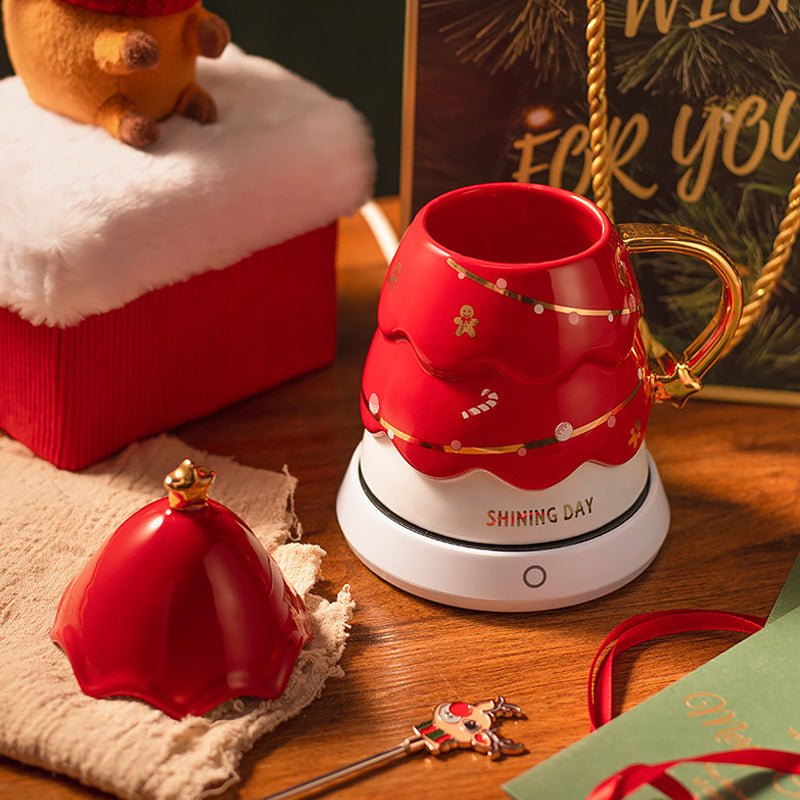
Nightmare Before Christmas Coffee Mug Buyer’s Guide: Size, Care, and Gift Fit
A practical guide for shoppers comparing a Nightmare Before Christmas coffee mug, with size checks, finish details, and gift-fit advice before you buy.
Czytaj dalej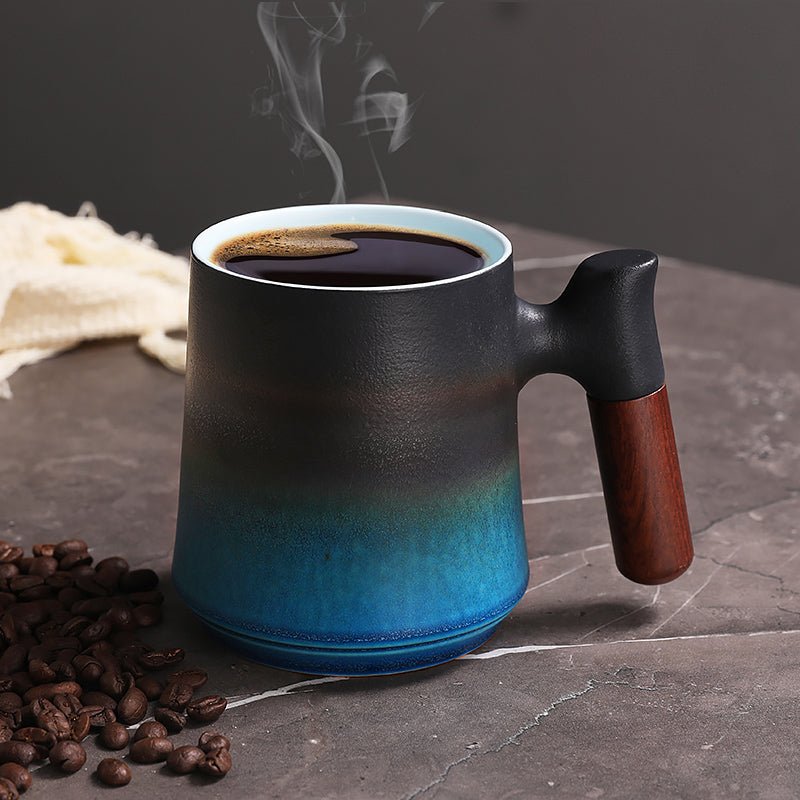
Gun Coffee Mug Buying Guide: What to Check Before You Buy
A practical guide to choosing a gun coffee mug that fits your desk, gift plan, and daily routine. We cover the trade-offs that matter, from size and comfort to care and display value.
Czytaj dalej
Zostaw komentarz
Ta strona jest chroniona przez hCaptcha i obowiązują na niej Polityka prywatności i Warunki korzystania z usługi serwisu hCaptcha.