
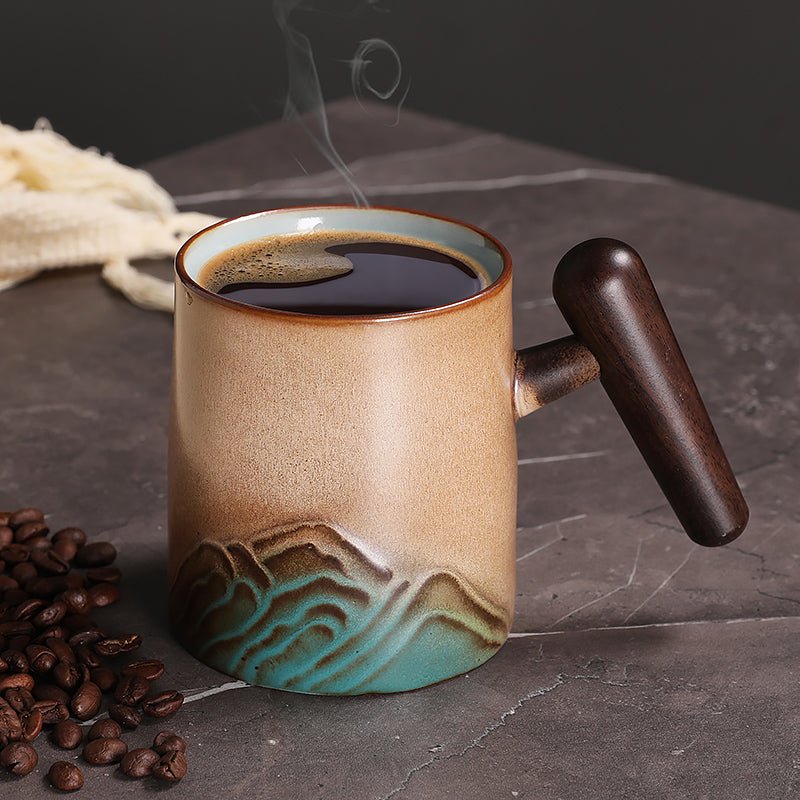
Great Travel Coffee Mugs for Commutes, Office Bags, and Weekend Trips
Reading time: about 9 minutes
A travel mug that leaks into a tote bag earns one kind of reputation. A travel mug that stays sealed but forces you to sip through a tiny, over-engineered lid earns another.
We handle this category by looking at the real use case first: a coffee that needs to survive a bus ride, a desk, a school run, or a short road trip without becoming a cleanup project. The best great travel coffee mugs are not just about insulation. They balance lid design, mouthfeel, size, and how annoying they are to wash at the end of the day.
If you want a broader compare-and-contrast guide before picking a style, our post on Coffee Travel Mugs: How to Choose the Right One for Daily Use covers the basics. For spill control specifically, Travel Coffee Mugs: Leak-Resistant Picks for Daily Commuting is the better follow-up.
What should a good travel mug do every day?
A good mug has to solve three problems at once: temperature, transport, and cleanup. If it only handles one of those well, it is usually a compromise that gets old fast.
In our store, we see the same failures again and again. A lid gasket is not seated correctly, so the mug leaves slow leaks in a bag. A narrow sip opening drips down the front of the cup. A glossy exterior chips when it gets knocked around in a car console or office drawer.
The features we pay attention to first are simple:
- Body material: Stainless steel is the standard for travel because it handles bumps better than ceramic and usually insulates better than thin plastic.
- Lid seal: A silicone gasket should sit cleanly and firmly. If the lid feels loose or the threads feel rough, that is a warning sign.
- Opening size: A wider mouth is easier to fill, add milk, and scrub clean after espresso or sweetened drinks.
- Carry fit: The mug should sit in a car cup holder or bag side pocket without wobbling.
Double-wall vacuum insulation is the feature most shoppers are really paying for. It slows heat loss and helps the outside stay comfortable to hold. That said, no mug keeps coffee hot forever once the lid is opened repeatedly, and a mug that insulates heavily can also make the first few sips too hot if you seal it immediately after brewing.
Our practical rule: if the lid is fussy on day one, it will annoy you even more on day thirty.
Which size fits your routine?
Capacity matters more than many shoppers expect. A mug that is too large can cool too slowly for people who want a fresh pour, and a mug that is too small becomes annoying if your commute runs long or you drink with milk.
As a quick guide, these are the sizes we usually see work best:
| Typical size | Best for | Main trade-off |
|---|---|---|
| 12 oz | Short commutes, espresso drinks, people who finish coffee quickly | Not enough room if you add milk or want a longer drink |
| 16 oz | Most daily commuters and office desks | Can feel a little bulky in a small bag pocket |
| 20 oz | Longer drives, second pours, all-morning drinkers | Heavier when full and often too tall for smaller cup holders |
| 24 oz | Road trips, long shifts, people who want fewer refills | Slower to finish and less convenient for one-handed carry |
If your routine changes, choose the size for your most common day, not your rare longest day. A daily commuter who occasionally drives farther is usually better served by 16 oz than by a bulky oversized mug. If you want a deeper sizing conversation, our buyer's guide to large capacity coffee mugs goes further into capacity trade-offs.
Should you choose stainless steel, ceramic-lined, or plastic?
This is the part where many buyers get pulled in the wrong direction by looks alone. Finish matters, but so does how the mug actually behaves after a week of use.
Stainless steel is the workhorse choice. It is durable, usually lighter than ceramic, and better for tossing into a bag or placing in a car cup holder. The trade-off is that some people notice a faint metallic note, especially if the mug is new or if coffee sits too long.
Ceramic-lined or ceramic-style interiors are often better for taste-sensitive drinkers. They are a good fit for people who hate that metallic edge. The downside is that they generally need more care, and they are not the best choice if you are hard on gear or throw mugs into a backpack without much thought. For a closer look at that material choice, see our post on Ceramic Coffee Mugs: What to Look For Before You Buy.
Plastic-bodied mugs can be lighter and less expensive, but they are the least satisfying option for long-term coffee drinkers. They can retain odors, scratch more easily, and usually do not feel as solid in the hand. We would not choose them for someone who wants a daily carry mug that needs to last.
For most shoppers, the safest recommendation is stainless steel with a well-fitted lid and a cup shape that is easy to clean. That is the combination we see age best after repeated desk use, dishwasher cycles when allowed, and the occasional rough morning commute.
Which lid style is least annoying to use?
The lid decides how the mug feels in real life. A lid can make a good mug feel excellent, or it can ruin the whole product.
Here is the practical breakdown we use:
- Slider lids: Easy to open and close with one hand. Good for desks and short sips. Not always the best for leak protection if you carry the mug in a bag.
- Twist or screw-top lids: Usually stronger for travel and more dependable in transit. They can feel slower at a desk and sometimes take two hands.
- Push-button lids: Convenient for quick access, but they have more moving parts. More moving parts usually means more places for residue, wear, or seal problems.
If you carry coffee beside papers, a laptop, or a phone, the leak-resistant angle matters more than convenience. If you mainly use the mug at a desk or in the car, a lid that opens fast and cleans quickly may be the better choice.
That is why our article on Best Travel Coffee Mug: What to Check Before You Buy stays focused on seal quality, lid behavior, and cleanup, not just looks.
How do you clean a travel mug without shortening its life?
Cleaning is where many great-looking mugs turn into shelf ornaments. If a mug is difficult to take apart, it is difficult to keep pleasant over time.
Here is the routine we recommend:
- Wash the cup as soon as practical after use, especially after milk drinks or sweetened coffee.
- Remove the silicone gasket if the lid is designed to come apart. Coffee oils like to hide there.
- Check whether the dishwasher-safe note applies to the cup, the lid, or both. That detail is often missed.
- Use a soft brush or bottle brush for the interior, especially if the mug has a narrower neck.
- Let everything dry fully before reassembling so trapped moisture does not create stale odors.
Some mugs hold up well in dishwashers. Some do not. Painted finishes, vacuum seals, and decorative coatings can be more delicate than the listing photo suggests. If you want a mug for everyday washing with minimal effort, pick one with fewer seams, fewer loose parts, and a lid you can open and re-seat without fighting it.
What we would not recommend: a mug with a tiny lid cavity, a complicated spring mechanism, or a narrow opening if you regularly drink milk-based coffee. Those designs are harder to keep clean, and coffee residue shows up quickly.
Which great travel coffee mugs fit specific situations?
The right mug changes with the job. A commuter, a desk worker, and someone packing for a weekend trip are all asking for different things.
- For commutes: Prioritize leak resistance, a lid that locks securely, and a size that fits your bag or cup holder.
- For office desks: Prioritize a comfortable sip opening, easy opening and closing, and a finish that still looks clean after sitting beside a keyboard all day.
- For road trips: Prioritize capacity and insulation, because the mug may sit untouched longer than you expect.
- For gifts: Prioritize a simple silhouette, neutral finish, and easy cleanup. A gift mug should be useful on day one, not just attractive in the box.
If you are buying for gifting or a wider home setup, our article on Best Coffee Mugs for Daily Use, Gifts, and Office Desks helps separate practical picks from purely decorative ones. For seasonal gifting, Christmas Coffee Mugs: How to Choose Gifts, Sets, and Everyday Favorites is useful too.
One thing we tell shoppers plainly: a travel mug is not the right choice if you want a wide open cup for immediate cooling or latte art presentation. It is also not ideal for someone who forgets drinks in the car for days and wants a perfect first sip later. That is a storage problem, not a mug problem.
Frequently asked questions
What size travel coffee mug is best for daily commuting?
For most commuters, 16 oz is the safest middle ground. It usually holds a standard coffee order without feeling oversized in a bag or cup holder. If you drink quickly or prefer smaller pours, 12 oz can be better.
Are travel coffee mugs with sliders actually leak resistant?
Some are, but not all sliders are equal. A slider helps with splash control and desk use, yet a true leak-resistant mug usually needs a tighter seal and a lid designed for transport. If you carry coffee in a bag, look for a lid that is made for travel first and convenience second.
Can I put my travel coffee mug in the dishwasher?
Sometimes, but check the listing carefully. The cup may be dishwasher-safe while the lid is hand wash only, especially if there are silicone gaskets or moving parts. If you want the mug to last longer, hand washing the lid is usually the safer habit.
What is better for coffee taste, stainless steel or ceramic-lined?
Ceramic-lined mugs are often preferred by people who are sensitive to taste changes because they can reduce the metallic note some stainless steel mugs have. Stainless steel is usually more durable and travel-friendly. If you carry your mug often, durability may matter more than the last bit of flavor neutrality.
How do I stop a travel mug from leaking in my bag?
Start by making sure the lid is fully seated and the gasket is clean. Even a small alignment issue can cause slow leaks. Also avoid overfilling; leaving a little headspace gives the lid room to seal properly when the mug is moved.
What should you check before buying from us?
We keep our buying advice simple because that is how customers actually shop. Start with the lid, then the size, then the material, then the cleanup story. A mug that looks good but fails on one of those points will not stay in rotation.
Use this quick checklist before choosing great travel coffee mugs:
- Does the lid feel secure and easy to reseat?
- Will the size fit your bag, desk, or cup holder?
- Is the interior easy to wash by hand if needed?
- Does the finish suit daily use, not just product photos?
- Is this mug meant for commuting, desk sipping, or longer trips?
If you want to compare options side by side, start with our products page and then browse the full collection to match the mug to the way you actually drink coffee.
Read more
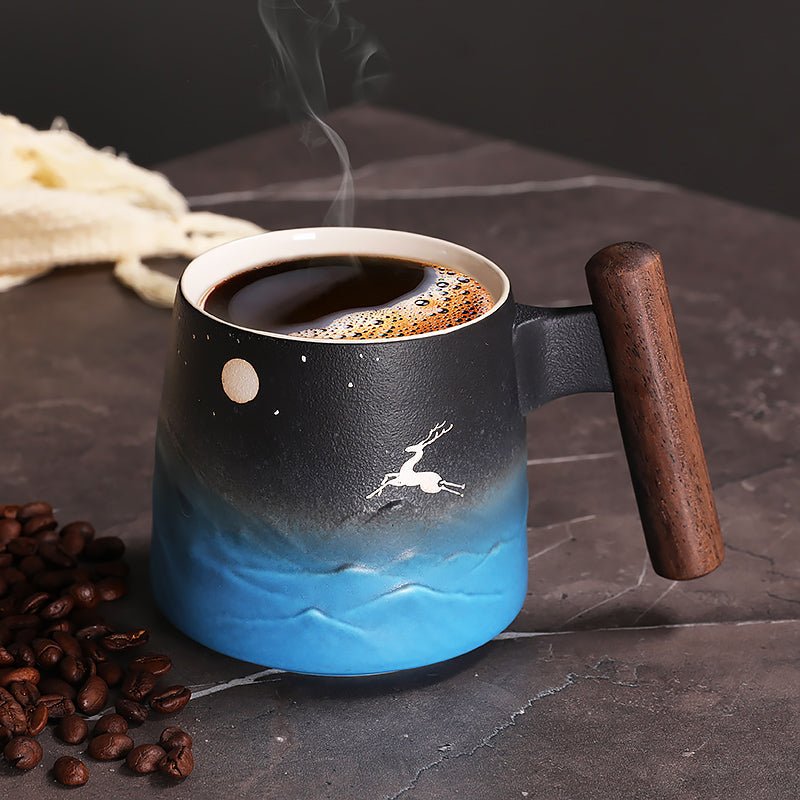
Custom Photo Coffee Mugs: How to Choose the Right Print, Size, and Finish
Custom photo coffee mugs work best when the photo, mug size, and finish are chosen together. This guide covers what prints well, what does not, and how to pick a mug that gets used instead of stored.
Czytaj dalej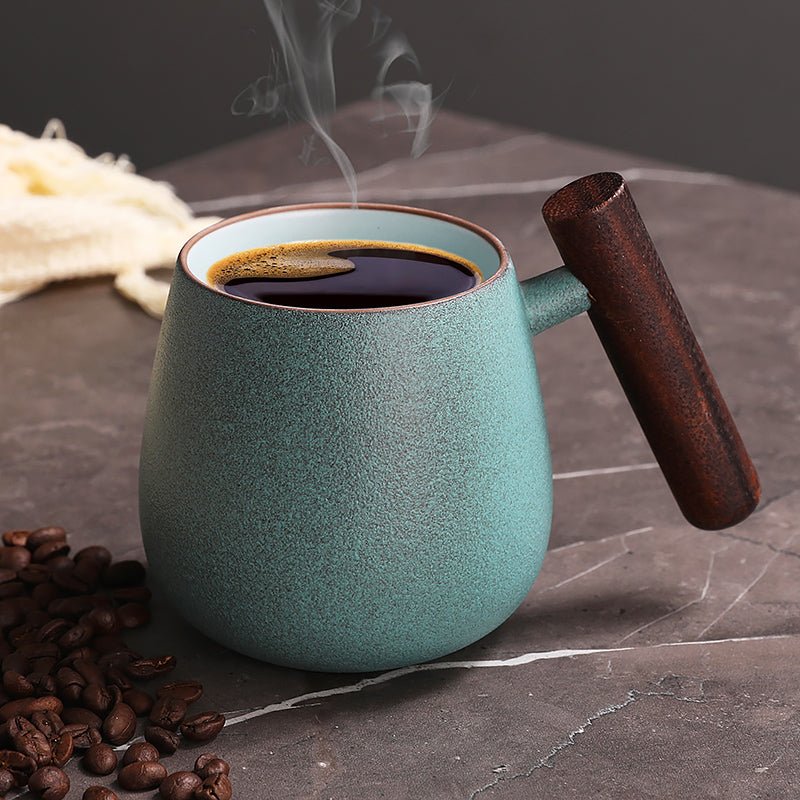
20 oz Coffee Mug: What to Check Before You Buy
A 20 oz coffee mug fits the way many people actually drink coffee: a larger first pour, room for milk, and less refilling at a desk. We break down what matters before you buy, including materials, ...
Czytaj dalej
Zostaw komentarz
Ta strona jest chroniona przez hCaptcha i obowiązują na niej Polityka prywatności i Warunki korzystania z usługi serwisu hCaptcha.