
Grateful Dead Coffee Mug Buying Guide: Size, Print, and Use
Reading time: about 9 minutes
A grateful dead coffee mug has to do more than carry a graphic. It needs to feel right in the hand, survive the dishwasher, and still look sharp after the second or third round of washing.
That is the part shoppers often miss. A mug can look perfect in a product photo and still be awkward on an office desk, too small for a morning pour, or too fragile for regular use. In our store, we look at mugs the same way real buyers do: first by fit, then by finish, then by whether the design still earns its place after a week of daily use.
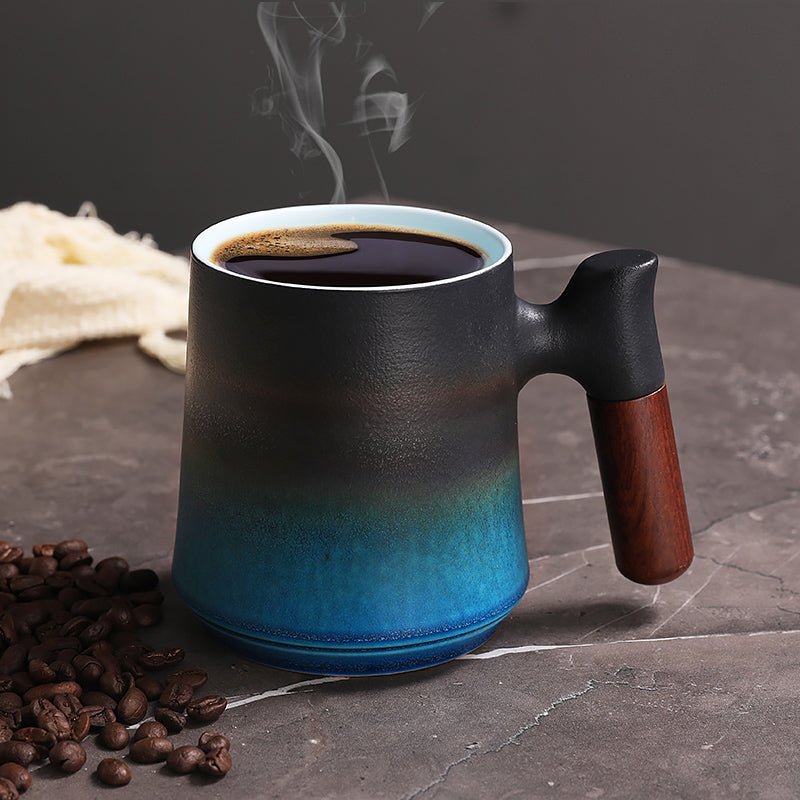
If you want to compare everyday mug shapes while you shop, start with our full mug collection. For a simple, everyday profile, the Morning Night Coffee Tea Mug is a useful reference point for shape and hand-feel, while the Mountain Coffee Tea Mug and Great Mountain Coffee Tea Mug are good examples of mugs that prioritize daily use over novelty.
What should a grateful dead coffee mug do well?
A good grateful dead coffee mug should balance style with practical use. The art matters, but the mug still has to handle coffee, tea, and repeated washing without turning into a shelf-only souvenir.
We think about three things first:
- Comfort: the handle should fit two to four fingers without pinching.
- Capacity: most buyers want enough room for a normal drip coffee pour without filling the cup to the brim.
- Finish quality: the graphic should stay readable, and the surface should not feel rough, overly glossy, or cheaply coated.
If the mug is meant as a gift, that matters even more. A buyer usually wants the artwork to land immediately, but the recipient still expects something they will actually use at a kitchen counter or office desk. A mug that looks great but feels too small for a full coffee refill is usually not the best choice.
We also see a lot of buyers underestimate mug weight. A heavier ceramic mug can feel sturdy and premium, but it may not be the best option for someone who drinks while commuting between meetings or prefers a lighter cup for long work sessions.
Which size is best for everyday coffee use?
Size is where most buyers make the wrong call. A mug that looks fine in a photo can hold less than you expect once you pour in milk, foam, or cream.
For most shoppers, a standard 11 oz or 12 oz mug is the safest everyday choice. That range usually works well for drip coffee, black tea, and shorter espresso-based drinks with room for add-ins. If you want more background on size comparisons, our guides on the 11oz Coffee Mug Buying Guide: Size, Fit, and Best Uses and the 12 Ounce Coffee Mug Buying Guide for Daily Use and Better Fit are useful before you click buy.
Here is the practical trade-off:
| Size | Best for | Trade-off |
|---|---|---|
| 10 oz | Smaller pours, tea drinkers, tighter cabinets | Less room for milk or cream |
| 11 oz | Balanced daily use and gift buying | Can feel a little small for big coffee pours |
| 12 oz | Long morning coffee, room for add-ins | May feel bulky if you prefer a compact cup |
For buyers comparing a grateful dead coffee mug as a gift, 11 oz is usually the least risky size. It fits most holders, most mug racks, and most kitchen cabinets without causing storage problems. If you already know the recipient drinks a large pour, 12 oz is safer.
How do you judge print quality before buying?
Print quality is the difference between a mug that feels collectible and one that feels disposable. A themed mug lives or dies on the clarity of the artwork.
We look for a few specific signs:
- Edge sharpness: clean lines around text and artwork, not fuzzy borders.
- Color consistency: no blotchy areas where the graphic fades unexpectedly.
- Placement: artwork centered where it will be seen whether the mug sits on a desk or kitchen counter.
- Surface wear risk: designs that are protected better from repeated washing tend to hold up longer in real use.
This is also where buyers should be honest about expectations. A printed mug is not a display poster. It will face dishwasher cycles, heat changes, and the occasional tap against a sink or countertop. If the design matters more than anything else, avoid buying purely on novelty. Look for a mug that gives the artwork enough breathing room so it does not feel cramped.
If you are still deciding on a general mug style, our 11 oz Coffee Mug: Size, Fit, and What to Check Before You Buy article covers the practical checks we use before we stock a mug for everyday sale.
Is this the right mug for gifts, desk use, or home use?
That depends on how the mug will actually be used. A grateful dead coffee mug can work well in a gift box, on a home shelf, or next to a keyboard, but each setting puts different demands on the mug.
Gift use: pick a clean, readable design and avoid sizes that are too niche. The recipient may love the reference, but if the mug does not feel balanced in the hand, it becomes a novelty item instead of a daily one.
Desk use: prioritize a stable base and a handle that is easy to grab one-handed. Office mugs get moved more often, set down on coasters, and washed less gently than people admit.
Home use: this is where capacity matters most. A mug used for early-morning coffee or late-night tea should be comfortable to drink from without forcing the user to refill constantly.
We see the biggest mistakes when shoppers buy for style alone. A large, dramatic mug can be fun, but it may not fit under a standard drip machine or in a crowded dish rack. A smaller mug can be easy to store, but it may disappoint anyone who pours a full cup and still wants room for cream.
What should you check for care and durability?
Care is where the real-world difference shows up. A mug that looks good on day one should still look acceptable after repeated wash cycles and drying on a rack.
Before buying, check for these common failure points:
- Handle stress: thin handles or uneven attachment points are more likely to feel unstable.
- Print fading: graphics that rely on delicate color gradients can lose clarity faster than bold, simple art.
- Chip-prone rims: thin or uneven rims can show wear sooner if the mug is used every morning.
- Base wobble: a slightly uneven bottom is annoying on a desk and more noticeable on hard countertops.
For everyday buyers, dishwashing convenience matters. If a mug is going to be used often, easy care beats delicate presentation. A mug that needs special handling can be a poor fit for busy kitchens or shared office spaces. That does not make it a bad product. It just means it is not the right choice for someone who wants low-maintenance use.
For more size-focused context, the 12 oz Coffee Mug Buying Guide for Fit, Comfort, and Daily Use is a helpful companion read if you are comparing larger everyday mugs.
What kind of shopper should skip this style?
A grateful dead coffee mug is not ideal for everyone, and that is fine. The right buy is the one that fits the person using it.
You should probably skip this style if:
- You want a plain, neutral mug for a formal office kitchen.
- You need a mug that is especially compact for a tight espresso station.
- You prefer minimalist decor and do not want a bold graphic on the shelf.
- You are buying for someone who uses insulated travel mugs almost exclusively.
In other words, this is best for buyers who value personality and daily use together. If your priority is maximum capacity, a travel lid, or a neutral look that blends into any kitchen, a different mug category will serve you better.
That trade-off is normal. We would rather see a buyer choose the right category than buy a themed mug that stays unused in a cabinet.
How do we compare mug options in our store?
In our store, we compare mugs the same way customers do at checkout: by size, hand-feel, and how the design will hold up in actual rotation. We are less interested in hype and more interested in whether the mug still feels good after morning coffee, a rinse, a dishwasher cycle, and another rinse the next day.
If you are browsing broadly, our full mug collection is the fastest way to compare shapes and styles side by side. If you want a clean everyday mug profile, the Mountain Coffee Tea Mug and Great Mountain Coffee Tea Mug are useful references because they show how a simple mug silhouette can support a design without feeling overdone.
For a buyer, the practical question is simple: do you want the artwork to be the main event, or do you want the mug to quietly do its job while the design adds personality? A grateful dead coffee mug usually works best when the answer is both, but the balance has to be right.
Frequently asked questions
Is a grateful dead coffee mug a good gift?
Yes, if the person likes the reference and uses mugs regularly. The safest gift choice is a medium-size mug with a clear design and a comfortable handle. Avoid choosing a tiny novelty mug unless you know they prefer smaller servings.
What size grateful dead coffee mug should I buy?
For most buyers, 11 oz or 12 oz is the best starting point. Those sizes work for everyday coffee, tea, and add-ins like milk or cream. If the recipient drinks large pours, choose 12 oz; if they prefer a more compact mug, 11 oz is usually better.
Will the design hold up in the dishwasher?
That depends on the print method and finish, so check the product details before buying. In general, bold artwork with clean edges tends to age better than very fine details. If a mug is going to be washed often, low-maintenance care should be part of the decision.
Is this mug better for coffee or tea?
Either can work. A standard ceramic mug is useful for coffee, tea, hot chocolate, and other daily drinks. If you want a mug that stays versatile, focus more on capacity and handle comfort than on the drink category itself.
What should I avoid if I want a mug for daily use?
Avoid mugs with awkward handles, overly thin rims, or graphics that look crowded on the surface. Those issues are easy to miss in photos and annoying in real use. A themed mug should still feel like a dependable kitchen item, not just a display piece.
What should you check before buying one?
Before you add a grateful dead coffee mug to cart, run through a short checklist: size, handle comfort, design clarity, care requirements, and where it will actually be used. That is the difference between a mug that gets used every day and one that ends up on a back shelf.
If you want to compare more shapes before deciding, start with the full collection, then use the size guides above to narrow it down. A better fit now means fewer surprises later.
Read more
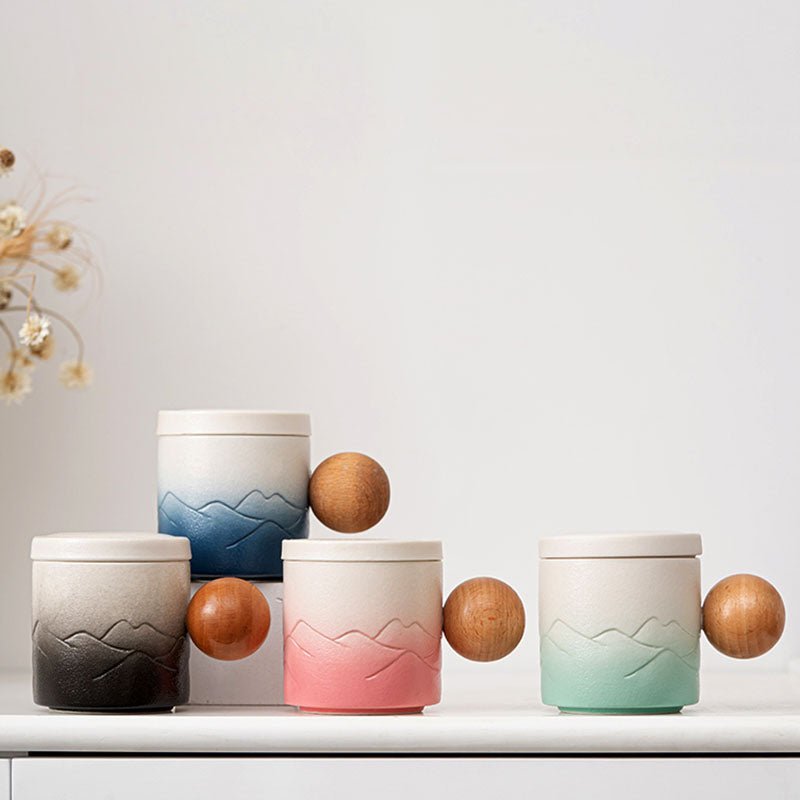
Mama Coffee Mug Buyer Guide: Size, Style, and Gift Fit
A practical buying guide for choosing a mama coffee mug that feels good in the hand, fits the drink you actually make, and still looks right in a gift box. We compare size, care, and style so you c...
Czytaj dalej
Giant Ceramic Coffee Mugs for Daily Use: What to Buy
A practical guide to giant ceramic coffee mugs, focused on comfort, heat retention, handle feel, cleanup, and the trade-offs that matter before you buy.
Czytaj dalej
Zostaw komentarz
Ta strona jest chroniona przez hCaptcha i obowiązują na niej Polityka prywatności i Warunki korzystania z usługi serwisu hCaptcha.