
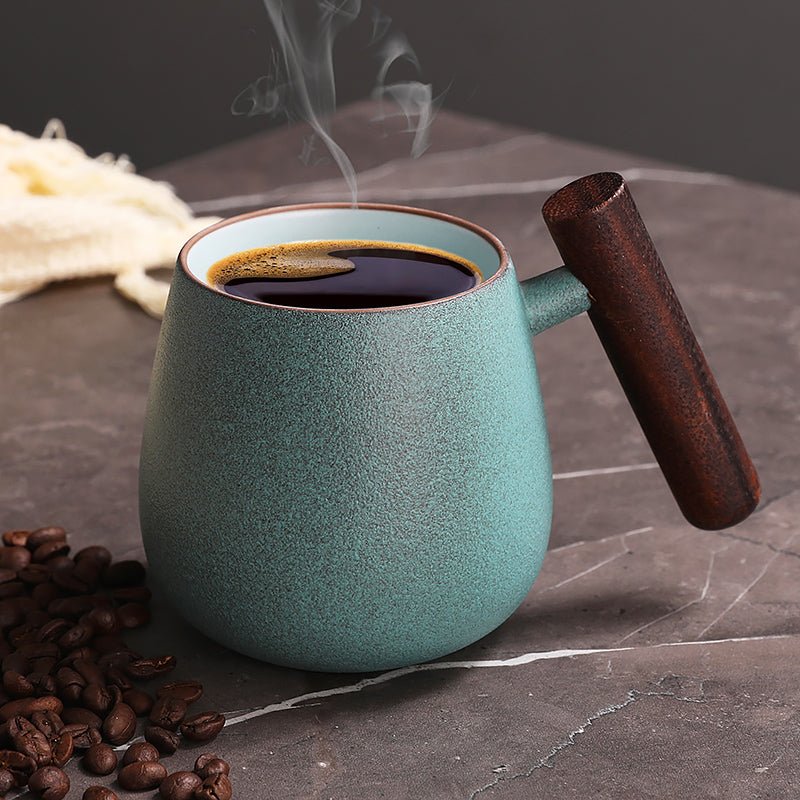
Glass Coffee Travel Mugs: What to Buy for Commutes and Office Days
Reading time: about 10 minutes
A mug cracks on the first morning commute, and the problem usually starts before the coffee cools. The lid leaks in a tote, the glass feels too hot to hold, or the cup looks beautiful on the counter but awkward in a cup holder.
That is the real decision behind glass coffee travel mugs. Buyers usually want the clean look of glass, a better drinking experience than plastic, and a mug that still works on a desk, in a car, or between meetings. In our store, we see the same pattern again and again: people love the feel of glass, but they need to know where it works and where it does not.
This guide focuses on the trade-offs we actually check when we handle travel drinkware. If you want to browse our current selection while you read, start with our product pages or compare the full range in our all products collection.
What makes glass coffee travel mugs different from other travel cups?
Glass changes the experience right away. It does not hold odors the way some plastics do, and it keeps the drink visually appealing. That matters for shoppers who use one mug for black coffee in the morning and tea or iced coffee later.
The main difference is not just the material. It is the combination of glass body, lid design, and insulation strategy. A good glass travel mug usually relies on one of these setups:
- Single-wall glass with a sleeve or handle for grip.
- Double-wall glass for slower heat loss and less exterior condensation.
- Glass plus a fitted lid with a silicone gasket to reduce splashing during short movement.
That sounds simple, but details matter. A 12 oz mug feels compact and office-friendly. A 16 oz mug suits long meetings or heavier coffee drinkers, but it is bulkier in a car cup holder. A wide mouth is easier to clean, but it can spill more easily if the lid is basic.
If you have already read our broader buying guides, the same logic applies here. Our article on Best Travel Coffee Mugs for Commutes, Office Days, and Trips covers the general category, while this page is about the glass-specific trade-offs buyers ask us about most.
Who should buy glass coffee travel mugs, and who should skip them?
We recommend glass coffee travel mugs for shoppers who care about taste, presentation, and office use more than rough handling. They make sense on a desk, in a meeting room, or for a short drive where the mug stays upright most of the time.
They are not the best choice for every routine. A glass mug is usually a weaker fit if you:
- Throw your coffee into a backpack with books, chargers, or keys.
- Need a mug for hiking, biking, or station-to-station commuting.
- Want maximum heat retention for several hours without reheating.
- Prefer a lightweight cup for one-handed use in motion.
That is the honest trade-off. Glass gives you clarity, cleaner flavor, and a premium feel, but it can be less forgiving than stainless steel. If durability and long heat retention matter more than appearance, our other travel mug guides may be the better starting point. For shoppers who want a side-by-side view of everyday options, Best Coffee Mugs Travel: What to Buy for Commutes, Office Days, and Trips is a useful comparison point.
Which features matter most before you buy?
When we evaluate glass coffee travel mugs, we look at the same handful of details every time. These are the specs that determine whether the mug will be pleasant to use after the first day.
- Glass type: Borosilicate glass is generally preferred for drinkware because it handles temperature swings better than basic soda-lime glass. That does not make it unbreakable, but it is a more practical choice for hot coffee and quick rinses.
- Lid seal: A lid should sit firmly and close evenly. A loose fit or weak gasket is where drips usually start, especially near the sip opening.
- Mouth width: Wide enough to clean with a bottle brush, but not so open that every movement sloshes liquid upward.
- Grip: A silicone sleeve, textured band, or handle can matter more than buyers expect, because bare glass can become hot or slick.
- Capacity: Check whether the mug is built for 8 oz, 12 oz, or 16 oz servings. A mug that looks elegant may be too small for your normal pour.
We also pay attention to the small failure points shoppers rarely see in product photos. Hairline cracks near the rim, lids that warp after repeated washing, and gaskets that lift out too easily are all practical red flags. Those are the issues that create returns, not the polished lifestyle image on the listing.
For buyers comparing materials, our guide to Ceramic Travel Coffee Mugs: What Buyers Should Check Before Ordering is useful if you like the feel of a non-metal cup but are still deciding between ceramic and glass.
How do glass coffee travel mugs hold up in daily use?
In real use, the performance depends on how you treat the mug. On a kitchen counter or office desk, a good glass mug can be excellent. The drink stays visually appealing, the cup feels clean after washing, and you do not get the metallic note some people dislike in stainless steel.
On the move, the story changes. Glass mugs are more likely to show their limits if they are tossed into a bag, set down hard, or used in a car with a rough suspension. A well-made lid helps, but glass still asks for more care than insulated steel.
Here is the day-to-day breakdown we usually give customers:
| Use case | Good fit? | Why |
|---|---|---|
| Office desk | Yes | Stable, attractive, easy to sip from |
| Short car commute | Usually | Works if the lid seals well and the cup holder fits |
| Backpack carry | No | Glass is less forgiving if bumped or packed tightly |
| Long heat retention | Sometimes | Double-wall designs help, but steel usually does more |
That last point matters. If your priority is keeping coffee hot for hours, glass coffee travel mugs are usually not the strongest option. They can do the job for a while, but they are not the first choice for long, cold commutes or extended travel days.
What care routine keeps glass mugs in better shape?
We tell customers to treat glass drinkware as something that rewards a little routine. The care is simple, but consistency matters.
- Rinse the mug soon after use so coffee oils do not sit on the glass.
- Wash the lid separately if the gasket comes out, since trapped residue is where odors usually build up.
- Use a soft sponge or bottle brush instead of abrasive scrubbers that can scuff the surface or cloud clear glass.
- Let the mug dry fully before reassembling the lid, especially if there is a silicone seal.
If the mug is labeled dishwasher-safe, that helps with convenience, but we still recommend checking the lid and gasket after repeated cycles. In our experience, lids are often the first part to show wear. The glass body may stay fine while the seal becomes less precise, and that is when small leaks begin.
For buyers who like a transparent look but want to compare the visual style and drinking experience across shapes, Clear Glass Coffee Mugs: What Buyers Should Check Before Ordering is a good companion read.
How do glass coffee travel mugs compare with stainless steel and ceramic?
This is usually the final decision point. The right material depends on how you drink, where you carry it, and what annoys you most.
- Glass: Best for clean flavor, visual appeal, and desk use. Weak point is impact resistance.
- Stainless steel: Best for durability and heat retention. Weak point is that some people dislike the taste or opaque feel.
- Ceramic: Best for a more traditional coffee feel. Weak point is weight and breakability, especially without a protective outer layer.
We keep coming back to the same practical question: where will the mug live most of the time? If it spends most of the morning on a desk, glass makes a lot of sense. If it spends most of the day in transit, steel is usually safer. If you like the feel of a home mug and want a travel-capable version, ceramic may be the better middle ground, especially after reading Coffee Travel Mug Glass: What to Check Before You Buy.
We do not treat glass as the universal answer. It is the right choice for the right buyer. That distinction keeps expectations realistic and reduces regret after the first week of use.
What should you check before ordering from our store?
Before you add a mug to cart, we suggest a short checklist. It takes less time than scrolling through reviews and gets you closer to the right fit.
- Confirm the capacity in ounces so the mug matches your normal coffee size.
- Check whether the body is single-wall or double-wall glass.
- Look at the lid style and whether it has a gasket or sliding closure.
- Decide if you need a sleeve or handle for heat protection.
- Think honestly about how rough your commute is.
We handle this category with that same lens in our store. The best glass coffee travel mugs are not the fanciest ones. They are the ones that match a real routine: coffee on the kitchen counter, a desk between meetings, a short drive, or a gift someone will actually use instead of storing away.
If you want to browse the current range now, start with our all products collection and compare shape, lid style, and size together. That is usually faster than trying to guess from a single product photo.
Frequently asked questions
Are glass coffee travel mugs good for hot coffee?
Yes, if the mug is built with the right glass and a secure lid. Double-wall glass usually handles hot drinks better and feels more comfortable to hold than thin single-wall glass. For very long heat retention, stainless steel still performs better.
Do glass coffee travel mugs leak easily?
They should not, but the lid matters more than the glass. A well-fitted lid with a silicone gasket can handle short commutes and desk use, while a loose or poorly aligned lid is where leaks usually start. We would not trust any glass mug in a fully packed bag unless the product is clearly designed for that use.
Can I put a glass coffee travel mug in the dishwasher?
Some can go in the dishwasher, but the lid and gasket need closer attention than the glass body. Repeated dishwasher cycles can wear out seals or warp plastic parts sooner than hand washing. If you want the longest service life, gentle washing is the safer routine.
What size glass coffee travel mug should I buy?
For most office buyers, 12 oz is the easiest starting point because it fits a normal coffee serving without becoming bulky. If you drink larger pours or want less refilling, 16 oz may suit you better. Smaller 8 oz mugs work well for espresso-based drinks or shorter desk sessions.
Are glass coffee travel mugs better than ceramic travel mugs?
They are better for people who want a clearer view of the drink and usually prefer a lighter, more modern look. Ceramic often feels more familiar in the hand and can be better for some hot-drink routines, but it may be heavier and less practical on the move. The better choice depends on where you use it most.
If you are narrowing down your options, use one last filter: choose the mug that fits the roughest part of your day, not the easiest part. Then compare the current glass coffee travel mugs in our store against the size, lid, and care checklist above before you order.
More from our blog
Read more
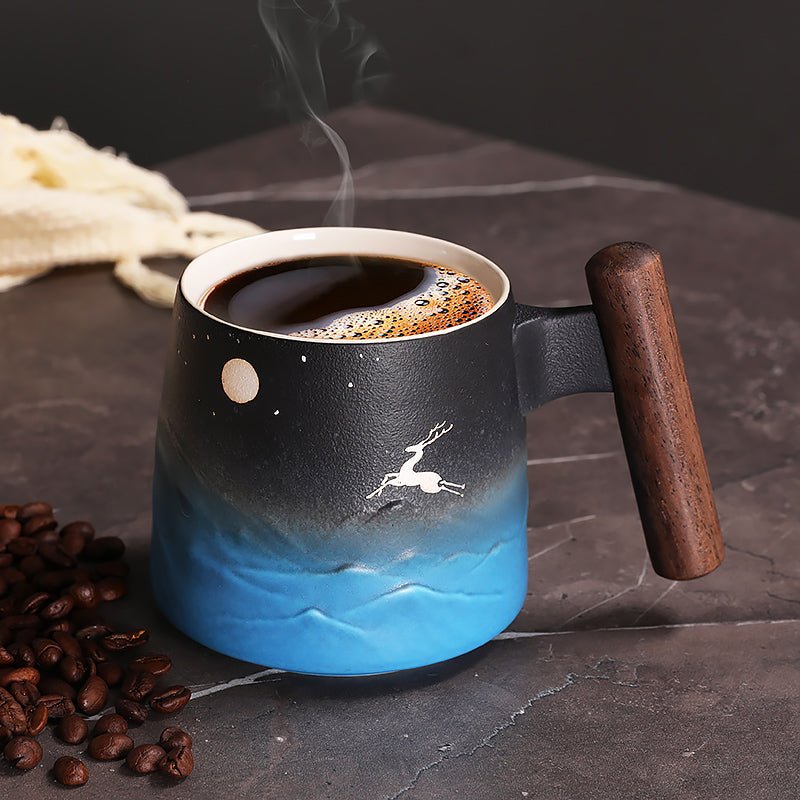
Deer Coffee Mug Buying Guide: Size, Material, and Gift Fit
A deer coffee mug looks simple, but the right one depends on size, glaze, handle comfort, and care. We break down what matters before you buy, plus when a different mug style is the better call.
Czytaj dalej
Morton Salt Coffee Mugs: What Buyers Should Check Before Ordering
Morton Salt coffee mugs work best when the graphic, size, and finish match how you actually drink coffee. Here is what to check before you buy for daily use or gifting.
Czytaj dalej
Zostaw komentarz
Ta strona jest chroniona przez hCaptcha i obowiązują na niej Polityka prywatności i Warunki korzystania z usługi serwisu hCaptcha.