
Gibson Coffee Mugs: What to Check Before You Buy
Reading time: about 8 minutes
A mug can look right in a product photo and still feel wrong at 7 a.m. if the handle pinches your fingers, the rim feels too thick, or the cup is too narrow for a spoon and a splash of milk. That is usually why shoppers search for gibson coffee mugs: they want an everyday mug that works on a real kitchen counter, a real office desk, and in a real dishwasher cycle.
We handle drinkware for shoppers who care about daily use more than marketing copy. In our experience, the best mug is the one that disappears into the routine. It should pour cleanly, sit flat, hold comfortably, and survive the kind of use that happens when someone is half awake and rinsing out a cup before leaving for work.
What are gibson coffee mugs usually good for?
Most people looking at gibson coffee mugs are not hunting for a specialty pour-over vessel. They want a dependable cup for drip coffee, tea, cocoa, or an office refill that does not feel awkward in the hand. That makes shape and capacity more important than decoration.
They tend to work well for:
- Daily coffee on a kitchen counter where the mug gets picked up, set down, and washed every day.
- Desk use, where a stable base matters more than an oversized silhouette.
- Gift giving, because a well-chosen mug is practical and easy to unbox without extra setup.
- Tea or hot chocolate, especially if the rim is comfortable and the interior is easy to rinse clean.
They are not the best choice if you want a very small espresso cup, a travel tumbler, or a thin-walled cup designed purely for presentation. If your main priority is compact storage or a lighter carry, a different style may fit better.
Which shape feels best in the hand?
We usually narrow mug shopping down to three things first: capacity, handle comfort, and base stability. Those details matter more than the print or glaze once the mug is actually in use.
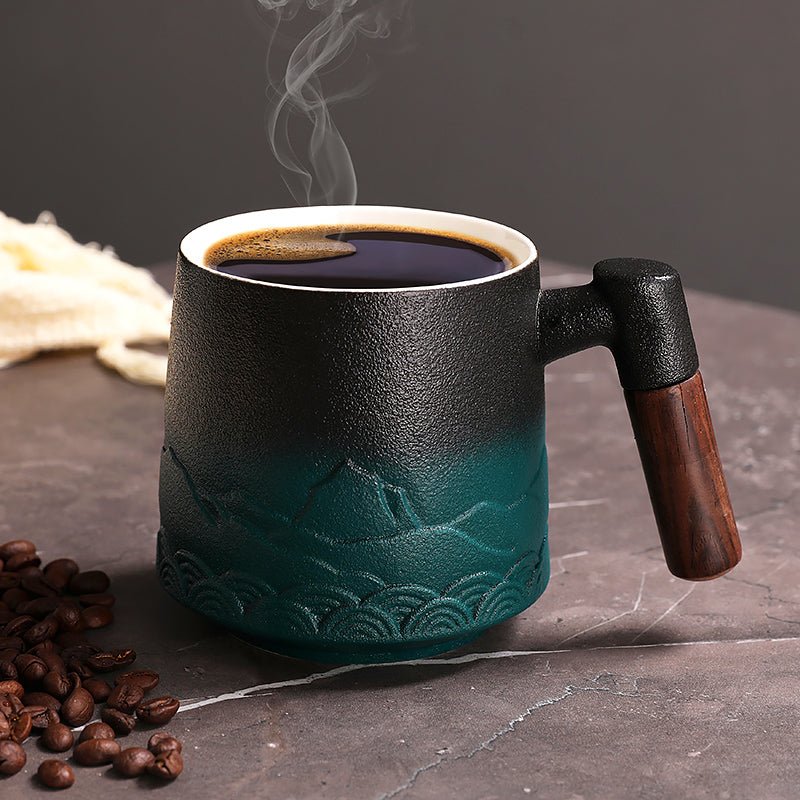
For a quick comparison, look at the styles we carry in our store: The Gradient Coffee Tea Mug, Retro Coffee Tea Cup, and Ball Handled Coffee Tea Mug. If you want to compare the broader range first, start with our full collection.
| Style | Best for | Main trade-off |
|---|---|---|
| Gradient Coffee Tea Mug | Shoppers who want a clean everyday look that also works as a gift | Decorative glazing can be less forgiving if you want a purely plain, utilitarian mug |
| Retro Coffee Tea Cup | Tea drinkers and anyone who prefers a more compact, old-school shape | Smaller cups can feel tight if you add a lot of milk or like long pours |
| Ball Handled Coffee Tea Mug | People who want a more distinctive grip and a mug that feels secure in hand | The handle design can take up more cabinet space and may not suit every finger size |
Three concrete things we check before recommending a mug are the handle opening, the rim thickness, and the foot ring. A handle that is too narrow is the fastest way to make a mug feel cheap, even if the outside looks good. A rim that is too thick can change the drinking experience and make the first sip feel clumsy. A flat, even foot ring helps the mug sit steady and reduces wobble on a slick countertop.
What details should you check before ordering?
Product photos do not always show the details that matter most. We pay attention to the same things shoppers notice after the box arrives, because that is where satisfaction usually gets decided.
- Capacity: Decide whether you actually want a standard daily cup or a larger refill mug. If you are unsure, our capacity guides for 10 oz Coffee Mugs: How to Choose the Right One for Daily Use, 12 Ounce Coffee Mugs: Fit, Shape, and Buying Tips, and 16 Ounce Coffee Mugs: Size, Materials, and Fit Guide can help you compare sizes before you buy.
- Handle clearance: Make sure your fingers fit without touching the mug wall. That matters more if you have larger hands or like to drink with one finger through the handle.
- Wall and rim feel: Thicker walls hold heat a bit longer, but they can make the mug feel heavier. Thin rims feel nicer to sip from, but they can chip more easily if the mug is knocked against a sink or rack.
- Glaze quality: Look for even color, no pinholes, and no rough spots where the handle joins the cup. Those are the places where you notice wear first.
- Base and stability: A mug with a level bottom is less likely to wobble on a crowded desk or a slightly uneven counter.
Common defect modes in this category are not dramatic. They are small things: a hairline crack near the handle join, a chipped rim from stacking too tightly, or a glaze line that feels rough to the lip. Those flaws are exactly why we tell shoppers to look beyond the styling and check the parts that touch your hand and mouth every day.
Which mug suits a kitchen, office, or gift best?
Different use cases change the right answer. A mug that feels perfect in a morning kitchen may be annoying on a work desk, and a gift-worthy mug does not always need the largest capacity.
- For the kitchen counter: Choose a balanced shape that is easy to rinse and easy to stack. If you drink drip coffee, a medium-size mug usually feels the most natural.
- For the office: Stability matters more than decoration. A slightly wider base and a comfortable handle make it easier to move from desk to break area without worry.
- For gifting: Visual style matters, but the mug still needs to be practical. A decorative mug should still be comfortable enough that the recipient will actually use it.
- For tea: A cup with a pleasant rim and a shape that cools at a reasonable pace is better than a heavy, oversized mug that traps heat too long.
We also see shoppers who want a mug that feels a little more polished than the average pantry cup. In those cases, a gradient or retro finish can be a good fit because it gives the mug some visual character without making it difficult to use every day. If you want a deeper size comparison before choosing, the buying notes in our 12 oz Coffee Mugs: What to Check Before You Buy guide cover the most common middle-ground choice shoppers make.
In our store, the mugs that get returned most often are the ones that looked right online but felt cramped or awkward in the hand once they arrived.
How should you care for gibson coffee mugs?
Care is straightforward, but it still affects how long a mug keeps looking good. Most glazed ceramic-style mugs do fine with normal washing, yet the way you dry and store them matters more than people expect.
Use this simple routine:
- Rinse the mug soon after use so coffee oils do not sit on the glaze.
- Use a soft sponge instead of an abrasive pad if you want to keep the finish looking even.
- Dry the foot ring after washing so it does not leave water marks on shelves or trays.
- Avoid sudden temperature swings, like moving a very hot mug into cold water right away.
- Stack carefully, or do not stack at all, if the rim feels delicate.
Dishwasher use is convenient, but it is not always the best answer for every mug finish. If a mug has a decorative glaze or printed detail, top-rack washing is usually the safer long-term choice. Heavy dishwasher cycles can also expose tiny glaze inconsistencies faster, especially on the rim and handle join. That does not mean the mug is fragile. It means regular wear shows up where the water and heat hit most often.
One trade-off worth saying plainly: a more decorative mug can be more pleasing on a shelf, but it is not always the best pick if you want the toughest possible everyday workhorse. If your priority is maximum durability over visual detail, choose the plainest shape with the least delicate finish.
Frequently asked questions
Are gibson coffee mugs dishwasher safe?
Check the specific product page before you buy, because care instructions can vary by finish and style. In general, glazed mugs are usually easy to wash, but decorative details often hold up better with gentler top-rack care.
What size gibson coffee mug is best for daily use?
For most people, a middle-size mug is the safest buy because it handles coffee, tea, and milk drinks without feeling oversized. If you drink smaller portions, a 10 oz mug can feel just right; if you like a longer pour, 16 oz may suit you better.
Which handle style is easiest to hold?
A handle with enough clearance for your fingers is usually the most comfortable choice. Ball-handled mugs can feel secure, but shoppers with larger hands should check the opening carefully before ordering.
Are gibson coffee mugs good for espresso drinks?
They can be used for espresso drinks with milk, but a larger mug is not ideal if you want a true espresso experience. For straight espresso, a smaller cup usually keeps the drink in better proportion and feels more natural.
What should I watch for when the mug arrives?
Look at the rim, handle join, and base first. If those areas are smooth and even, the mug is usually the kind of everyday piece you can put straight into rotation.
If you are ready to narrow it down, start with the style that matches your routine, then compare it against the rest of our mug collection. That gives you the cleanest way to judge handle comfort, capacity, and finish before you choose.
Read more
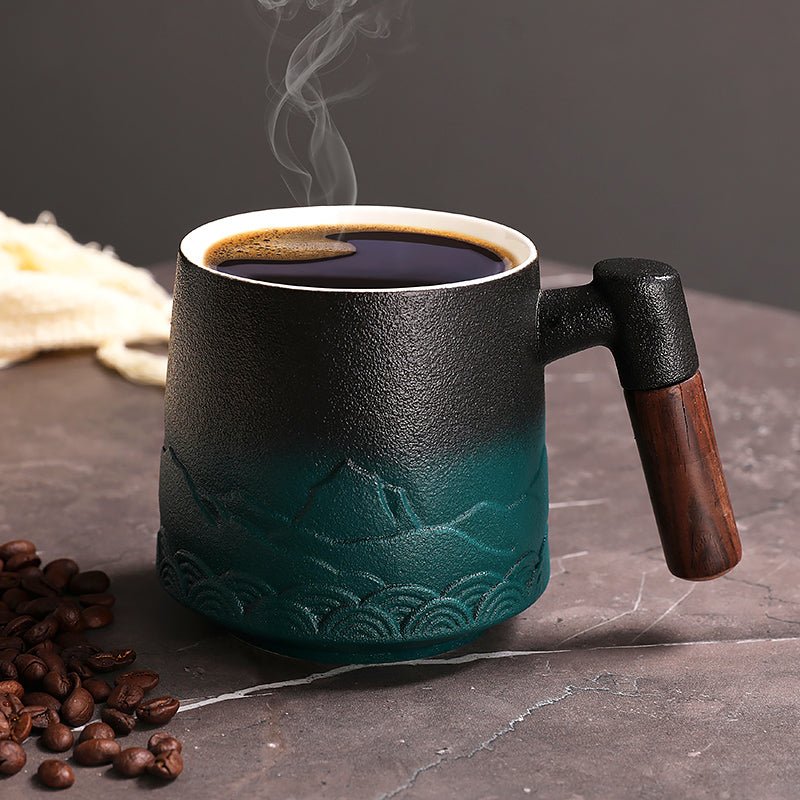
Coffee Mug Warmers: What Fits, What Fails, and What to Buy
Coffee mug warmers sound simple until a mug rocks on the plate, heats unevenly, or cools off the moment you step away. Here’s what actually matters when you’re comparing coffee mug warmers for desk...
Czytaj dalej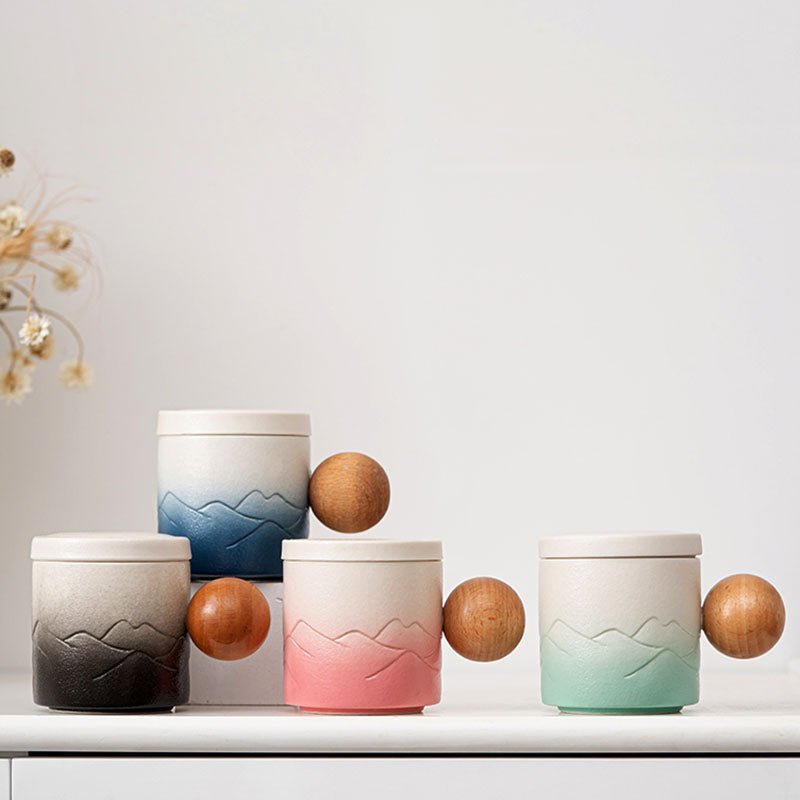
Coffee Cup Mug Buying Guide for Daily Use and Better Fit
A coffee cup mug should feel stable on the counter, comfortable in the hand, and easy to clean after real use. We break down the checks our store uses and how our main styles compare.
Czytaj dalej
Zostaw komentarz
Ta strona jest chroniona przez hCaptcha i obowiązują na niej Polityka prywatności i Warunki korzystania z usługi serwisu hCaptcha.