
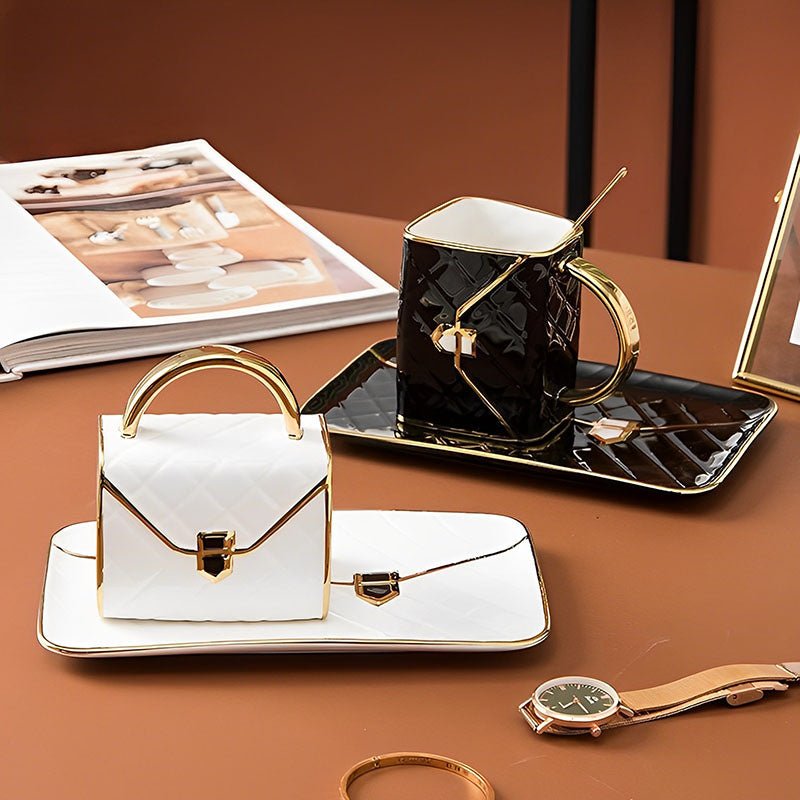
Fancy Cups: What to Buy for Daily Use, Gifting, and Display
Reading time: about 10 minutes
A cup can look elegant on a product page and still feel awkward in your hand at the kitchen counter. We see that mismatch a lot: the rim looks refined, but the handle is cramped, the glaze runs rough at the lip, or the cup is too delicate for daily dishwasher use.
That is why we treat fancy cups as a buying decision, not just a style choice. In our store, we pay attention to how the cup pours, how it balances in the hand, and how it holds up after a week of real use on office desks, breakfast tables, and gift unboxings.
If you are comparing options now, start with our products page for current styles, then check the full collection to compare shapes and finishes in one place.
What makes fancy cups worth buying instead of basic mugs?
Fancy cups usually stand out in one or more of three ways: shape, finish, and presentation. That can mean a cleaner silhouette, a more polished glaze, a thinner rim, or a gift-ready look that feels more intentional than a standard kitchen mug.
But “fancy” is not the same as “better for everyone.” A very thin ceramic cup may feel elegant for espresso or tea, yet it may not be the best choice for a big morning coffee if you want a larger capacity and a sturdier handle. We have had customers love a cup on day one and then realize it is better for after-dinner drinks than for a Monday commute routine.
For buyers who want a quick screen before they click, compare these practical points:
- Rim feel: a smoother, well-finished rim is more comfortable for sipping.
- Handle size: check whether two or three fingers fit comfortably.
- Capacity: small cups suit espresso or tea service; larger cups suit long coffee breaks.
- Finish: glossy glazes tend to look dressier, while matte finishes can feel modern but may show marks differently.
- Care: confirm whether the cup is meant for dishwasher use or gentler handwashing.
If you want a deeper checklist just for this category, our article Fancy Coffee Cups: What to Check Before You Buy is a useful companion read.
Which material should you choose for fancy cups?
Material matters more than people think. It affects heat retention, weight, durability, and how the cup feels after repeated washing.
| Material | What it feels like | Best for | Trade-off |
|---|---|---|---|
| Ceramic | Solid, familiar, comfortable in hand | Daily coffee, tea, gifting | Can chip if handled roughly |
| Porcelain | Refined, lighter, often more elegant | Tea service, display, formal gifting | Usually less forgiving than thicker ceramic |
| Stoneware | Heavier, sturdy, grounded | Everyday use, cozy kitchen settings | Can feel bulky if you prefer a lighter cup |
In our experience, ceramic is the safest all-around pick for fancy cups because it handles daily use well and usually feels familiar to most shoppers. Porcelain is better if you care most about a delicate look on the table. Stoneware makes sense if you prefer weight and a more substantial feel, but it is not the right choice if you want a very light cup for tea service.
The finish matters too. A glossy glaze usually looks more polished and is easier to wipe clean after coffee oils or tea stains. A matte finish can look sophisticated, but it may show utensil marks or fingerprints more quickly depending on the glaze. We point that out because it surprises shoppers after the first few dishwasher cycles.
What sizes work best for coffee, tea, and gifting?
Size is where many buyers get tripped up. A cup that looks graceful on a product photo may be too small for a latte or too large for a proper tea service.
Here is the simplest way to think about it:
- Small cups are best for espresso, Turkish-style servings, or formal tea service.
- Mid-size cups work well for standard coffee, cappuccino, and everyday desk use.
- Larger cups suit people who want more room for milk, foam, or a long pour at home.
We usually tell shoppers to consider the drink first, then the style. A fancy cup that is too small for your actual routine ends up living in the cabinet. A cup that is too large can feel clumsy, especially if the handle is narrow or the rim is very tall.
If your main use is tea, our related guide Fancy Tea Cups: What to Look For Before You Buy helps narrow down the shape and size choices that matter most.
How can you tell if a fancy cup is well made?
You do not need lab equipment to spot a well-made cup. A quick hands-on check tells you a lot.
Here is what we look for when we handle drinkware in our store:
- Even glaze: no heavy drips, bare patches, or pinholes near the rim.
- Straight rim: the edge should feel smooth, not sharp or uneven.
- Secure handle attachment: the handle should feel integrated, not wobbly or thin where it joins the body.
- Stable base: the cup should sit flat without rocking on a counter.
- Consistent wall thickness: too thin can feel fragile; too thick can make the cup heavy and less refined.
We also pay attention to common defect modes that show up after a few uses. Micro-chipping around the rim is one. Another is glaze crazing, which can appear as fine crack lines in the surface finish over time. These issues do not always mean the cup is unusable, but they do affect how the piece ages, especially if you plan to wash it often.
That is why buying from a store that handles the category directly matters. We are not just picking a pretty shape; we are looking at how it will survive real life on a sink edge, a crowded shelf, or a gift table during a holiday dinner.
Are fancy cups good for daily use or mostly for display?
They can be either, but not every fancy cup should be treated the same way. Some are built for daily use and some are better as occasional pieces for guests, dessert service, or display.
If you want something for everyday coffee, choose a cup that is easy to wash, comfortable to hold, and sturdy enough to survive regular handling. If the cup has very delicate detailing, a narrow foot, or a highly decorative finish, it may be better for special occasions than for a busy kitchen.
That trade-off matters. A highly decorative cup can make the shelf or gift box look better, but it may not suit a dishwasher-heavy household. On the other hand, a simpler cup may not feel as ornate, but it is often the more practical buy for a home office or family kitchen.
For shoppers who want pieces that still feel attractive without sacrificing use, our Beautiful Coffee Cups: What to Look for Before You Buy article covers the same balance from a style-first angle.
What should you check before buying fancy cups as a gift?
Gift buyers care about presentation, but the person receiving the cup will care about comfort and use. We see both sides every day, especially during gift season and housewarming orders.
Before you buy, check these details:
- Presentation: does the cup look polished enough to give without extra work?
- Practical size: will it suit coffee, tea, or both?
- Care instructions: can the recipient actually keep it clean without fuss?
- Style fit: does it lean modern, classic, festive, or understated?
- Storage needs: will it fit in a standard cupboard, or is it more of a display piece?
Fancy cups make especially good gifts when the recipient already enjoys coffee or tea rituals. They are less ideal if the person prefers very large travel mugs, rarely drinks hot beverages, or has a habit of stacking cups tightly in a small cabinet. A beautiful cup that cannot live comfortably in their kitchen is not a thoughtful gift.
If you are shopping for seasonal giving, our Christmas Coffee Cups: How to Choose the Right Mug for Gifts and Daily Use article is useful for balancing looks with everyday practicality.
How do you care for fancy cups so they keep their finish?
Care is where many beautiful cups either stay beautiful or slowly lose their appeal. Gentle treatment extends the life of the glaze, printed details, and the overall shape.
Our basic care advice is simple:
- Rinse stains sooner rather than later, especially with coffee and tea.
- Use a soft sponge for handwashing if the finish is delicate.
- Avoid sudden temperature shock, like pouring boiling liquid into a chilled cup.
- Do not stack cups tightly if the rims are thin or decorated.
If a cup is labeled for dishwasher use, that helps, but it still does not mean every finish will age the same way. Metallic accents, embossed details, and some matte surfaces can show wear sooner than a plain glossy glaze. That is normal. It is just worth knowing before you buy.
Fancy cups are also not the best choice for people who regularly carry hot drinks from room to room or who want a travel-ready lid system. For that use case, a sealed travel mug is usually a better purchase.
What are the best fancy cups for a small kitchen, office desk, or tea service?
Different spaces call for different cup choices.
Small kitchen: Choose a cup with a modest footprint and a sturdy base. Too many ornate cups crowd cabinets quickly, and handles with wide curves can make stacking difficult.
Office desk: Pick a cup that is stable and easy to clean between uses. A refined but simple shape works better than something decorative that needs careful handling near a keyboard.
Tea service: Look for a balanced rim, comfortable hand feel, and a shape that does not overheat too quickly. That is where porcelain-style pieces often make sense.
Display shelf: This is where finish and visual character matter most. Fancy cups with distinctive glaze or profile can look excellent, but they may not be the most practical for everyday rotation.
If your taste leans more toward elevated but still useful pieces, our Cool Coffee Cups: What Actually Matters Before You Buy guide compares style and function in a way that helps narrow down the right shelf or countertop fit.
Frequently asked questions
Are fancy cups dishwasher safe?
Some are, but not all finishes age the same way in the dishwasher. Glossy ceramic often holds up better than delicate decorative pieces, while metallic accents and some matte glazes can wear faster. Check the care details before you buy if you plan to wash cups often.
What size fancy cup is best for everyday coffee?
A mid-size cup is usually the safest choice for daily coffee because it leaves room for milk, foam, or a slightly larger pour. Very small cups can feel limiting, and oversized cups may feel heavy or awkward in the hand. Think about your usual drink first, then the style.
Do fancy cups make good gifts?
Yes, especially if the person already enjoys coffee or tea at home. The best gift choices are attractive, easy to clean, and sized for actual use rather than just display. If the recipient prefers travel mugs, a fancy cup may not be the right fit.
What is better for fancy cups: ceramic or porcelain?
Ceramic is usually the more forgiving all-around option for daily use. Porcelain tends to look a bit more refined and lighter, which can be ideal for tea service or formal settings. If you want durability and everyday comfort, ceramic is often easier to live with.
How do I know if a fancy cup feels good in hand?
Check the handle size, rim finish, and overall balance. A good cup should feel stable without being top-heavy, and the handle should allow a natural grip without squeezing. If the cup looks elegant but feels awkward to hold, it will probably stay on the shelf more than you expect.
If you are ready to compare styles, start with our products page and then use the full collection to narrow down the shape, finish, and size that fit your kitchen or gift list best.
Related from our store
Read more
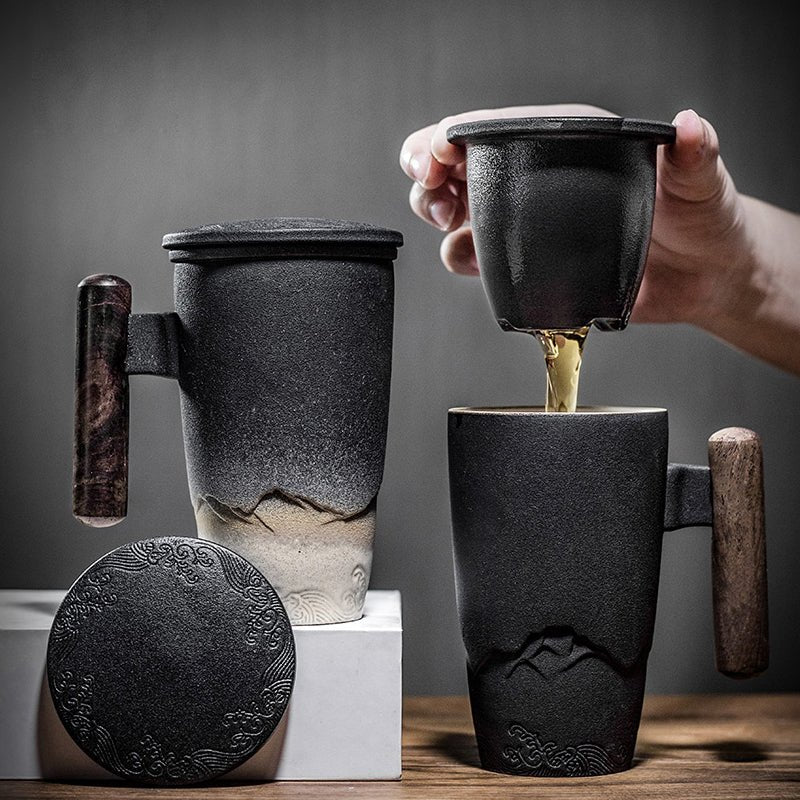
Luxury Coffee Mugs: What to Look For Before You Buy
Luxury coffee mugs should feel balanced in the hand, pour cleanly, and hold up through regular use on a kitchen counter or office desk. We break down the materials, sizes, and finish details that s...
Czytaj dalej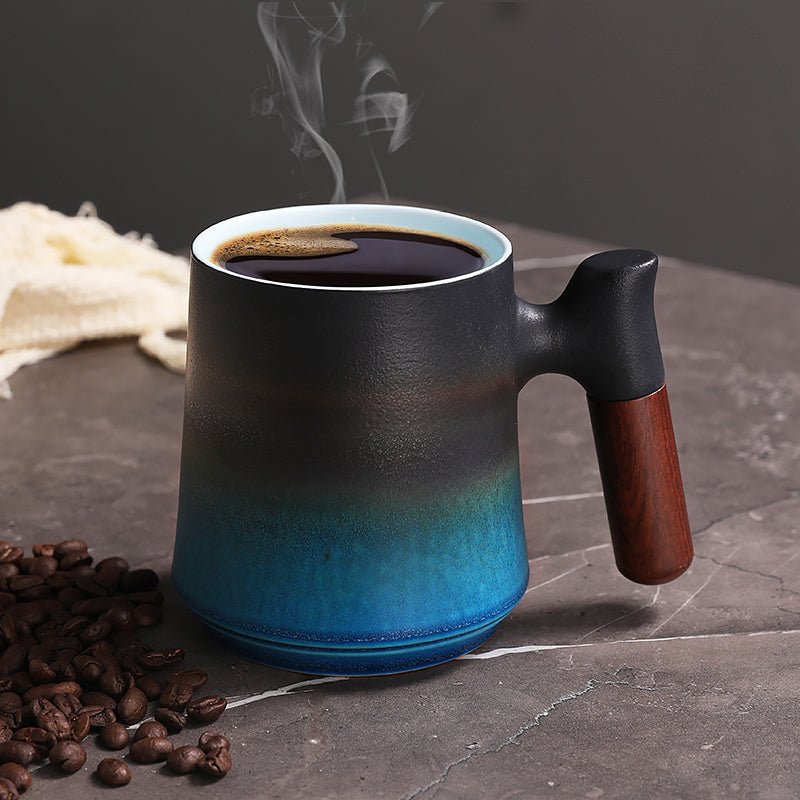
Mug for Tea: How to Choose the Right Size, Shape, and Material
A practical buying guide for anyone comparing a mug for tea at home, at work, or as a gift. We break down size, shape, material, and care so you can pick a cup that fits how you actually drink tea.
Czytaj dalej
Zostaw komentarz
Ta strona jest chroniona przez hCaptcha i obowiązują na niej Polityka prywatności i Warunki korzystania z usługi serwisu hCaptcha.